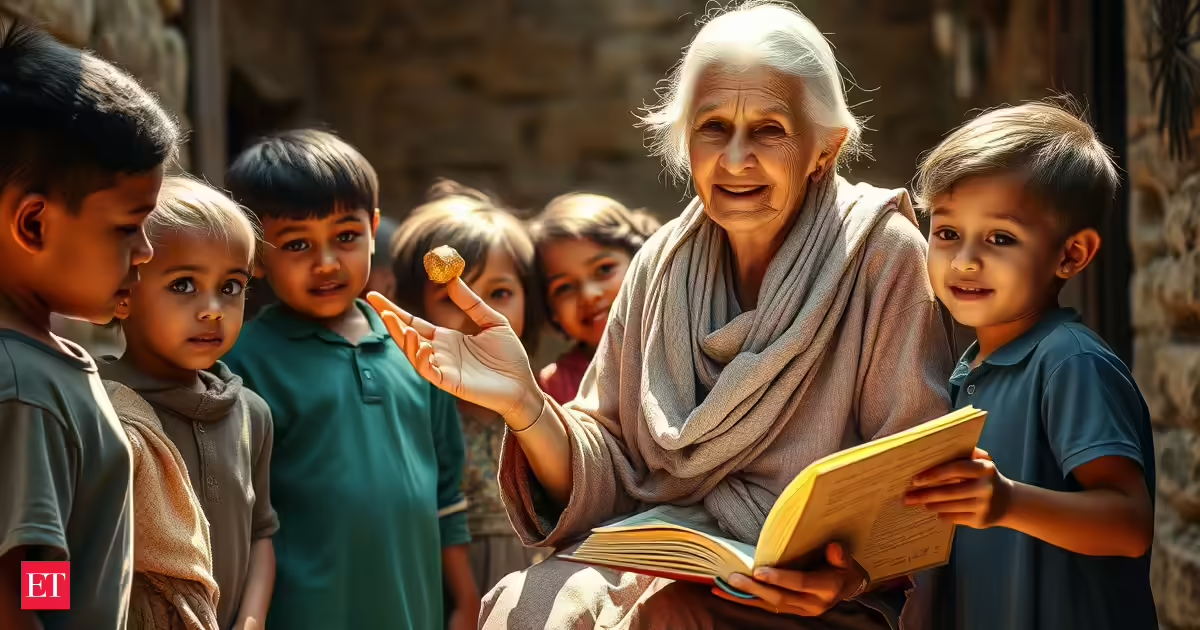
African proverb of the day focuses on the value of communication, shared wisdom, and understanding between people. The proverb, “Having a good discussion is like having riches,” teaches that conversations can provide knowledge, peace, solutions, and emotional support. Across African traditions, proverbs are often used to pass lessons from one generation to another. This saying reminds people that wealth is not limited to money or material possessions. A thoughtful discussion can create trust, strengthen communities, and help people learn from one another. In modern life, the proverb remains important in schools, workplaces, homes, and social relationships.African proverb of the day today and its meaning The proverb is, “Having a good discussion is like having riches.” It compares conversation with treasure. Riches usually refer to money, gold, or property. However, this proverb explains that communication can also become a valuable asset. A meaningful discussion allows people to exchange ideas, share experiences, and understand different opinions. Such conversations often lead to learning and growth. People may discover solutions to problems, improve relationships, or gain wisdom that helps them later in life.The proverb also highlights the emotional value of conversation. Honest discussions can reduce misunderstandings and bring peace between individuals or communities. In many situations, a conversation can solve issues that money cannot fix. The saying reflects the African tradition of storytelling and oral wisdom. In many African cultures, elders share knowledge through dialogue and proverbs. Discussions become a way to teach morals, history, and life lessons.You Might Also Like:Lessons about knowledge and wisdomOne of the main teachings of the proverb is that knowledge acts like currency. Money can provide comfort, but wisdom helps people make better decisions. Through discussion, individuals can gain insights they may not discover alone.The proverb also connects with another African saying: “One head does not hold all wisdom.” This expression reminds people that every individual has something to contribute. Listening to others can open the mind to new ideas and experiences.Discussions encourage learning because people ask questions, debate viewpoints, and explain their thoughts. These exchanges often help individuals see situations differently. In schools and workplaces, communication remains necessary for teamwork and progress. The proverb teaches humility as well. A person who believes they already know everything may stop learning. Good discussions require patience, respect, and willingness to listen.You Might Also Like:Role of communication in problem solvingThe proverb also explains the importance of dialogue in solving challenges. Problems often become easier to manage when people share ideas together. Communities rely on discussion to settle disputes, plan solutions, and support one another. Families also depend on communication to maintain trust and understanding. Without open discussions, misunderstandings can grow.In workplaces, teams succeed when people communicate clearly. Employees and leaders use meetings and discussions to share plans and resolve concerns. The proverb reminds people that communication creates cooperation. This teaching connects closely with another famous African proverb: “If you want to go quickly, go alone. If you want to go far, go together.” Both sayings stress the value of collaboration and shared effort.African proverb and its relevance todayAfrican proverb remains relevant in modern society because communication shapes almost every part of life. Technology allows people to connect faster than before, yet meaningful conversations are still necessary. Social media and digital communication often create quick exchanges, but the proverb encourages deeper discussions. Real understanding comes from listening carefully and respecting different perspectives.The saying also applies to global issues. Countries, organizations, and communities rely on dialogue to address conflicts, economic challenges, and social concerns. Peace negotiations and partnerships begin with conversation. Mental health discussions also show the importance of communication. Many people find comfort when they openly share feelings and experiences with trusted individuals. A supportive conversation can provide emotional strength. The proverb reminds society that relationships grow through communication. Friendships, marriages, and family bonds become stronger when people discuss problems honestly.Related African proverbs and expressionsMany African proverbs carry similar lessons about wisdom and human connection. These sayings continue to inspire people around the world.“Smooth seas do not make skillful sailors”This proverb teaches that challenges help people grow stronger. Difficult experiences often build patience, skill, and understanding.“If you want to go quickly, go alone. If you want to go far, go together”This saying emphasizes teamwork and cooperation. Success often becomes more meaningful and lasting when people work together.“One head does not hold all wisdom”This proverb encourages people to value the ideas and knowledge of others. No single person has every answer.English also contains expressions related to the featured proverb. Phrases such as “Two heads are better than one” and “Knowledge is power” share similar meanings about collaboration and wisdom.Why proverbs continue to matter?African proverbs remain important because they simplify life lessons into memorable statements. They help younger generations understand values such as respect, unity, patience, and wisdom.These sayings also preserve culture and history. Many communities continue using proverbs in daily speech, ceremonies, education, and storytelling. People often remember lessons more easily when they are expressed through short and meaningful phrases. Proverbs create reflection and encourage discussion. The proverb “Having a good discussion is like having riches” continues to inspire people to value communication over silence and understanding over conflict.
African proverb of the day: 'Having a good discussion is like having...' Life lessons on knowledge, enlightenment, wealth and why exchange of ideas can be equivalent to treasure
African proverb of the day highlights the importance of communication, wisdom, and human connection. The proverb “Having a good discussion is like having riches” explains how meaningful conversations can help people gain knowledge, solve problems, and build trust. The saying also teaches that ideas and understanding can become a form of wealth. The proverb remains relevant in daily life, workplaces, friendships, families, and communities across the world.
The African proverb "Having a good discussion is like having riches" frames dialogue as wealth: conversation builds knowledge, trust, and solutions across generations. For tech teams, the takeaway is direct: structured communication outperforms tooling alone in knowledge retention, conflict resolution, and collective decision quality.