Most developers treat AI agents like traditional software utilities. They run a quick pip install, throw some environment variables into a .env file, spin up a script, and expect magic.
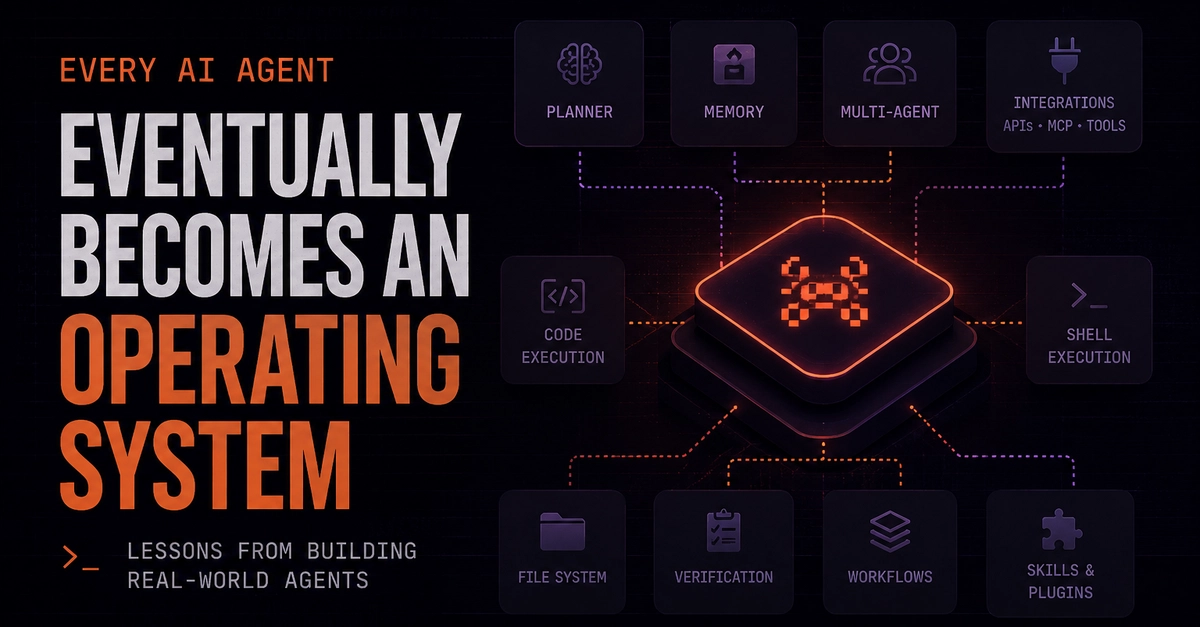
But an autonomous, self-improving AI agent is not a static utility. It is a dynamic, stateful entity. It observes its environment, writes its own code, modifies its skills, and accumulates memories.
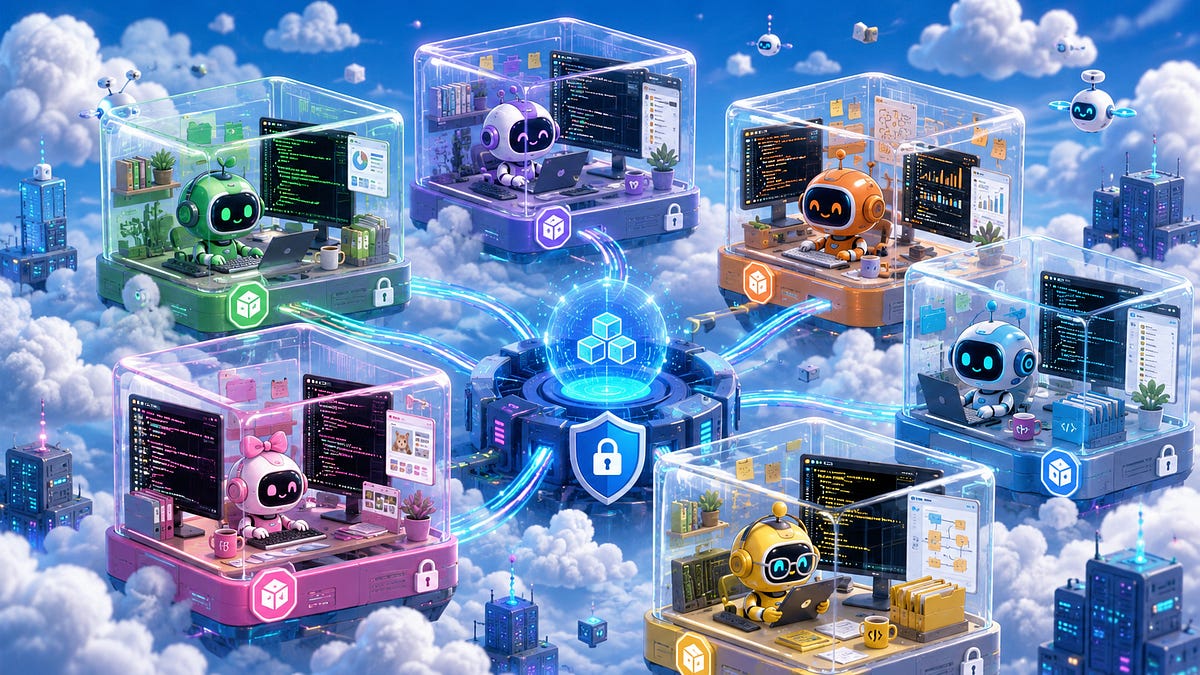
If you install a self-evolving agent like a standard CLI tool, you are placing a living organism into a contaminated petri dish. A single global dependency update, a transient system crash, or a wiped temp directory won't just cause a crash—it will trigger an epistemic break, shattering the agent's model of reality and erasing its hard-won cognitive progress.
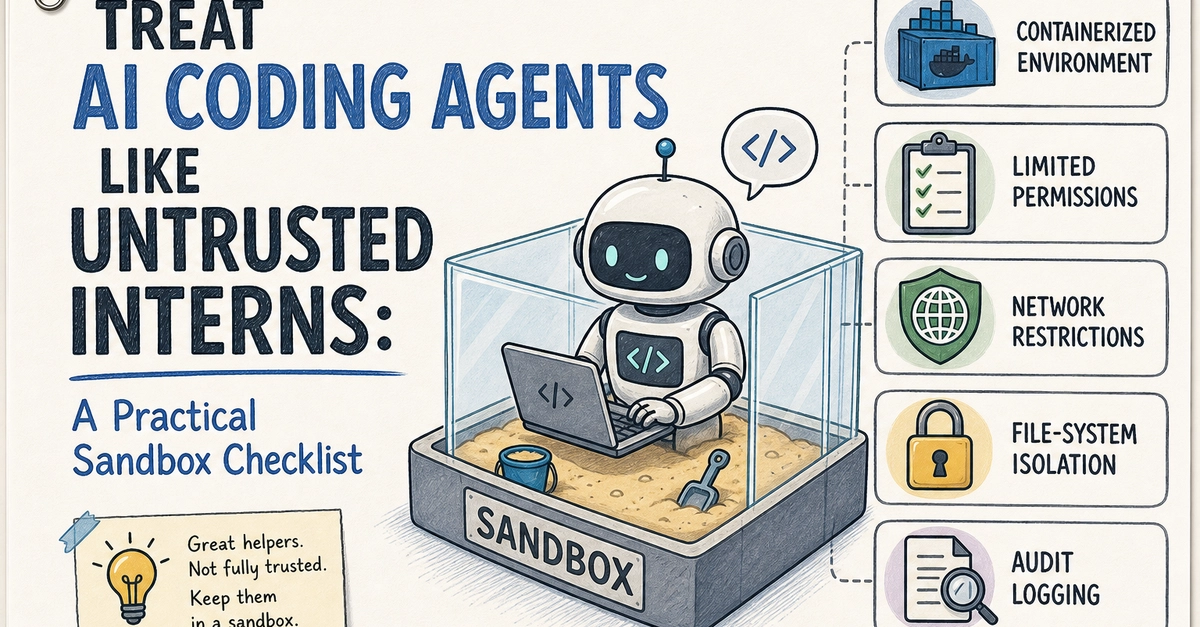
To build an agent that actually survives and evolves, we must design its installation as a hermetic life-support system.
In this architectural deep dive, we will explore the deployment philosophy of Hermes Agent across three distinct environments: Desktop, Docker, and Termux. We will dissect how to construct a closed-loop system where an agent can safely observe, learn, and self-evolve without corrupting its host or losing its mind.