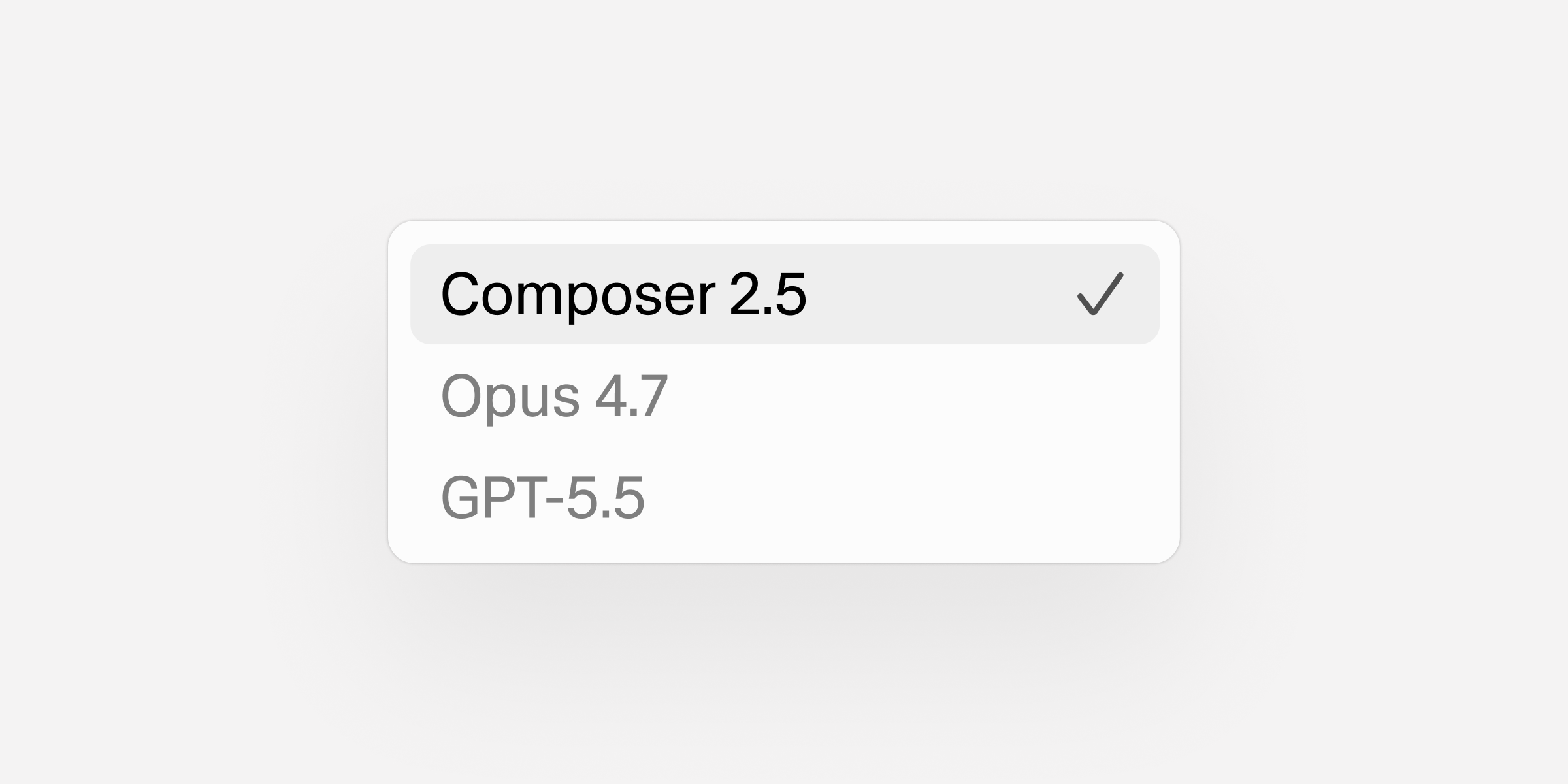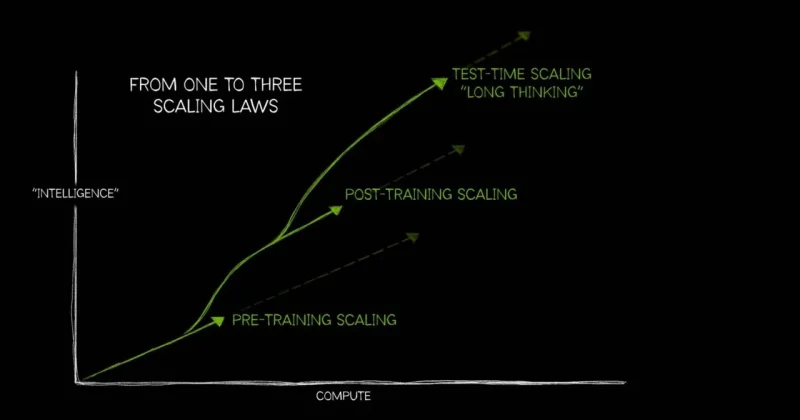
The prevailing Silicon Valley narrative assumes that massive, general-purpose frontier models will inevitably eat every industry vertical. Companies are pouring billions into training behemoths like OpenAI’s GPT-5.5 and Anthropic’s Opus 4.7, expecting raw parameter scale to solve all domain-specific problems.
In software engineering, the reality on the ground looks different. Writing, refactoring, and debugging code consumes a massive volume of tokens. For the vast majority of daily engineering tasks (e.g., adding features, fixing bugs, and updating tests) speed and cost matter as much as raw intelligence.
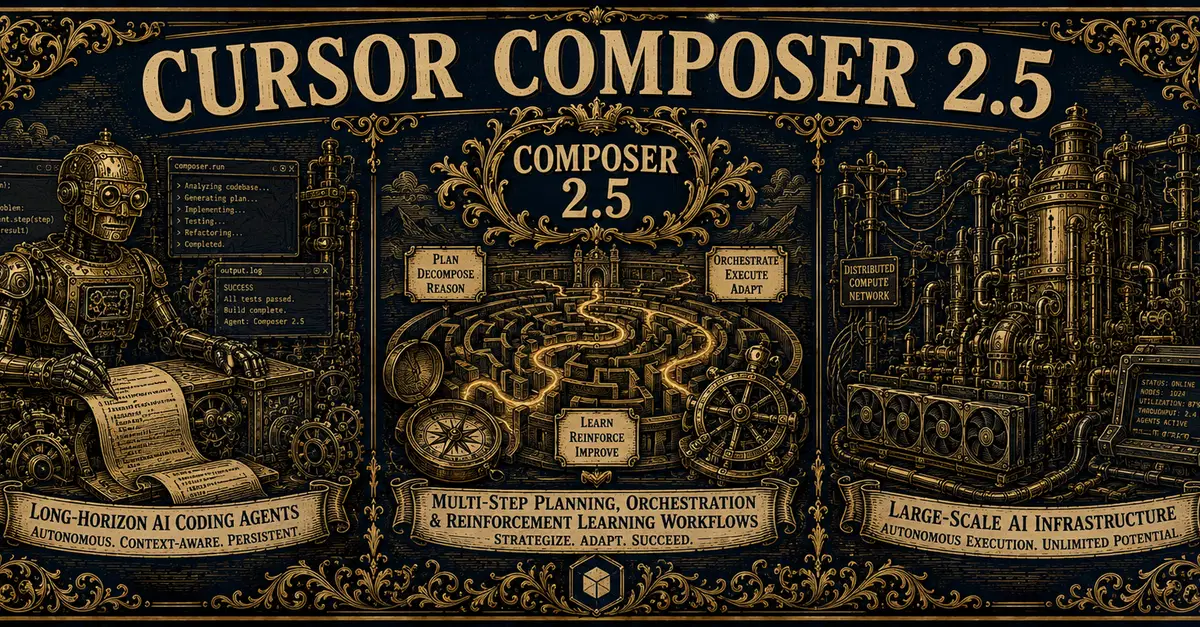
This economic pressure has driven developers toward specialized coding agents. Cursor’s newly released Composer 2.5 model has rapidly become the daily default for many engineers. At $0.50 per million input tokens and $2.50 per million output tokens, it makes high-volume agentic loops financially viable for small teams.
I am on the $200 Claude, $100 Codex, $20 Cursor Plan.After using Composer 2.5 for 8 hours straight while only using 8% of my $20 plan, I should reconsider my entire subscription stack.Maybe $100 Codex for complex stuff, and $60 Cursor for UI & Copy? pic.twitter.com/ajEoPrRaoj— Luckforest (@lubinho_k) May 22, 2026