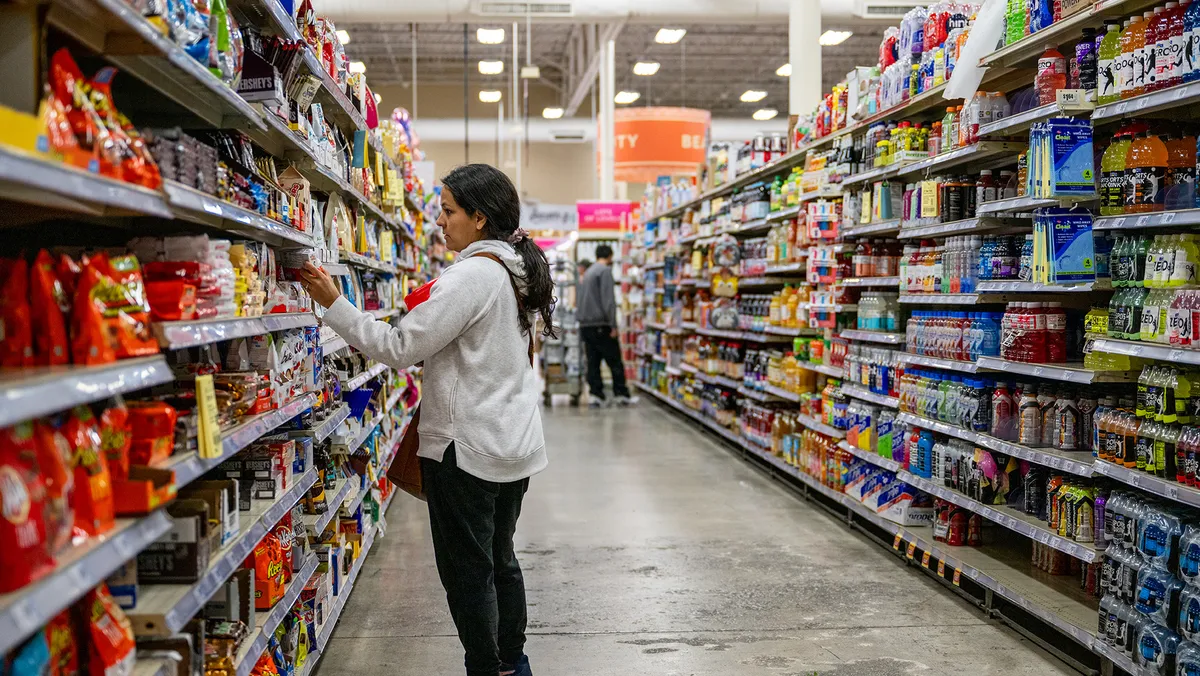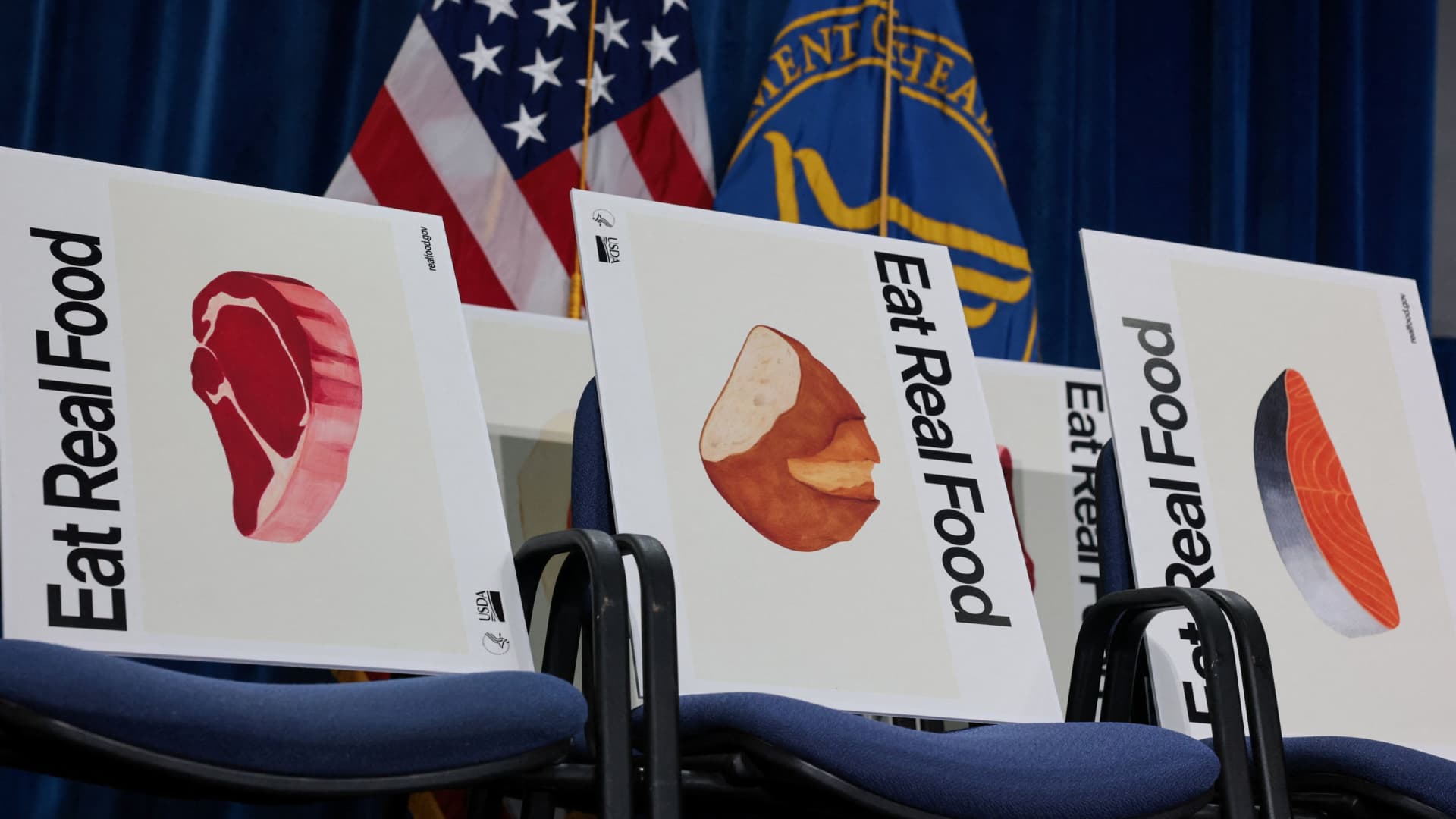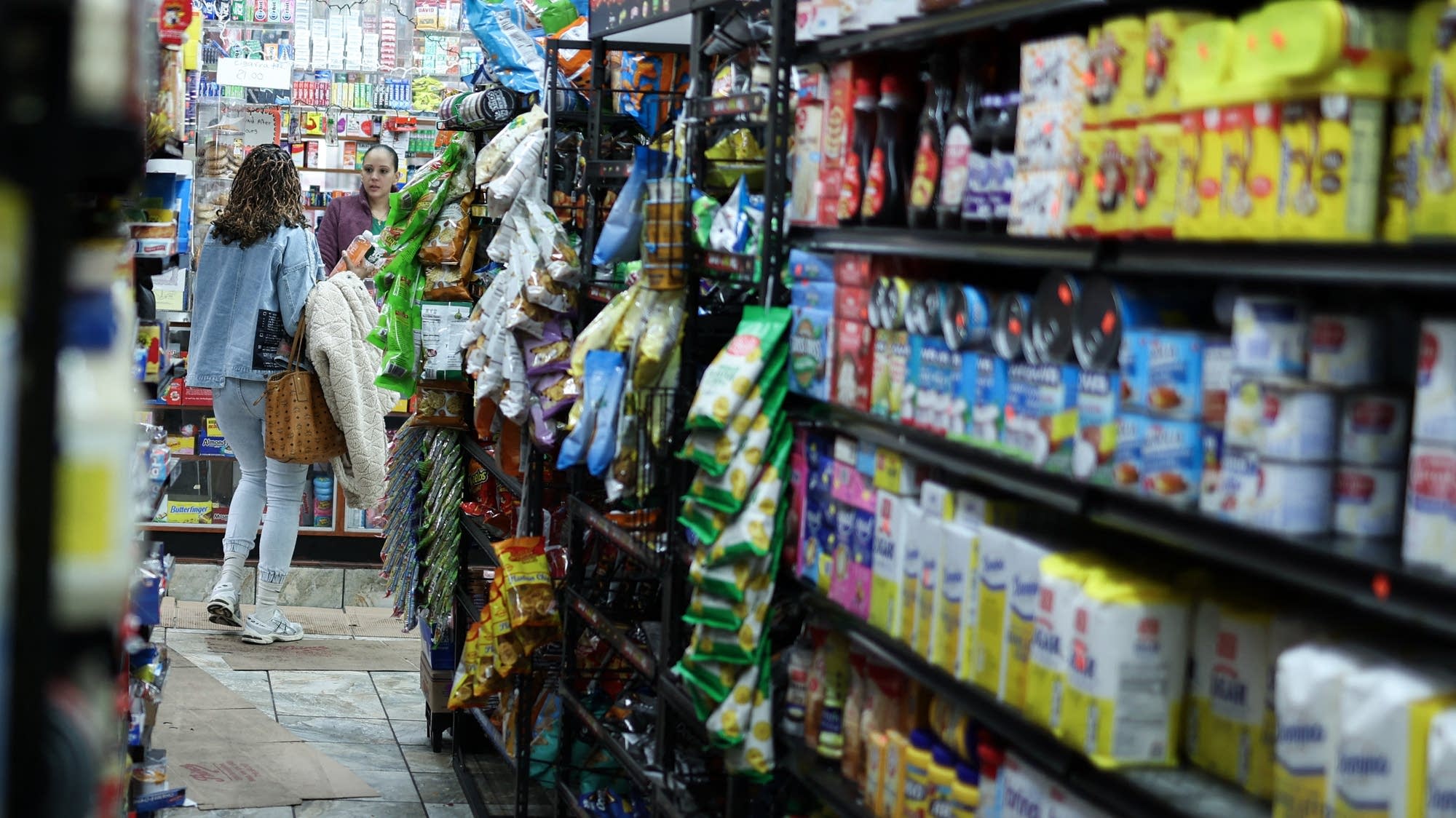
By the end of the year, more than a dozen states are expected to implement their own restrictions on what Supplemental Nutrition Assistance Program funding recipients can actually purchase with their benefits, including limitations on candy and “unhealthy drinks.”On top of that, the U.S. Department of Agriculture recently announced updated “stocking requirements” in an effort to “ensure our nutrition assistance programs emphasize real food first,” according to Agriculture Secretary Brooke Rollins.One place to watch this all play out are convenience stores: the ones that often have attached gas stations, where you can grab a gallon of milk between grocery trips if you’re running low at home.While most SNAP dollars, also known as food stamps or EBT, are spent at supermarkets and grocery stores, about a fifth of SNAP transactions occur at convenience stores, according to a USDA report.Moto Inc. operates 84 of them, mostly in the Midwest. Almost all of their locations accept SNAP, according to company president Rob Forsyth.Forsyth said he is generally supportive of the reasoning behind restricting the use of those food benefits to buy sodas and candy.“It’s just that the devil’s in the details,” he said.While some states have provided lists of specific products that can’t be bought with SNAP dollars, others haven’t, which leaves retailers in those states going through their inventories, comparing ingredient lists to their state’s definition of restricted goods.“Sports drinks are not eligible, so Gatorade is not eligible. But fitness beverages are eligible,” Forsyth said of the rules in Indiana, where Moto has six stores. “And then you say, “Well, what's the difference between sports drinks and fitness beverages?”Forsyth said customers trying to buy items that they used to be able to purchase with their benefits are complaining when they can’t anymore.“They’re disappointed. And they're embarrassed,” Forsyth said. “And they're confused.”In a statement, USDA said the department wants to ensure taxpayer dollars are spent on foods that support “healthy and nutritious lifestyles.”Tatiana Andreyeva, a professor of food policy at the University of Connecticut, said most people buy unhealthy food, not just SNAP participants. “There's no evidence that would show that SNAP participants are buying more unhealthy foods than sort of non-participants,” she said. “Controlling for income, controlling for education.”Though Andreyeva anticipates that, as a result of the restrictions, there will be a reduction in the purchase of sugary drinks. The cash-back app Ibotta shared some early evidence that self-identified SNAP shoppers did change their shopping habits in the states that got waivers to implement the restrictions.“Soda purchase activity decreased 15% in the states where the waivers went into place,” said Ibotta Chief Revenue Officer Chris Riedy. “Compared to 7.5% where they did not go into place.”According to Riedy, a similar pattern was observed for candy purchases.The USDA is also trying to increase access to healthier foods in stores that accept SNAP. The department announced earlier this month that by early November, all SNAP retailers will need to carry at least seven options in each of the “staple food” categories: dairy, vegetables or fruits, grains, and protein. And more of those items offered will have to be perishable. This might have less of an effect at the larger grocery stores where most SNAP purchases happen, and most SNAP dollars are spent. But Shelly ver Ploeg at the National Center for Food and Agricultural Policy said meeting the requirements could be a challenge for smaller stores. “There might be some new administrative costs and just hassle factors to participate in the program,” ver Ploeg said. “They may decide it's not worth participating.”That, in turn, could cause problems for SNAP recipients in areas where a supermarket may be far away.“Those that may lack vehicles or may be constrained in their mobility, if they were using quite a bit of their benefits at smaller stores, and those smaller stores end up leaving the SNAP program, it could really impact their access,” ver Ploeg said.On top of that, with changes to eligibility requirements and fewer people receiving SNAP benefits, there’s less spending by SNAP recipients at participating stores, ver Ploeg said. “That just makes the program less attractive to stores to participate in for that reason, too.”Back at Moto Inc. headquarters, Rob Forsyth said he, too, worries that if smaller stores stop accepting SNAP, that’ll be a disservice to vulnerable SNAP recipients.While he thinks most of Moto’s convenience stores will be able to adapt to the changes, at his smaller stores, he said adding foods like green beans, corn, peas, and diced tomatoes to meet the requirements would take valuable shelf space from better-selling items. Forsyth is hoping for a solution that would make it easier to navigate the restrictions and requirements. Otherwise, the company may make the difficult decision to stop accepting SNAP at some smaller locations, and he anticipates other retailers might come to the same conclusion.“Who can possibly be against making more healthy food available to SNAP recipients? Everybody can agree with that, too,” Forsyth said. “But some ideas are good in theory but bad in practice.”
Smaller stores grapple with how to adapt to changes in SNAP
Retailers are facing restrictions on what products can be purchased using SNAP benefits and new requirements for what foods they should stock.
833 words~4 min read