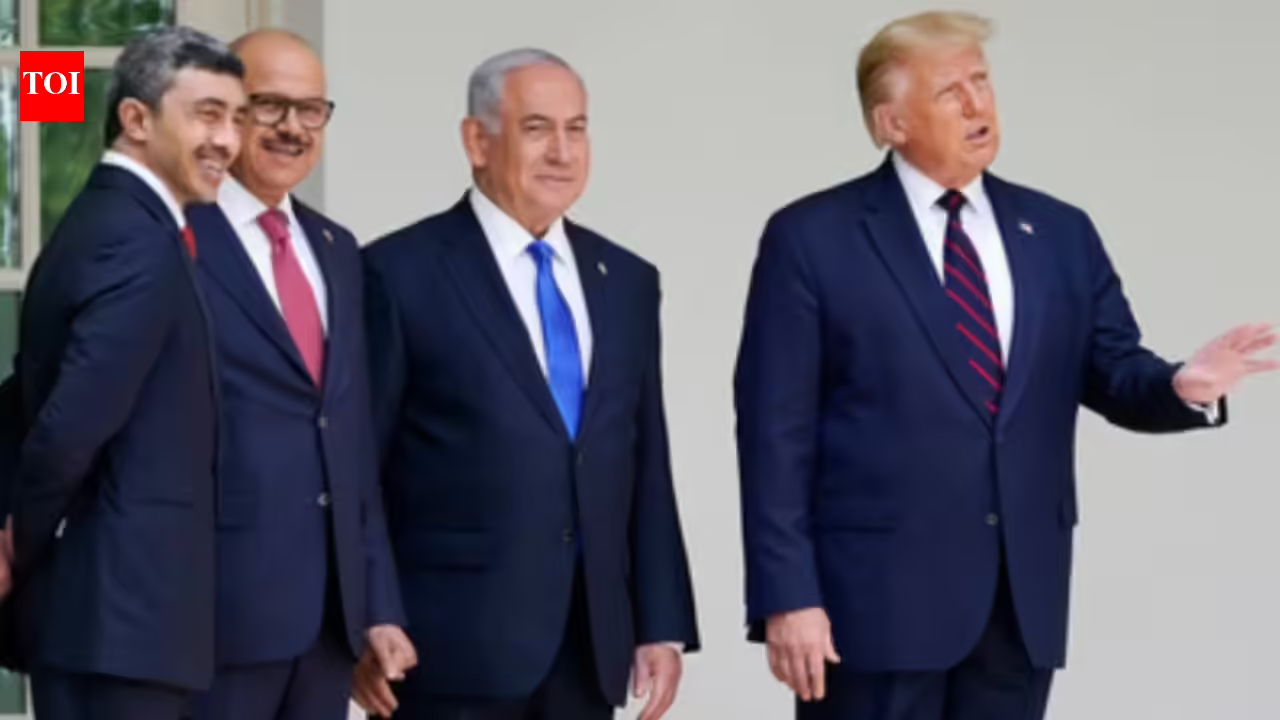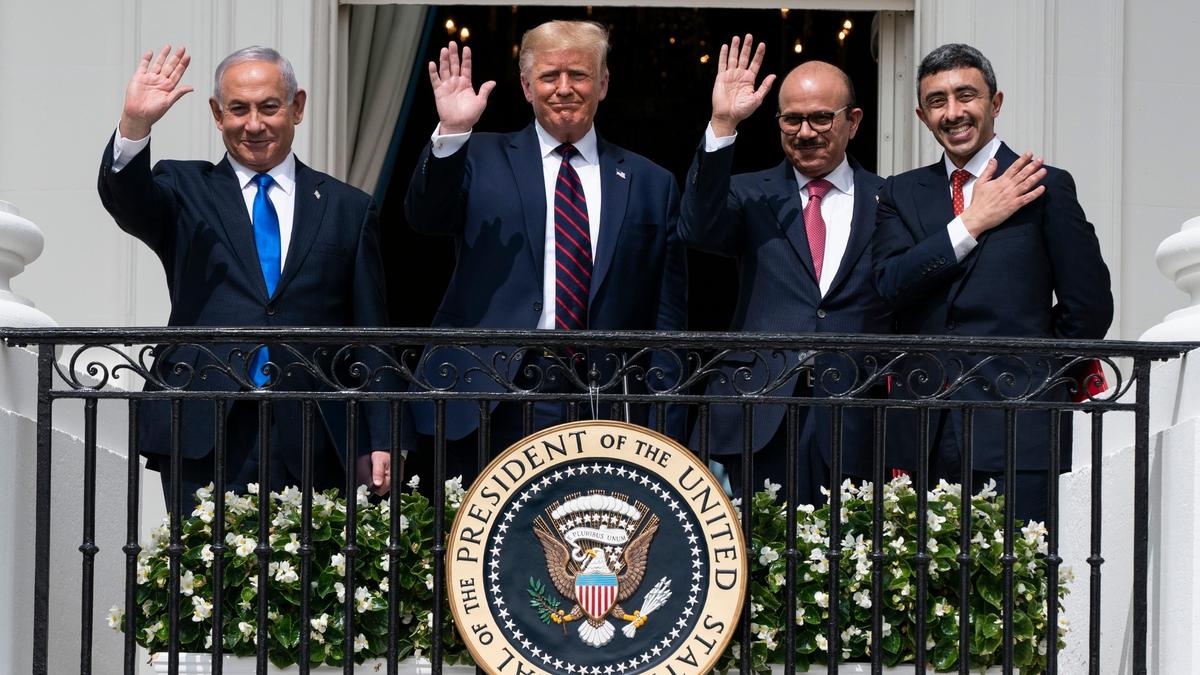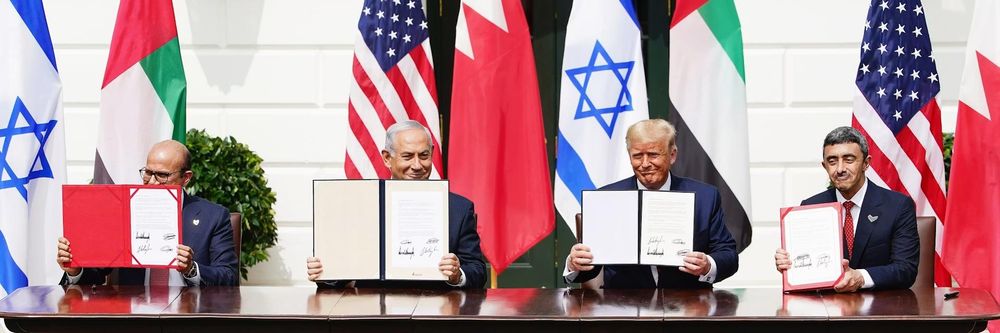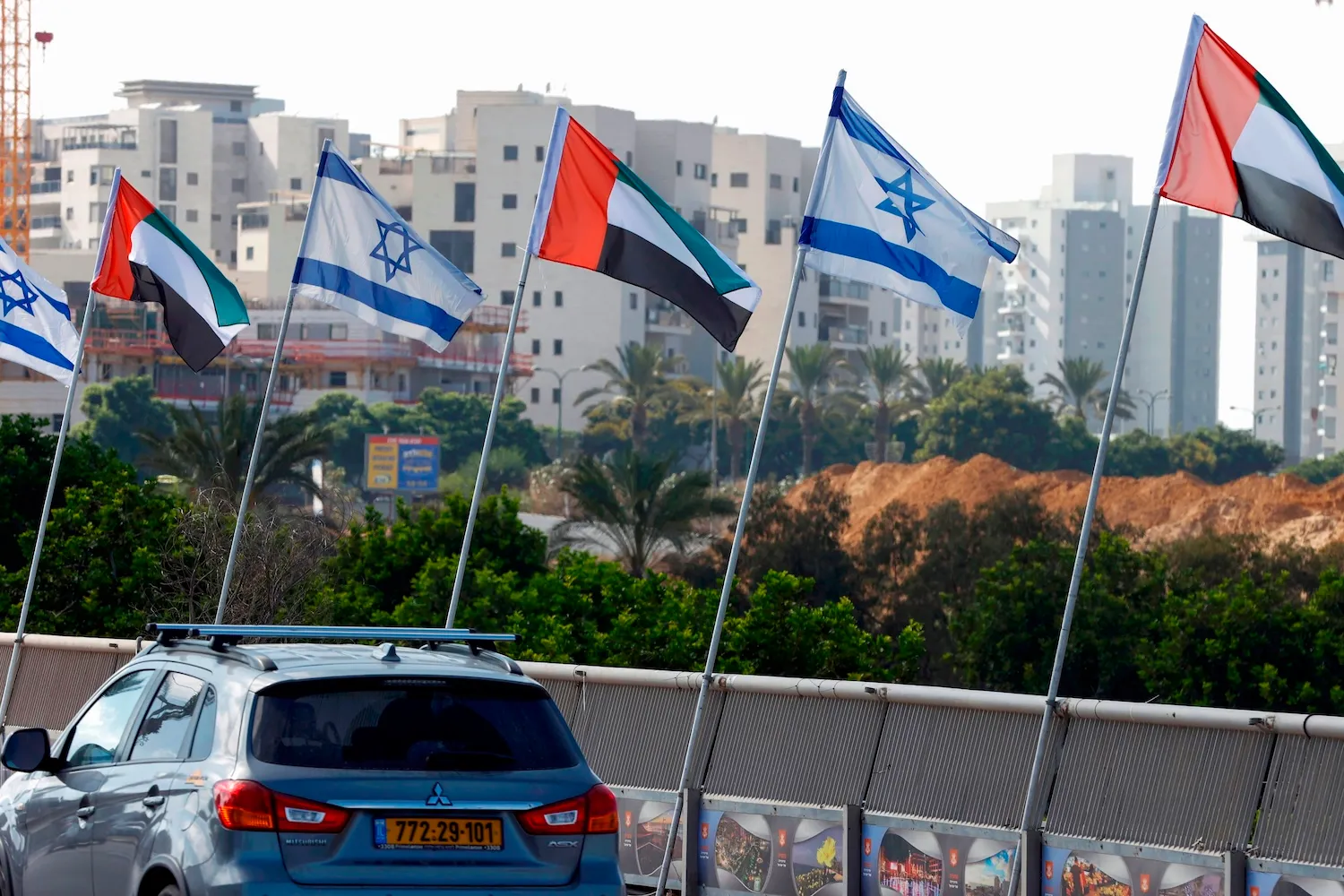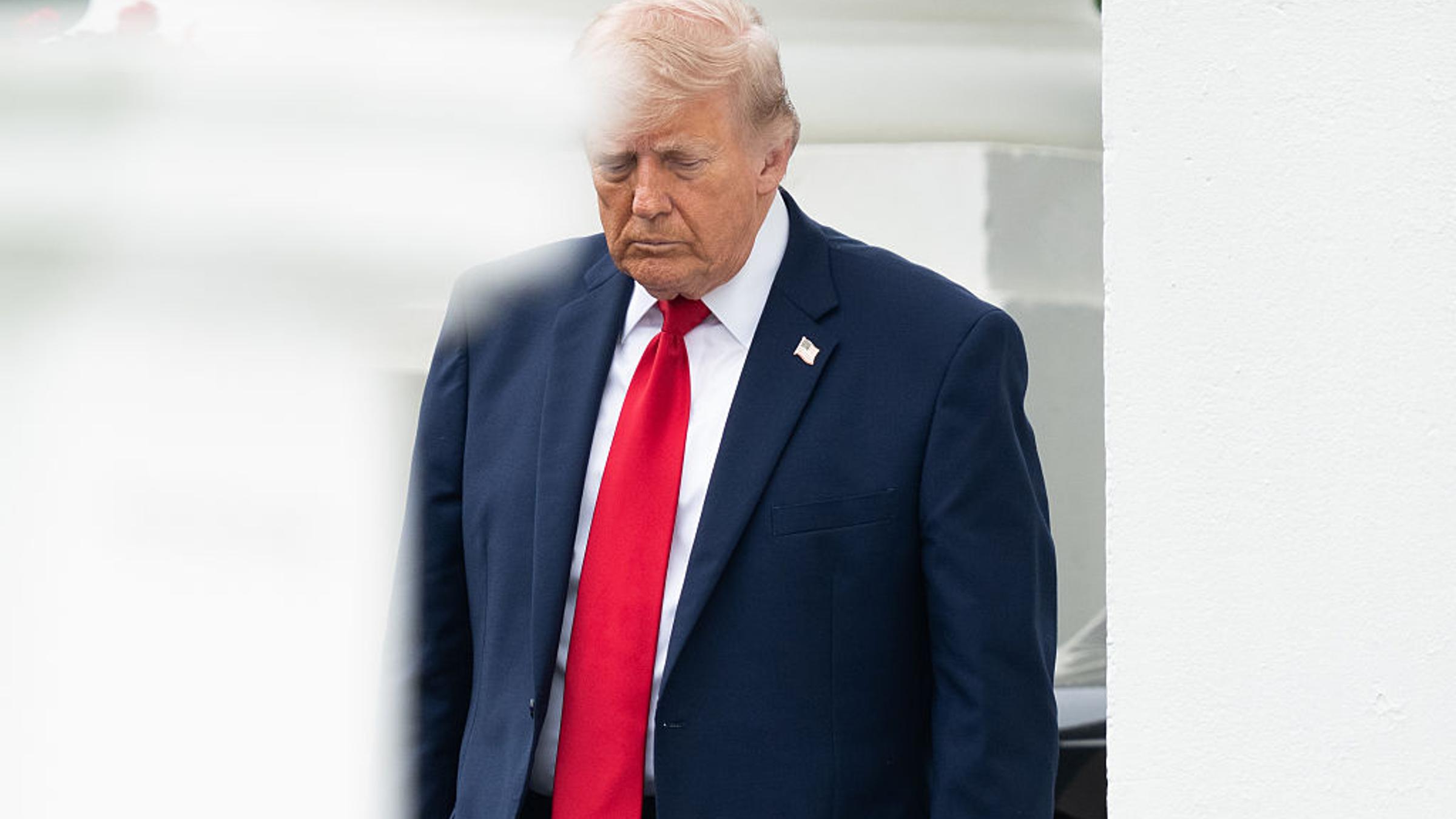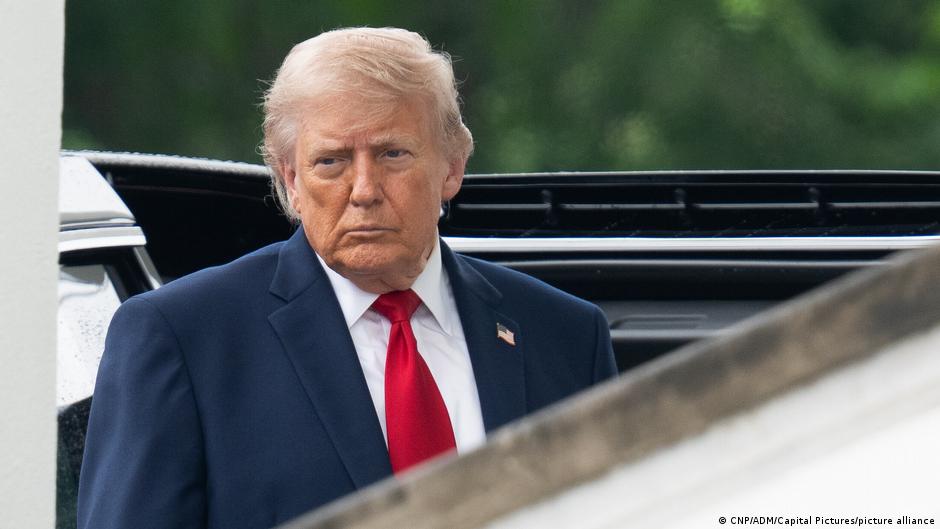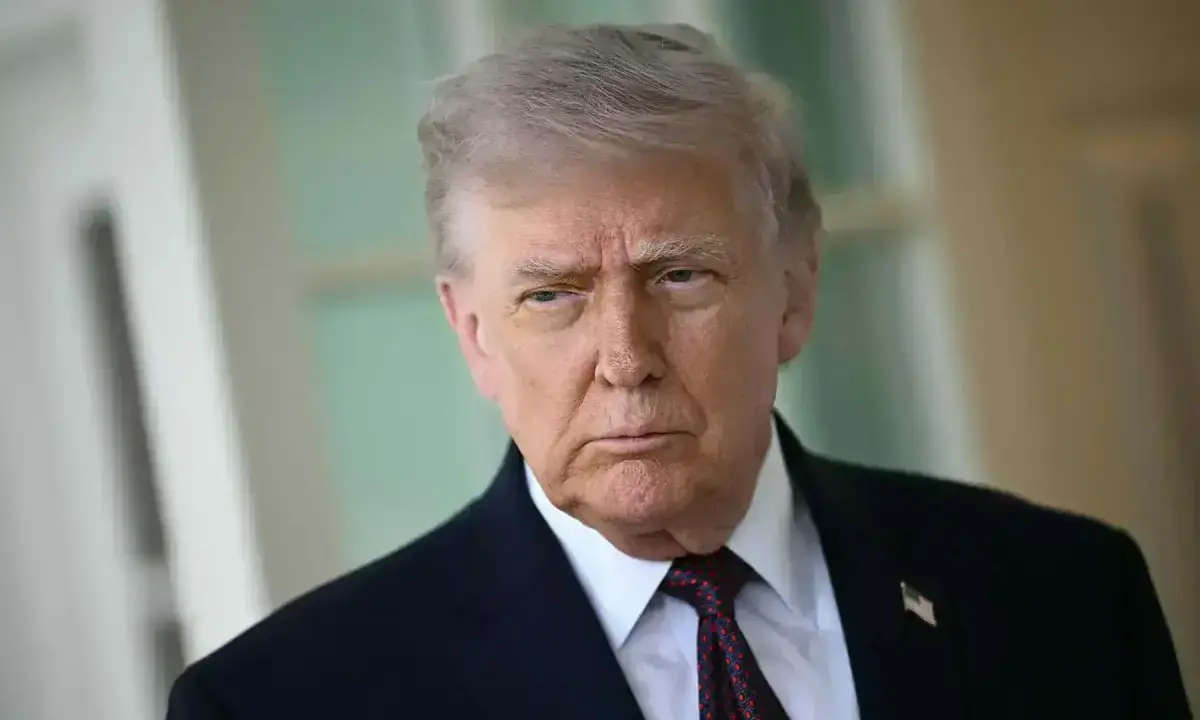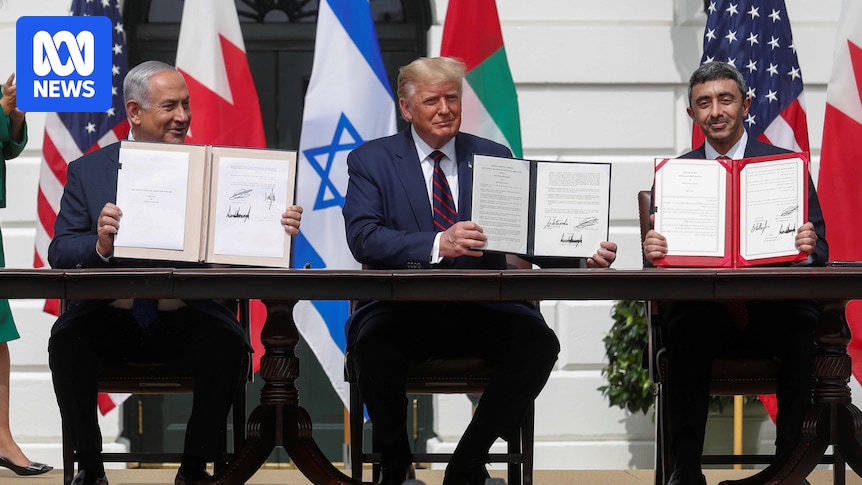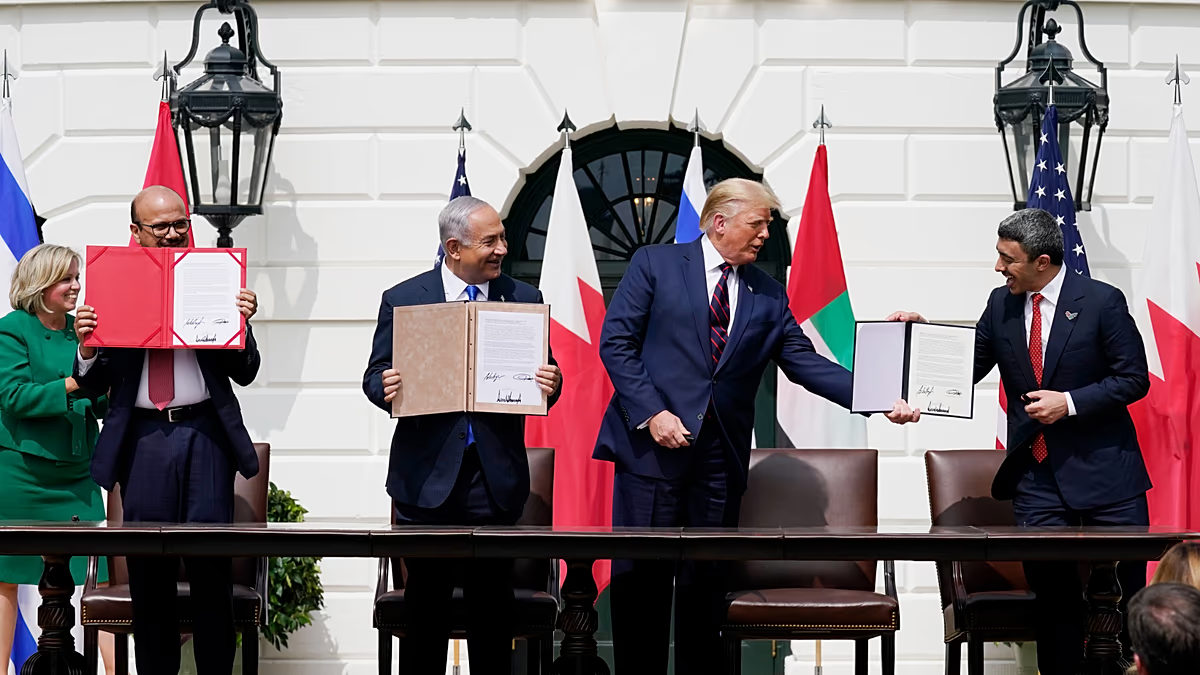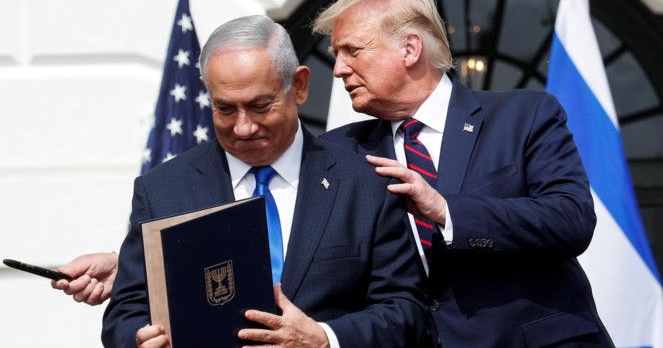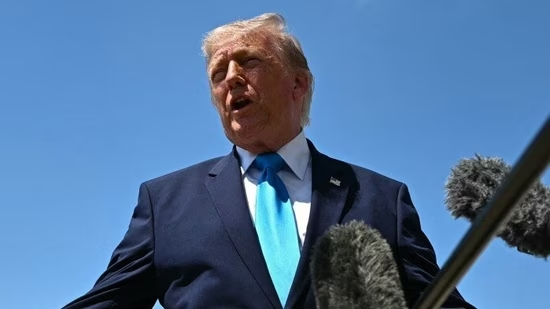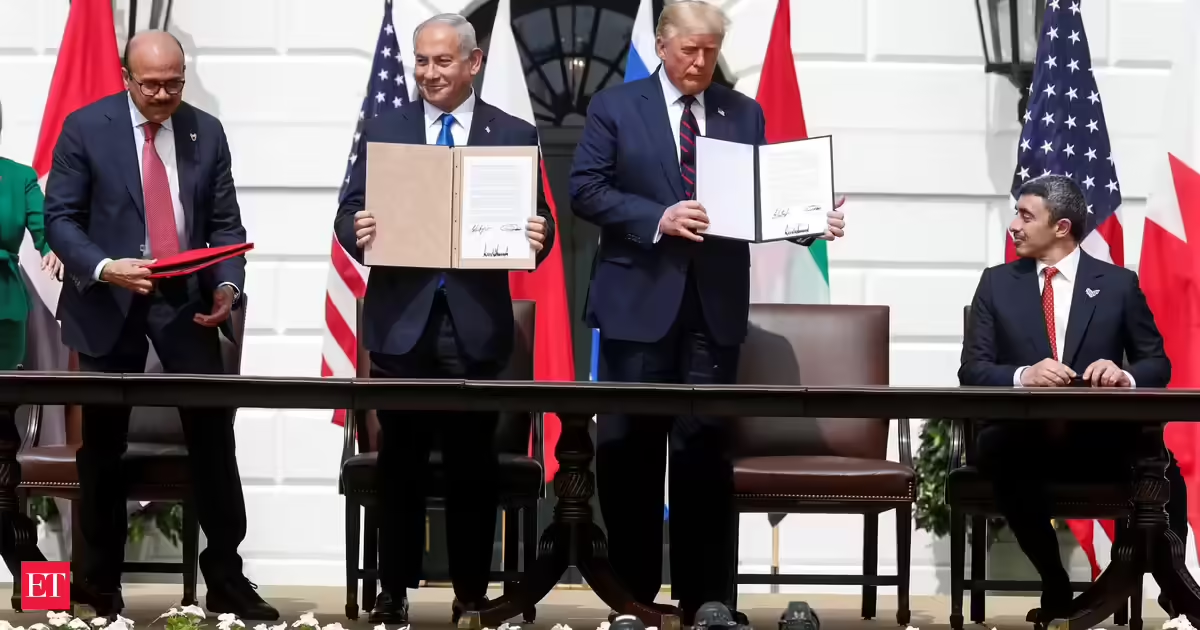
When the Abraham Accords were signed in September 2020, they were hailed as the most consequential diplomatic breakthrough in the Middle East since the Egypt-Israel peace treaty of 1979. The United Arab Emirates and Bahrain agreed to normalize relations with Israel — not in secret backrooms, but in a sunlit White House ceremony, cameras rolling, flags flying. Morocco and Sudan followed shortly after. The deal shattered a taboo that had calcified over decades: Arab governments simply did not recognize Israel while the Palestinian question remained unresolved. The accords said otherwise. And the question of whether that gamble actually paid off — and what Trump is now trying to do with it — is more urgent than ever.On May 25, 2026, President Donald Trump escalated that gamble dramatically. He publicly called on Saudi Arabia, Qatar, Pakistan, Turkey, Egypt, and Jordan to join the Abraham Accords as part of a broader deal tied to Iran ceasefire negotiations. Pakistan rejected the proposal within hours. The others stayed silent — a silence that speaks volumes about the limits of top-down diplomatic pressure in a region shaped by deep public mistrust, historical grievance, and the still-raw reality of the Gaza war.Abraham Accords — key moments2020: UAE and Bahrain sign in September; Morocco and Sudan follow by December. The deals are brokered during Trump's first term. 2021: Biden administration endorses the accords but does not push expansion. US-Saudi normalization talks quietly advance.2023: Gaza war begins in October. Saudi-Israel normalization talks collapse. Arab street opinion hardens sharply against Israel.2025: Trump returns to the White House and immediately signals intent to revive and expand the Abraham Accords.2026: Trump links Iran nuclear deal to mass Abraham Accords expansion — calling on six nations to sign simultaneously.What the Abraham Accords actually achieved — and what they didn'tThe accords were real. Trade between the UAE and Israel surged from near zero to over three billion dollars within two years. Airlines launched direct flights. Israeli tourists walked through Dubai's malls. Tech partnerships, intelligence sharing, and quiet military cooperation deepened in ways that would have been unthinkable a decade earlier. The UAE's Abraham Accords were, in a functional sense, working — at least as a business and security arrangement between governments that already shared a common concern about Iran.But the accords were never designed to resolve the Palestinian issue. They deliberately sidestepped it. The original framework offered no roadmap to Palestinian statehood, no halt to settlement expansion, and no formal commitment from Israel on Palestinian rights. Critics, including Palestinian leadership, called them a betrayal — a normalization that gave Israel diplomatic rewards without extracting meaningful concessions. This was always the accords' structural flaw, and the Gaza war tore that flaw wide open."Trump is trying to sell an Iran deal as an Abraham Accords sequel: good for Israel, good for the region, tough enough for Washington. But he is trading one fantasy for another."— Ali Vaez, Iran Project Director, International Crisis Group When Israeli forces began their military campaign in Gaza after October 7, 2023, public opinion across the Arab world — and even in countries that had signed the accords — turned sharply against normalization. The UAE and Bahrain did not withdraw from the agreements, but they publicly criticized Israeli military operations. The architecture held, but only barely, and only because the governments involved had insulated their diplomacy from their own populations' fury. That insulation has a breaking point.Why Saudi Arabia is the real prize — and why it remains out of reachSaudi Arabia was always the crown jewel of any expanded Abraham Accords vision. The kingdom controls the two holiest sites in Islam. Its recognition of Israel would carry symbolic and geopolitical weight that no other Arab state could match. A Saudi-Israel normalization would effectively reorder the Middle East's diplomatic architecture — and it would do so in a way that marginalized Iran, which has built much of its regional influence around positioning itself as the defender of Palestinian resistance.Riyadh has been consistent: it will not normalize relations with Israel without a credible, binding commitment to Palestinian statehood. That position is not merely diplomatic posturing — it reflects genuine domestic political constraints. Crown Prince Mohammed bin Salman has consolidated power to a remarkable degree, but even he cannot openly recognize Israel while Israeli forces are conducting large-scale military operations in Gaza that have killed tens of thousands of Palestinians. The math does not work, and Trump demanding it happen "mandatorily" does not change the math.Qatar, Turkey, and Egypt occupy different positions. Egypt and Jordan have had formal diplomatic relations with Israel for decades, though both have seen those ties strain severely since the Gaza war began. Turkey under Erdogan has been openly hostile to the Netanyahu government. Calling on all six nations to join the accords simultaneously, in a single sweeping gesture tied to an Iran deal, reflects either extraordinary optimism or a political strategy aimed at something other than actual diplomatic outcomes.Is Trump trading one fantasy for another?That is the sharpest critique, and it deserves to be taken seriously. The logic of linking an Iran nuclear deal to Abraham Accords expansion is not without a certain internal coherence. If Iran agrees to constrain its nuclear program, Trump can present the deal as a historic realignment — not just arms control, but a new Middle East order in which Arab states and Israel stand together against Iranian influence. Senator Lindsey Graham called such an outcome "beyond transformative." In theory, it would be.The problem is that theory and Middle Eastern reality have a troubled relationship. Iran has not agreed to anything yet. The nations Trump is calling on have not consented. Gaza is still burning. And the Abraham Accords, as an instrument, were designed for a specific kind of government-to-government normalization between states that had strategic alignment but lacked formal ties. They were not designed for mass expansion under political pressure, or for countries with deep popular opposition to Israel, or for linkage to an entirely separate nuclear negotiation.Pakistan's swift rejection underlined the limits. Islamabad has long declined to recognize Israel, and doing so now — while Gaza dominates global headlines and Pakistani public opinion is deeply sympathetic to Palestinians — would carry significant domestic political risk for any government. A Pakistani source familiar with the matter said directly that the two issues were "not interlinked and cannot be made so." That framing was not just a rejection of the specific ask; it was a rejection of the entire diplomatic logic Trump was deploying.It depends entirely on what you measure. If you measure trade flows, travel, and business investment, the original Abraham Accords unquestionably delivered. The UAE-Israel relationship became one of the fastest-growing bilateral economic partnerships in the region. Morocco's normalization opened up tourism and agricultural trade. These are real outcomes for the governments and businesses involved.If you measure stability, Palestinian progress, or regional legitimacy, the picture is far grimmer. The accords did not bring the Palestinians closer to statehood. They did not deter the October 7 attack. They did not prevent the subsequent Gaza war from becoming the most destabilizing regional event in a generation. And they have not prevented the Arab street from viewing normalization as a form of abandonment — a wound that shapes how any future expansion will be received.The Abraham Accords created something real between a small number of governments with aligned interests. They did not create a new regional order. Trump is now trying to retrofit them as the foundation for exactly that — a sweeping framework that encompasses Iran containment, Palestinian resolution, and Arab-Israeli peace simultaneously. The ambition is not small. But ambition and execution are different things, and in the Middle East, the gap between them has swallowed larger diplomatic projects than this one."For Saudi Arabia — birthplace of Islam and custodian of its two holiest sites — recognizing Israel is not just a diplomatic milestone. It is a deeply sensitive national security issue tied to one of the region's most intractable conflicts."— Reuters, May 25, 2026The Iran negotiations are ongoing, and Trump has said they are "proceeding nicely" — though no deal is imminent. If a nuclear framework does emerge, the Abraham Accords expansion push will likely be tested again. At that point, the question will not be whether governments receive the call from Washington, but whether they have the domestic political space to say yes. Right now, most of them do not.Gaza remains the central variable. Any significant reduction in the scale of Israeli military operations — or, more dramatically, a ceasefire and credible political process — would change the political calculus for several of these governments. Saudi Arabia in particular has indicated that a pathway to Palestinian statehood, even an imperfect one, could open the door to deeper engagement. Without that pathway, the demand for normalization puts governments in an impossible position: they would be rewarding Israel diplomatically at precisely the moment their publics view Israel's actions most harshly.
The Abraham Accords: The boldest Middle East gamble in decades, did it actually work? Here's all about it
Abraham Accords: Trump just called six Muslim nations to sign the Abraham Accords — live, out loud, tied to an Iran nuclear deal. Pakistan said no. The rest went silent. This is the biggest Middle East normalization push since 2020. And the world is watching to see if it cracks — or holds.
1,487 words~7 min read