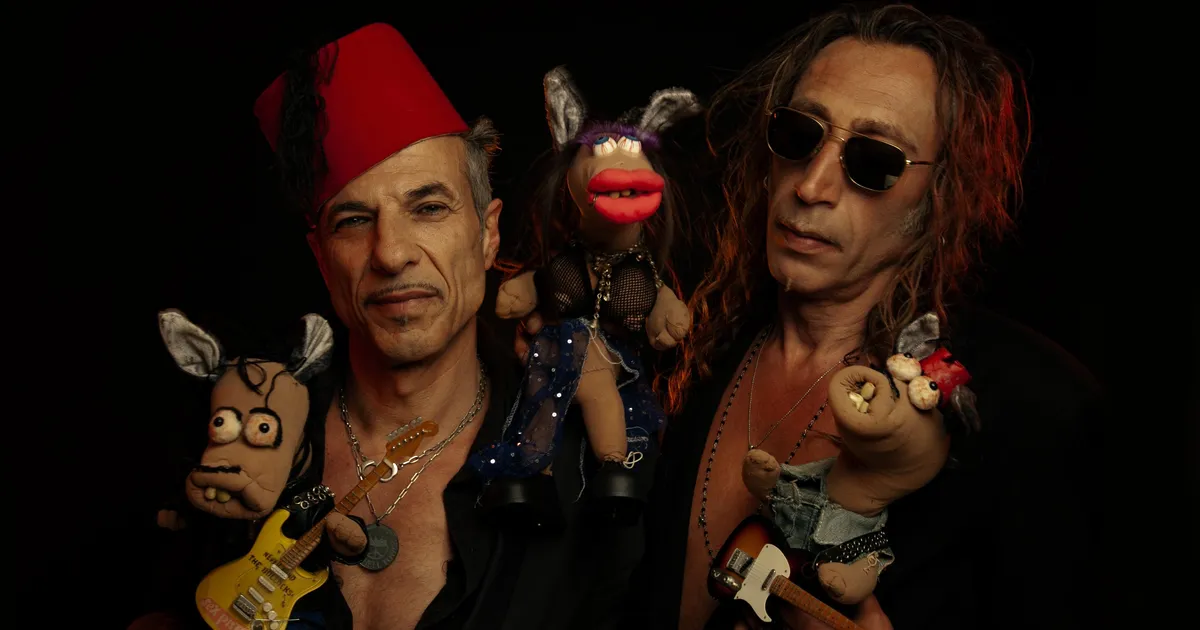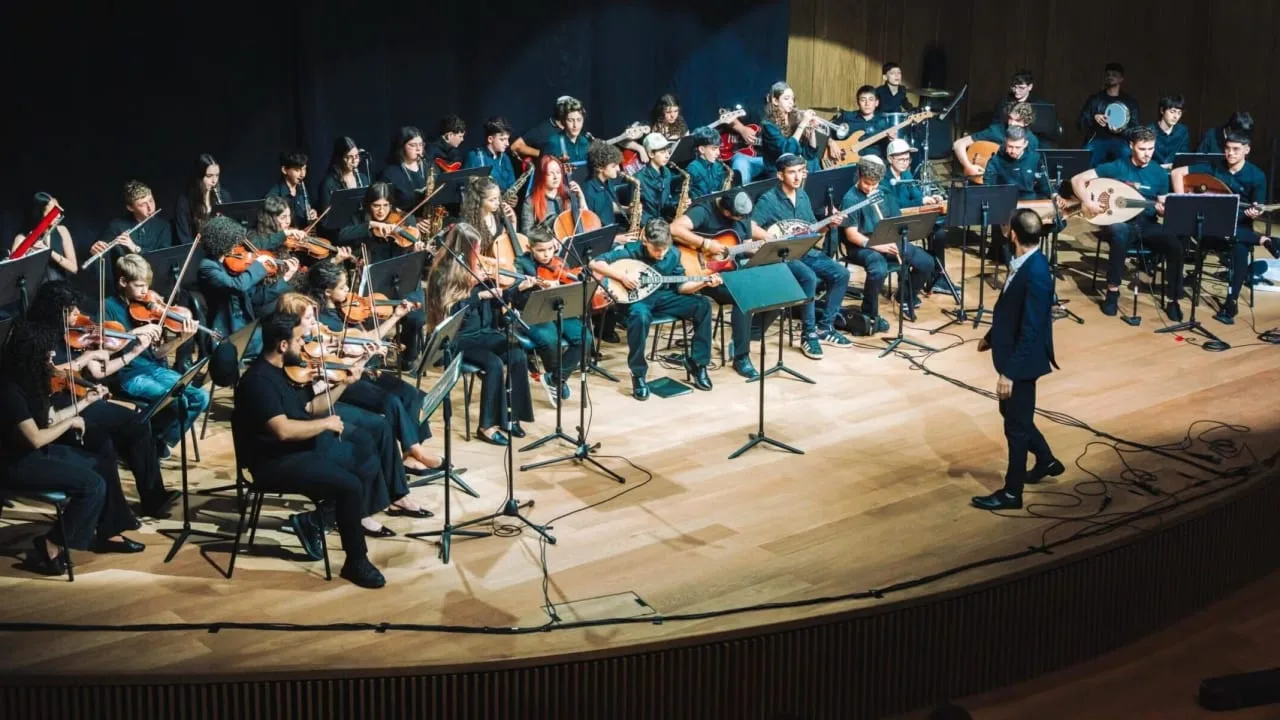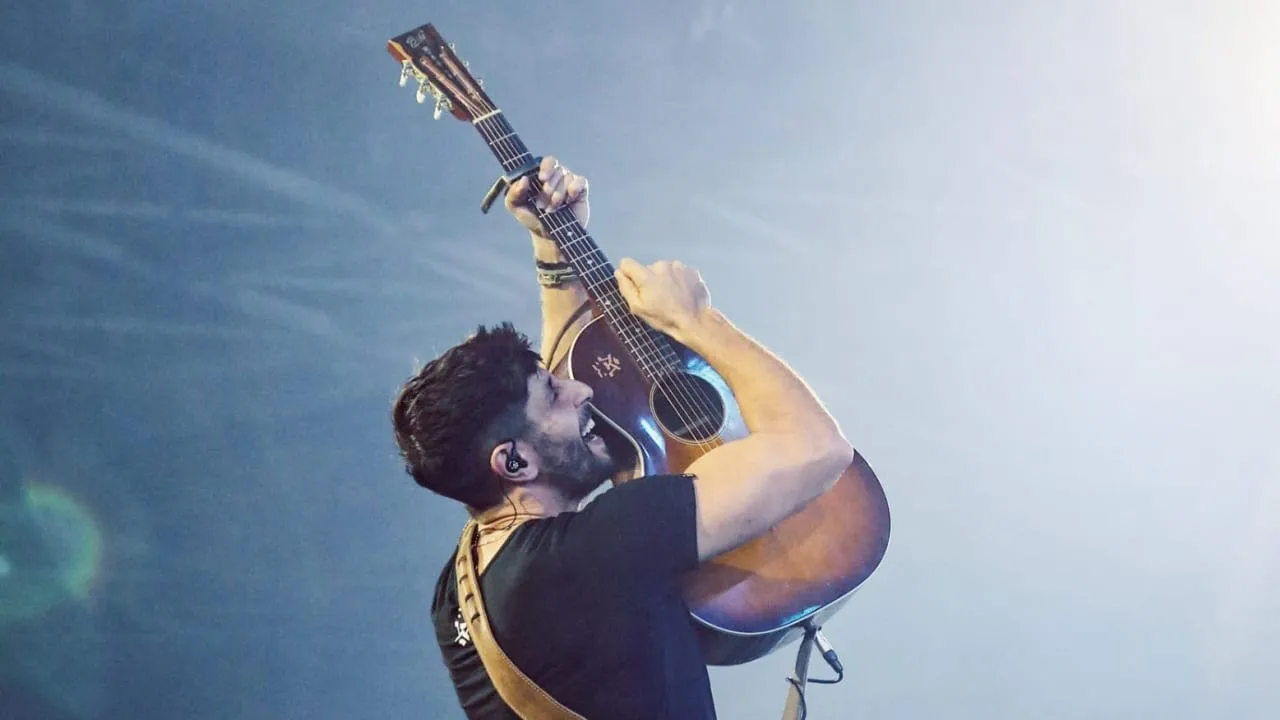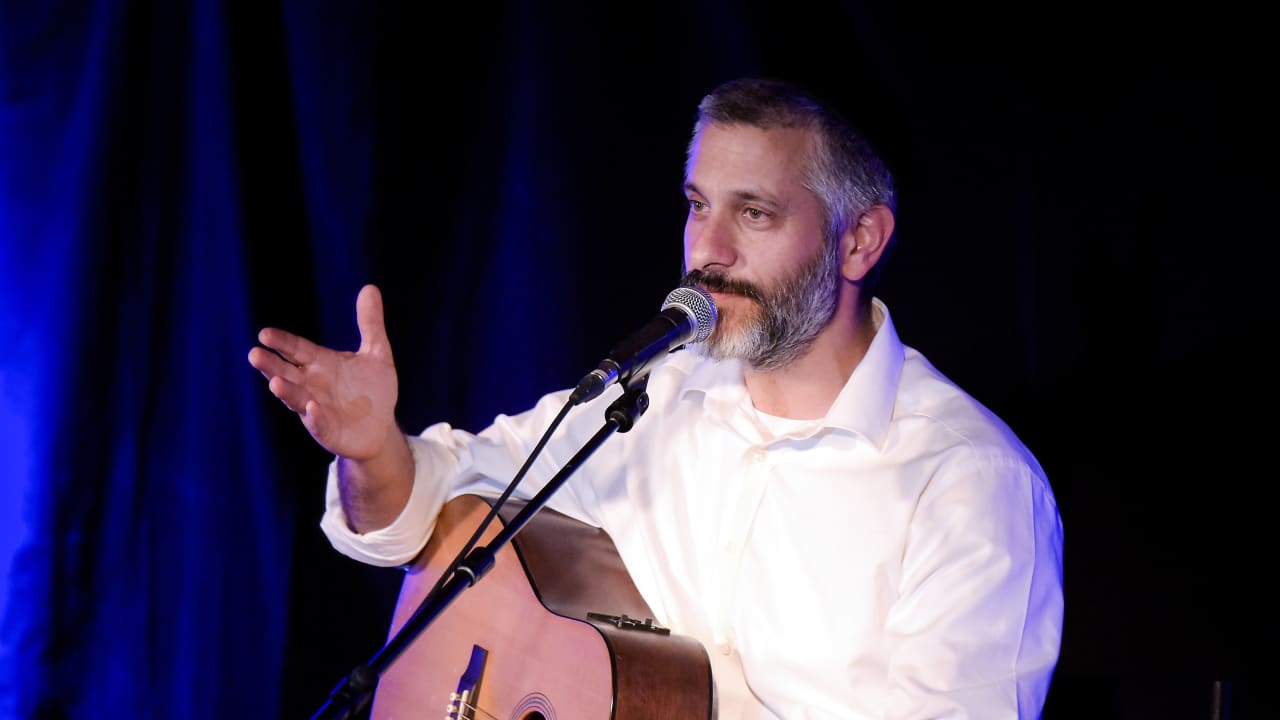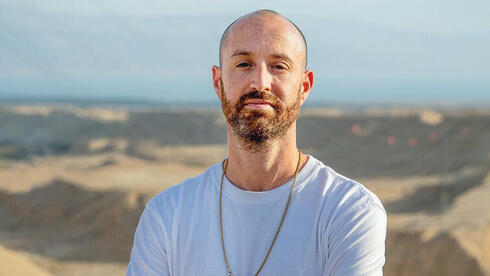
Ofakim’s Madarom festival brings together music, local voices and family events in a city scarred by Oct. 7; Jimbo J, evacuated from Kibbutz Or HaNer, says his wartime album explores return and recovery near GazaThe festival will open with “Looking Directly,” a stage event at Friendship Park featuring women from the western Negev alongside Dikla, one of Israel’s best-known singers, whose music blends pop, soul and Middle Eastern influences.On Wednesday, Israeli rapper and spoken-word artist Jimbo J will perform at Mona Lisa, a local bar established by the Ayalim Association and the Ofakim municipality. Ayalim is an Israeli nonprofit that promotes community life and social projects in the Negev and Galilee.For Jimbo J, whose real name is Omer Habron, the performance carries a personal charge. He lives in Kibbutz Or HaNer, a community near the Gaza border, and was forced to evacuate during the war with his wife and two daughters.“Every performance in the western Negev after October 7 carries the memory of what happened here,” he says. “By the way, so does every trip to the supermarket. In the first two years after the disaster, playing here was mainly charged, and the music felt like morale-building, an attempt to bring some kind of optimism. As time passes, I feel more of the healing power of music, and the ability to come and play out of a kind of healthy routine. Emphasis on a kind of.”In January, Jimbo J released "Everything Is Fine," an album written and recorded against the backdrop of October 7 and the war that followed. It became one of the most praised Israeli albums of the year and strengthened his standing as one of the country’s most distinctive contemporary musicians.Almost every possible superlative has been attached to the album. Did that surprise you?“The reactions are heartwarming. The album describes my personal experience as someone who returned to live in the Gaza border area after eight months of evacuation, and my view of the rehabilitation process there,” he says. “I was pleasantly surprised by the embrace it received, because I did not know whether people wanted to dive into songs that deal directly with a war we are still experiencing. There is an element of picking at the wound.1 View gallery Jimbo J (Photo: Dan Yehuda)“When I wrote the album, I thought it would come out after the war, at a time when we would already be nostalgic about it. But in the end, it came out before the second round with Iran, and in that sense it resonated differently in reality than I had imagined. Songs written about the Gaza border area suddenly sounded like songs about Tel Aviv, and the cliché that we are all in the same boat unfortunately became relevant.”Jimbo J will also mark the album’s release with a performance in Sderot, another southern city deeply identified with Israeli music from the Gaza border area, where he will host Haim Ulliel, a veteran musician associated with the city’s influential music scene. He will also perform at the Barby club in Jaffa Port with Kobi Oz, the frontman of the Israeli band Teapacks and one of the best-known voices to emerge from Sderot.“Beyond the fact that I am excited to host two artists who are godfathers of music in Sderot, I am excited to sing the exposed songs from the album on stage for the first time,” he says. “I am always excited to meet an audience, but meeting them with these songs gives me weak knees in the best possible way.”
Israeli rapper Jimbo J returns south: ‘Every show after October 7 carries memory’
Ofakim’s Madarom festival brings together music, local voices and family events in a city scarred by Oct. 7; Jimbo J, evacuated from Kibbutz Or HaNer, says his wartime album explores return and recovery near Gaza
588 words~3 min read