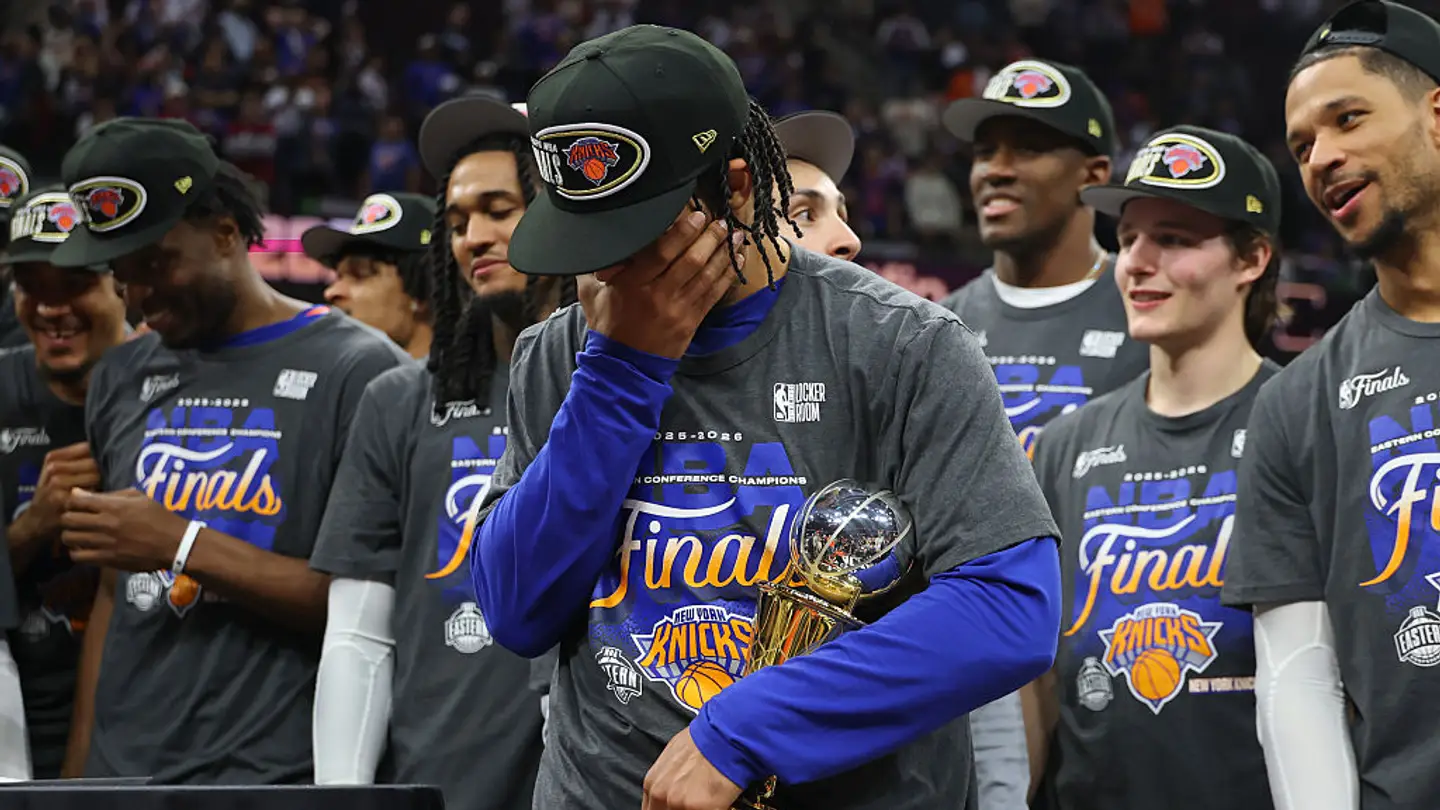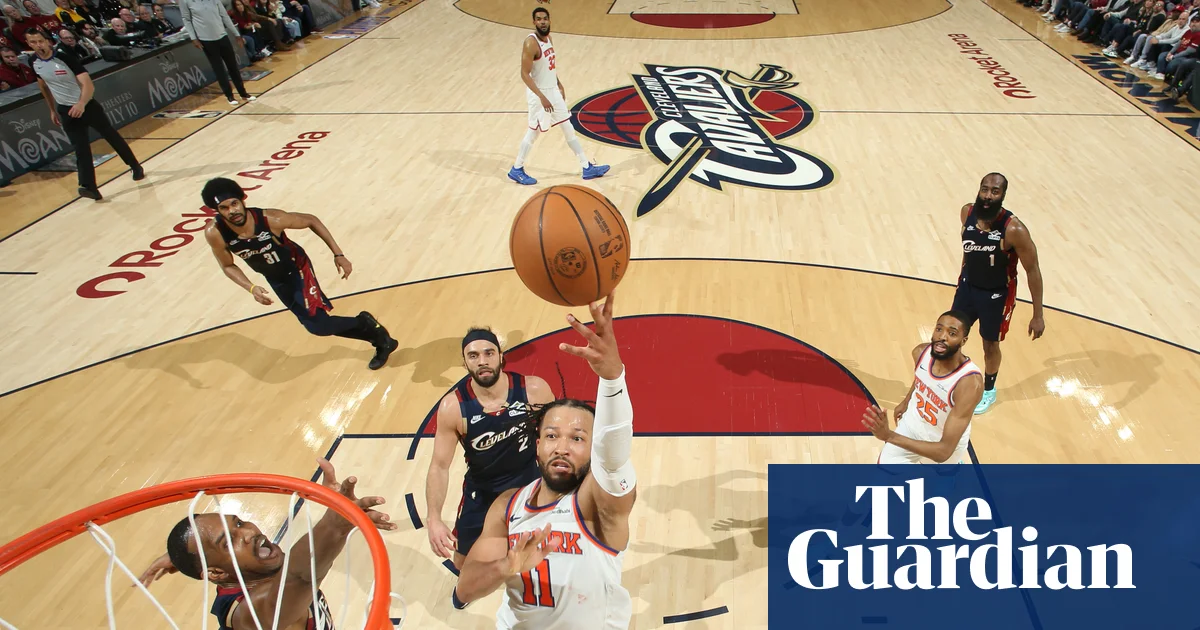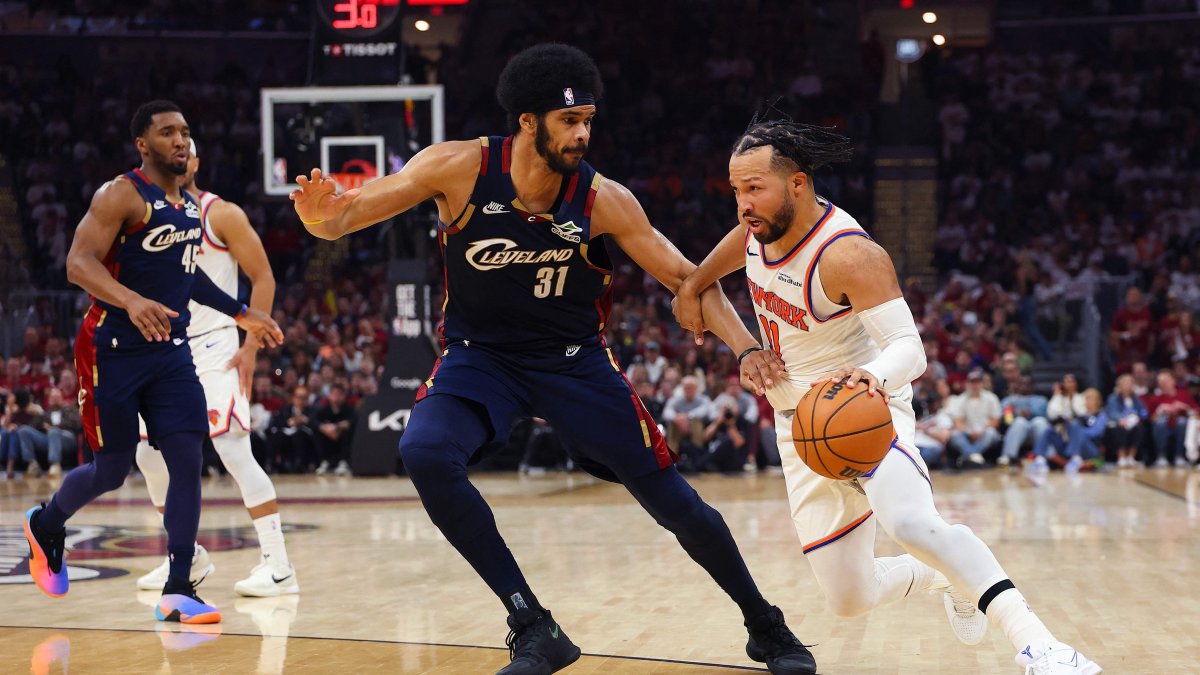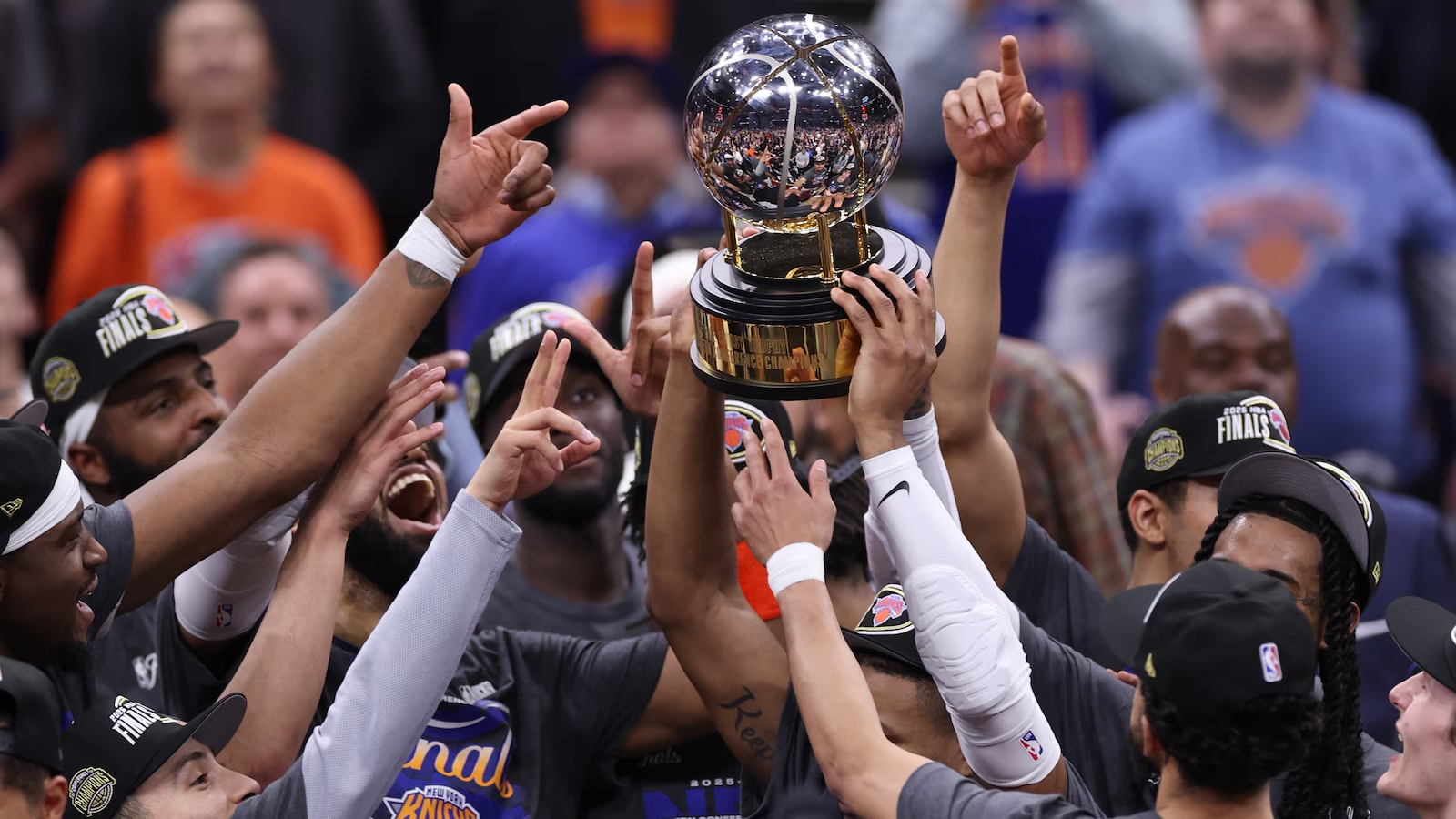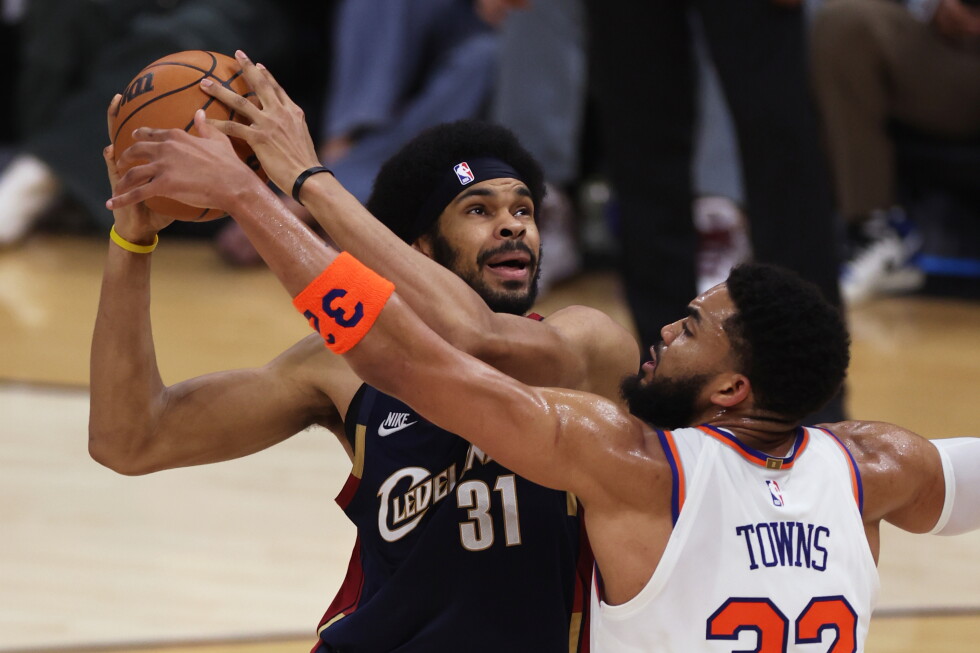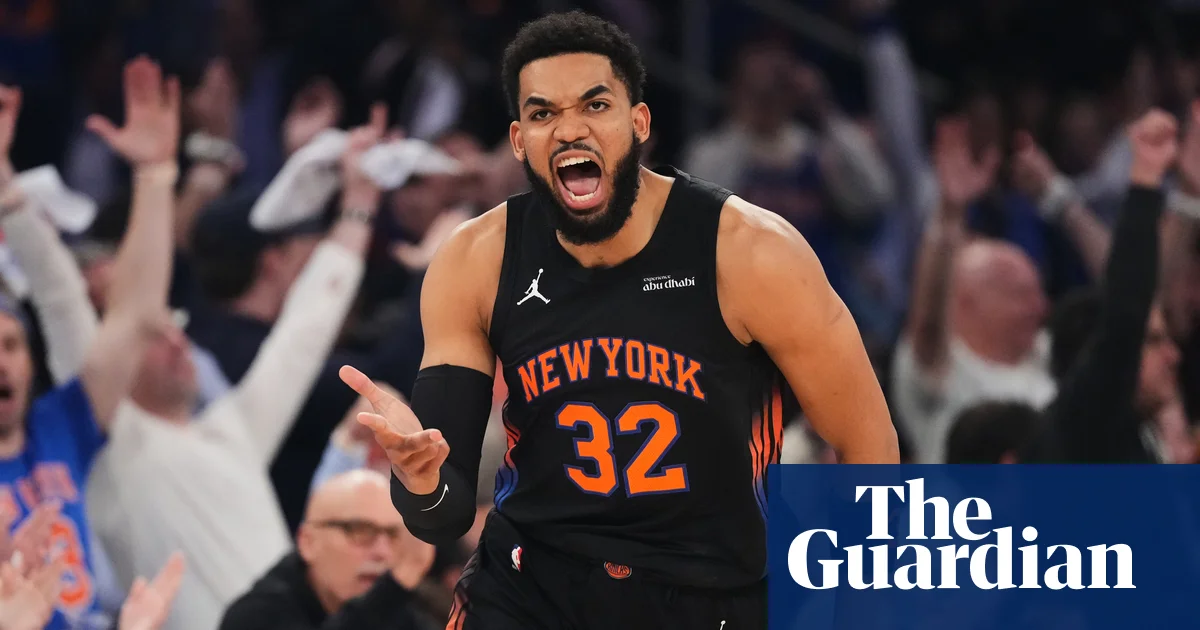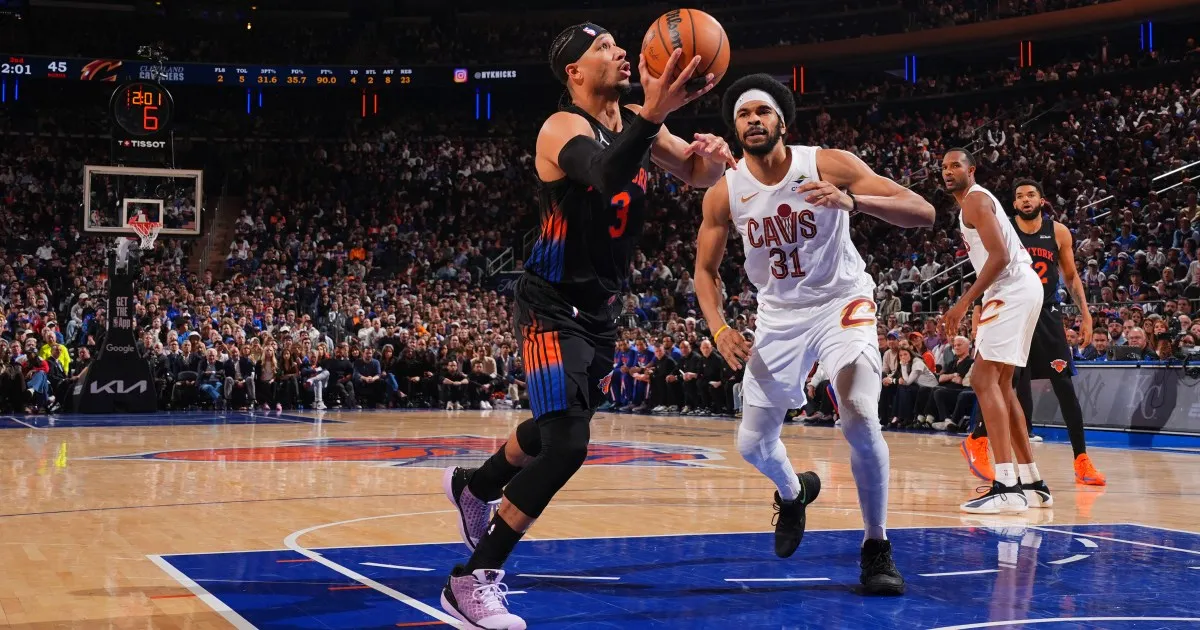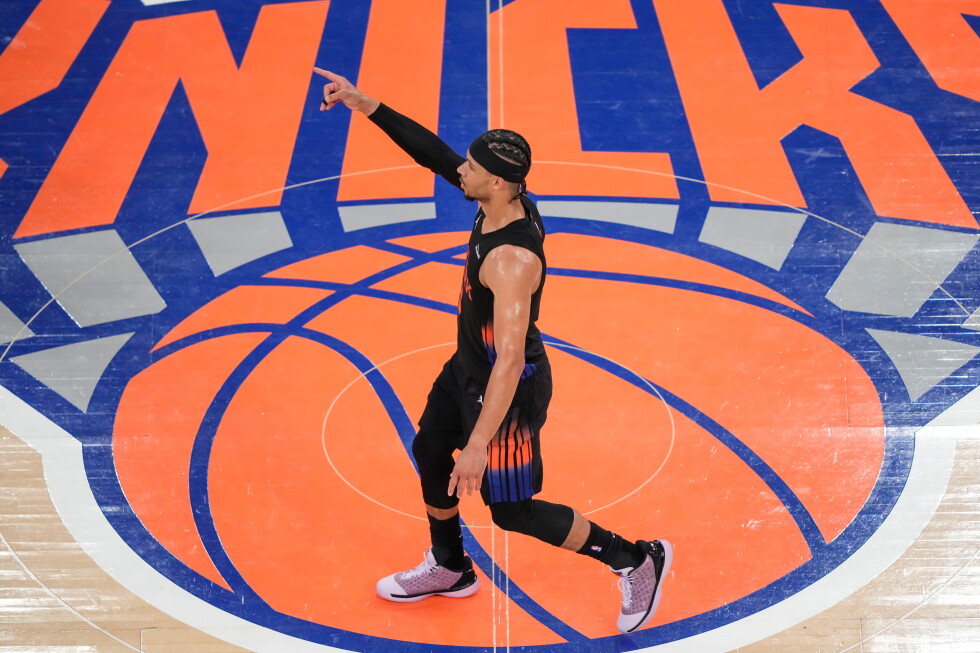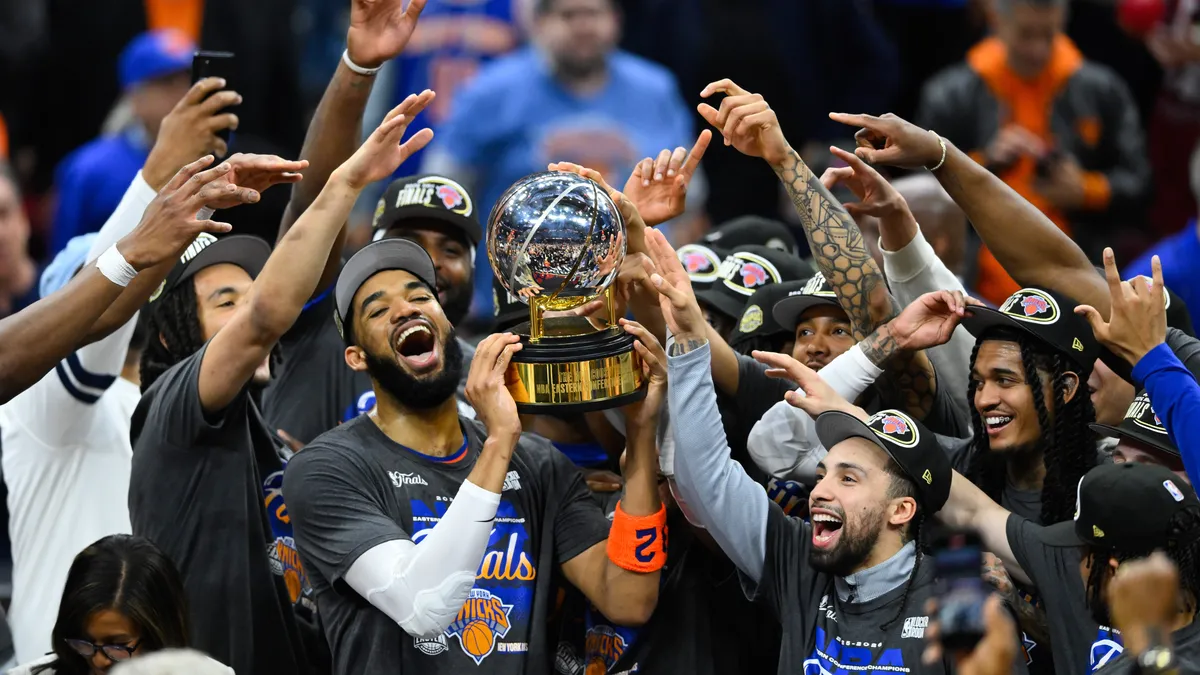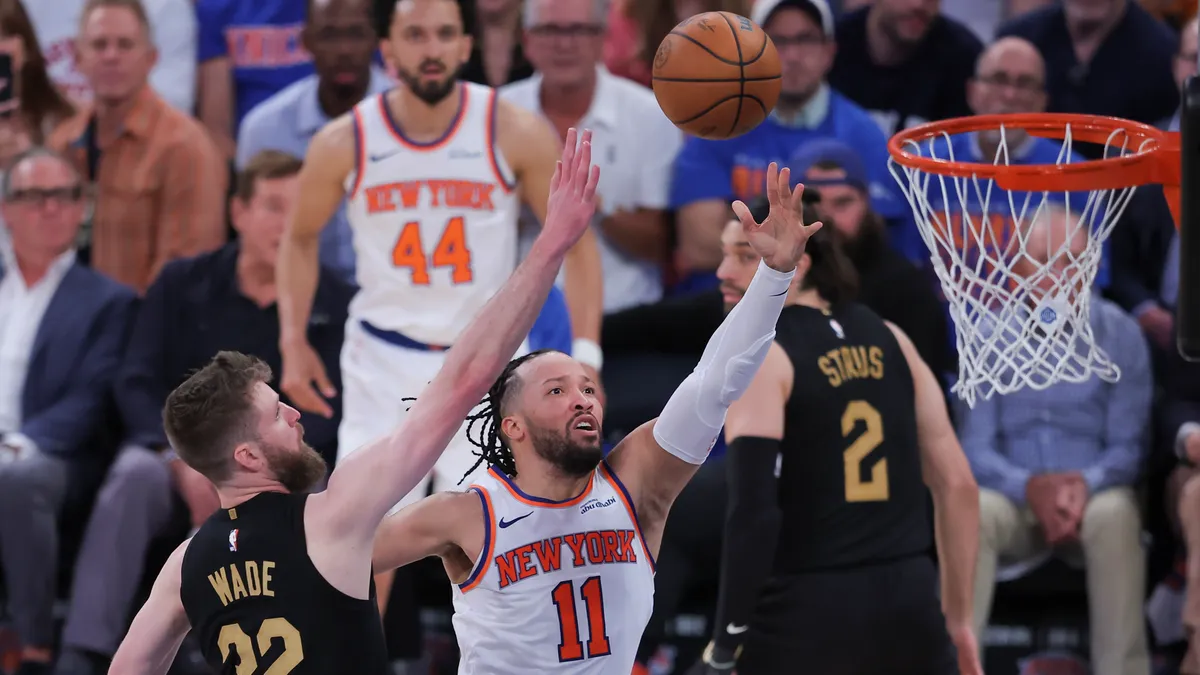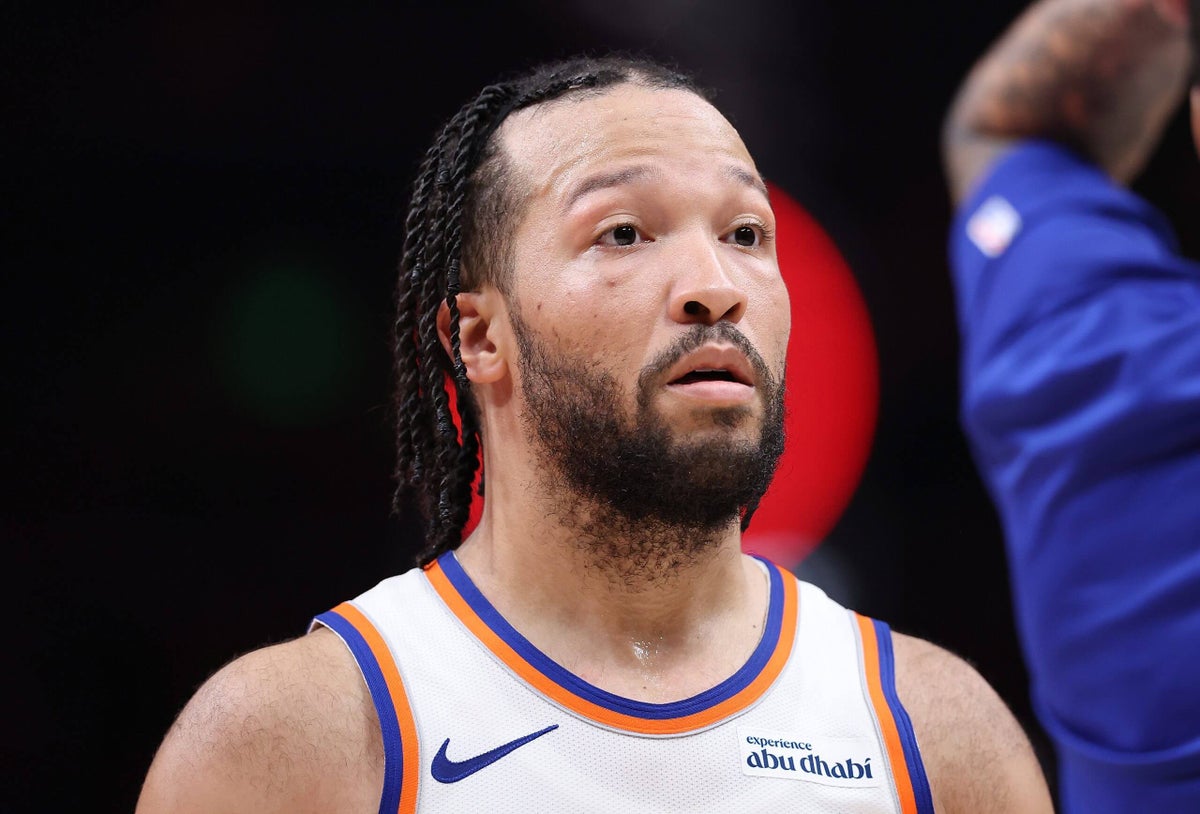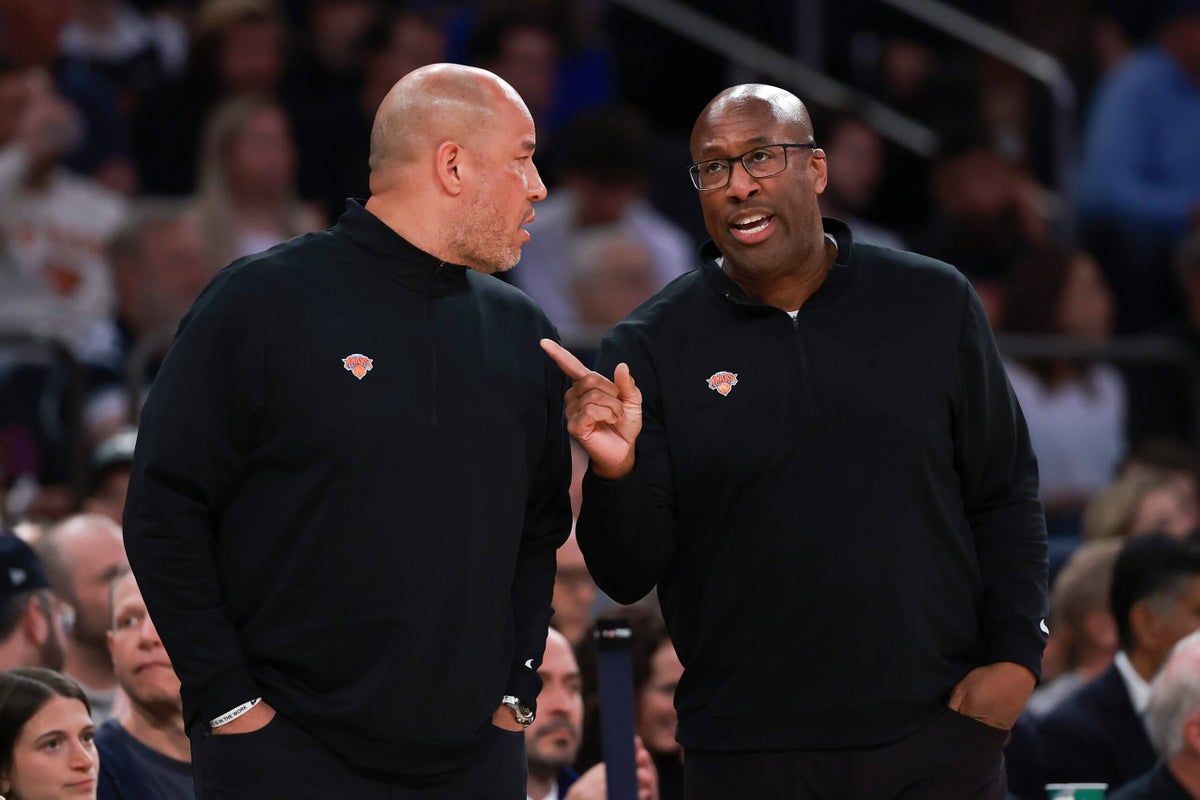
Sometimes, the most important moves are the ones you don’t make.Exactly one month ago today, entering Game 4 of their first-round series against Atlanta, it seemed like the New York Knicks were set to reshuffle their starting lineup in order to keep their season alive.The first unit — Jalen Brunson, Mikal Bridges, Josh Hart, OG Anunoby and Karl-Anthony Towns — had been together for most of the last two years but hadn’t particularly clicked as a quintet. They sported just a plus-3.7 net rating in 2025-26 and plus-3.2 the year before — solid enough, yet nowhere near the championship caliber that the Knicks hoped for with this roster.With Bridges struggling mightily (21 total points in the first three games, including a zero-point, four-turnover disaster in Game 3), and the Knicks trailing Atlanta 2-1, a change to the starting group seemed imminent.Instead, Knicks coach Mike Brown kept the lineup the same, relied on the “play better” adjustment … and caught lightning in a bottle.In 10 games since the non-move, New York is 10-0, and it’s a dominating 10-0, with wins by 29, 30, 39 and 59, respectively, and nine of the 10 coming by double digits (albeit one of them in overtime). New York’s plus-225 net margin in that span is the best 10-game run in NBA history, playoffs or regular season. The Knicks’ run from Game 3 of the Hawks series to Game 2 of the Cleveland Cavaliers series — which includes a game they lost — ranks fourth on the same list. (The Knicks will need to win by 18 in Game 4 to also have the best 11-game streak in NBA history.)Following his non-removal, Bridges didn’t erupt immediately. But in the last eight wins, he’s been a two-way monster, averaging 17.9 points on hair-on-fire shooting splits (45.8 percent from 3, 74.5 percent on 2s), while throttling opposing wings like Nickeil Alexander-Walker, Tyrese Maxey and James Harden.In the 10 games since the non-decision, the lineup combos with Bridges and the Knicks’ two stars, Brunson and Towns, have a staggering plus-28.6 net rating. New York kept cooking even with a key player, Anunoby, missing two games in the second round; the Knicks won those games, both on the road, by a combined 44 points.From nowhere, in other words, the Knicks are a juggernaut.This outburst was rather unexpected, to say the least. The idea of the Knicks winning the East wasn’t a wild one — they won 53 games with a plus-6.3 margin in the regular season, clearing the bar for contender status. But they were the third seed in the conference and fell to Indiana in the conference finals with the same starting five a year earlier; that quintet finished the postseason with a minus-6.2 net rating.It’s tempting to say we could have seen this coming, a bit, because the Knicks went 28-11 after Jan. 20, but even picking this optimal, arbitrary endpoint doesn’t make a particularly compelling case. So many teams were tanking that lots of teams rolled up great records in their final 40 games or so, even in the East: Boston went 30-10, Cleveland and Charlotte went 29-11, and Detroit went 28-12; the Knicks’ scoring margin in those games didn’t stand out from their East rivals, either.So … what’s going on here? How come the Knicks are suddenly invincible? And what does it mean for a potential NBA Finals matchup against the Spurs or Thunder — teams which, on paper, would seem to be heavy favorites against New YorkThe first place to look in any kind of hot streak is shooting variance, and the Knicks certainly have had the wind at their backs here. You’ve probably already seen the stats that show the Cavs have a better shot quality than New York over the first three games of the conference finals, and you don’t need to get too deep in the analytic weeds to tell a compelling story: The Cavs have shot just 29.6 percent from 3. They’ve had mostly clean looks from mostly good shooters, too; James Harden, Max Strus, Sam Merrill and Jaylon Tyson all shot over 40 percent from 3 this season but have made only 17 of 66 (25.6 percent) in the first three games.New York’s free-throw “defense” has also been a factor, with the Cavs at just 66.7 percent from the line. While some of that is due to volume from mediocre foul shooters like Evan Mobley and Jarrett Allen, the Cavs also have 10 misses from Harden, Merrill and Donovan Mitchell, each of whom shot over 84 percent on the season.That’s notable because, scoreboard-wise, the entire difference in the Knicks-Cavs series thus far is in shooting efficiency; the teams are basically even in the possession game and foul-drawing.But fear not, Knicks fans: No, we cannot ascribe the entirety of the most dominating 10-game stretch in NBA history to shooting luck. Of course a stretch like this will involve some favorable bounces, but it was not determinative, especially in the two previous series.The Knicks shot out of their minds in Game 4 in Philadelphia (a silly 25 of 44 from 3) but also genuinely dominated the 76ers inside the arc, outshooting them on 2s 61.2 percent to 54.5 percent and also owning the boards. New York also destroyed the Hawks in the paint in Games 5 and 6, although the Jedi shot defense did play a factor in Game 4.That’s the past, but what about the future? What does it all portend for the next round? One quick place to look for comparisons is the other nine teams that won 10 straight games in a postseason.A few of these make for poor comps with this Knicks team: The 2024 Boston Celtics, 2017 Golden State Warriors and 1999 San Antonio Spurs had all-time great regular seasons with dominant scoring margins; while the 2017 Cavs and 2001 Los Angeles Lakers were defending champs who visibly took their foot off the gas the following regular season.The other four are a little bit closer to the Knicks’ situation for comparison purposes:
Suddenly, the Knicks are amazing. What does it mean for the NBA Finals?
The Knicks are on a historic run. How New York has pulled it off, and their chances against the West winner if they beat the Cavs.
2,255 words~10 min read