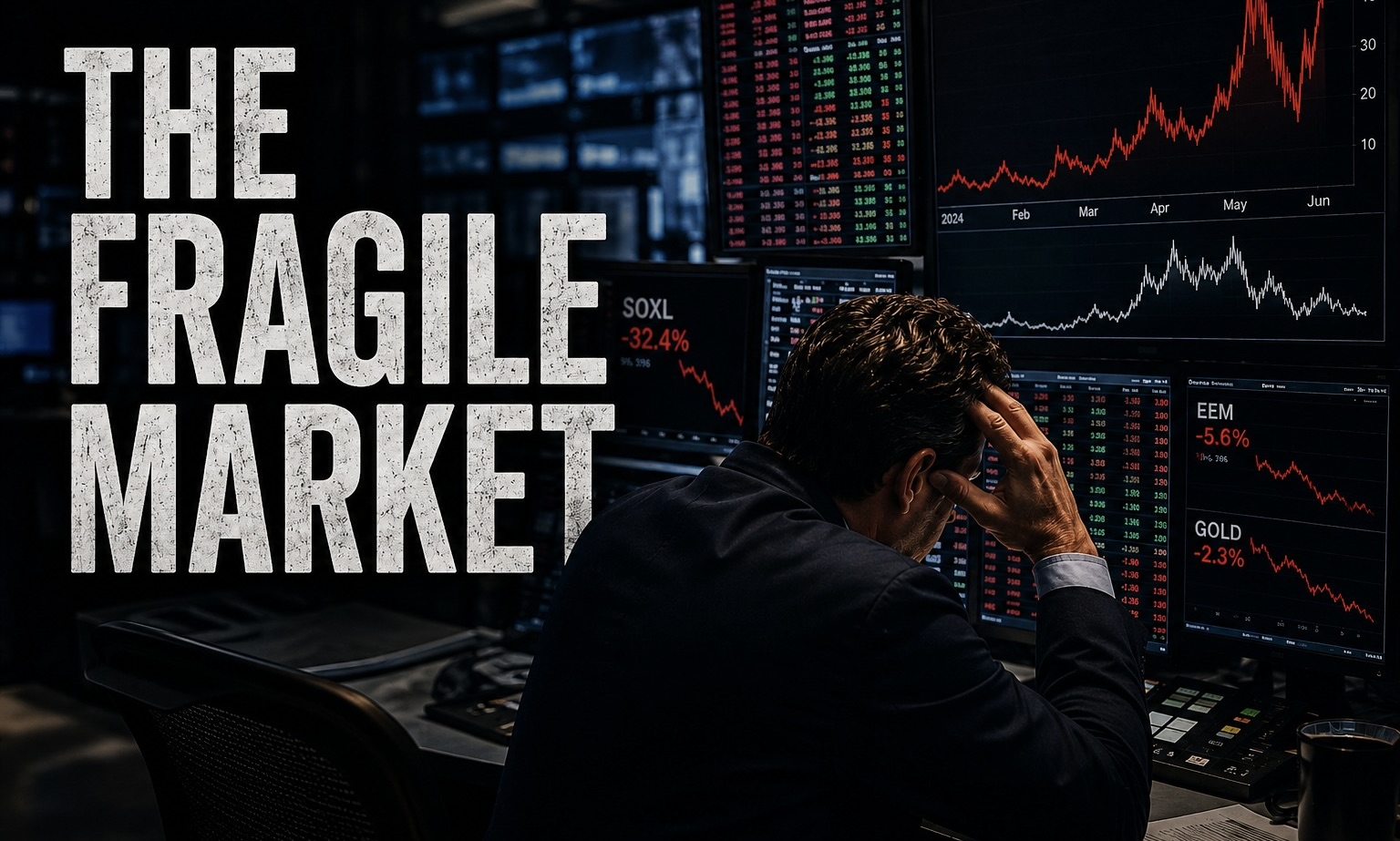
The global financial markets in the year 2026 are in a more dynamic phase with greater volatility seen across all asset classes including foreign exchange, commodity markets, indices, and digital assets. In contrast with tranquil markets that trend in narrower ranges, traders now witness faster responses to any economic statistics, monetary policy remarks, political events, and sentiment shifts.
It is common to see volatility as a measure of risk, but considering its effect on market dynamics, volatility is just movement. Without movement, there are no trading opportunities, and when there is movement, prices move faster with faster formation of trends with more relevant technicals.
Modern traders’ greatest test is not to avoid volatility at all costs, but to understand how volatility works and functions in a system designed to cope with volatility.
Why Volatility Has Returned in 2026
A number of macro and structural trends are driving volatility in this environment.