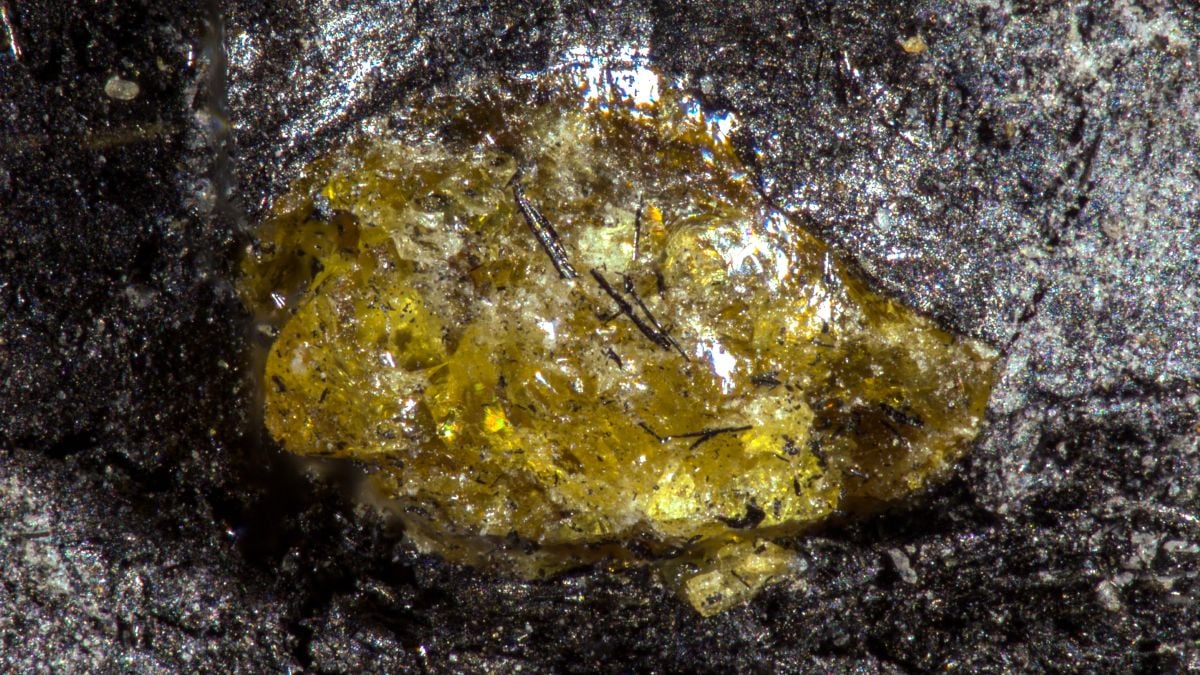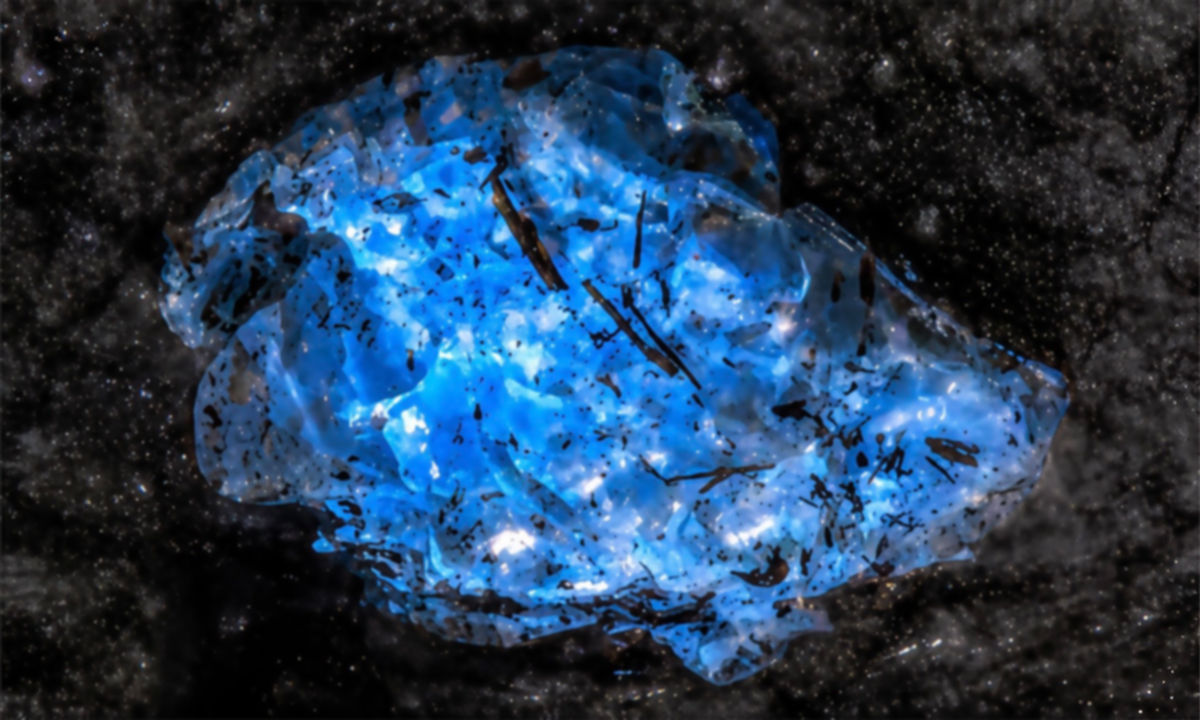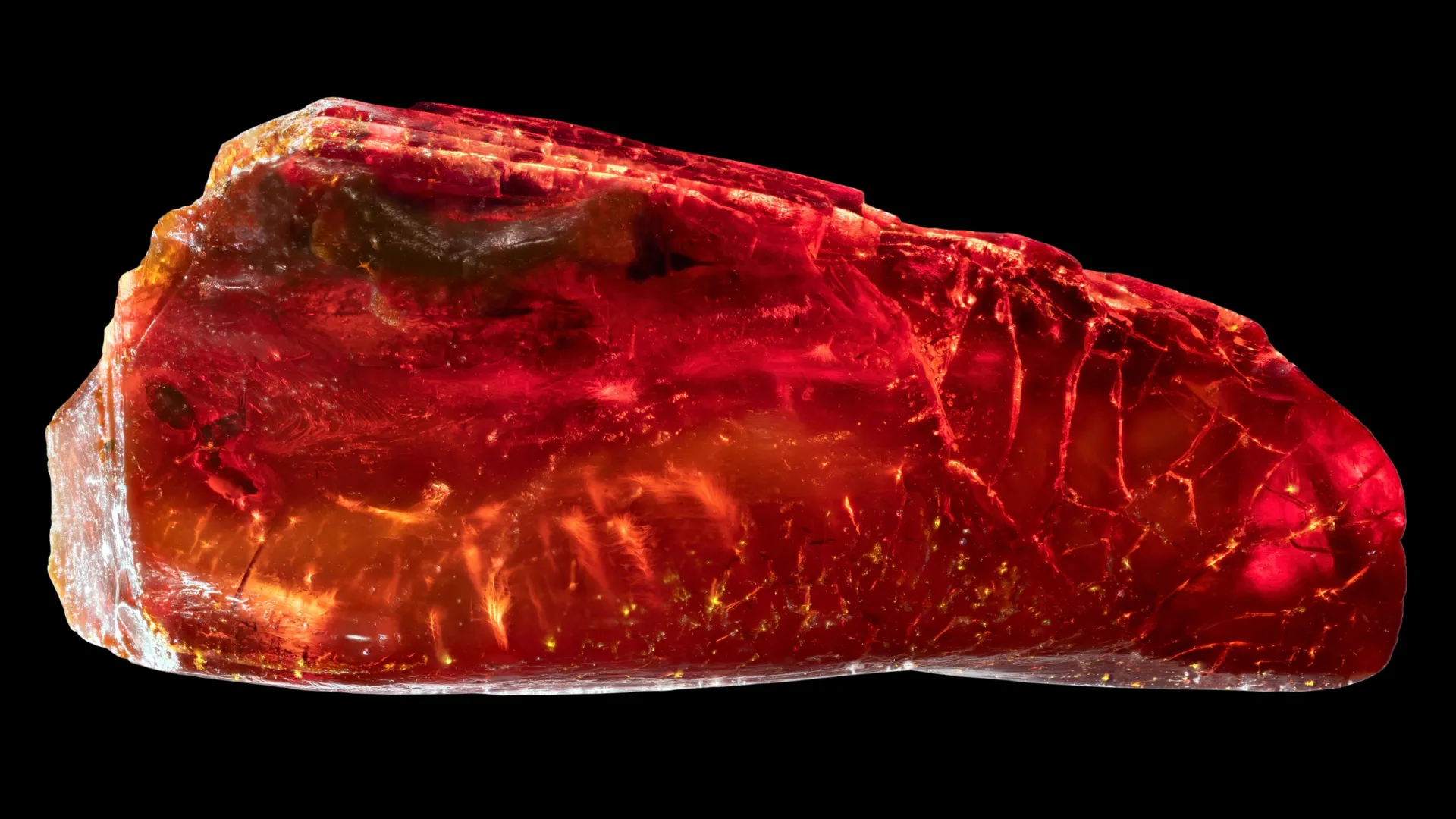
Amber from Myanmar's Kachin region continues to reveal extraordinary glimpses into life during the age of dinosaurs. Preserved inside the 100 million-year-old resin are fossils from an ancient forest ecosystem that once supported a remarkable variety of creatures, including species never seen before.
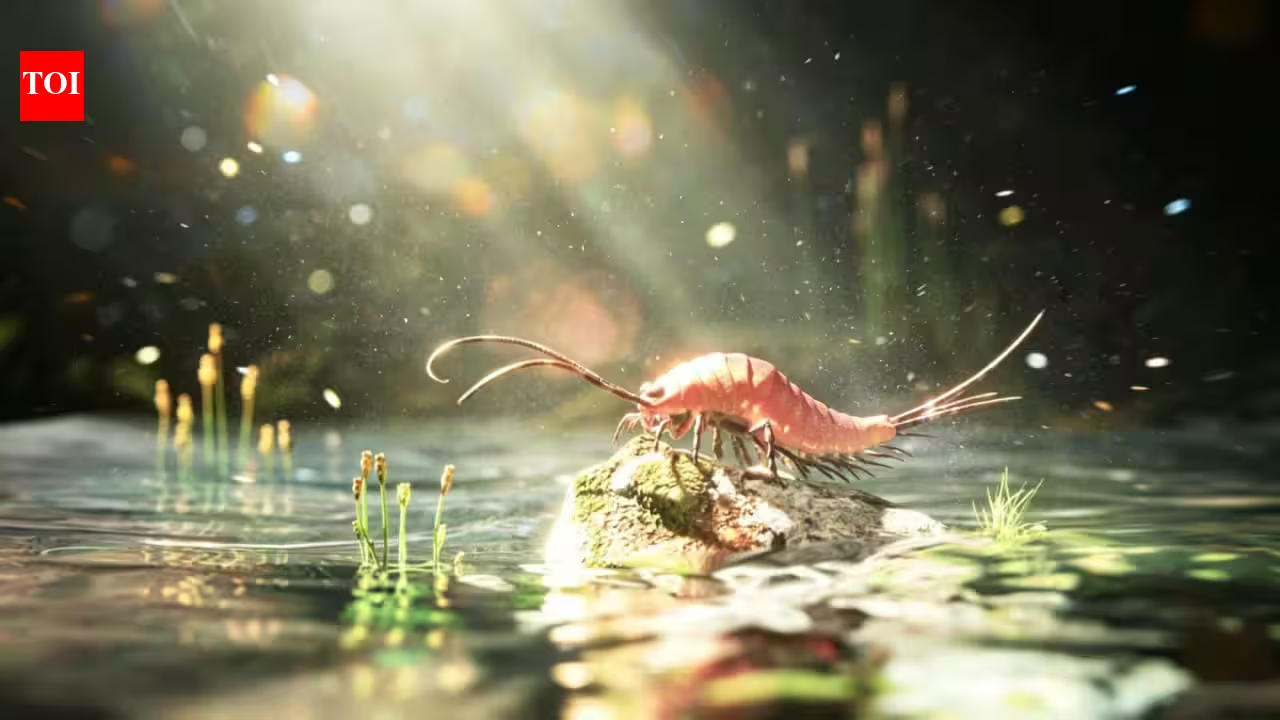
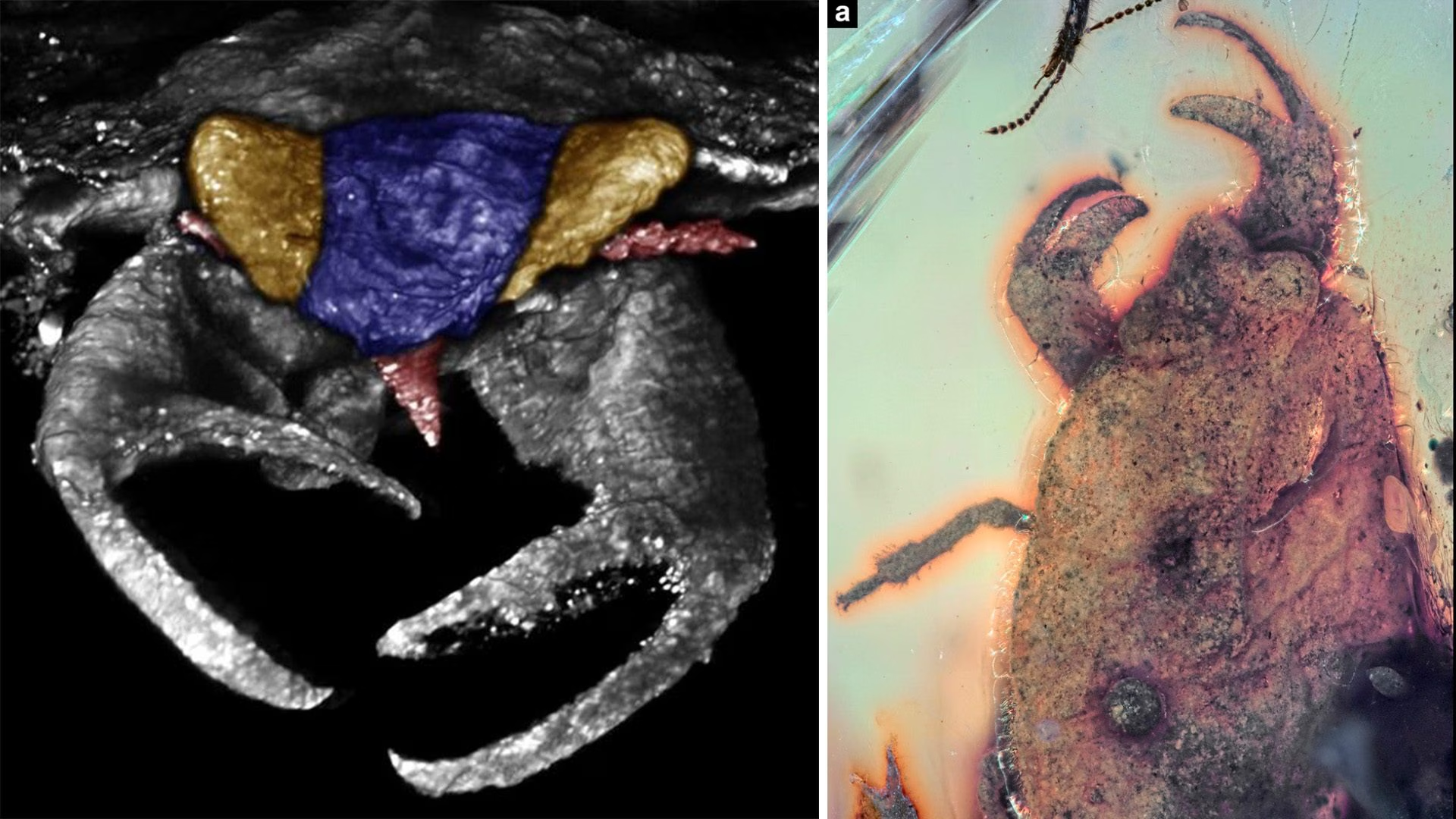
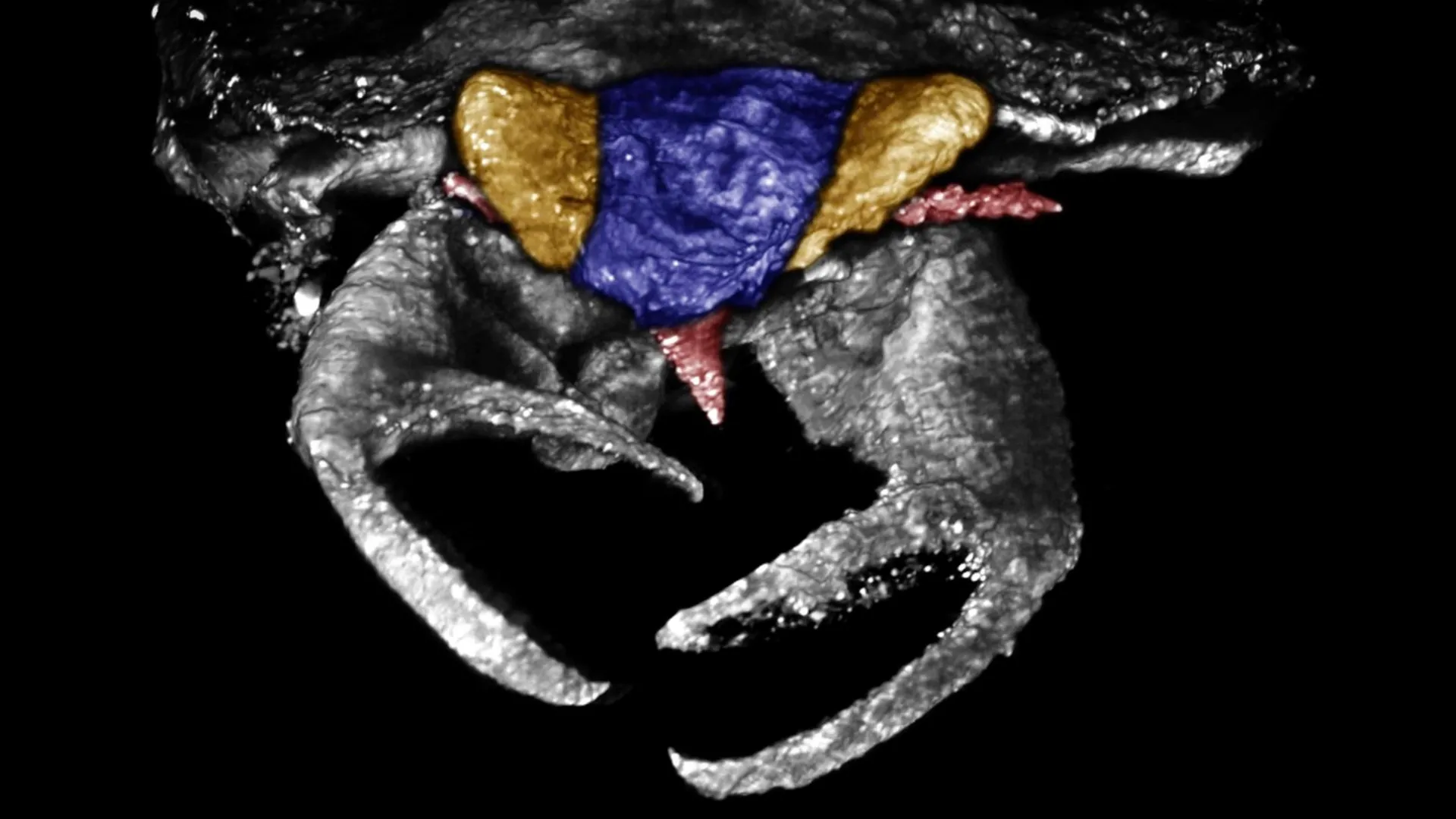
Now, researchers at Ludwig Maximilian University of Munich (LMU) have identified a newly discovered true bug (Heteroptera) with one especially unusual feature. Its front legs ended in large claw-like structures that resemble the pincers of crabs. These appendages, known as chelae, function much like forceps and are extremely uncommon among insects.
Ancient Insect With Rare Crab-Like Claws
"Previously, such chelae were known from only three insect groups. This fossil therefore represents the fourth known case of these structures evolving independently in insects," explains Privatdozent Carolin Haug, zoologist at LMU's Faculty of Biology.
Haug and her colleagues worked with researchers from the University of Rostock and the University of Oulu in Finland to study the fossil in detail. Using micro-computed tomography, the team created highly detailed 3D images that allowed them to examine the insect's anatomy. Their findings were published in the journal Insects.