This is just one of the stories from our “I’ve Always Wondered” series, where we tackle all of your questions about the world of business, no matter how big or small. Ever wondered if recycling is worth it? Or how store brands stack up against name brands? Check out more from the series here.Reader Martha Freeman from Anchorage, Alaska, asks: Many developing countries have declining birthrates and all the leaders see that as bad news. For the rest of the planet, fewer high-consuming humans may be good news. Do economists have any models for sustainable economies with a comfortable standard of living that don't depend on continued population growth?Last year, the U.S. fertility rate fell to a record low, with the number of births standing at 53.1 per 1,000 women (ages 15 to 44). That’s a 1% decline from the previous year, and a 23% decline since 2007. Fertility rates are also falling around the world. As America’s fertility rate declines, experts have raised concern about what that will mean for different facets of our economy, like our Social Security system, which relies on contributions from workers and their employers. And if there are fewer people, that means fewer people to share the country’s debt burden, said David Weil, an economics professor at Brown University.But some economists say that a lower fertility rate doesn’t necessarily mean lower economic growth. And while there will be a shift in economic priorities and greater fiscal burdens on the government, a declining birth rate won’t result in catastrophe. How technological innovation leads to economic growthEconomic growth, or a constant growth rate of income per capita, does not require a constant population growth rate, said Pietro Peretto, an economics professor at Duke University. Innovation has led to greater productivity – today, a single farmer with a combine harvester can produce the same amount of food that it might’ve taken hundreds of farmers centuries ago, Peretto said. Let’s say someone from the 19th century time traveled to the present, Weil said, and asked, “You folks seem so rich, what's up? How did that happen?” We would tell them about all the things that had been invented since, like the light bulb, airplanes and automobiles, Weil said. “Economists pretty much universally agree that the thing that gives us long-run economic growth, the goose that lays the golden eggs when it comes to economic growth, is technological progress,” Weil said. But it isn’t guaranteed that technological progress will persist, Peretto said. Societal institutions need to give people the proper incentives to take risks and think creatively, Peretto said. And some economists have raised the issue that fewer people could result in slower technological progress because there will be fewer Thomas Edisons or fewer Nikola Teslas around, Weil said. “If there's slower population growth, there's going to be less of that progress,” Weil said. In the 1960s, the fertility rate began to decline, leading to a higher ratio of older people to working-age people. “That change in population age structure is indeed why the Social Security trust fund in the United States is running out of money, and why many, many governments are facing fiscal difficulties. They have this ever-larger aging population that they've promised pensions to,” Weil said. But while this is “a genuine cost,” Weil said if people choose not to have children, they will also have to spend less because of the expenses associated with raising a child, like daycare. Governments will have fewer expenses related to children as well. To accommodate the baby boom between 1946 and 1964, states and localities had to spend a lot of money on building new schools, Weil said. “In a shrinking population, you're relieved of that burden,” he said. Weil also pointed out that a shrinking population could help alleviate the country’s housing affordability crisis. This trade-off doesn’t necessarily balance itself out — Weil noted that “old people are more expensive than children.” But Weil said he doesn’t think it will result in a “social cataclysm” either. It could result in a GDP loss of up to 8%, he said. And when it comes to Social Security, the U.S. will either have to take on more debt or raise taxes, but Weil doesn’t think that spells doom for the economy.“The tax increase that is required to keep Social Security solvent…is not catastrophic,” Weil said. “It might be 3%, it might be 4%. It's unfortunate. I'd rather have the money myself, but that's not going to make society fall apart.”
Can the U.S. economy survive with a declining birth rate?
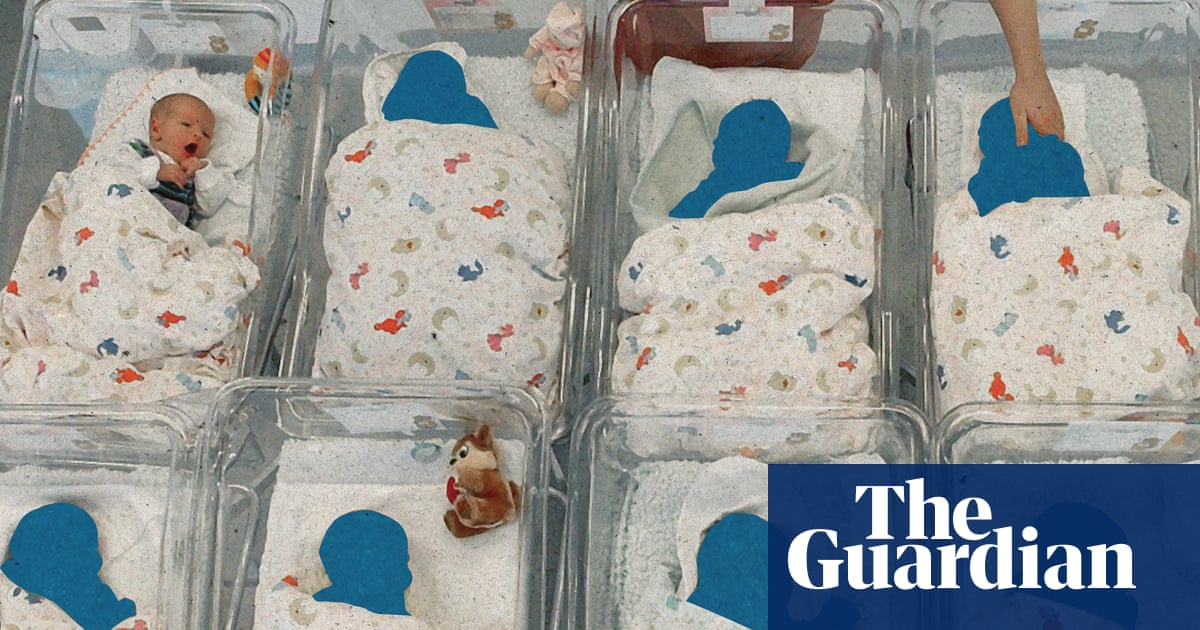
America’s fertility rate has been on the decline, falling 23% since the Great Recession.
750 words~3 min read