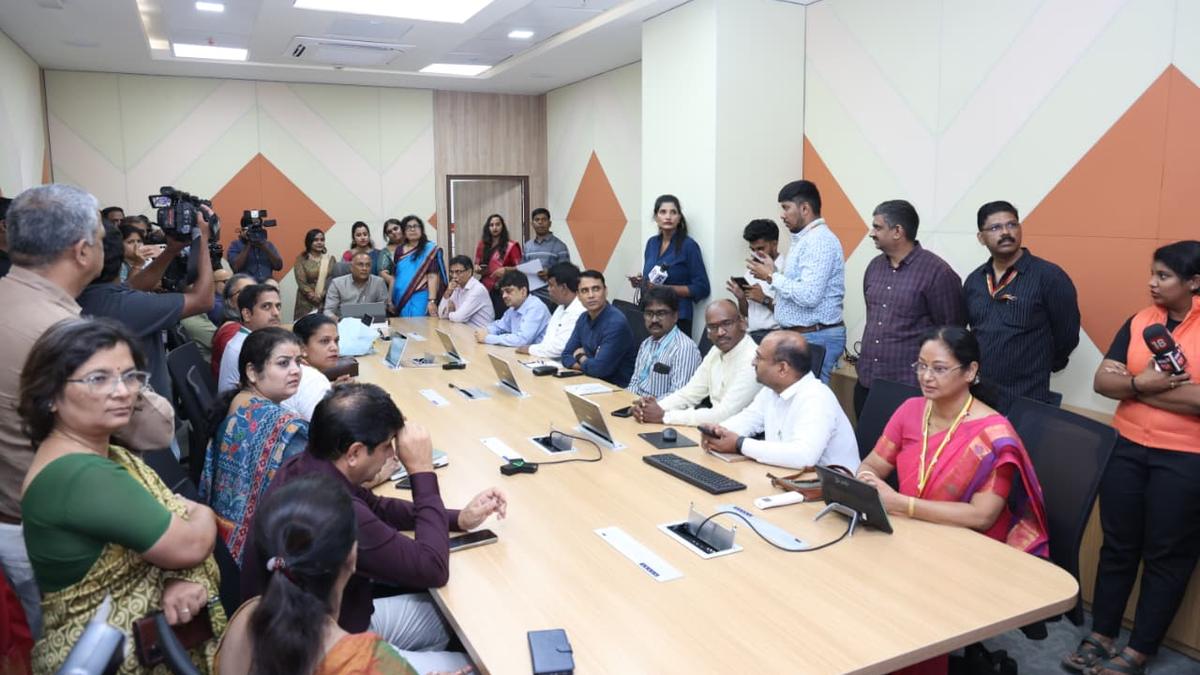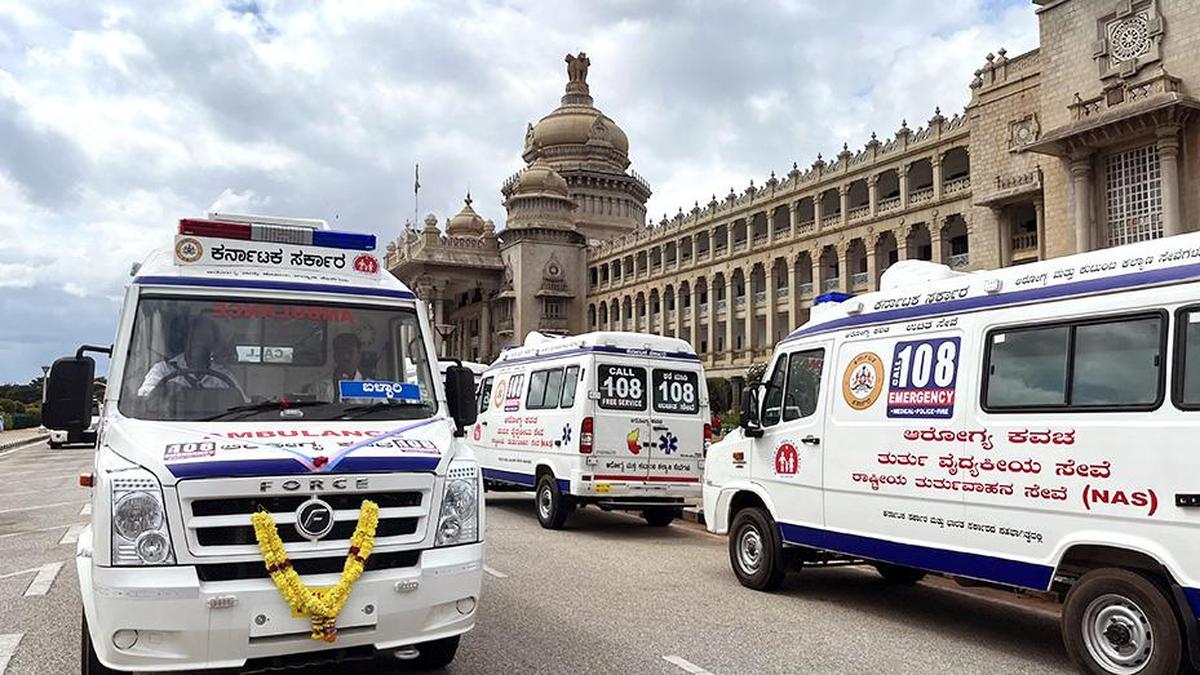
CM Siddaramaiah inaugurated the government-owned “108 Arogya Kavacha Centralised Command and Control Centre” in Bengaluru, on May 25, 2026.
| Photo Credit: Special arrangement
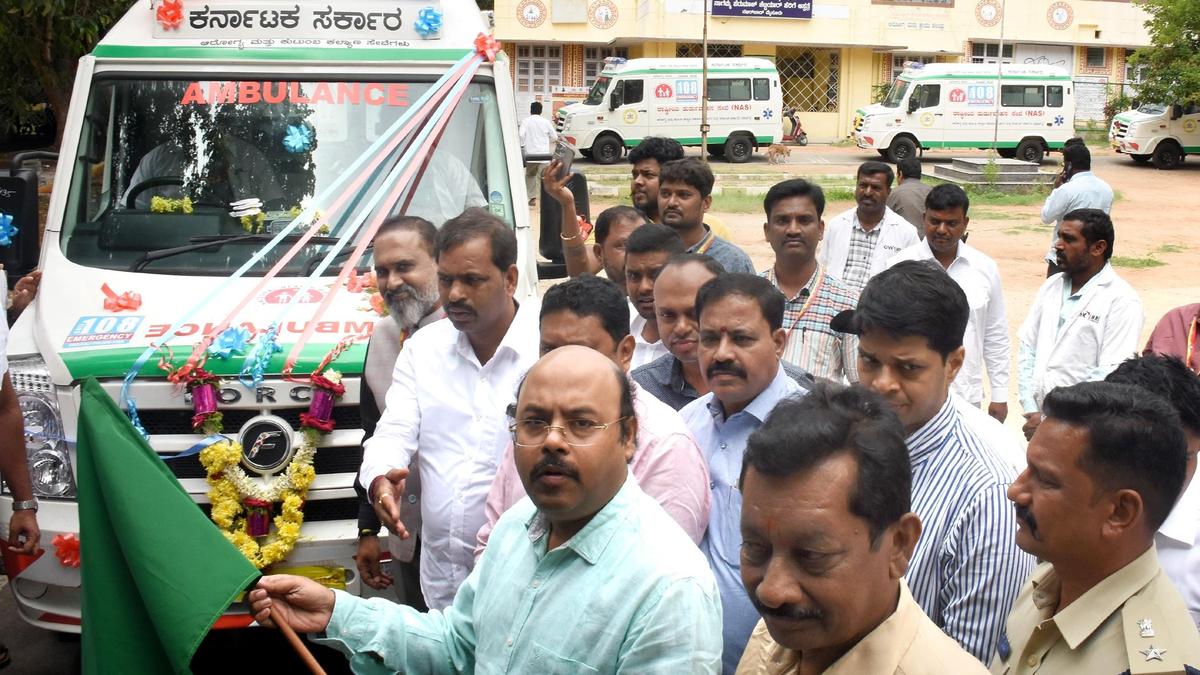
Karnataka Chief Minister Siddaramaiah on Monday (May 25, 2026) inaugurated the government-owned “108 Arogya Kavacha Centralised Command and Control Centre” in Bengaluru, marking a major transition in Karnataka’s emergency healthcare management system.The initiative, announced in the State Budget for 2025-26, seeks to strengthen emergency medical response services through a unified, technology-driven platform integrating ambulance dispatch, emergency helplines, and healthcare coordination.The 108 Arogya Kavacha service, Karnataka’s free emergency ambulance network, was launched in August 2008 under a public-private partnership model and was being operated by GVK EMRI. The service functions round the clock across all 31 districts and caters to medical, trauma, and obstetric emergencies. Officials said an exit management plan has been chalked out and the agency’s functioning will be gradually taken over by the government in the next three-four months.Speaking after inaugurating the facility, Mr. Siddaramaiah said Karnataka had become the first State in the country to establish a fully government-owned centralised command and control system for emergency ambulance services.He said the system would facilitate faster and more reliable emergency response through real-time coordination, GPS-enabled ambulance tracking, and integrated public emergency platforms.‘Golden hour’ treatmentMr. Siddaramaiah stressed the importance of treatment during the “golden hour”, particularly in cases involving road accidents, cardiac emergencies, and pregnancy-related complications. Nearly 80% of patients had survived because of timely emergency intervention during the critical period., he said.The Chief Minister noted that Bengaluru currently had between 65 and 70 ambulances catering to emergency healthcare services.Improved accountabilityThe Chief Minister observed that accountability had remained limited when the 108 ambulance system was managed by the private agency. However, with the service now functioning under government administration, public oversight and responsibility would improve considerably, he said.Pointing out that treatment for serious illnesses such as cancer was often unaffordable in private hospitals, he said government hospitals were increasingly equipped to provide quality healthcare services.