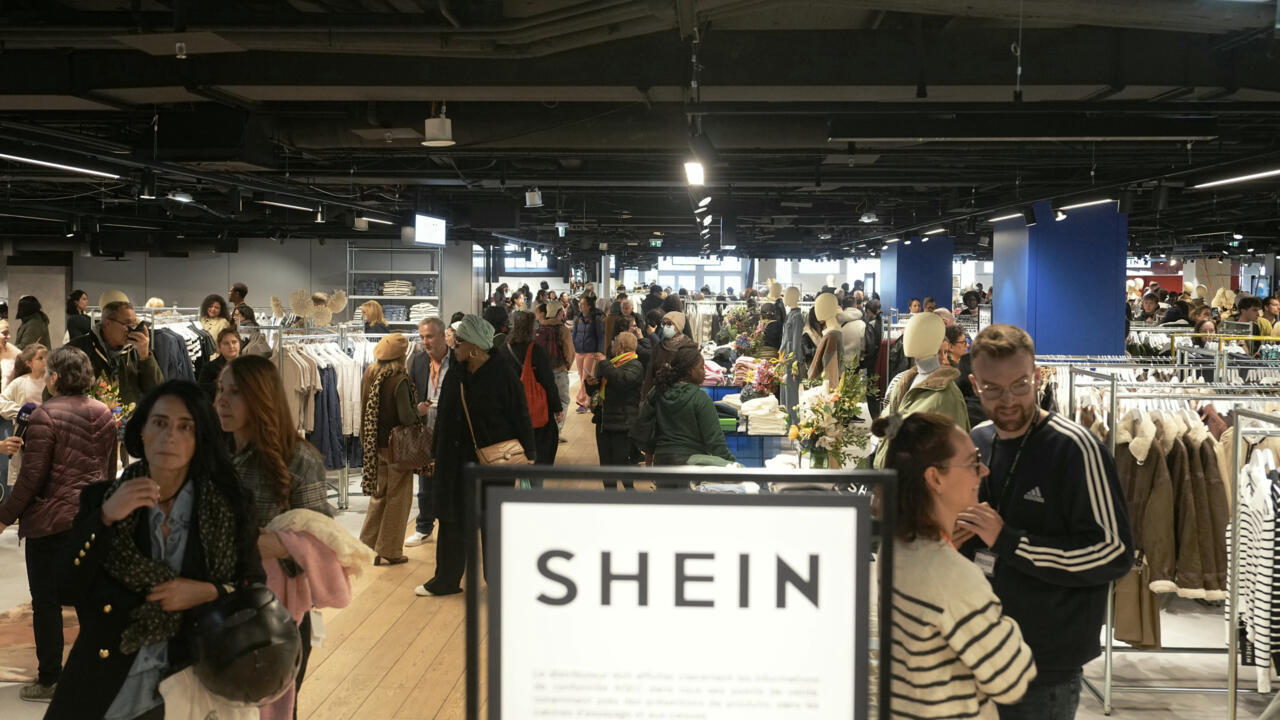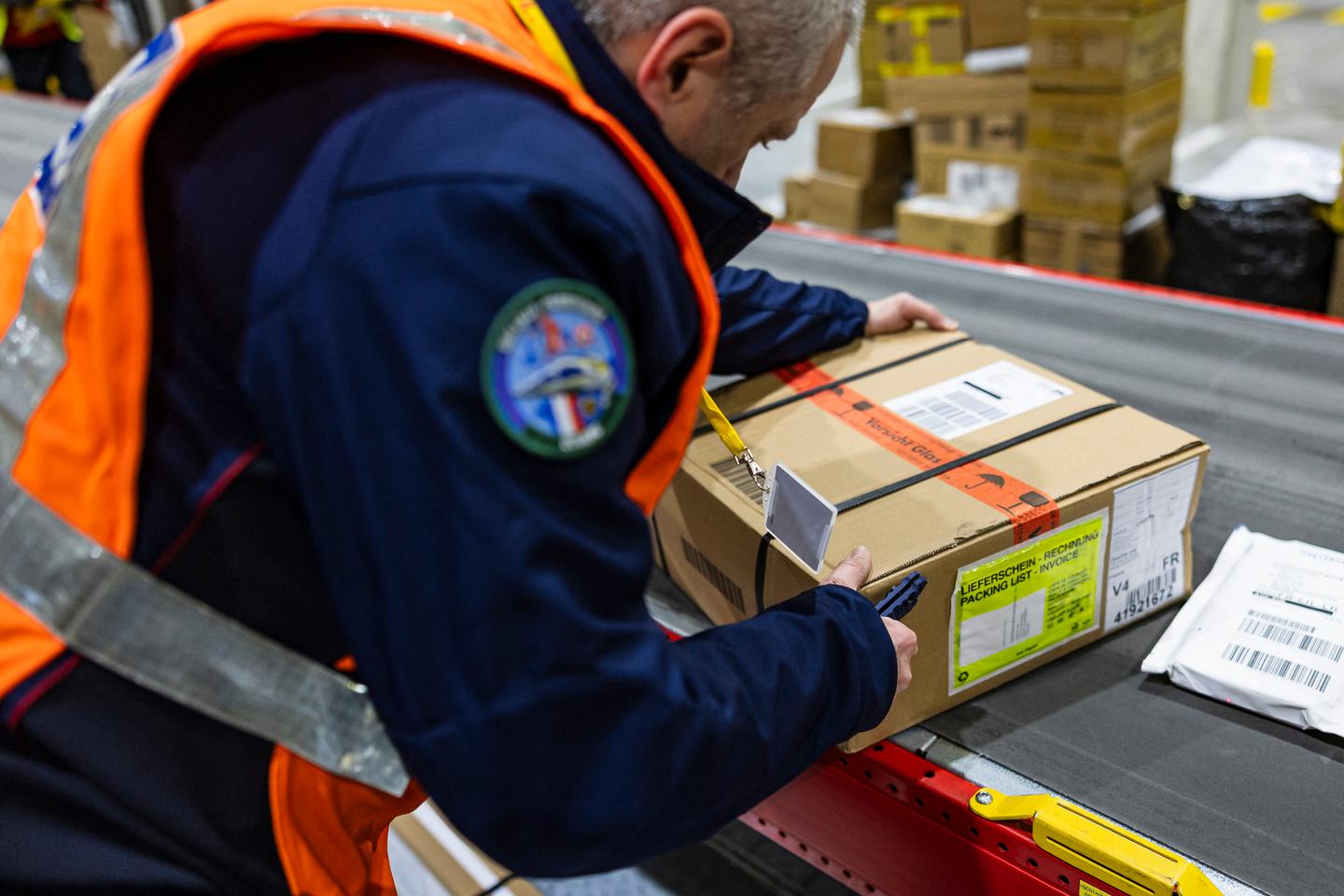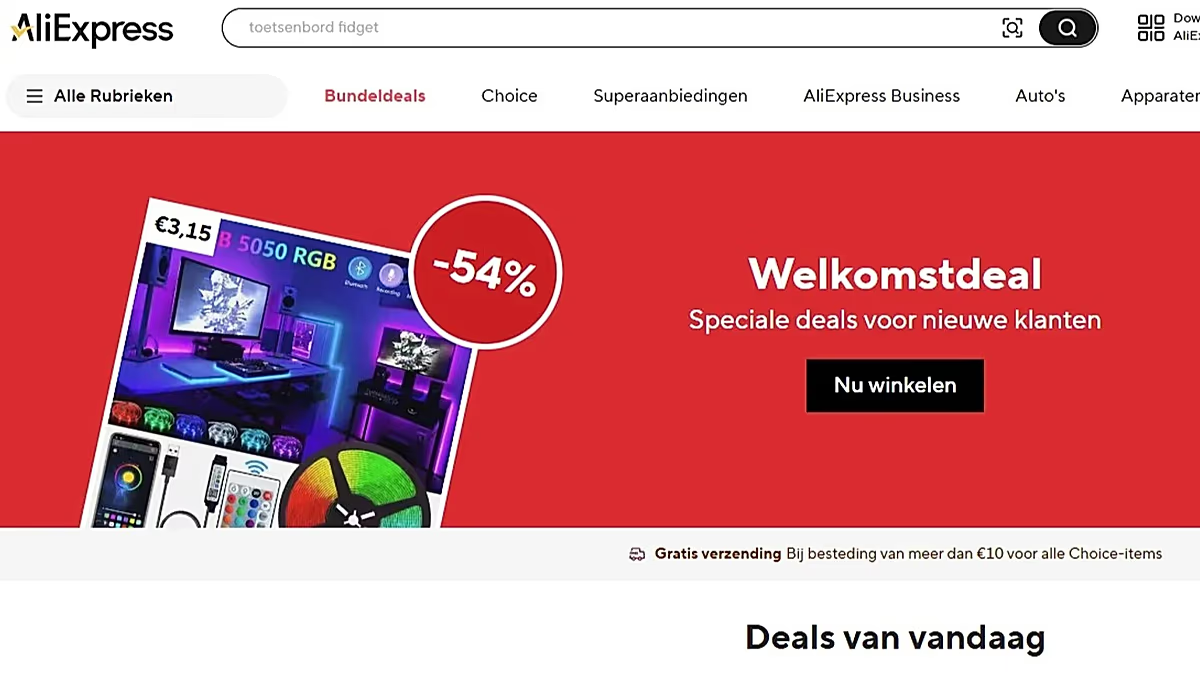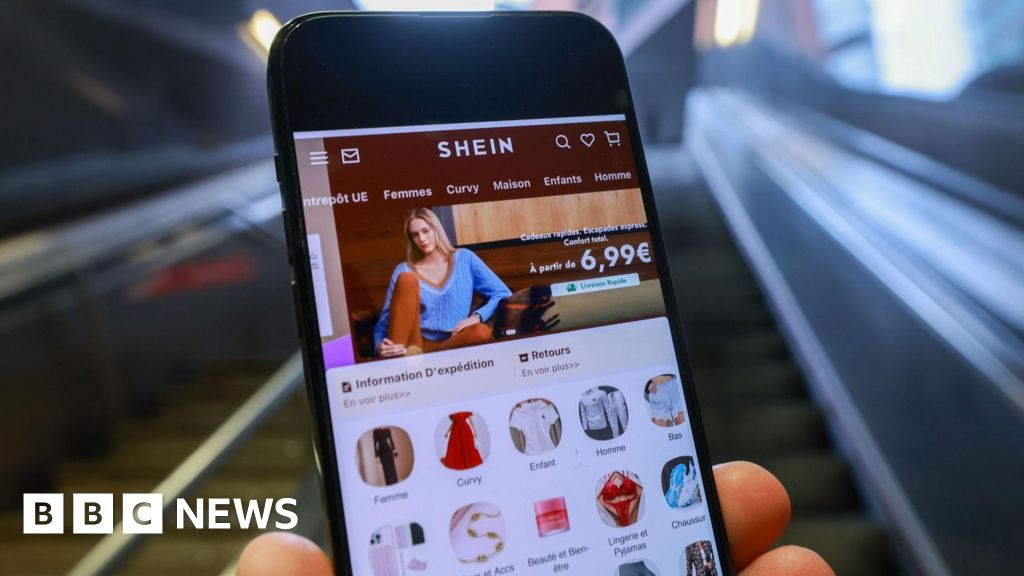
1. In November, Chinese fast-fashion retailer Shein launched a 1,000-square-meter store within Paris’s BHV Marais department store, aiming to increase physical presence and foot traffic. However, the opening triggered street protests, political backlash, and extensive regulatory scrutiny, signaling a broader European effort to address the rapid growth and perceived risks of Chinese e-commerce platforms operating in the European Union (EU) [para. 1][para. 2][para. 3][para. 4][para. 5][para. 6].2. The French authorities initiated multiple investigations into Shein due to various concerns: product safety, consumer protection, customs loophole abuse, and environmental impact. Prominently, the European Commission officially invoked the EU’s Digital Services Act (DSA), compelling Shein to reveal how it prevents minors’ exposure to harmful content and the circulation of illegal products [para. 3]. On January 21, Shein representatives had to appear before the French Senate after previously ignoring legislative summons [para. 4].3. The Paris controversy highlights Europe’s escalating regulatory campaign against low-cost Chinese e-commerce firms. Such scrutiny quickly spreads to other major platforms; in early November, French prosecutors announced parallel investigations into Alibaba’s AliExpress, PDD Holdings’ Temu, and the US-based Wish for suspected illegal product sales. In December, the European Commission conducted a surprise inspection at Temu’s Dublin headquarters, indicating enforcement has become European-wide rather than limited to individual member states [para. 5][para. 6][para. 7][para. 8][para. 9].4. The EU now pursues a coordinated approach to platform regulation, focusing not just on product safety but also enterprise responsibility, data privacy, environmental sustainability, and consumer protection. The regulatory steps reflect a shift from reactive efforts to proactive, cross-border enforcement actions to manage risks before they materialize [para. 9][para. 10].5. Shein’s Paris store was designed to be the start of a nationwide expansion in France via a partnership with Groupe SGM, owner of the BHV Marais. While BHV Marais had struggled financially, Shein had become the fifth-largest fashion retailer in France by mid-2025. Yet, strong opposition emerged from local politicians and fashion industry bodies, who criticized Shein's environmental record and accused it of undermining local brands and saturating the market with disposable goods [para. 11][para. 12][para. 13][para. 14].6. Activists, led by organizations like Une Autre Mode Est Possible, petitioned for bans on Shein, Temu, and Amazon, and legal complaints followed swiftly. French authorities responded by initiating procedures to suspend Shein’s digital platform unless it met proof-of-compliance standards [para. 15]. Shein voluntarily suspended its third-party marketplace in France while maintaining direct operations, remaining under close government scrutiny [para. 16]. Inspectors found a quarter of 320,000+ non-textile parcels from Shein failed to meet compliance standards [para. 18].7. The tax angle is significant. Historically, parcels below 150 euros entered the EU duty-free, which supported low-cost e-commerce growth. In May 2023, the EU decided to abolish this exemption by 2028, but finance ministers brought it forward: from July 1, 2026, a flat 3 euro duty will apply to all sub-150 euro parcels. Italy imposed a 2 euro duty from 2026, prompting parcel rerouting through other EU states. In 2024, the EU received 4.6 billion low-value parcels (91% from China); in 2025 this rose 26% to 5.8 billion [para. 19][para. 20][para. 21][para. 22].8. Platforms like Shein, AliExpress, TikTok, and Temu are now designated as “very large online platforms” (VLOPs) under the DSA. Their responsibilities are more extensive: annual risk assessments, algorithm audits, providing data to regulators, and quick action against illegal or misleading content. Violations can incur fines up to 6% of annual global revenue. Enforcement has included fines for misleading discounts and environmental claims, and Poland fined Temu for inaccurate price disclosures [para. 23][para. 24][para. 25][para. 26][para. 27][para. 28].9. Despite regulatory challenges, Chinese platforms maintain a strong European presence due to market size and opportunity. The EU is China’s largest trade partner, with exports up 8.4% in 2025 to $560 billion. The European online retail market hit 842 billion euros in 2024, with 73% of residents (aged 16–74) making online purchases. Shein, Temu, and AliExpress all rank among the top ten e-commerce sites in various European markets [para. 29][para. 30][para. 31][para. 32].10. Chinese e-commerce firms are investing in compliance, such as establishing overseas warehouses, improving seller vetting, and promoting branded merchants. Sellers face higher costs, needing to register VAT in multiple countries and meet strict, varied product standards. Nonetheless, some suppliers believe higher compliance will push China’s export sector to improve product quality and global competitiveness over the long run [para. 33][para. 34][para. 35][para. 36][para. 37].AI generated, for reference only
In Depth: EU Crackdown Puts Chinese E-Commerce to the Test
From Shein to Temu and AliExpress, Europe is escalating investigations and new rules that could upend the cross-border business’s low-cost model
731 words~3 min read