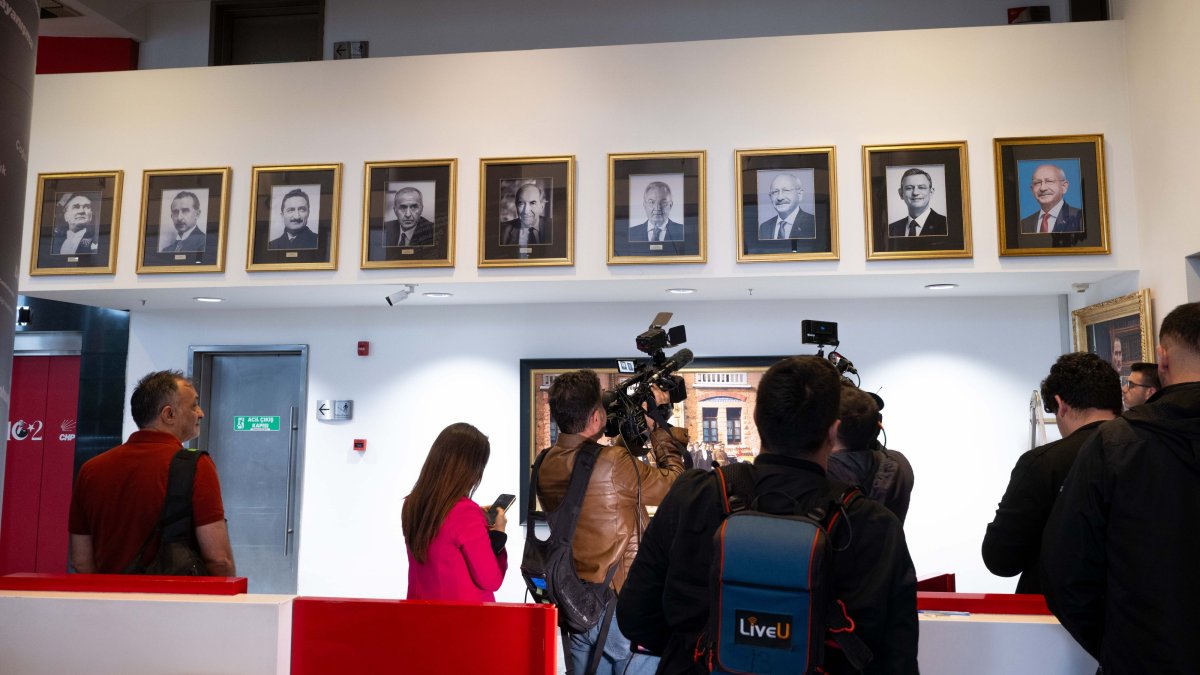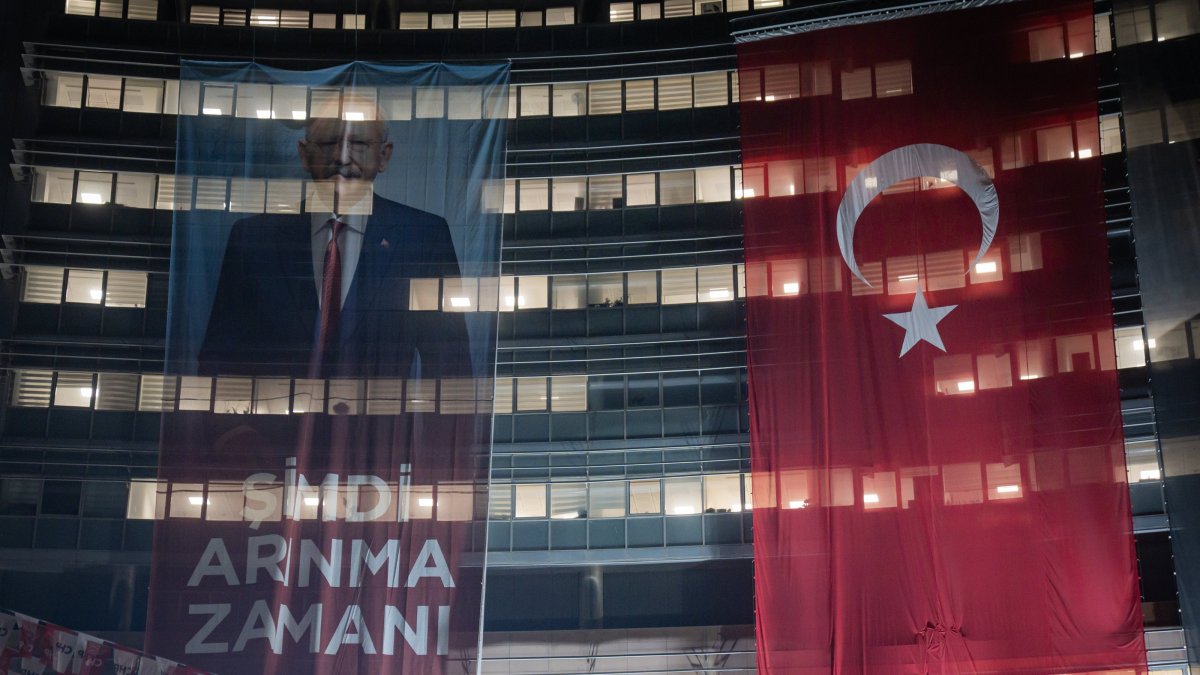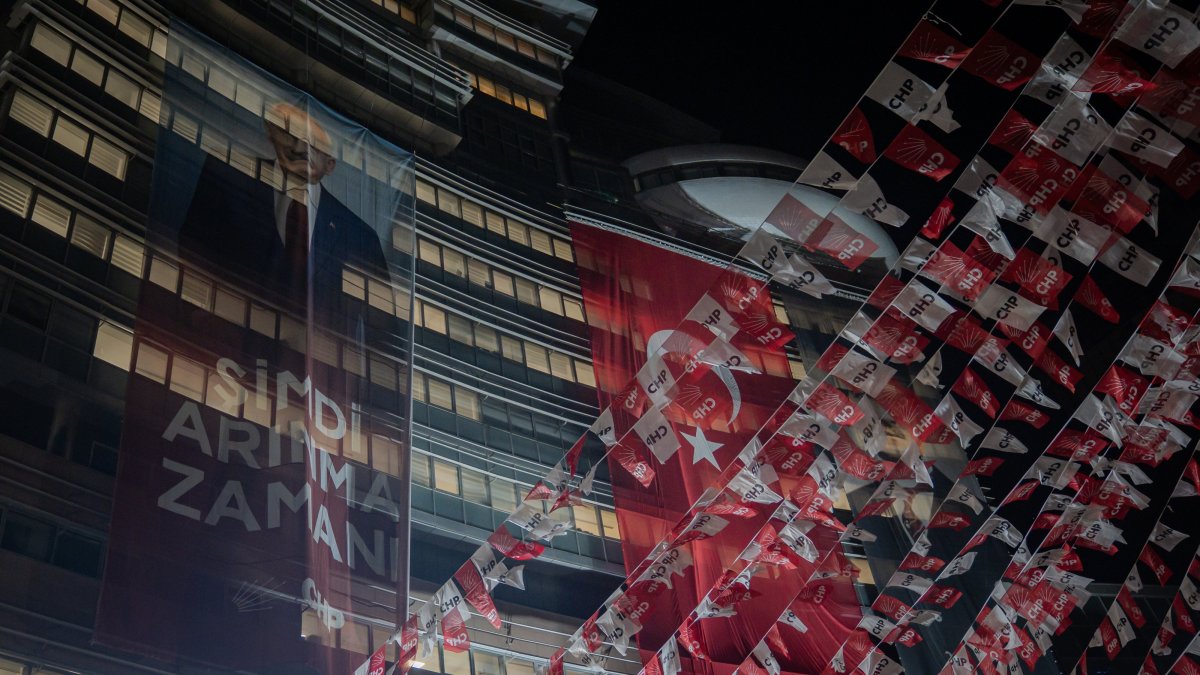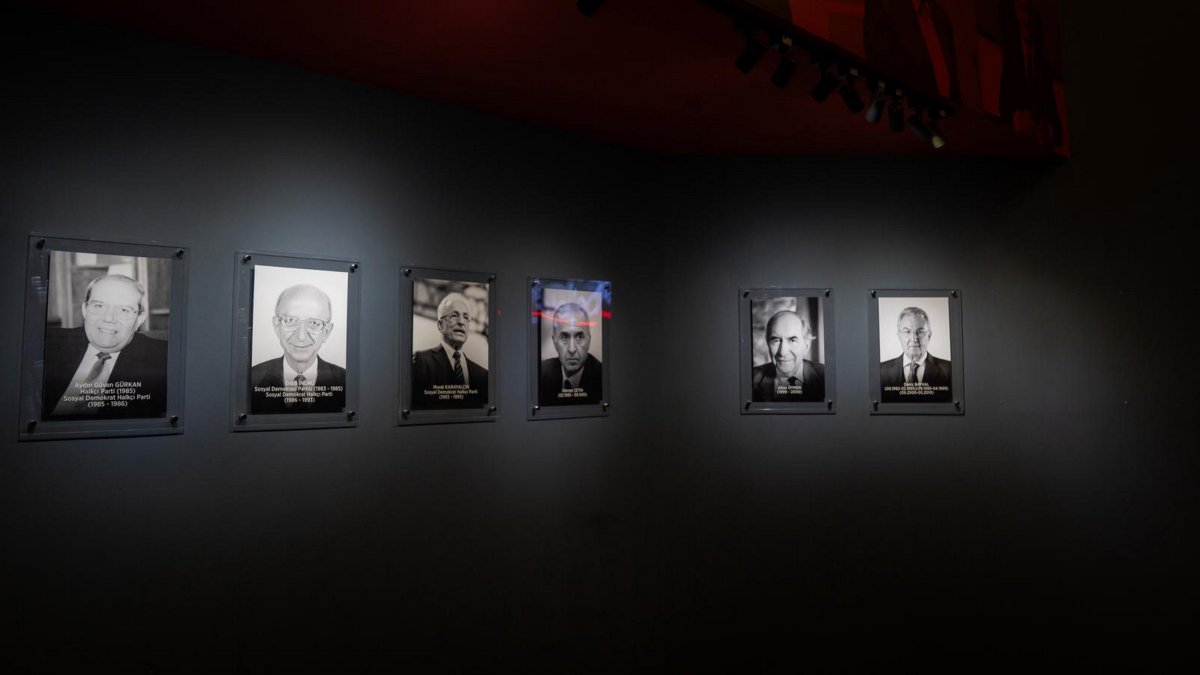
Members of the main opposition Republican People's Party (CHP) took its 38th ordinary congress to court. They alleged that the will of the delegates had been compromised through extra-political means such as job placements, payments in kind and rent distribution.
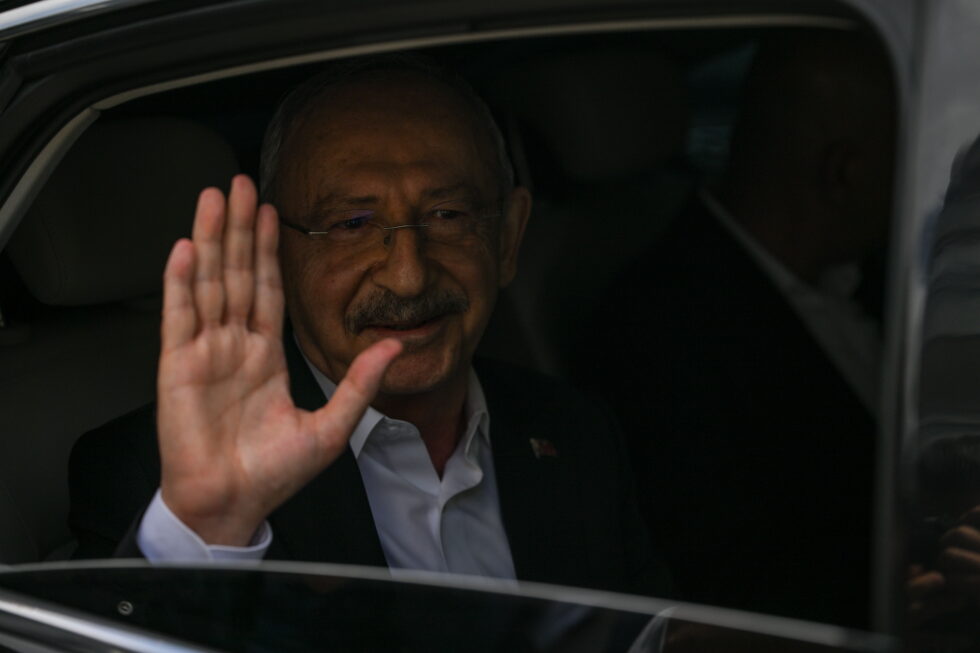
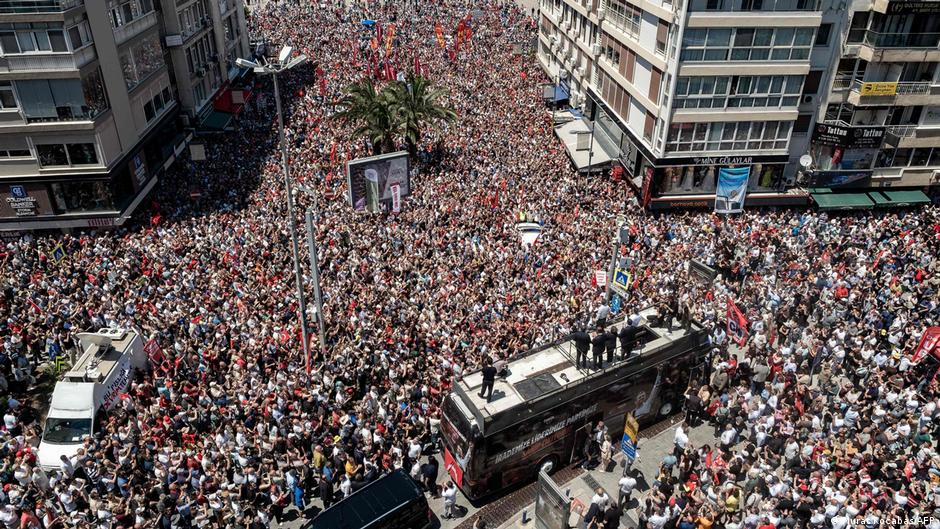
A process of reckoning began between cadres close to former chair Kemal Kılıçdaroğlu and the groups backing Özgür Özel, whose leadership was nullified recently, and Istanbul's former Mayor Ekrem Imamoğlu. After a lengthy judicial process, the court ruled "absolute nullity." It held that Kılıçdaroğlu and the party organs preceding the convention should remain in their positions. Yet neither during the court proceedings nor in their aftermath did the new and old cadres make any genuine effort to resolve this crisis.
As a result, we are looking at a CHP that cannot resolve the multiple crises of its own making within Turkish politics. The party's long-running crises cannot be reduced to a technical matter explicable by a single court ruling. The CHP's descent into the courts was not the product of developments outside the party. It was the outcome of its own internal reckoning and intra-party power struggle.
The foundations of this crisis were laid for pragmatic reasons during the Kılıçdaroğlu era and it only deepened as the genetic code of CHP politics eroded. Under previous chairs, too, cadres with differing political leanings, or with no real political stance at all, were invited into the party on pragmatic grounds. But those inclusions never reached a scale capable of shifting the party's center of gravity.