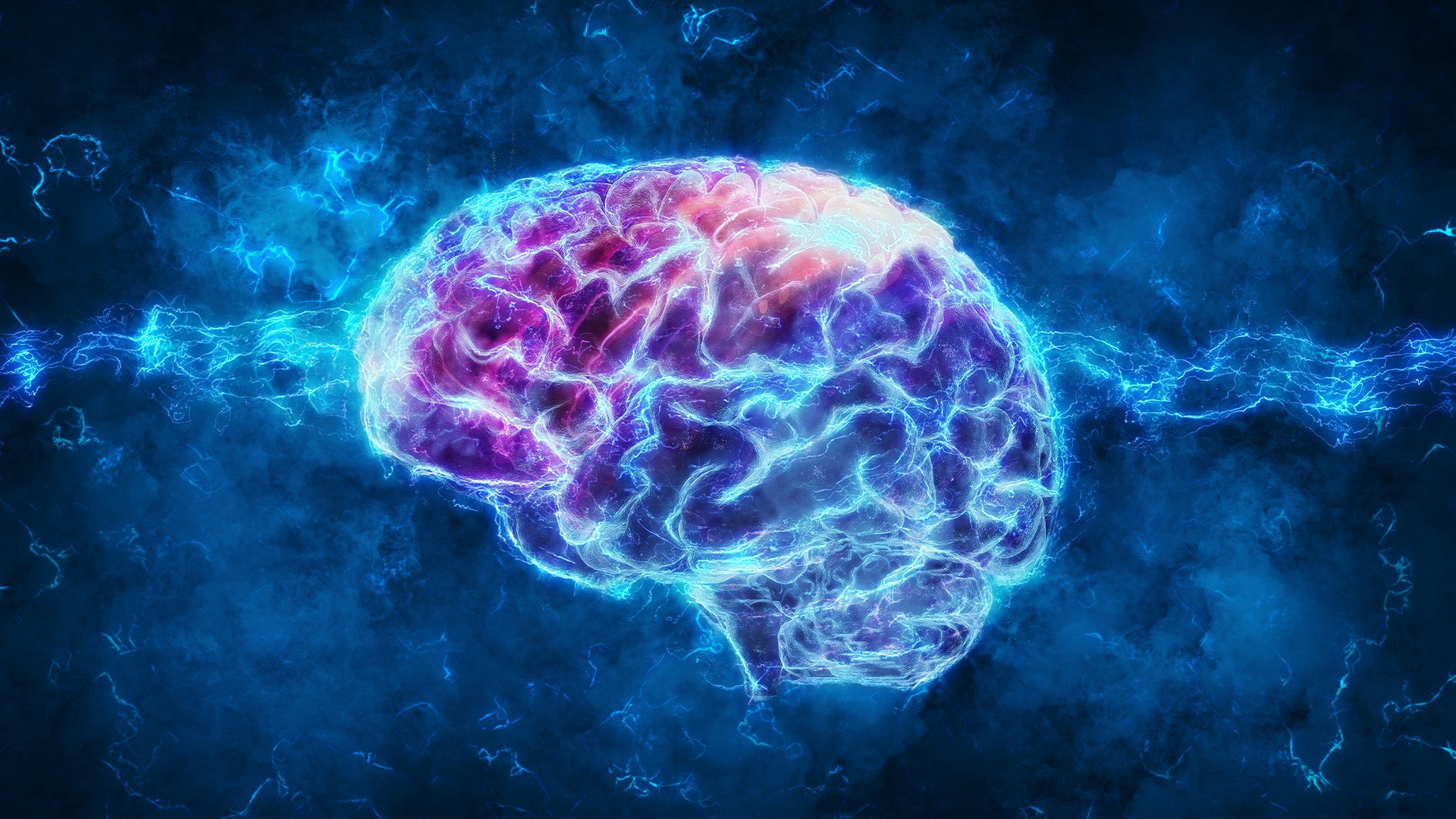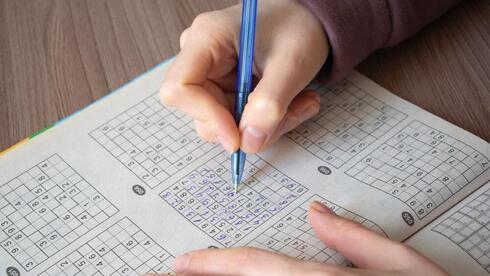
What does an “Aha!” moment do to your brain?Harold M. Lambert/Lambert/Getty Images
Last week, my editor, Chelsea, said something that stopped me in my tracks. She was worried about the ubiquity of AI, but not for the normal journalistic reasons: job losses, plagiarism, dull prose, etc. It was the possibility that by using AI, she might be sacrificing one of life’s most reliable small pleasures – the daily joy she gets from having an “Aha!” moment. “For me,” she says, “it’s almost a physical feeling, something spreading across my brain.”
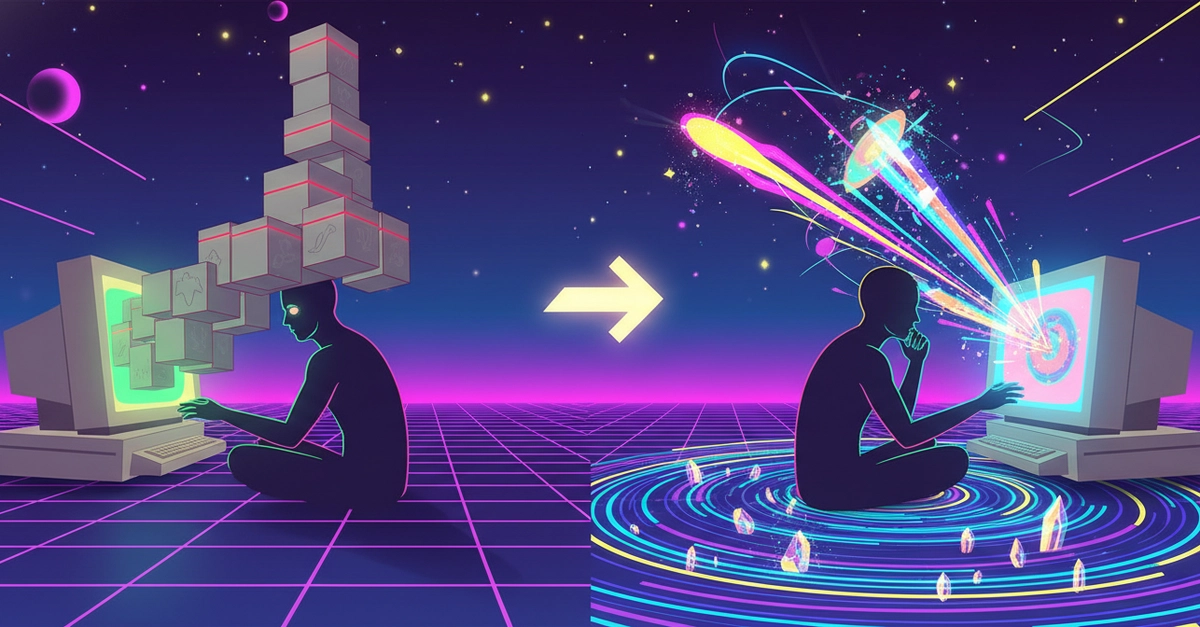
She wondered what might happen if we start outsourcing an increasing amount of our idea generation to AI before wrestling with it ourselves. Would we get fewer dopamine hits that come with figuring things out? And if those “Aha!” moments become rarer, what else might our brains be losing?
It turns out those “Aha!” moments are indeed giving us more than just small pleasures; there is growing evidence that they change our brain entirely, shaping what we learn and remember, and perhaps even play a role in protecting our long-term brain health. Luckily, as we head into an AI-driven world, there is something we can do to protect ourselves from losing out, aside from cancelling our ChatGPT subscription altogether.