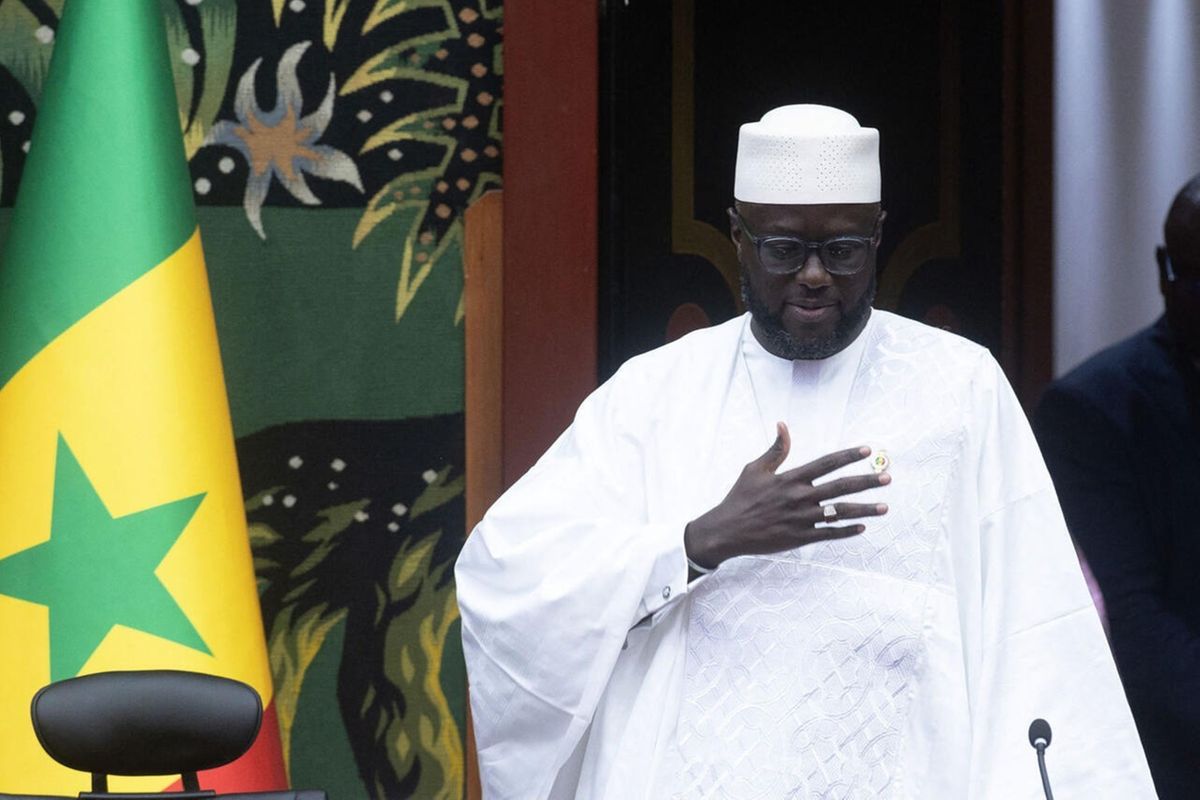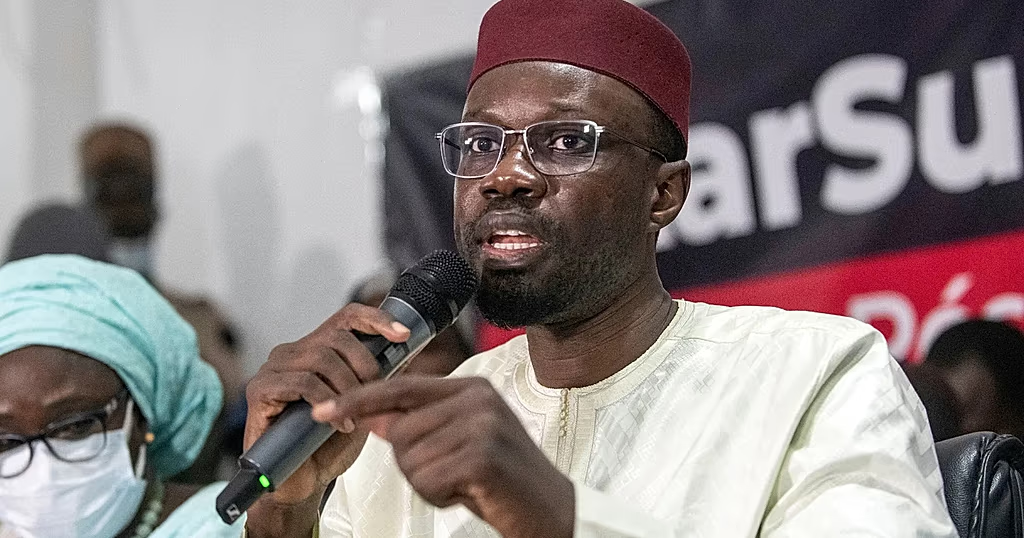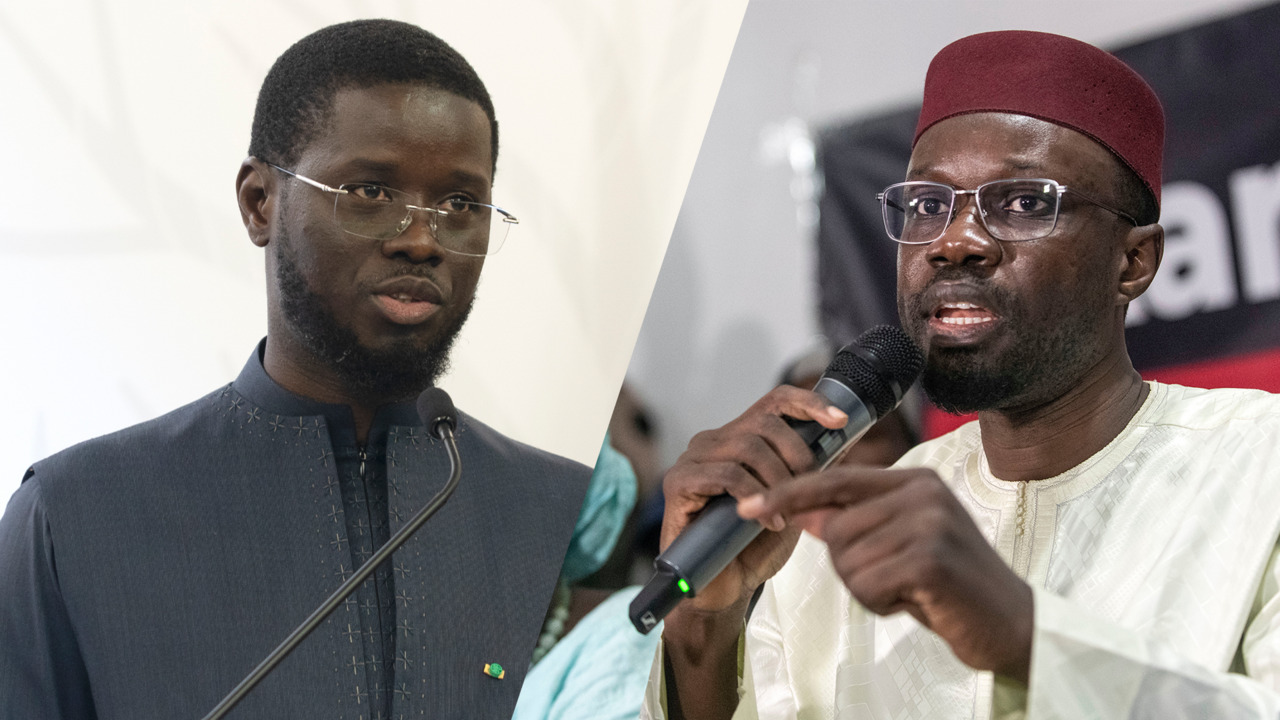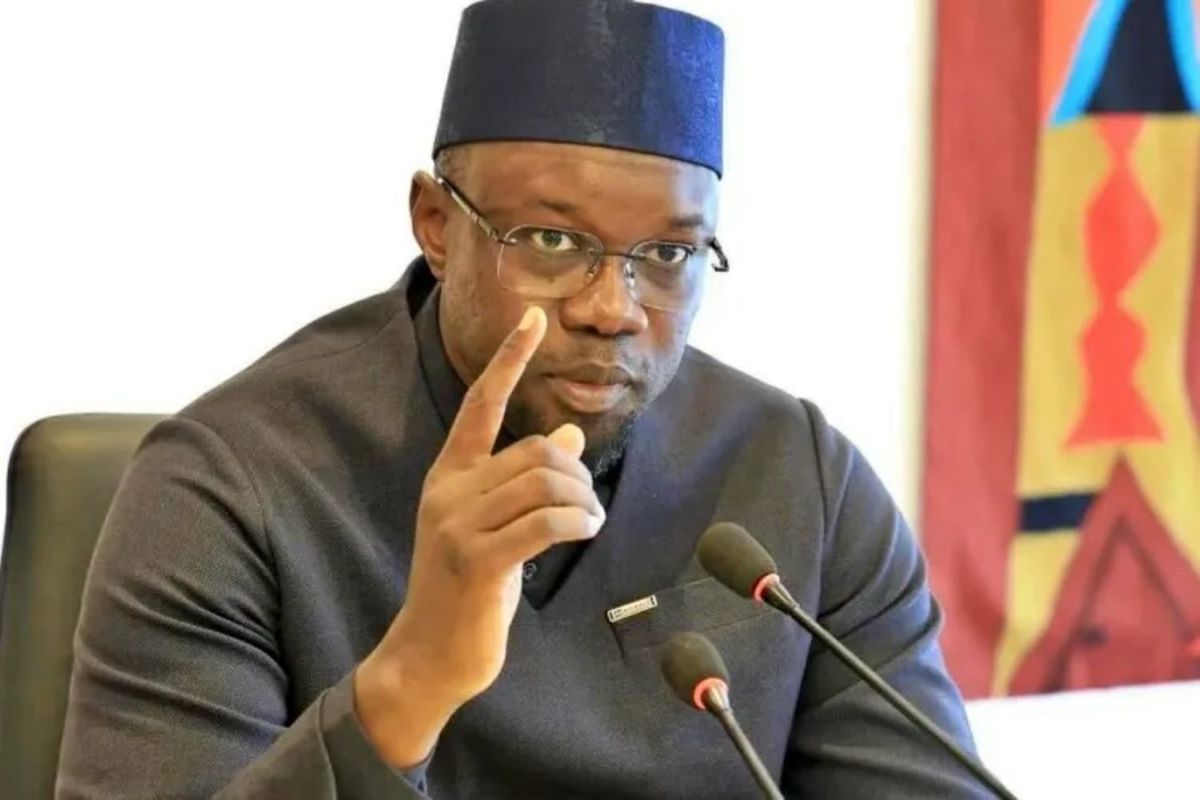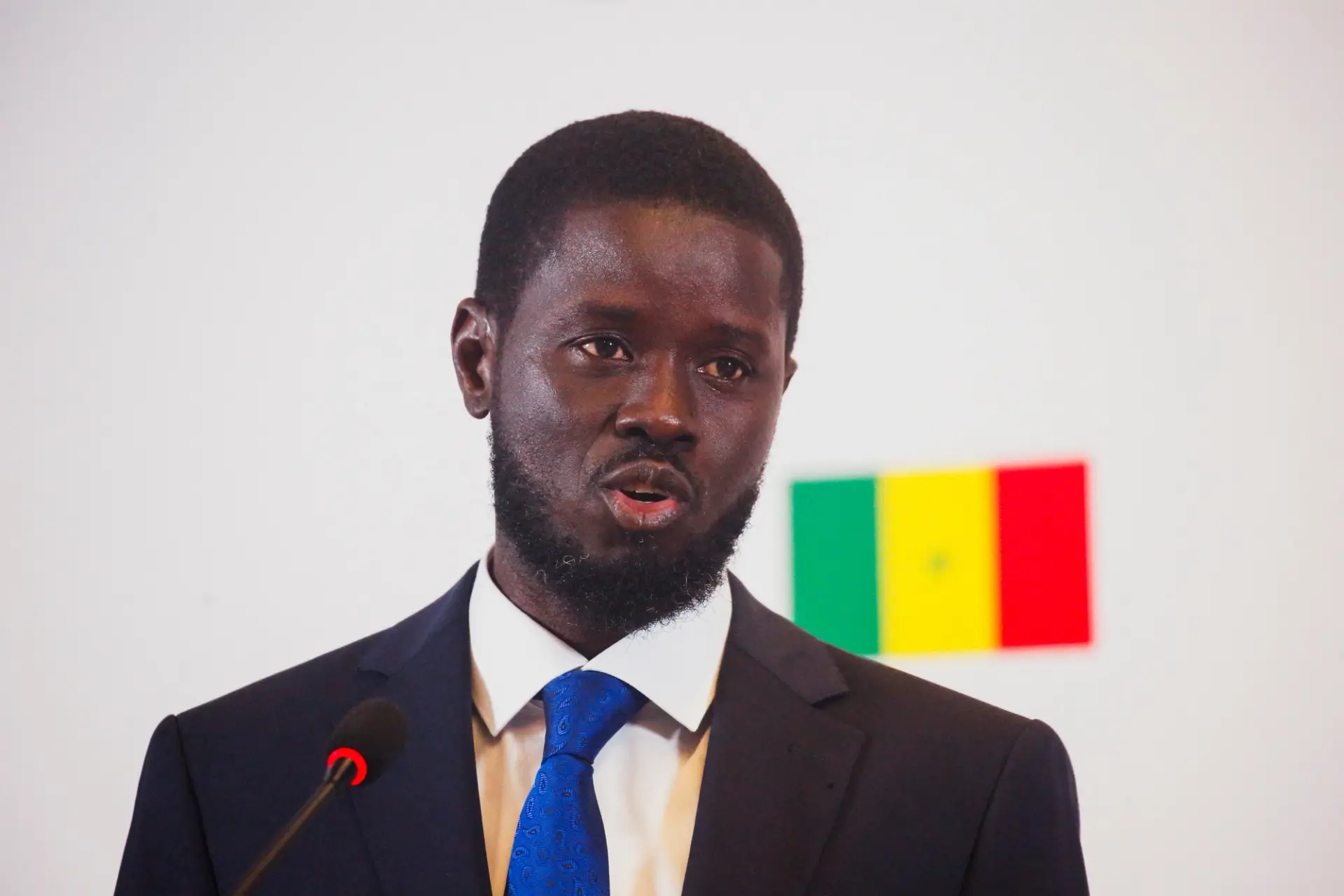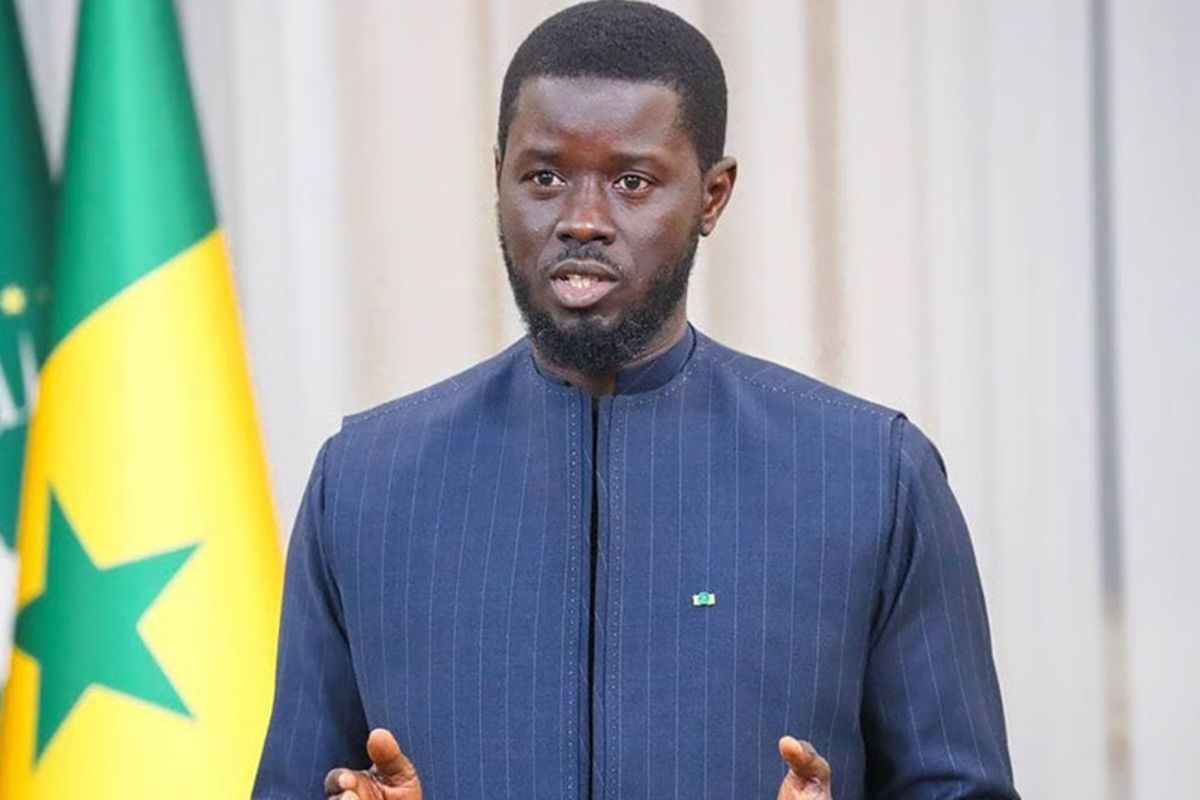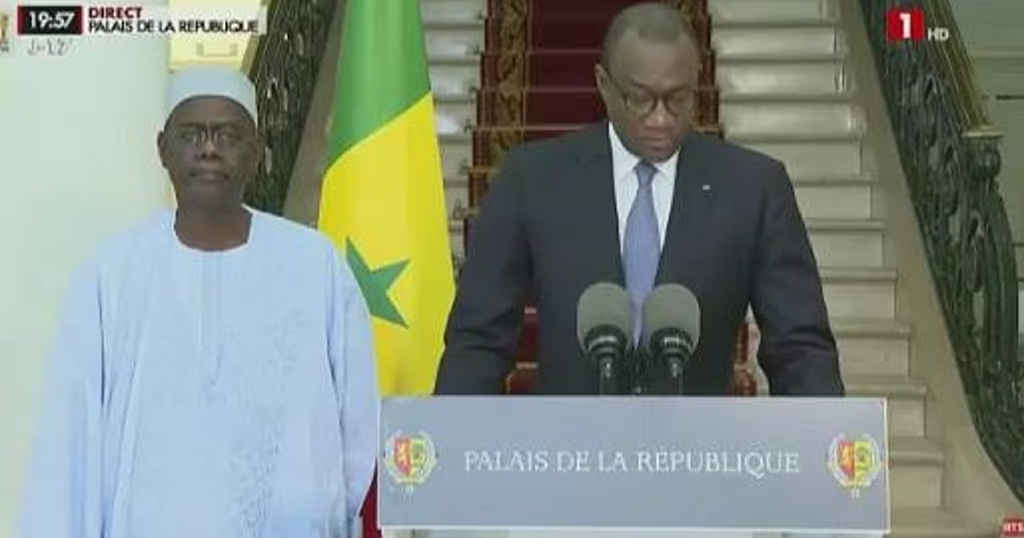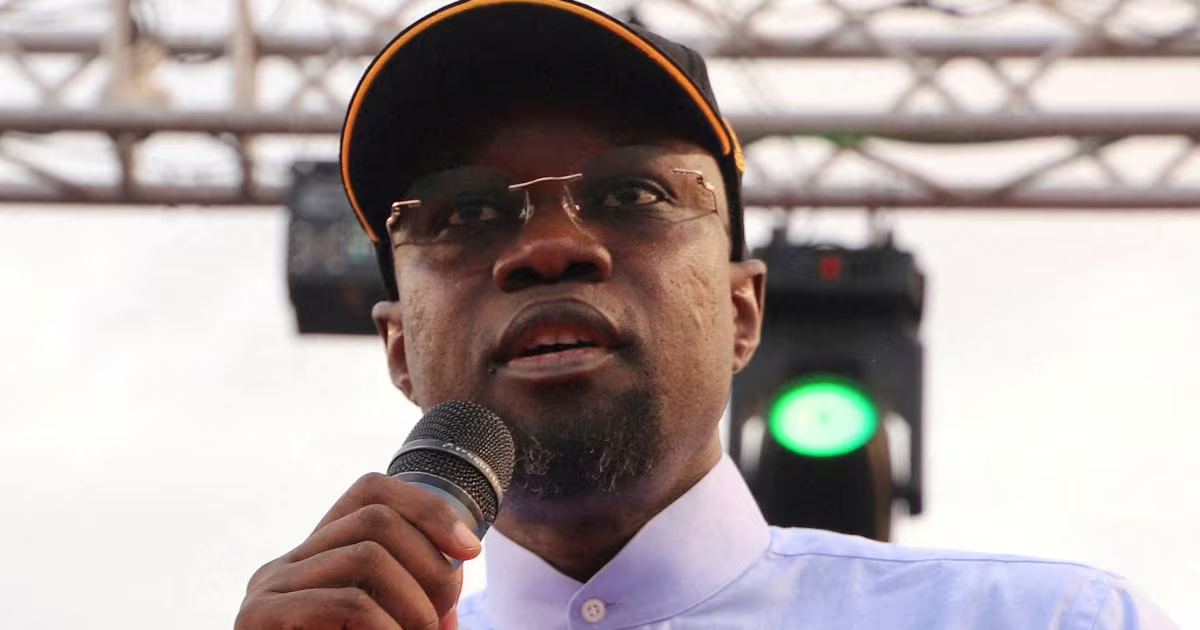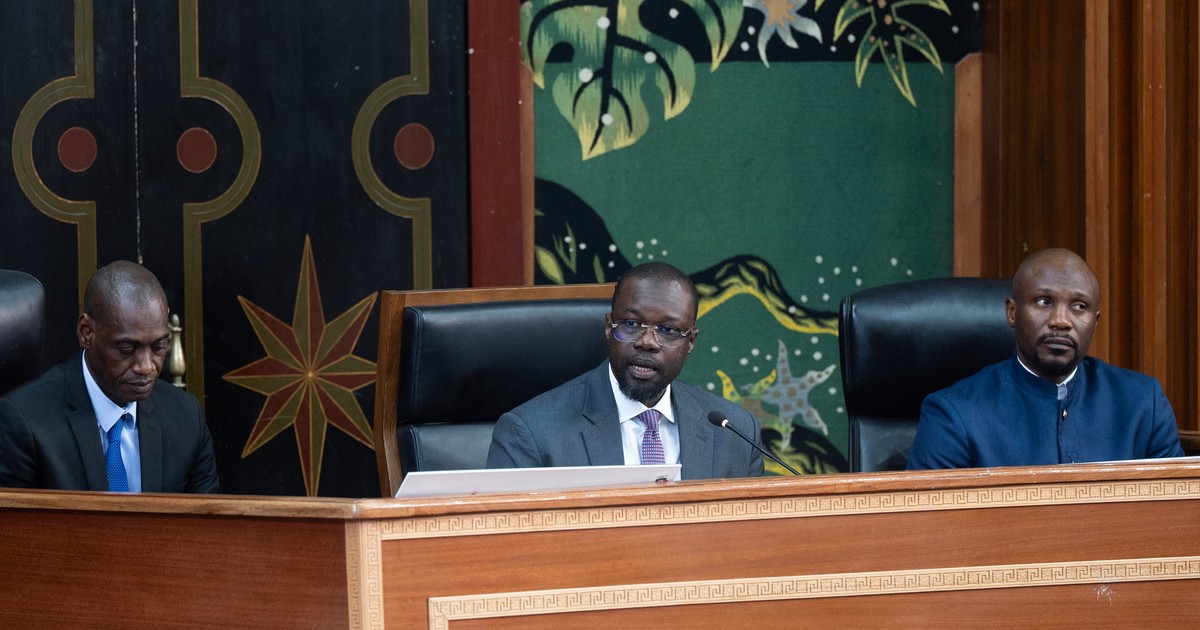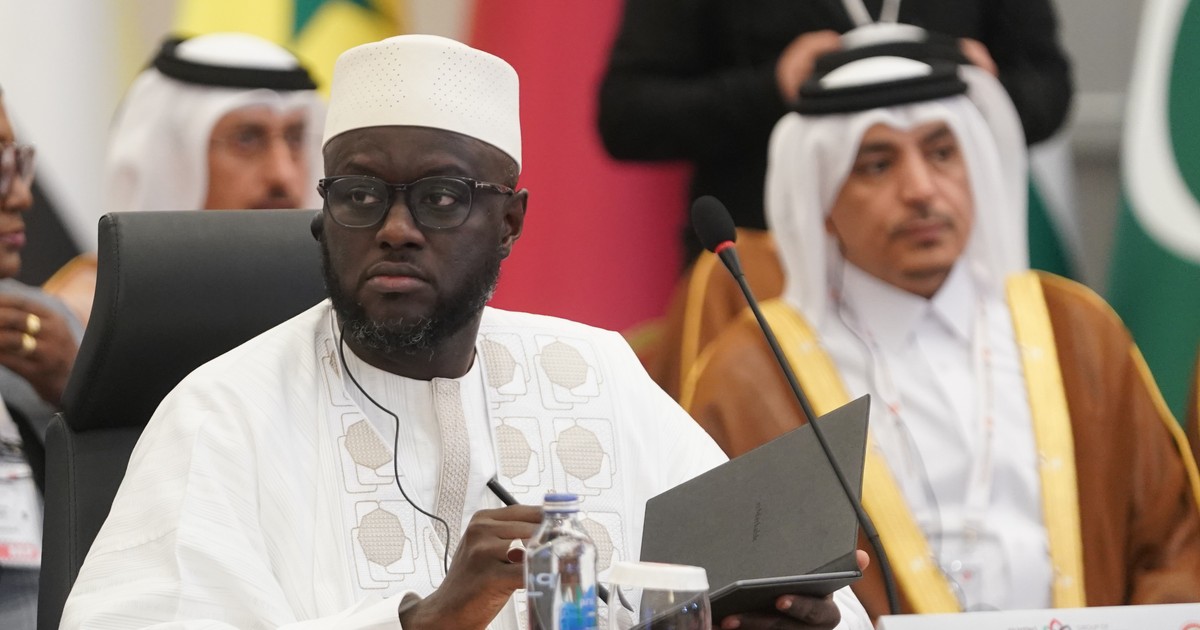
Senegal’s political crisis intensified on Sunday after parliamentary speaker El Malick Ndiaye announced his resignation, just two days after President Bassirou Diomaye Faye fired Prime Minister Ousmane Sonko in a dramatic rupture within the country’s ruling alliance.
Ndiaye’s departure is widely seen as a move that could clear the way for Sonko, once regarded as the most powerful figure in Senegal’s governing coalition, to seek control of the National Assembly, where the ruling Pastef party holds a commanding majority.
The development threatens to deepen uncertainty in one of West Africa’s most closely watched democracies at a time when Senegal is battling a worsening debt crisis and is engaged in delicate negotiations with the International Monetary Fund (IMF).
In a statement posted on Facebook, Ndiaye described his resignation as “a personal choice” guided by “the greater interest of the nation.” But the timing of the decision immediately fuelled speculation that Sonko’s allies are repositioning for a broader political confrontation with President Faye.
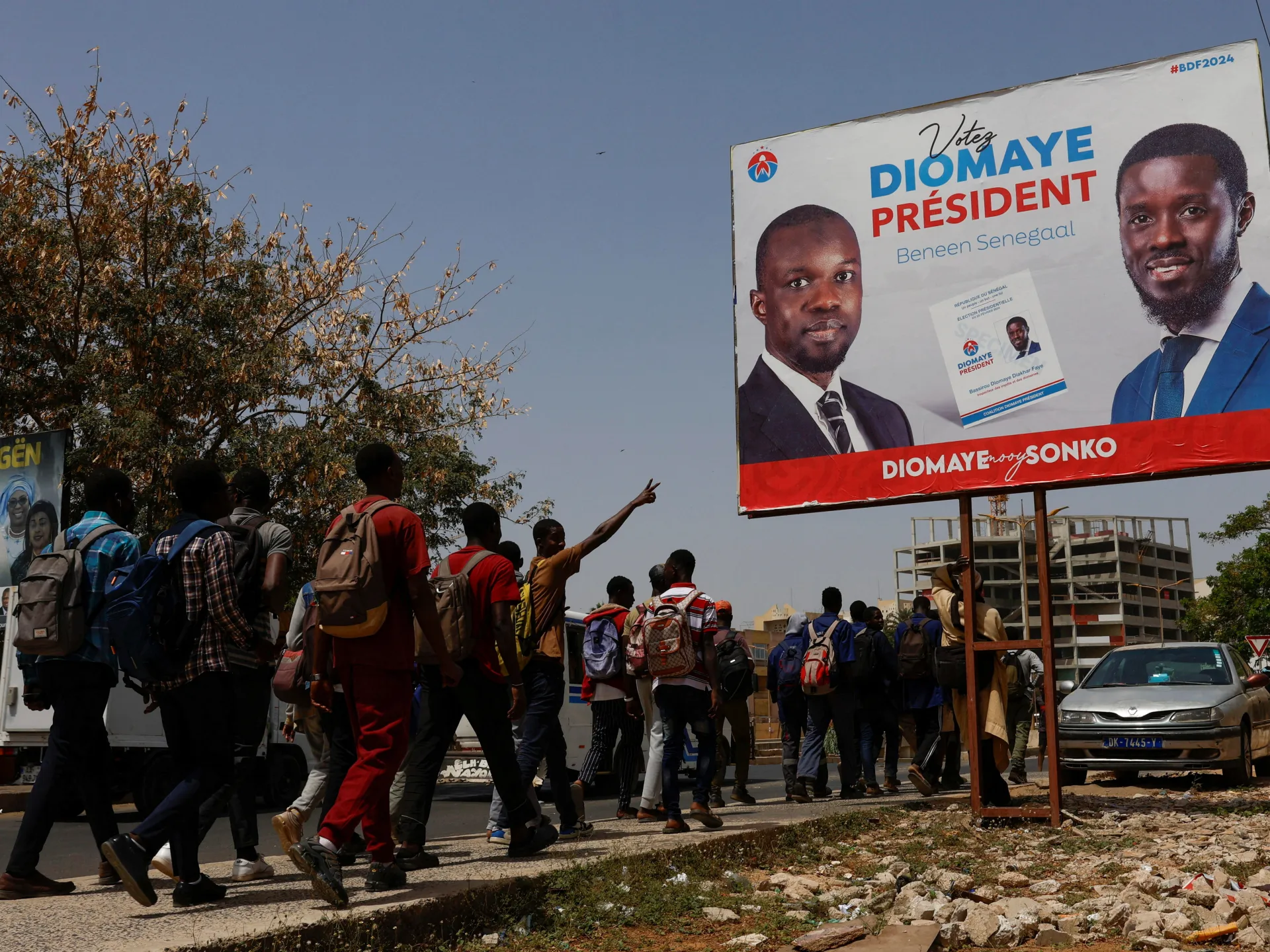
The fallout marks a stunning breakdown in the partnership that swept Pastef to power in 2024 on promises to overhaul governance, tackle corruption and restore public trust after years of political unrest under former president Macky Sall.