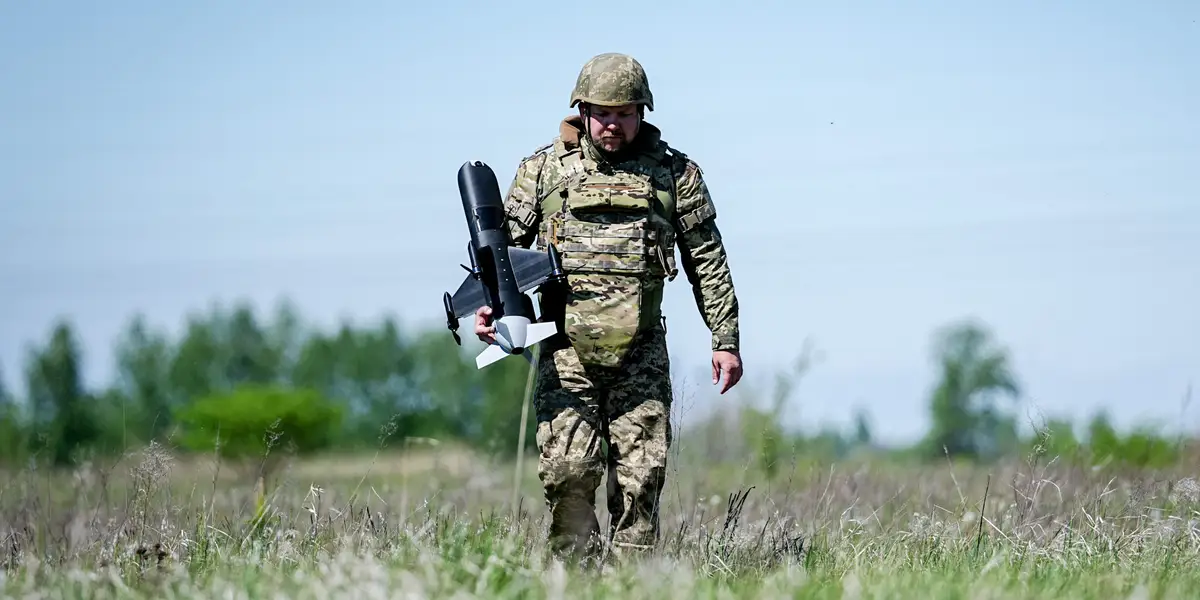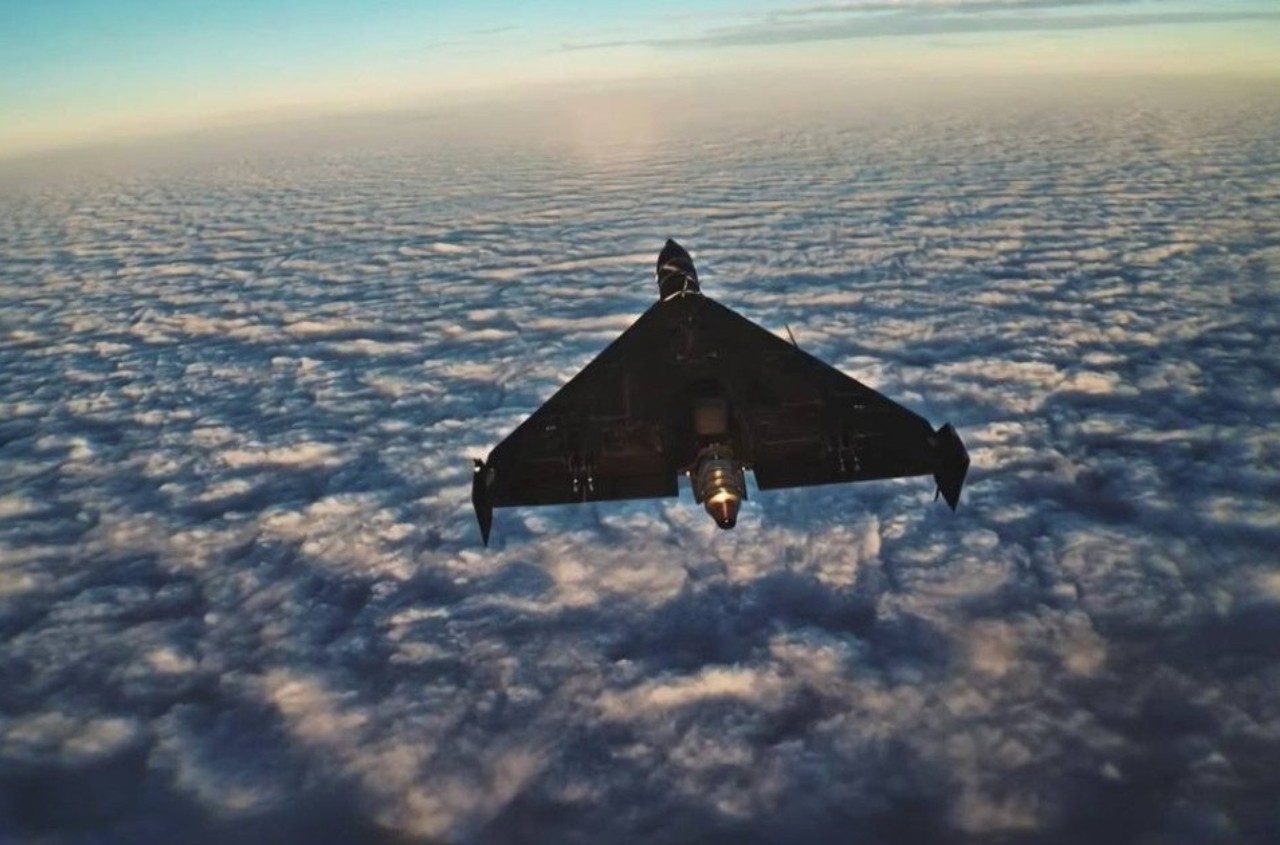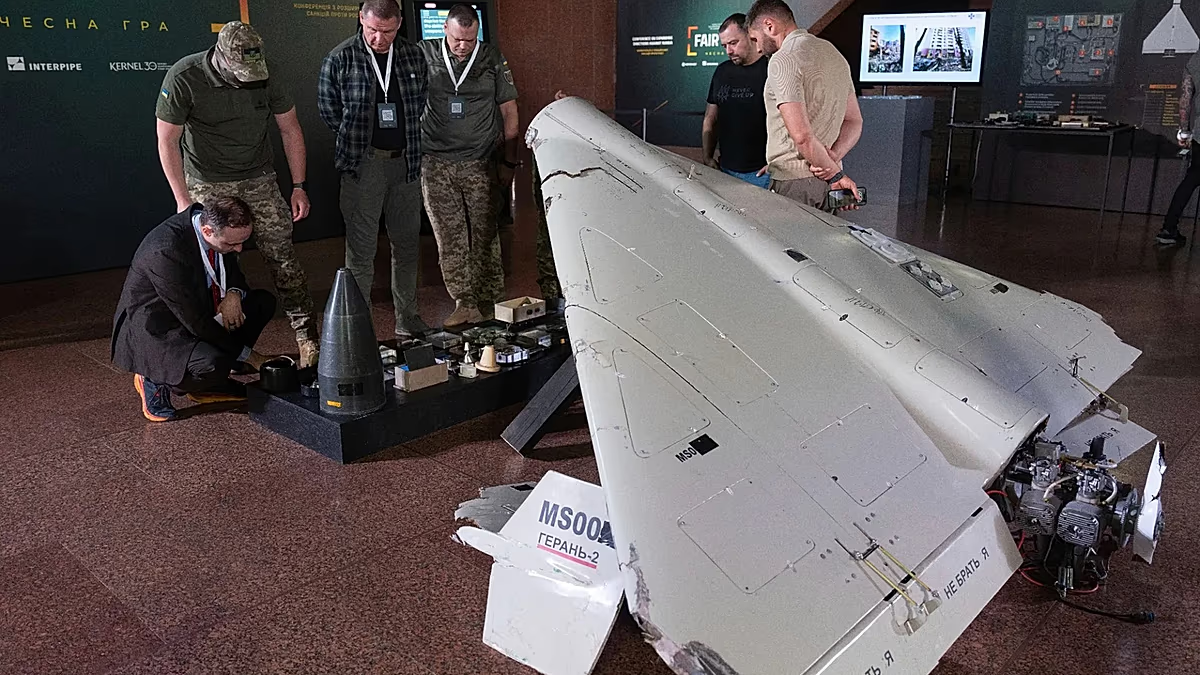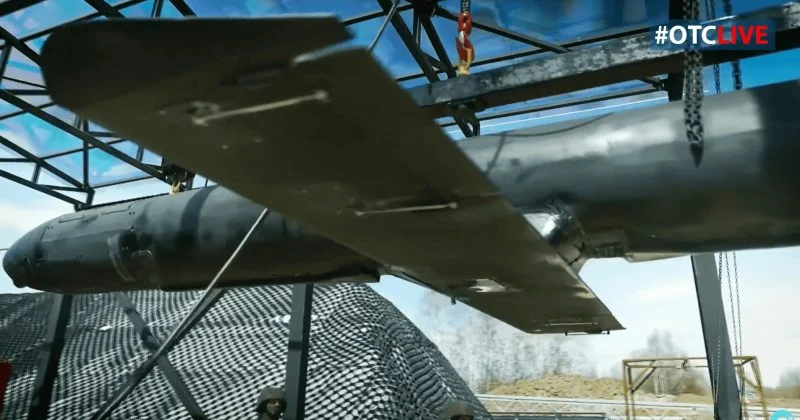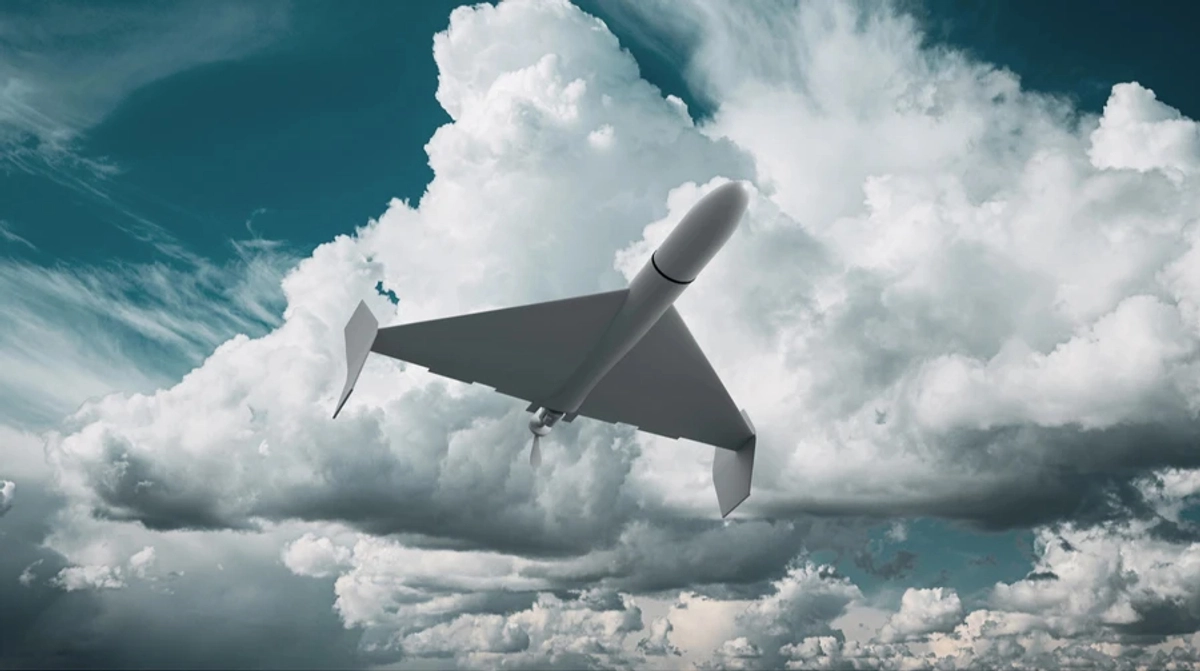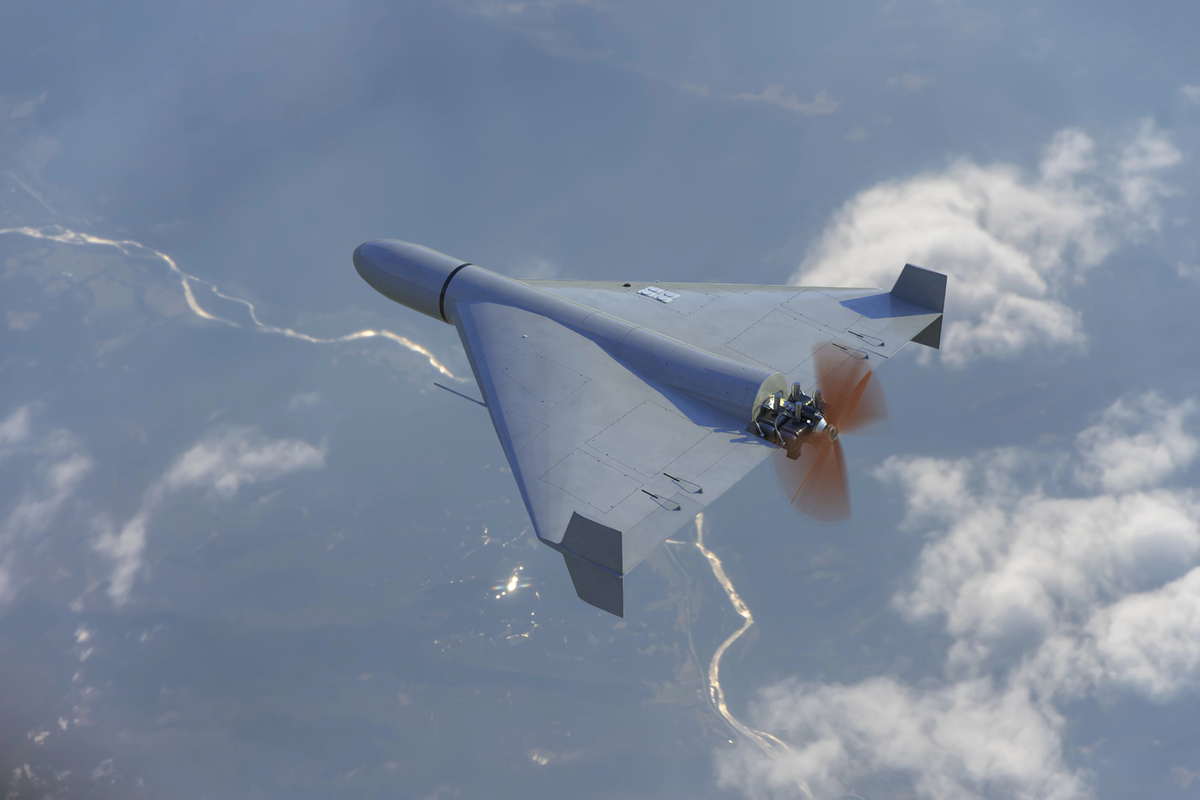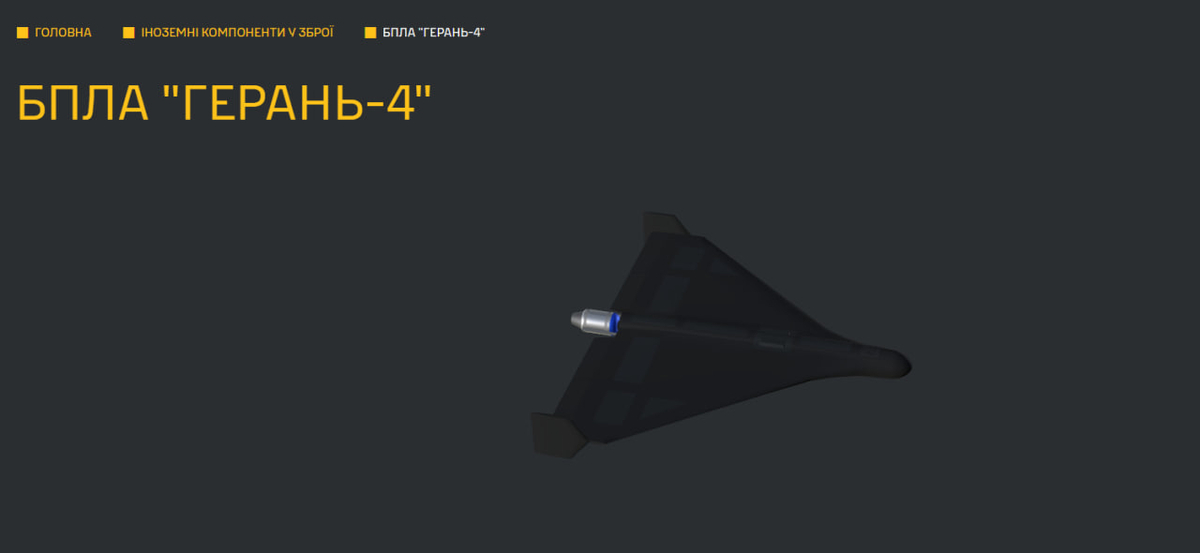
In a statement published on Monday, HUR said Moscow introduced the unmanned aerial vehicle (UAV) in May 2026 to counter the growing effectiveness of Ukrainian interceptor drones. The agency said the drone is part of a broader effort to improve earlier models, which showed structural weaknesses at high speeds and during sharp maneuvers.JOIN US ON TELEGRAMFollow our coverage of the war on the @Kyivpost_official. Reports of Geran-4’s sighting in Ukraine emerged as early as January 2026 based on comments from the 413th Raid Battalion of Ukraine’s Unmanned Systems Forces (USF) at the time. In early May, Ukraine’s 1020th Anti-Aircraft Missile Artillery Regiment intercepted a jet-powered drone later identified as the Geran-4 by Defense outlet Militarnyi. What parts are found in the Geran-4? The agency’s War & Sanctions portal said Russia used two types of Chinese-made turbojet engines in the drone: the Telefly LX-WP-160 and the Telefly TF-TJ2000A, the latter previously identified in the “Geran-5” model. The War & Sanctions platform documents foreign components used in Russian systems and tracks companies involved in their production. HUR said the “Geran-4” features a redesigned airframe with improved aerodynamics, a reinforced structure and a more powerful turbojet engine. Its wings are permanently attached to the fuselage, and the number of maintenance hatches has been reduced to lower air resistance. HUR said the onboard control system uses components similar to those found in earlier drones produced by Russia’s Alabuga facility.
Ukraine Intelligence Reports Russia Using New High-Speed ‘Geran-4’ Drone
Sightings of the jet-powered drone emerged as early as January 2026, but the latest report from Ukrainian intelligence has now confirmed Russia’s deployment of the weapon.
TL;DRAI
Russia's Geran-4 UAV, deployed in May 2026, reaches speeds of 300-500 km/h, carries up to 90 kg warhead, and uses Chinese-made Telefly turbojet engines — built to evade Ukrainian interceptor drones. For defense-adjacent tech managers, the drone highlights dual-use export control gaps: commercial Chinese components are now embedded in frontline Russian weapons, reinforcing pressure for stricter supply chain compliance on precision parts and avionics.
479 words~2 min read