The federal government’s pause on new loans for anaerobic digesters, the controversial method of converting animal manure from large-scale feeding operations into biogas, will now extend through the end of the year.
The U.S. Department of Agriculture explained the move in financial terms, saying digester projects had “significant delinquency rates and realized losses.”
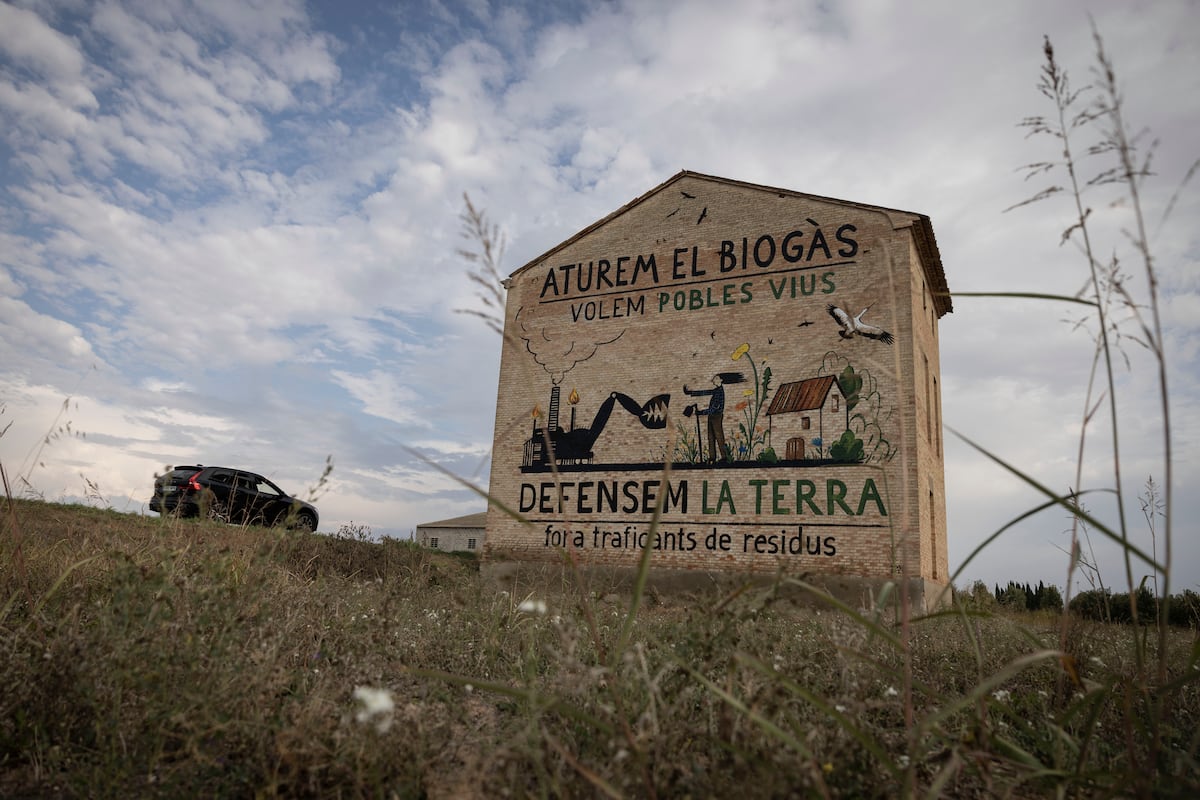
Digesters are intended to cut greenhouse gas emissions. The Trump administration has targeted climate efforts across the federal government—but unlike many initiatives pitched as climate-friendly, digesters are popular with the agricultural industry and viewed with concern by environmentalists.
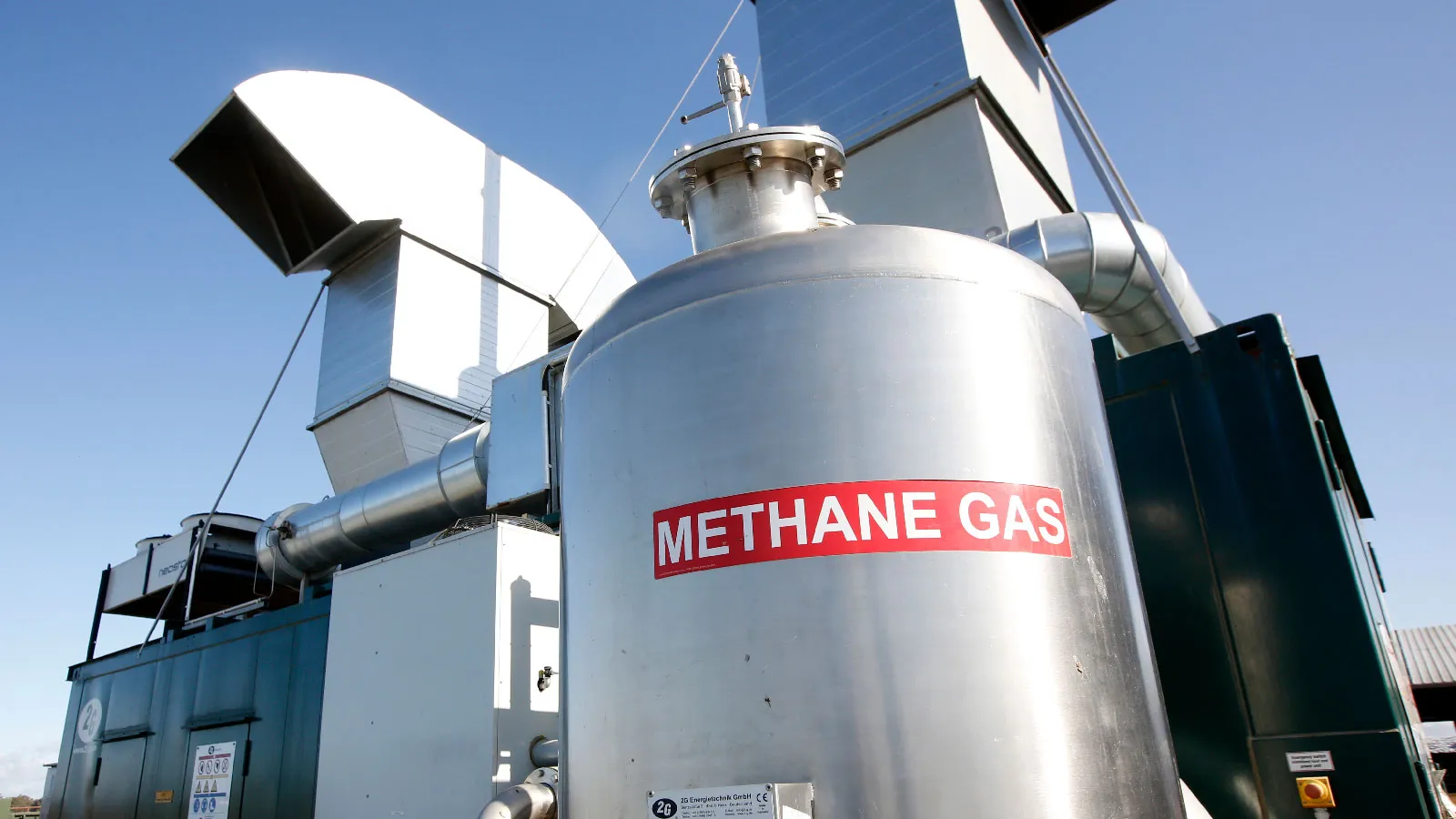
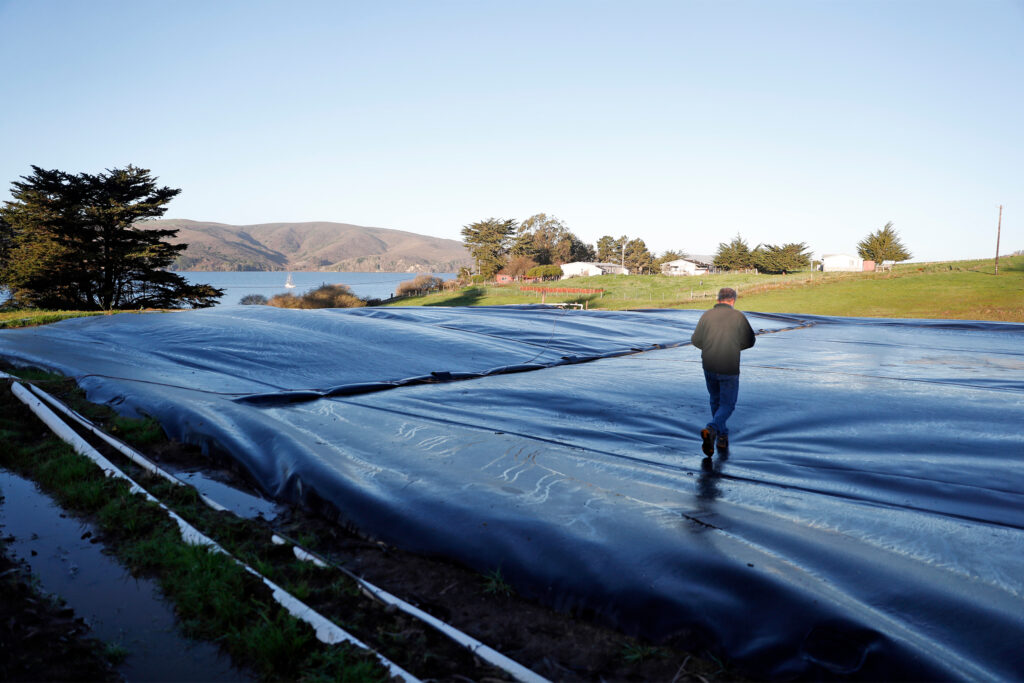
Digesters cover open-air manure pits with massive black tarps that expand as they trap gas—made up mostly of methane and carbon dioxide. The gas, intended to be burned for energy, can be captured via tanks too.
Hundreds of these projects operate on large-scale concentrated animal feeding operations, or CAFOs, in the United States, particularly in California, North Carolina, Idaho and Iowa.