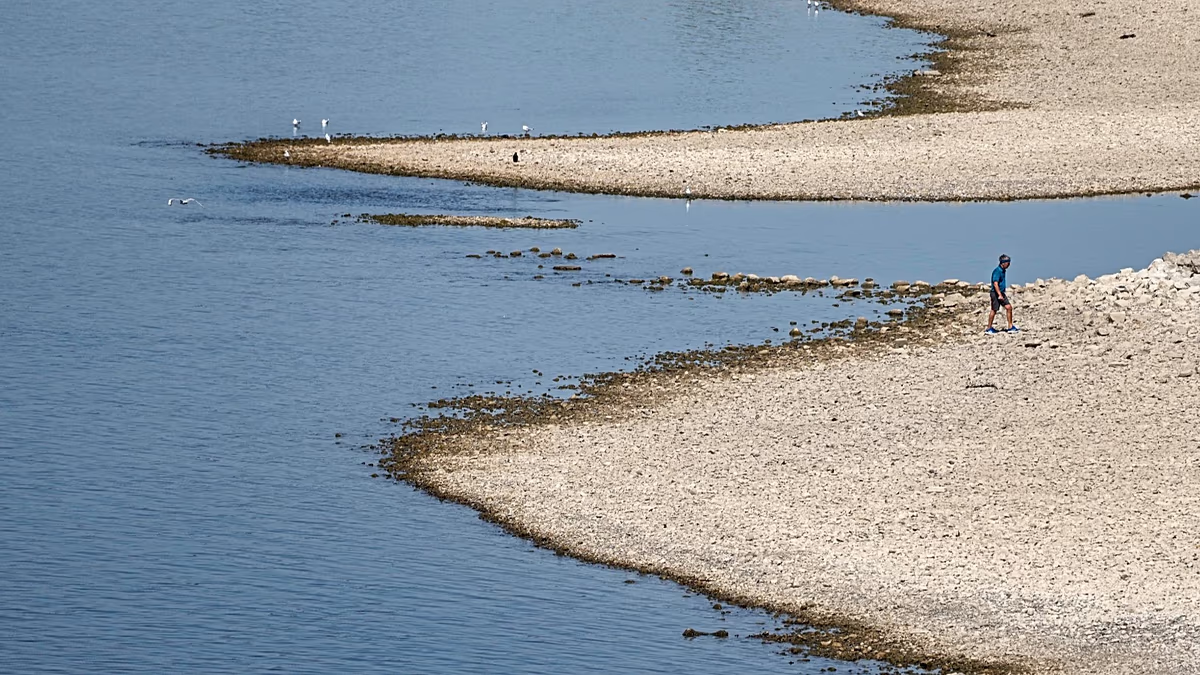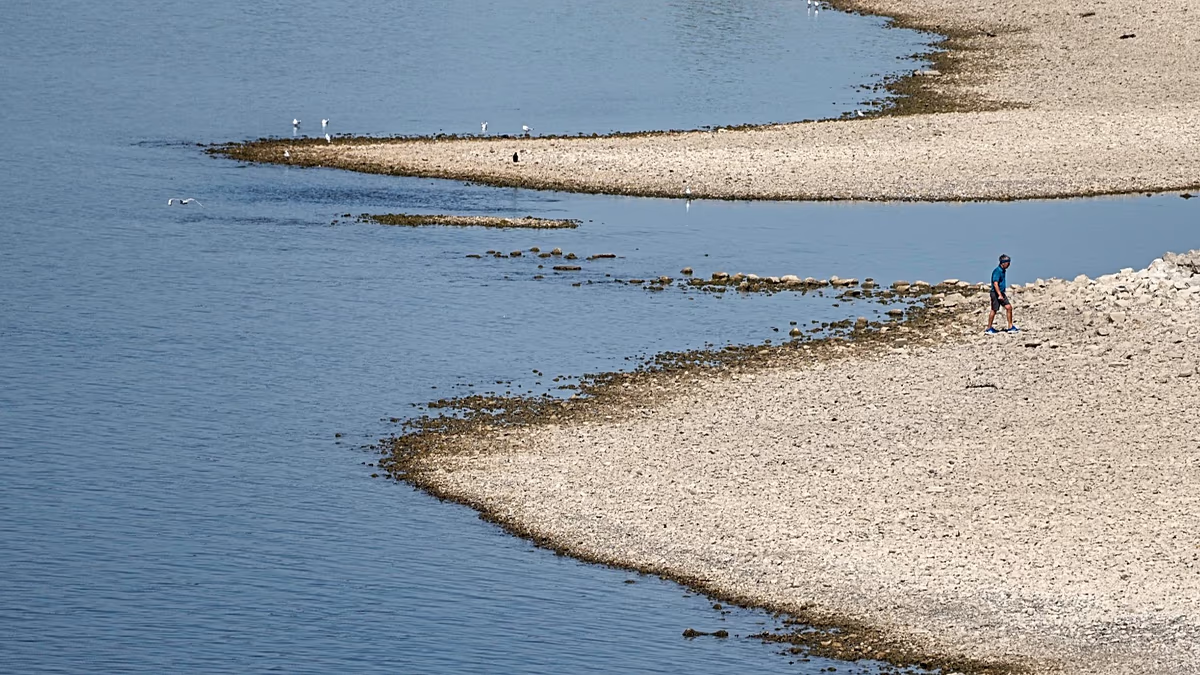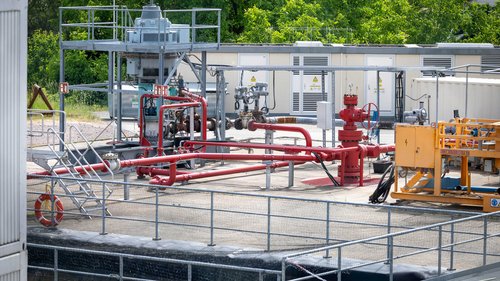
From Frankfurt to Basel, deep underground lies a treasure that supplies more than five million people in the region with drinking water. It is Europe’s largest groundwater reserve. It stretches for around 300 kilometres below the surface and feeds, for example, the Upper Rhine and numerous wetlands.
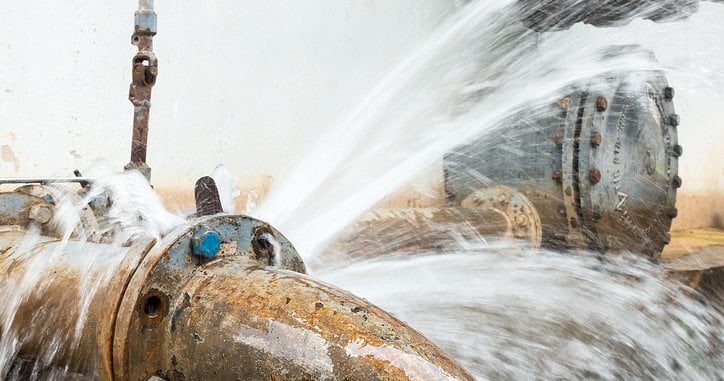
But this huge groundwater reservoir is heavily polluted, as a study published in June has shown. Plant protection products, pharmaceutical residues and synthetic industrial chemicals, so‑called per- and polyfluoroalkyl substances (PFAS), are contaminating the groundwater; corresponding trace substances have been detected.
This underground basin with a capacity of 150 billion cubic metres is not only vital for drinking water, it also has an impact on countless animal and plant species. New discoveries are made again and again, such as the groundwater crustacean species “Parabathynella baden-wuerttembergensis”. A journey beneath the surface between Germany, France and Switzerland.
Underground: the invisible river in the Rhine Valley
The reservoir extends from Frankfurt am Main across the French border to Strasbourg and further south to Basel in Switzerland. The volume of water is hard to grasp – 150 billion cubic metres corresponds to roughly 60 million Olympic-sized swimming pools.