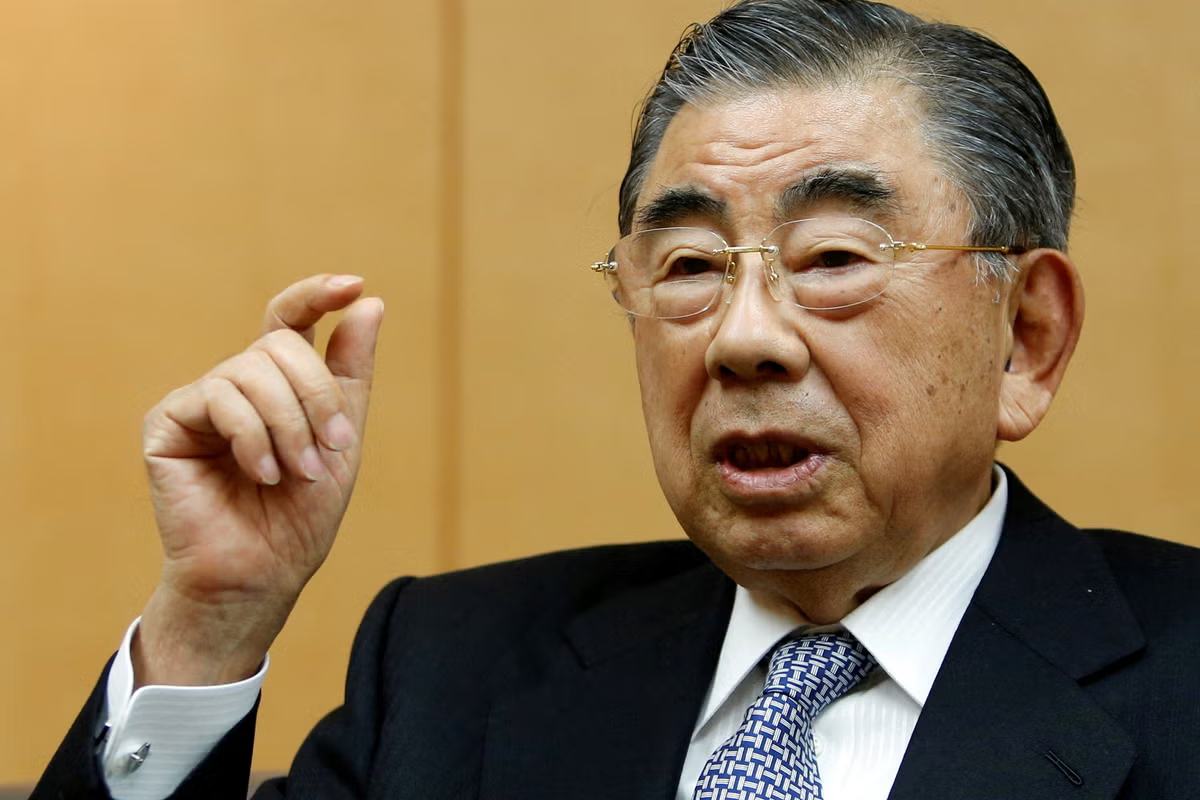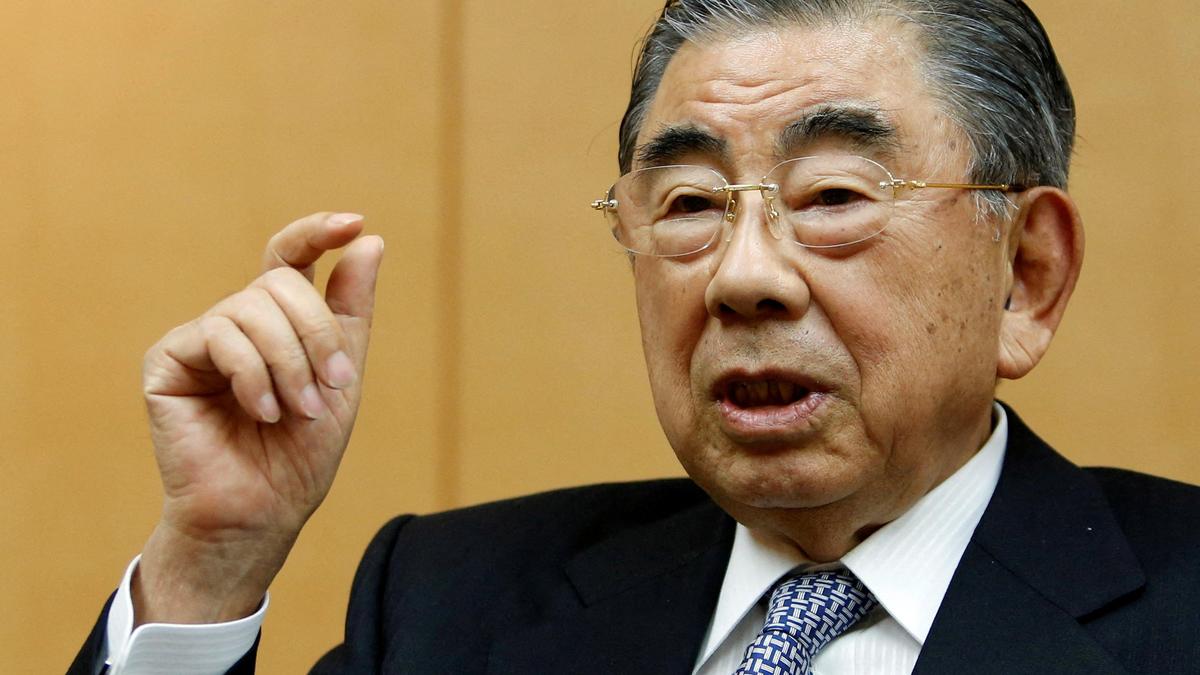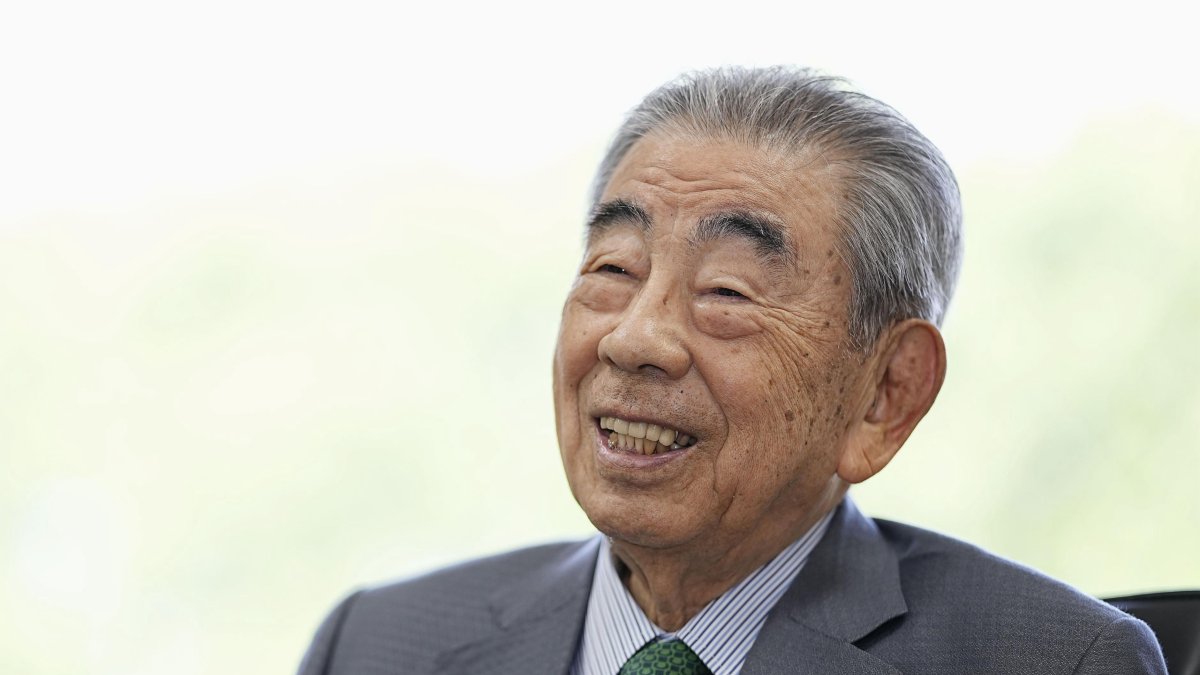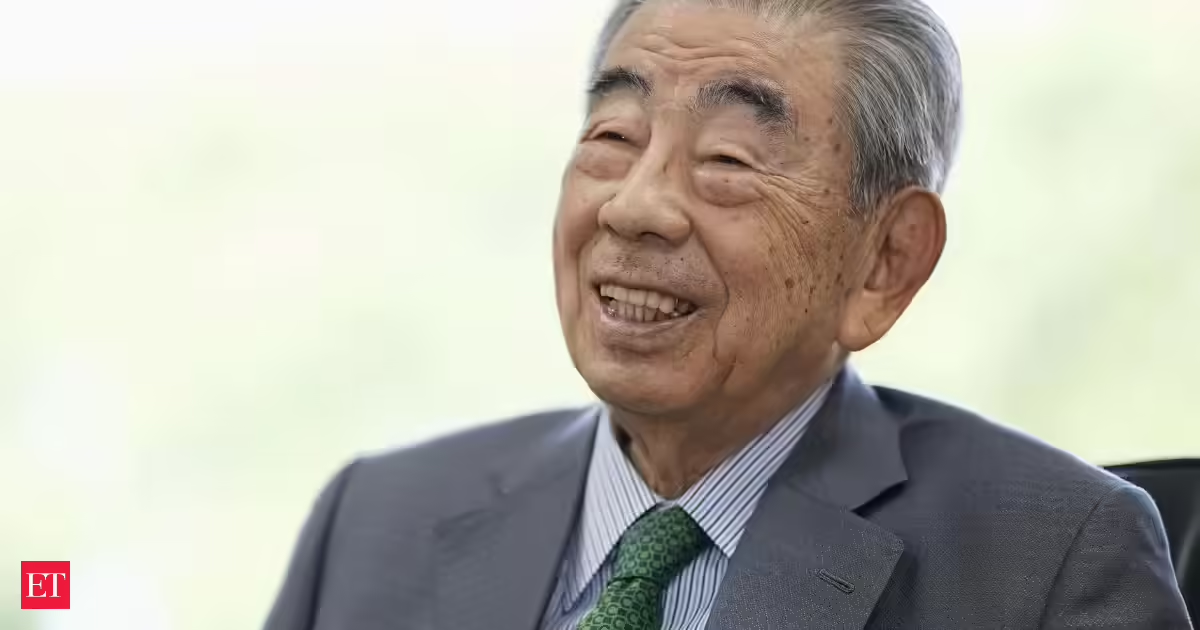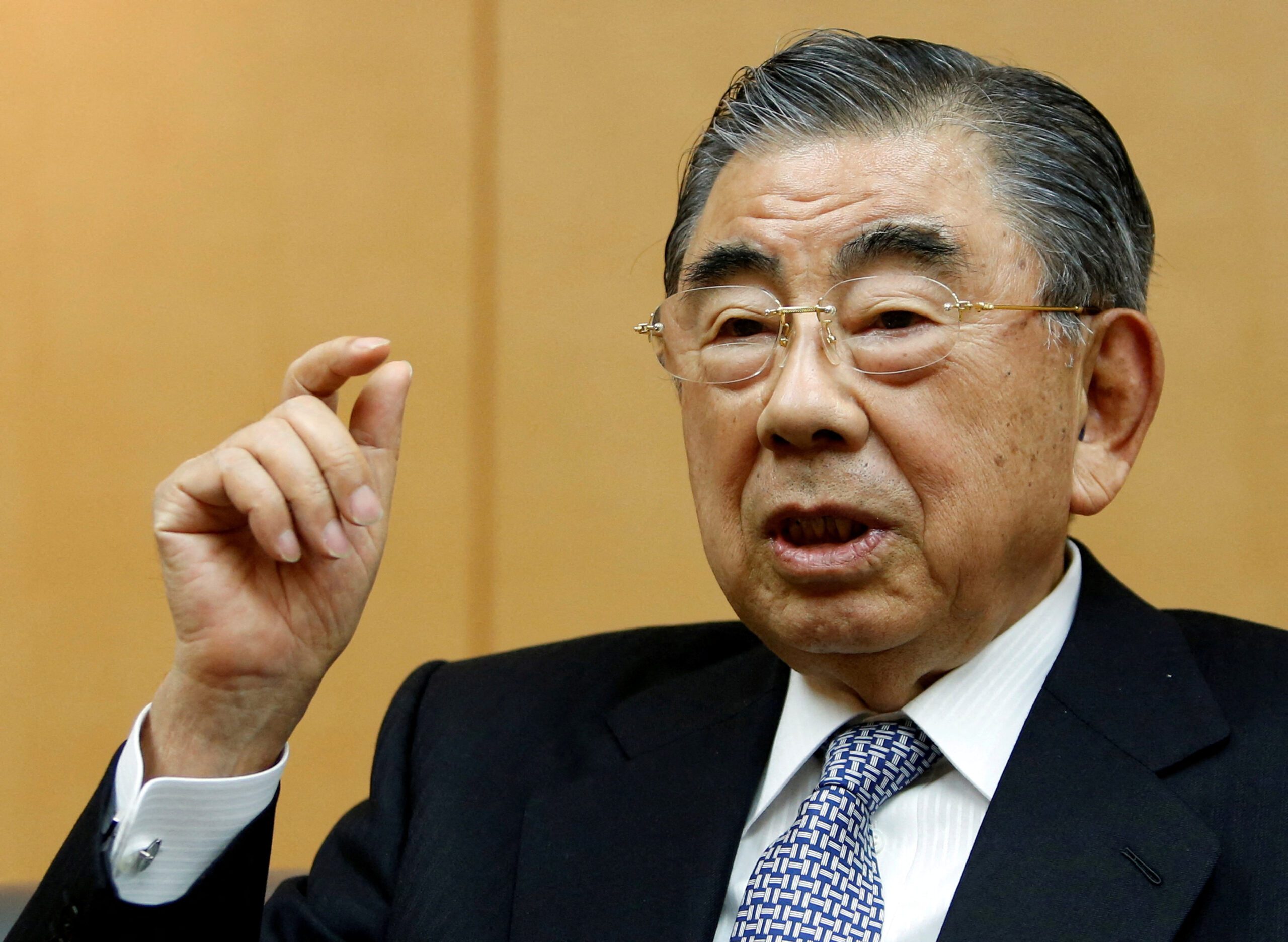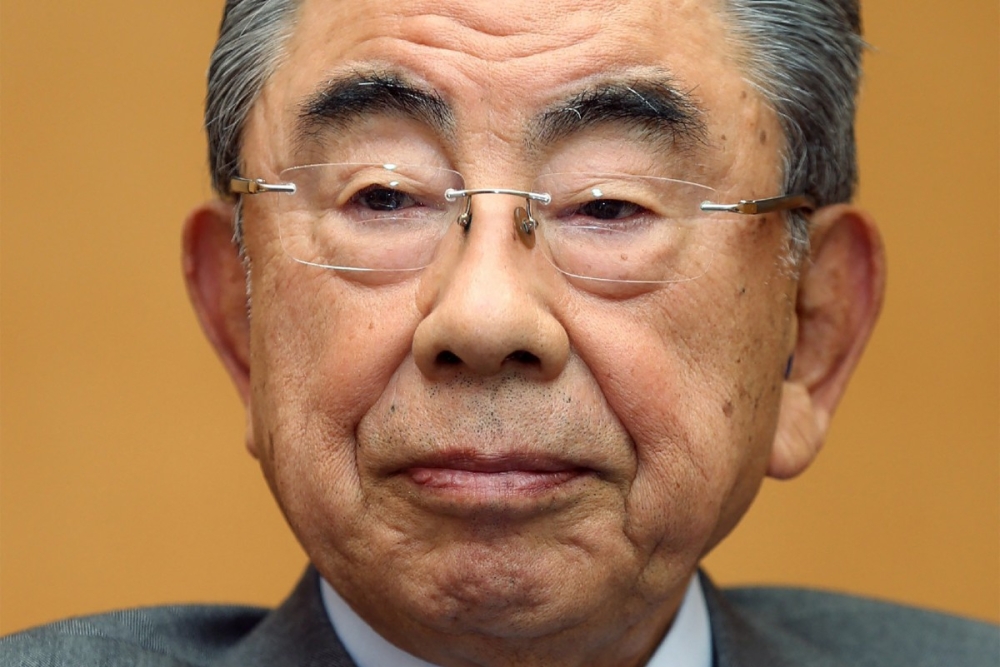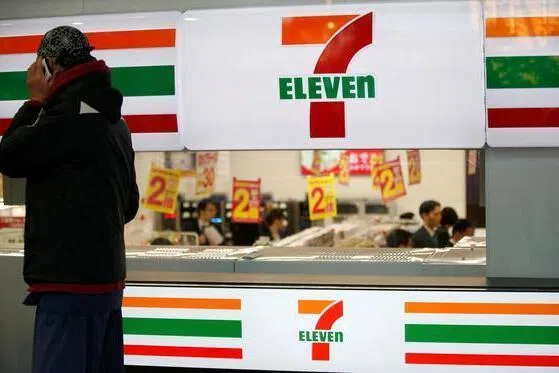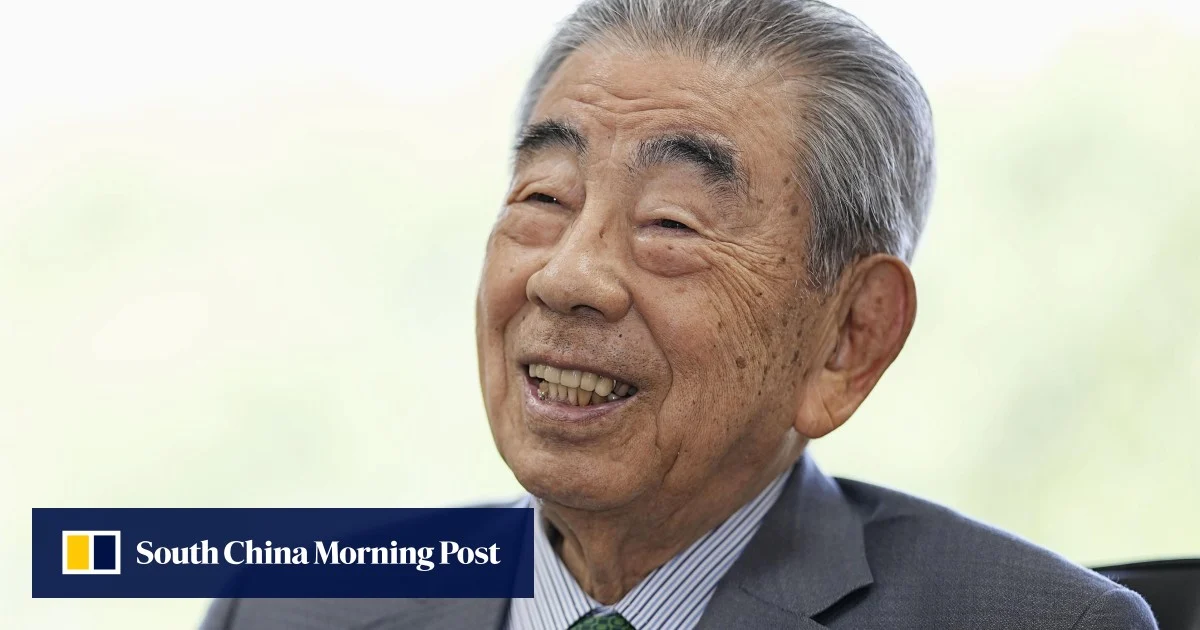
Former chairman of Seven & i Holdings Toshifumi Suzuki, credited for the global success of 7-Eleven convenience stores, had died at the age of 93, according to the company.Suzuki - known as the “father of the convenience store” in Japan - died due to heart failure on May 18, the company said in a statement on Monday.“We would like to express our deepest gratitude for the kindness shown to him during his lifetime and respectfully inform you of his passing,” the statement said.Suzuki is known for opening the first 7-Eleven in Japan in 1974 and growing the business into the world’s largest convenience store chain, including through turning the struggling US headquarters into a subsidiary of the Japanese company and rebuilding it.Toshifumi Suzuki (right) shakes hands with Millennium Retailing’s then president Shigeaki Wada at a news conference in Tokyo on December 26, 2005. Photo: ReutersThe stores, now numbering more than 80,000 worldwide, are the biggest convenience-store chain in Japan. Busy people can hop in the seemingly ubiquitous “conbini” outlets to grab sandwiches, rice balls, drinks, chips and other meals on the run, use ATMs, pay utility bills and copy documents.Suzuki told the Asahi Shimbun in an interview that he personally came up with the idea of selling rice balls, or onigiri, at 7-Eleven stores. More than 2 billion of the snacks are now sold annually in branches around Japan, according to the newspaper.
Founder of Japan’s 7-Eleven chain Toshifumi Suzuki dies aged 93
The ‘father of the convenience store’ was the first to come up with the idea of selling onigiri at 7-Eleven outlets.
TL;DRAI
Toshifumi Suzuki, former chairman of Seven & i Holdings and architect of 7-Eleven's global expansion, died on May 18 aged 93; under his leadership the chain grew to over 80,000 stores worldwide, including the acquisition of the struggling US parent. His model — high-density, multipurpose retail (ATM, payments, food) — remains the benchmark for convenience retail operators and a reference point for any retailer evaluating last-mile or physical touchpoint strategy.
233 words~1 min read