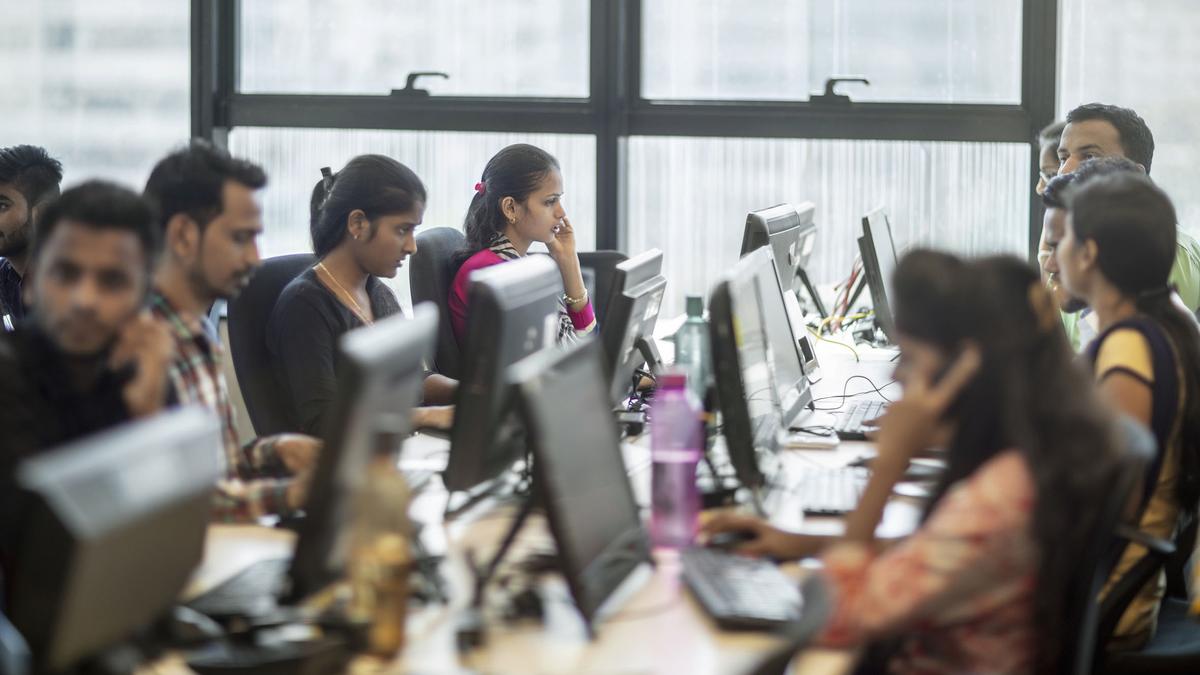
Mental wellness utilisation across India Inc has grown 44% since 2023, pointing to a major behavioural shift in how employees engage with workplace mental healthcare, finds a new report.Gen Z is normalising therapy at work--employees aged 20-25 recorded 203% growth in counselling utilisation over two years--far outpacing the 31-35 age group, which grew just 18%, suggesting a clear generational shift in comfort with seeking mental health support. Counselling utilisation surged 408% in BFSI, the highest among industries studied, followed by healthcare and pharma at 122%, highlighting rising demand in high-pressure sectors, finds the report by digital health benefits platform ekincare.The study 'From Silence to Signal: India Inc’s Mental Wellness Reckoning (2023–2026)' is a data-led analysis of corporate mental health utilisation trends drawn from its counselling sessions ledger across its corporate client base. The findings are based on data from across 6,000 counselling sessions booked between 2023 and 2026.While men are more clinically represented in anxiety and depression than women (38% vs 32%), they often describe their struggles using broader or less direct language, potentially masking underlying mental health concerns. The report also finds that 26.6% of employees who book a counselling session never attend one, revealing a critical drop-off between seeking help and accessing support. Further, the oldest workforce cohort is showing the most clinical need. Among employees aged 35+, 44% of counselling sessions relate to anxiety, depression, or mood concerns.“The conversation around workplace mental health has fundamentally changed. A few years ago, the question was: how do we get employees to use these programmes? Today, usage is no longer a challenge; the challenge is readiness. Are our systems equipped for the scale, complexity, and clinical depth of the demand that is emerging?” said Dr Noel Coutinho, cofounder of ekincare."When one in four employees finds the courage to book a session and still doesn’t show up, the issue is not awareness, it’s psychological safety. Corporate healthcare is no longer a peripheral benefits conversation - it is becoming one of the defining infrastructures through which Indian adults access mental healthcare," he added.The Hyderabad-headquartered platform serves over 2 million employees across 1100+ organisations, including Fortune 500 companies like PepsiCo, BlackRock, and Visa, and has a network of 90,000+ healthcare providers across 500+ cities.
Gen Z is normalising therapy at work: Report
Workplace mental wellness use in India has surged 44% since 2023. Young employees, aged 20-25, are leading this trend, showing a significant increase in counselling. High-pressure sectors like BFSI and healthcare report substantial demand. This indicates a major shift in how employees access mental health support within corporations.
371 words~2 min read