Published May 25th, 2026 - 06:36 GMT
Highlights
Lebanese President Joseph Aoun said Israel’s full withdrawal from southern Lebanon remains a central national objective, stressing that Lebanon rejects ongoing attacks and the continued occupation of villages.
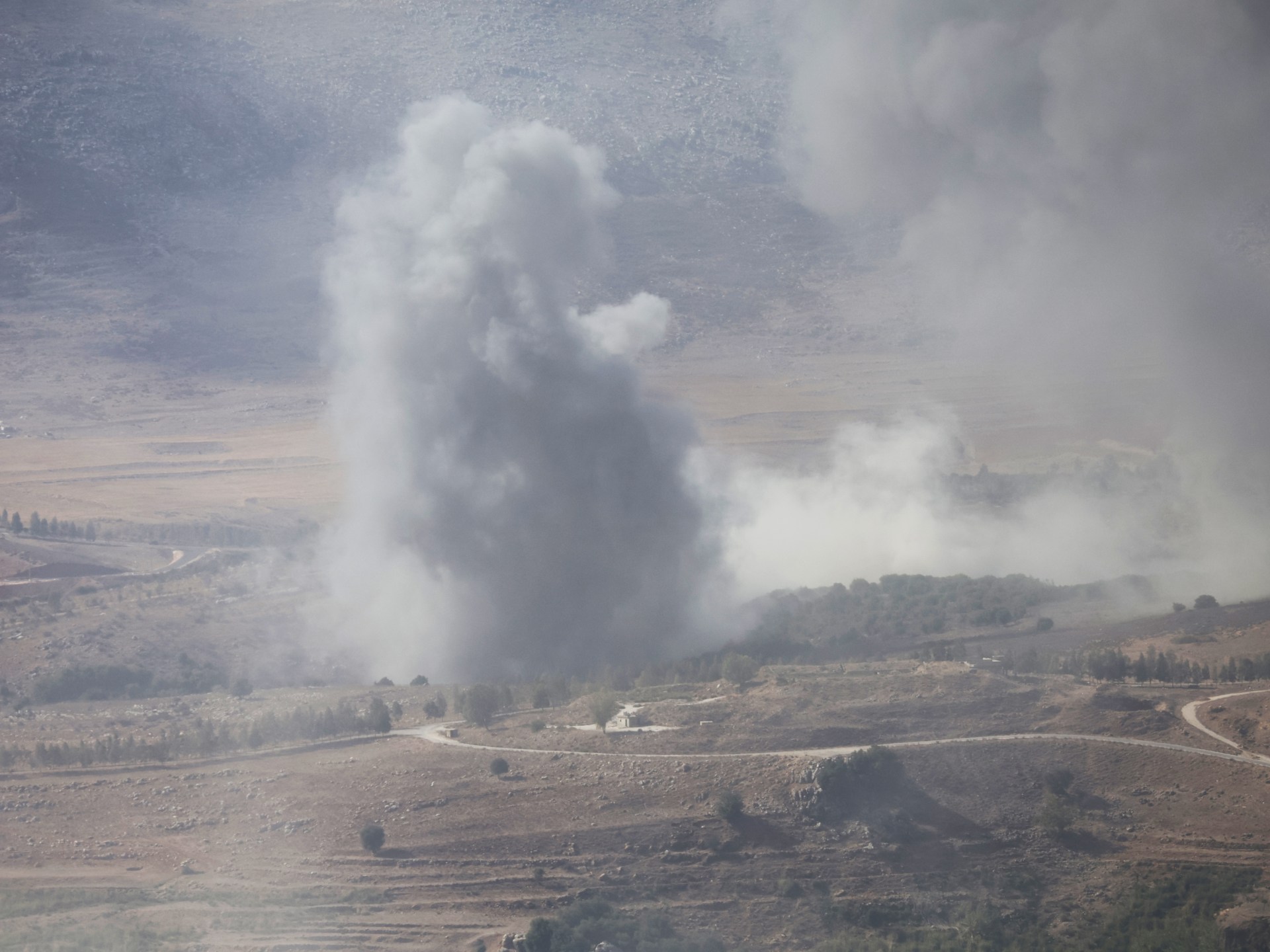
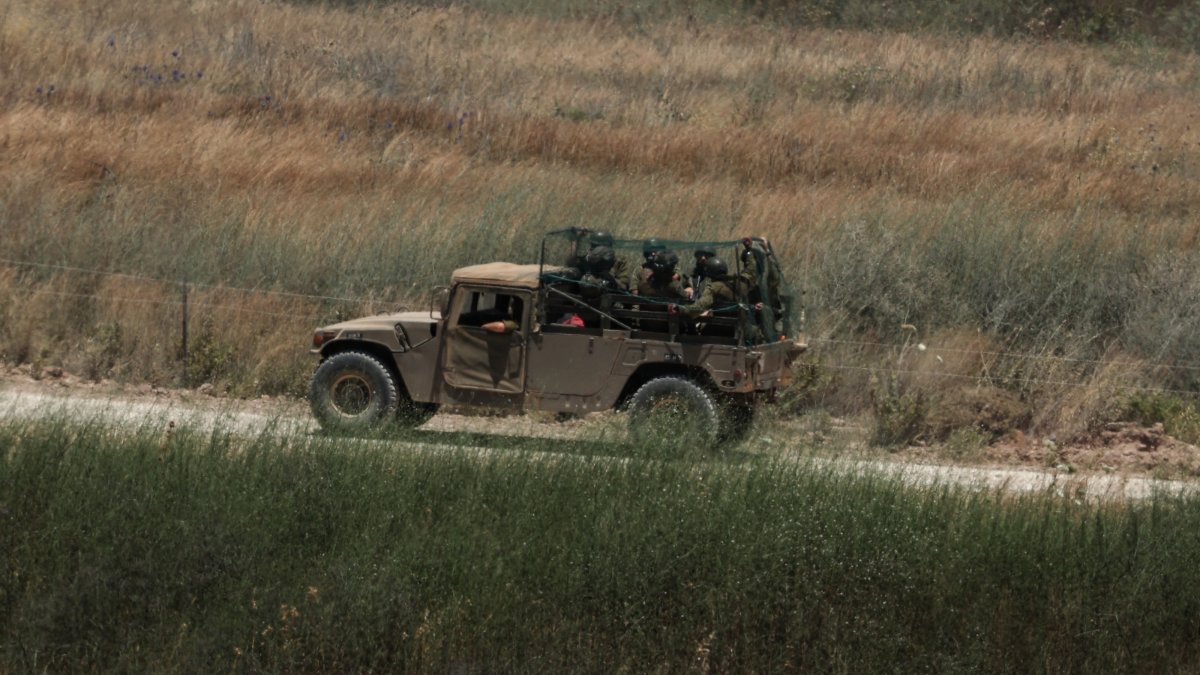
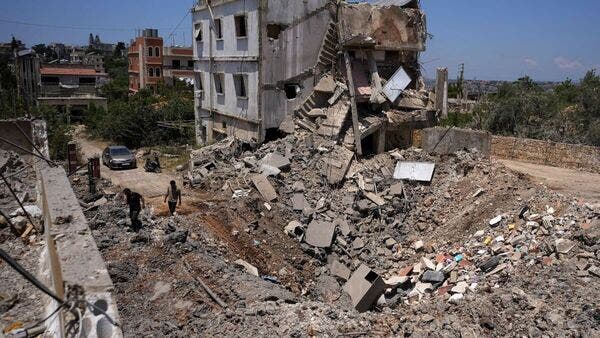
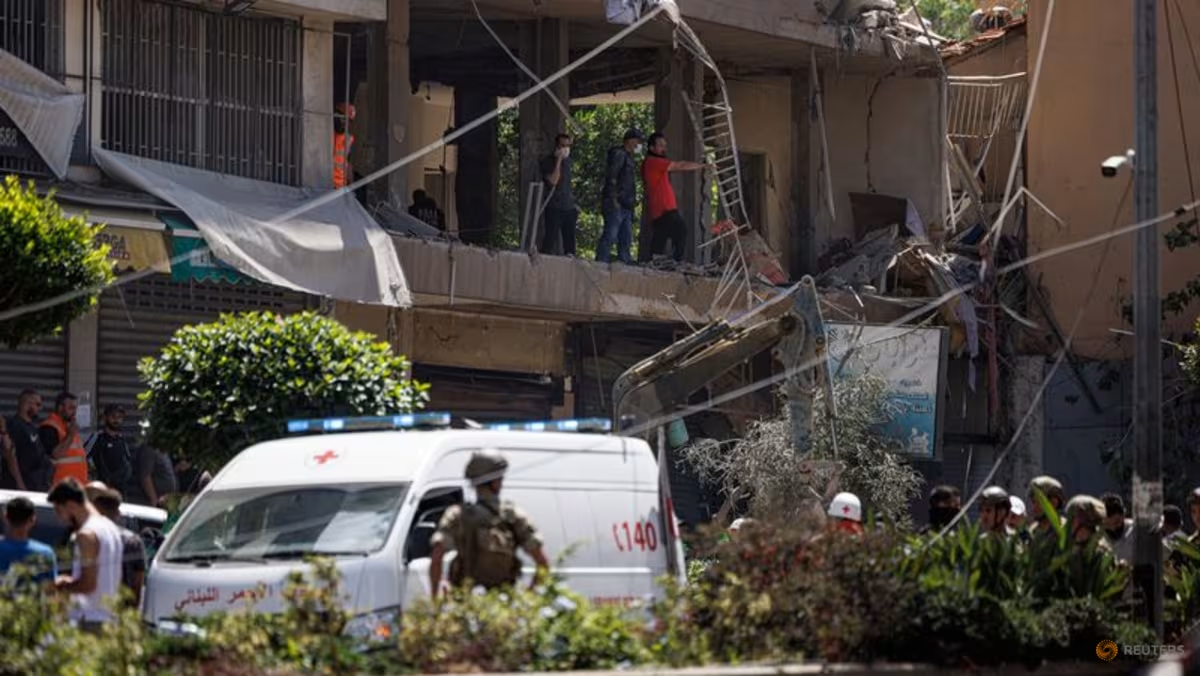
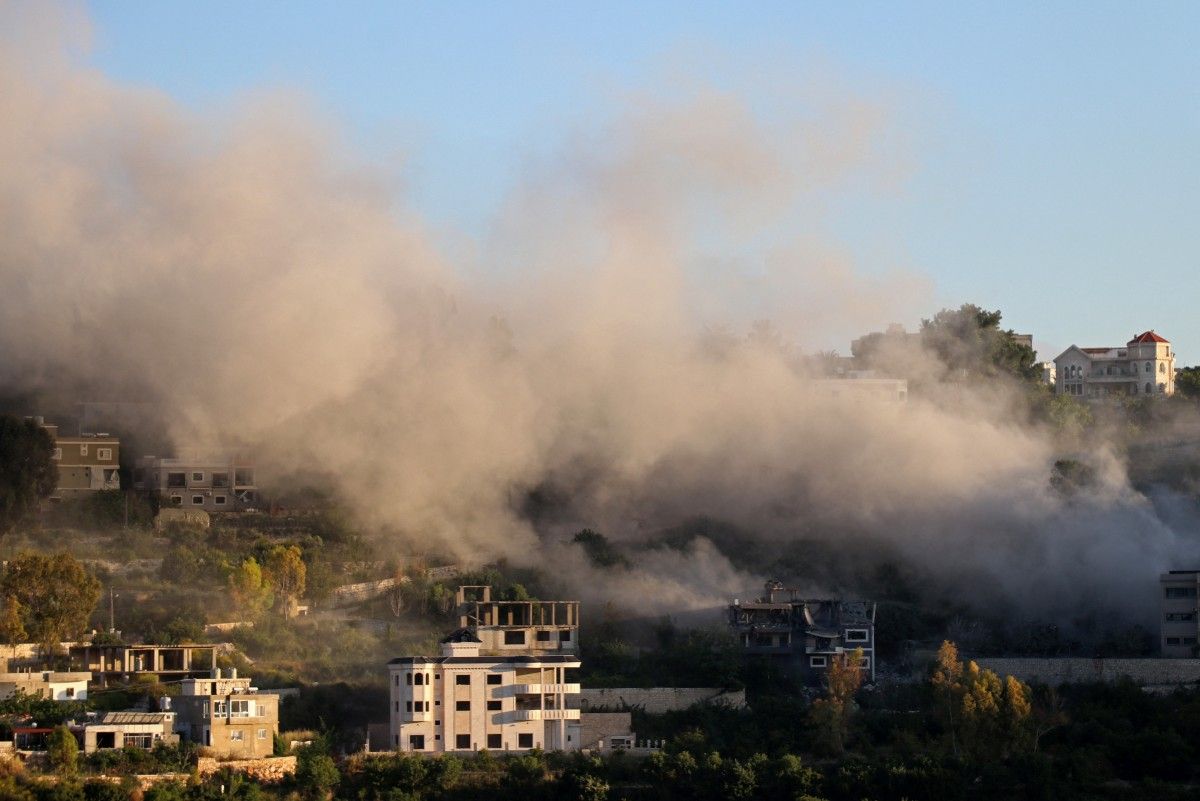
ALBAWABA- Three Lebanese nationals were killed in a series of Israeli drone strikes targeting two vehicles and a motorcycle in the Nabatieh governorate in southern Lebanon, according to Lebanon’s National News Agency, underscoring continued instability along the Lebanese-Israeli border despite the extension of a US-brokered ceasefire agreement.The strikes came as Israel renewed evacuation warnings for residents in at least 10 villages in southern Lebanon, urging civilians to leave immediately ahead of potential military operations. The Israeli military identified the affected areas as Al-Nabatieh Al-Tahta, Al-Louizeh, Sajad, Ain Qana, Harouf, Kafr Roman, Zibdin, Al-Duwayr, Adshit Al-Shaqif, and Maydun, citing security concerns and alleged militant activity in the region.The latest escalation coincided with commemorations marking the anniversary of Israel’s withdrawal from southern Lebanon in 2000, prompting renewed political statements from Lebanese leaders demanding a complete Israeli withdrawal from remaining contested areas.Lebanese President Joseph Aoun said Israel’s full withdrawal from southern Lebanon remains a central national objective, stressing that Lebanon rejects ongoing attacks and the continued occupation of villages. He stated that Beirut would pursue the matter through negotiations “that will be neither surrender nor concession.”Prime Minister Nawaf Salam echoed the position, declaring that Lebanon would not consider the liberation issue resolved until Israeli forces fully withdraw and displaced residents can safely return to their homes.The violence highlights the fragility of the ceasefire agreement reached in April 2026 and extended for an additional 45 days in mid-May to allow further negotiations on border security arrangements. Despite the truce, both sides have continued to accuse each other of violations.Israel has maintained military positions in parts of southern Lebanon and says its operations target Hezbollah infrastructure and security threats. Lebanon, meanwhile, accuses Israel of repeatedly breaching the ceasefire and violating Lebanese sovereignty, while insisting on full adherence to UN Resolution 1701 and withdrawal to the internationally recognized Blue Line.US-mediated diplomatic talks remain ongoing and are focused on sensitive issues, including Hezbollah’s military presence south of the Litani River, the redeployment of the Lebanese Army, and broader border security guarantees.The humanitarian situation in southern Lebanon also remains severe, with repeated strikes and evacuation orders causing additional civilian displacement and increasing pressure on aid operations. More than one million Lebanese remain displaced from earlier phases of the conflict.Continued Israeli violations risk undermining the fragile de-escalation process, although both Lebanese and Israeli officials have signaled conditional support for continued US-facilitated negotiations amid persistent mistrust and unresolved territorial and security disputes.