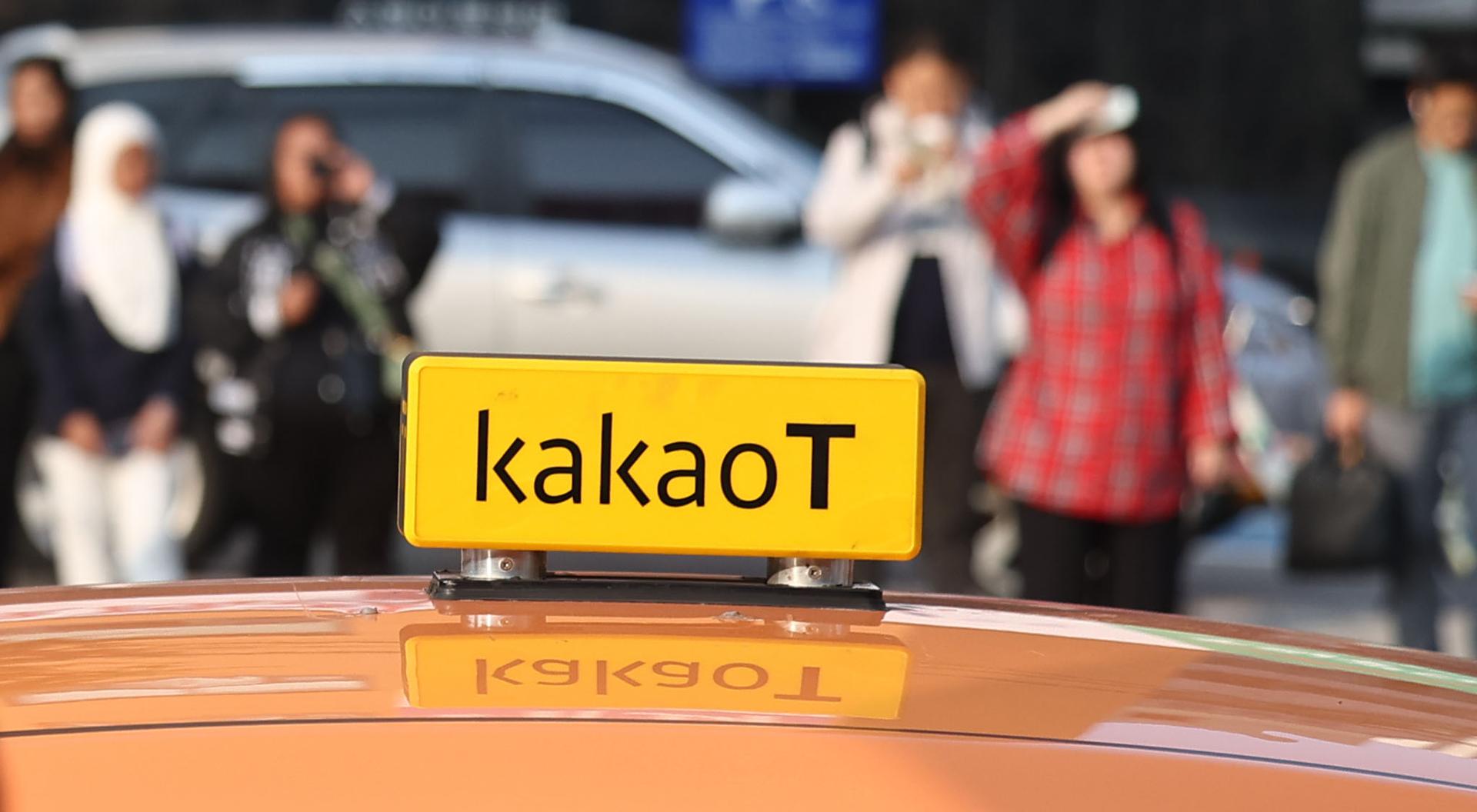
Nasdaq option emerges as Korea tightens rules on subsidiary IPOs (Kakao Mobility) Kakao Mobility is considering a Nasdaq listing as pressure mounts from financial investors seeking an exit nearly nine years after their initial investment, as South Korea’s planned crackdown on spin-off listings of large conglomerates complicates the company’s domestic IPO options.According to investment banking sources on Monday, Kakao Mobility has selected Bank of America, Morgan Stanley and UBS as lead underwriters for a potential Nasdaq listing through American depositary receipts, or ADSs.The push is being led by a consortium headed by TPG, Kakao Mobility’s second-largest shareholder, which seeks to exit its 2017 investment. The consortium, which also includes Korea Investment & Securities and ORIX Private Equity, invested a combined 640 billion won ($423.5 million) into Kakao Mobility and currently holds a 29 percent stake.ADR listings are commonly used by Korean companies seeking access to US capital markets while maintaining their existing corporate structure and governance framework at home. Earlier this year, SK hynix announced plans to pursue a Nasdaq ADR listing as part of efforts to broaden its global investor base and improve access for overseas investors.Kakao Mobility’s IPO path has become increasingly difficult in Korea. Earlier domestic listing plans lost momentum amid fallout from accounting fraud allegations tied to Kakao’s acquisition of SM Entertainment and a prolonged slump in the local IPO market.At the same time, the Financial Services Commission is moving to tighten rules on parent-subsidiary listings by conglomerates — a practice long criticized for diluting the shareholder value of listed holding companies — with new regulations that take effect in July.Industry officials said the changes have effectively shut the door on a domestic IPO for Kakao Mobility, given past criticism of Kakao’s separate listings of affiliates, including KakaoBank, Kakao Games and Kakao Pay.Kakao, which held a 57.2 percent stake in Kakao Mobility as of the first quarter, is also determined to retain management control, complicating negotiations with financial investors seeking liquidity.The case is emerging as an early test of how Korea’s tighter listing rules could reshape exit strategies for private equity and venture investors. Industry officials warn the regulations could push more Korean companies toward overseas listings while making it harder for investors to recover capital through domestic IPOs.Sources say companies including SK Ecoplant, HD Hyundai Robotics and Olive Young are also reassessing IPO strategies or renegotiating terms with investors as the new rules take shape.“While we understand the rationale behind concerns over parent-subsidiary listings, overly strict application of the exception rules could amount to a de facto blanket ban,” said Lim Shin-kwon, chief legal officer at IMM PE.“Such excessive regulation could end up stifling the IPO market itself and weakening the broader investment ecosystem for companies,” he said.Ko Kwang-nyeong, head of investment at Kiwoom Investment, warned the tighter rules could hurt venture capital activity.“Small and midsize technology companies grow on risk capital, but stricter IPO rules could deprive venture investors of exit opportunities and discourage future investment in Korean companies,” he said. “That would run counter to the purpose of venture capital itself.”The FSC and Korea Exchange said the proposed rules are intended to protect minority shareholders by restricting IPOs by subsidiaries or affiliates of already listed parent companies. Regulators plan to introduce the rules in July, alongside guidelines outlining limited exceptions, including a majority-of-minority voting system.
Kakao Mobility becomes early test of Korea’s tougher listing rules
Kakao Mobility is considering a Nasdaq listing as pressure mounts from financial investors seeking an exit nearly nine years after their initial investment, as
553 words~3 min read