This is AI generated summarization, which may have errors. For context, always refer to the full article.
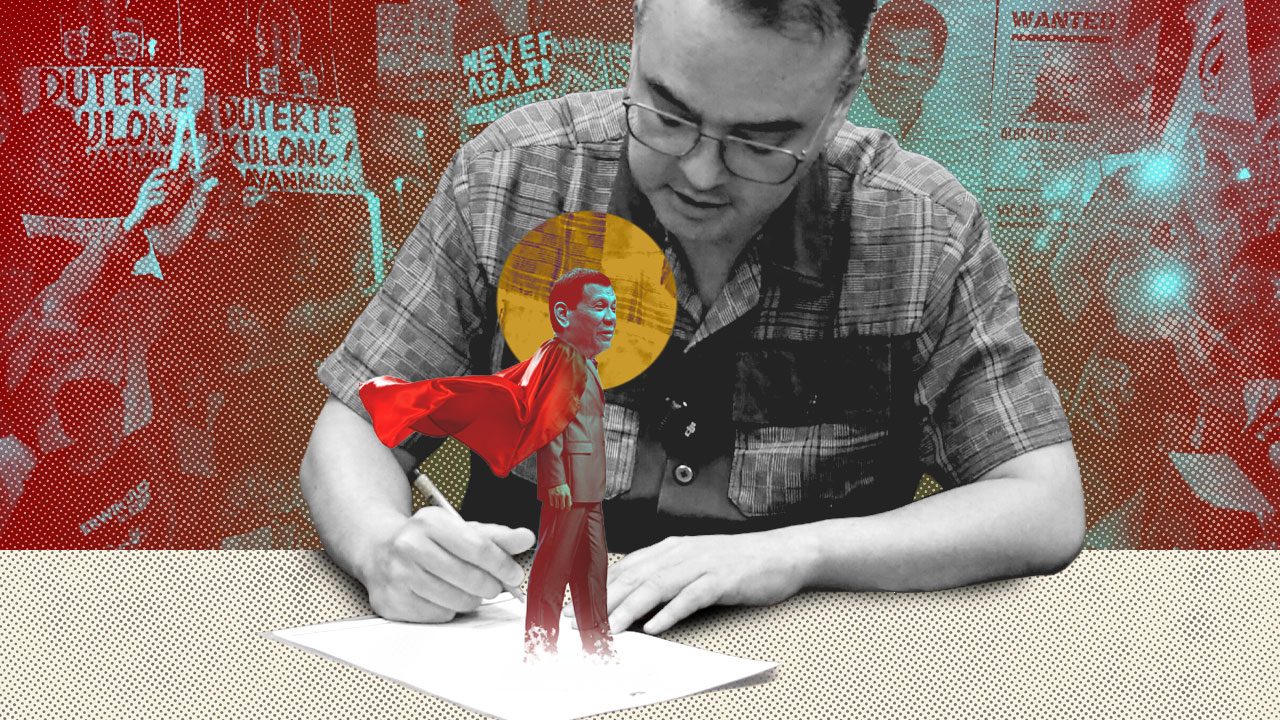
This is the danger of Cayetano’s mythmaking. It makes people believe extrajudicial killings can be morally acceptable. It makes him appear righteous while hiding behind religion and patriotism.
Throughout our country’s history, as in many parts of the world, political leaders have relied not only on power, policies, or institutions, but also on myths. These myths are not always outright lies, although some clearly are. More often, they are carefully constructed stories designed to give politicians a sense of moral purpose, shared identity, and historical destiny. They simplify complex realities into narratives that ordinary people can emotionally understand and believe in.
But in political mythmaking, facts often become secondary. The conclusion is decided first; the arguments are constructed afterwards. Events are interpreted not according to facts and truth, but according to the larger story leaders want people to accept. Political myths do not merely explain reality. More importantly, they shape how reality itself is perceived.
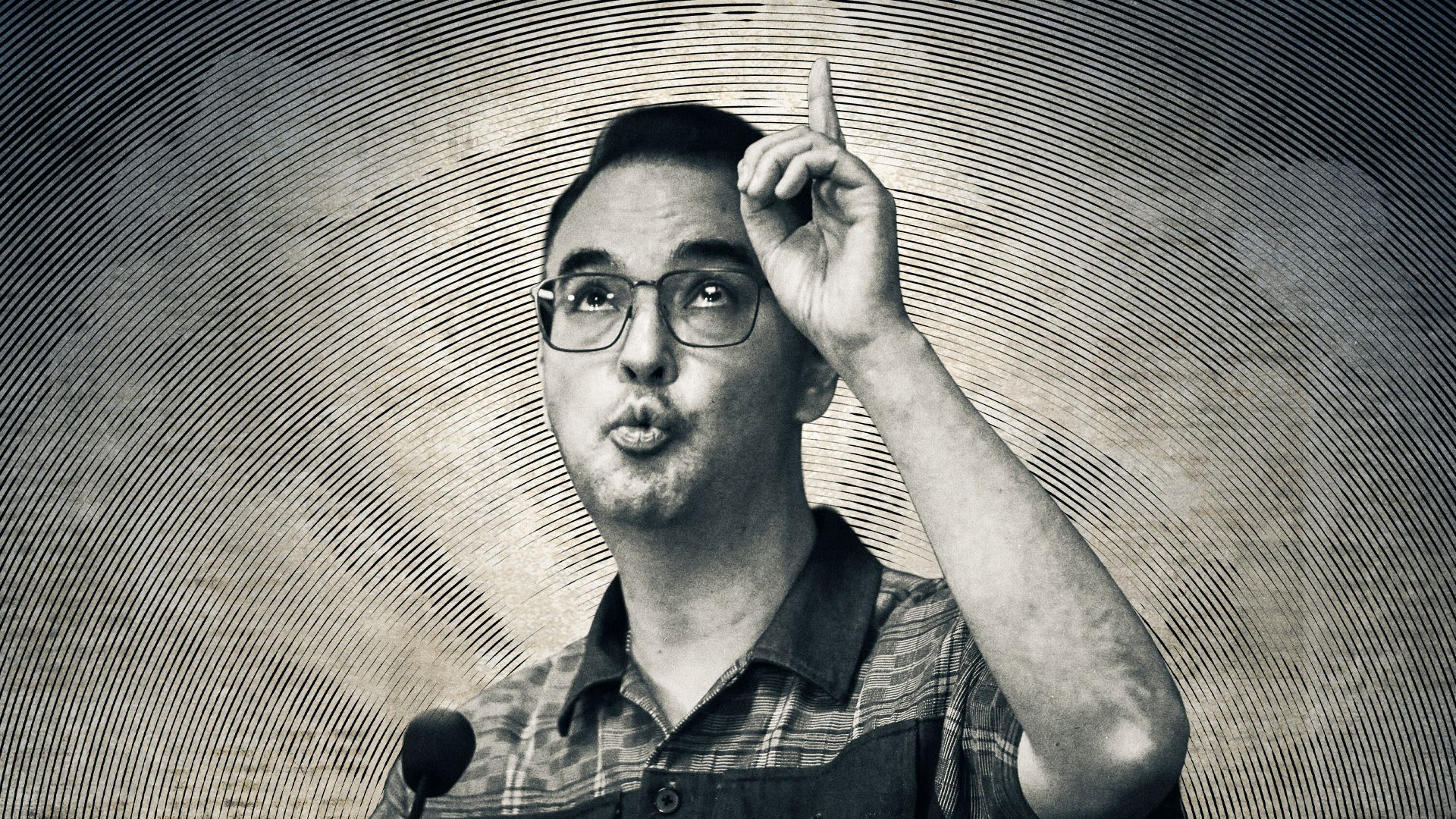
Alan Peter Cayetano is not the first Filipino politician to weave myths around himself, and he certainly will not be the last. The strongman Ferdinand E. Marcos mastered the same craft during his dictatorship. He carefully cultivated images of destiny, discipline, strength, and national rebirth. The Marcos regime subtly echoed the mythology of Malakas at Maganda and promoted the idea that Marcos was “iginuhit ng tadhana” — chosen by fate to lead the Filipino people together with Imelda Marcos.