May 25, 2026 | 12:46 pm
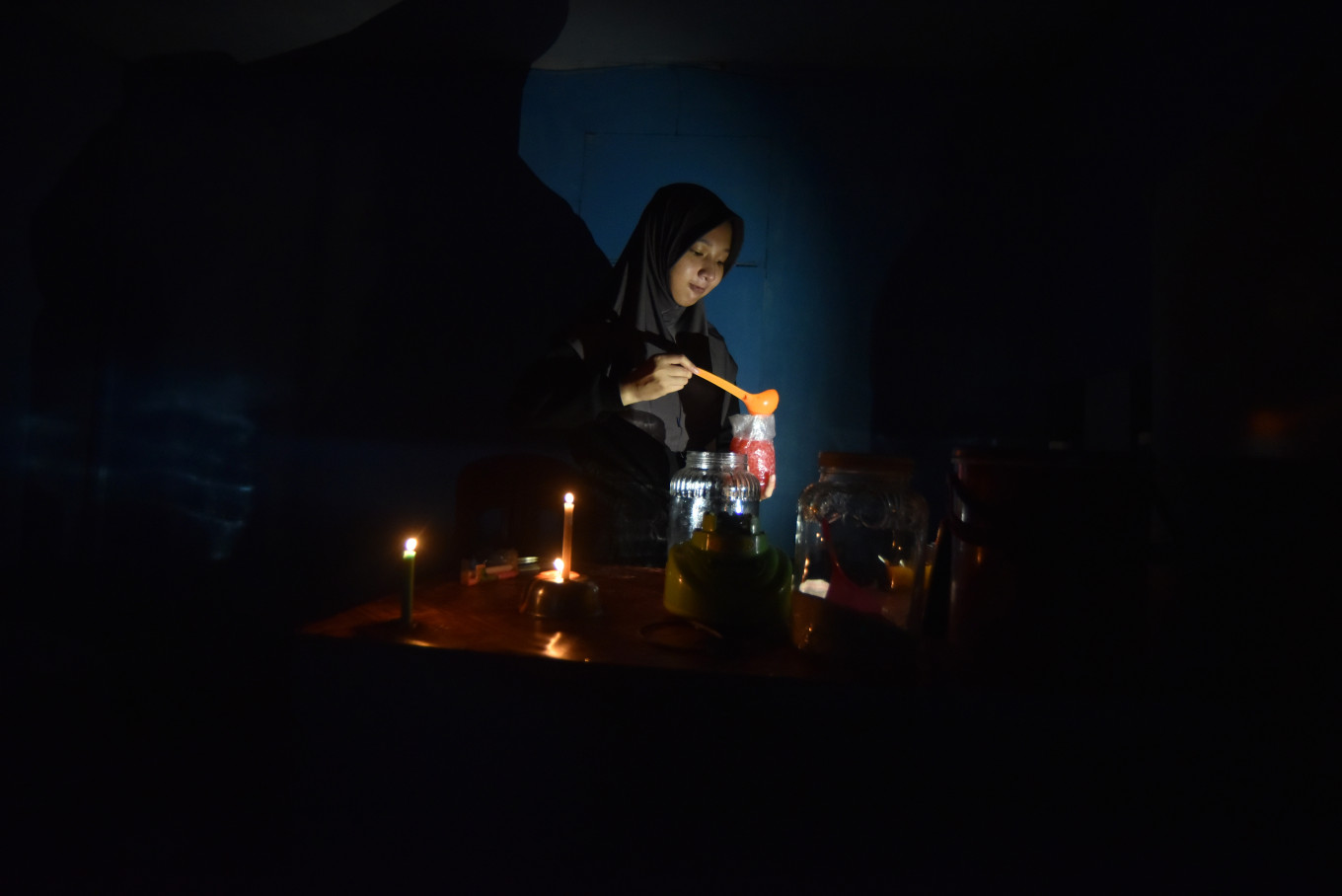
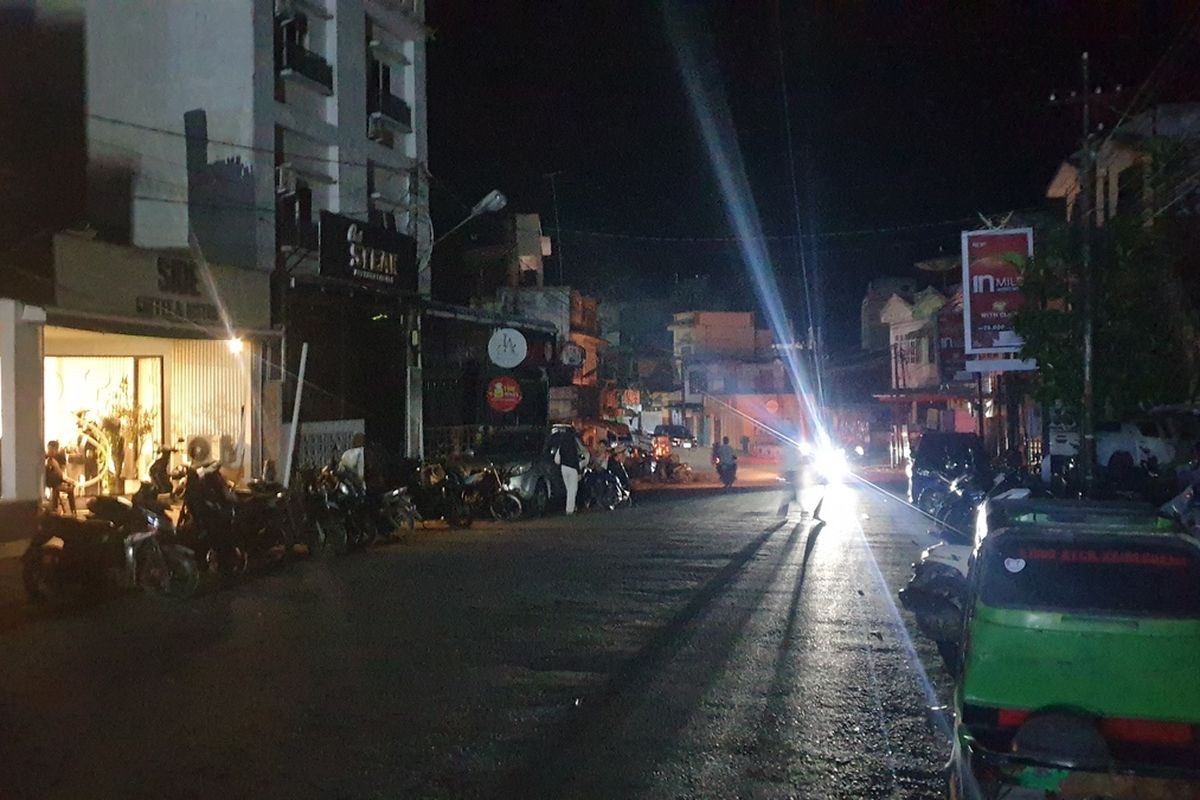
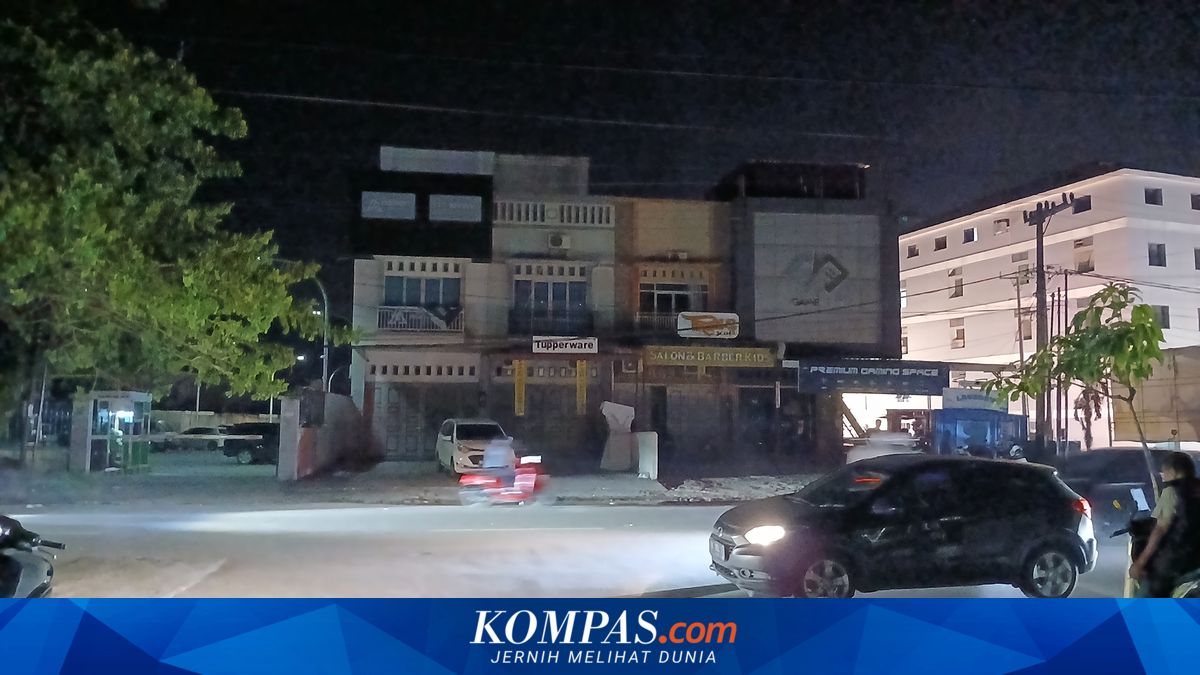
TEMPO.CO, Jakarta - Indonesia’s National Police Criminal Investigation Agency (Bareskrim) said there was no indication of sabotage behind the mass power outage that hit parts of Sumatra on Friday, May 22.“So far, we can confirm that no indications of sabotage or intentional acts have been found in relation to the blackout,” Bareskrim deputy chief Nunung Syaifuddin said at Bareskrim headquarters in Jakarta on Monday.Nunung said a joint investigation team consisting of Bareskrim’s special and general crime directorates, the National Police forensic laboratory, the Jambi Police, and state electricity company PT PLN (Persero) conducted an investigation on Sunday.The investigation focused on transmission towers 175 and 176 in Tempino Village, Mestong District, Muaro Jambi Regency, Jambi Province.Initial findings showed that a disturbance occurred on Friday at around 06:44 PM local time on the 275-kilovolt extra-high-voltage transmission line connecting Muara Bungo and Sungai Rumbai in Jambi.At the site, investigators discovered a broken transmission cable, while the physical condition of the towers remained intact with no significant damage.“Based on preliminary information gathered at the scene, the transmission cable appears to have snapped suddenly due to weather-related factors, though further technical and scientific investigation is still required,” Nunung said.The theory was supported by accounts from nearby residents, who reported hearing an explosion shortly before the outage occurred around the transmission towers.Investigators also coordinated with PLN and found that Sumatra’s electricity system had been operating normally and remained fully integrated before the disruption occurred at around 6:30 p.m. on May 22.Authorities said a significant power flow had been directed toward West Sumatra through the Jambi transmission corridor, particularly along the Muara Bungo–Sungai Rumbai route.As a result, any disruption along the line had the potential to cut a large amount of electricity supply and trigger a widespread blackout across Sumatra’s interconnected power grid.Nunung said the preliminary conclusion pointed to technical problems and extreme weather conditions as the likely causes of the blackout, rather than sabotage.“The damaged cable was frayed and irregular. If this had been sabotage, the cuts would likely have been much cleaner,” he said.The broken section of the transmission cable has been handed over to the National Police forensic laboratory for further examination to determine the exact cause of the failure.“All investigative processes are being carried out professionally, transparently, and comprehensively to scientifically and accountably determine the main cause of the incident,” Nunung said.