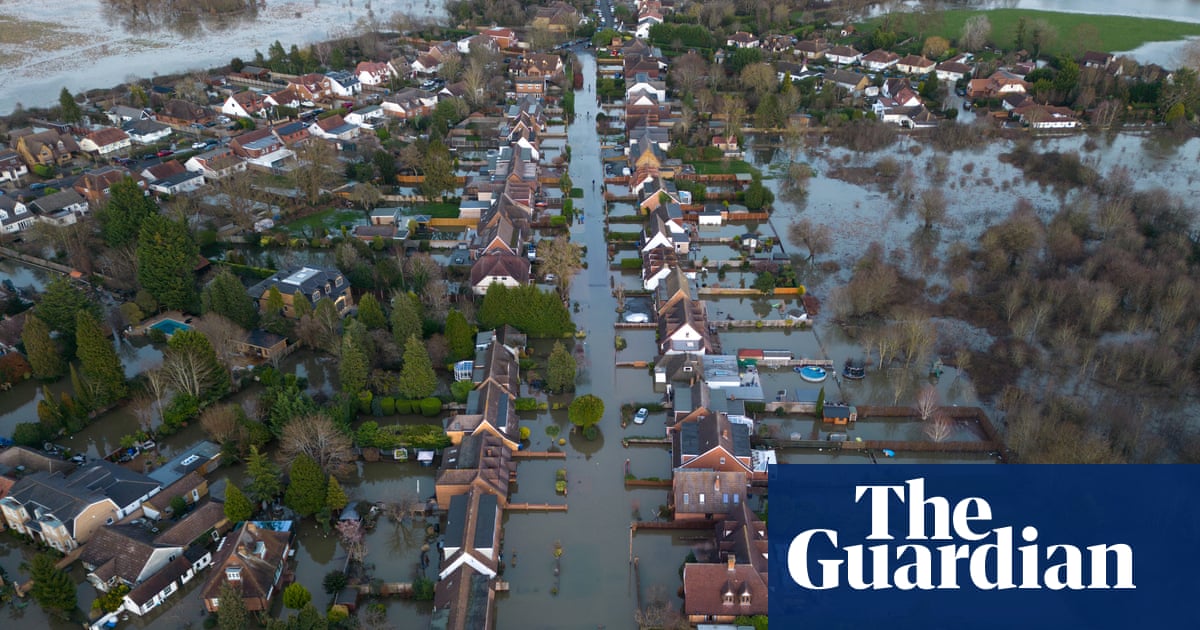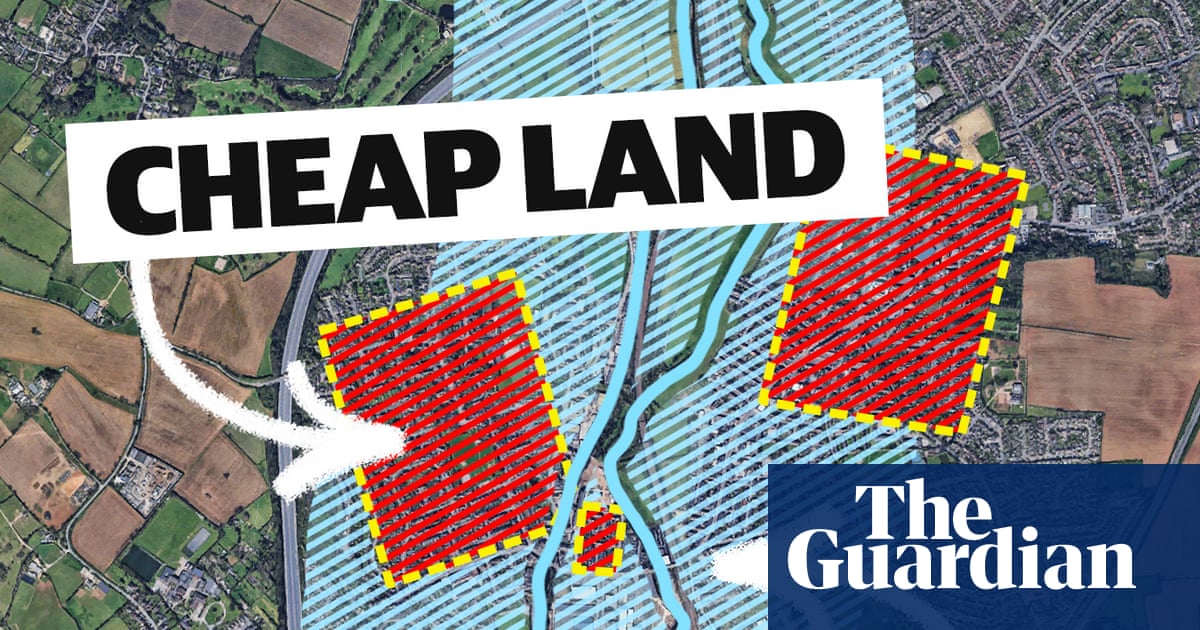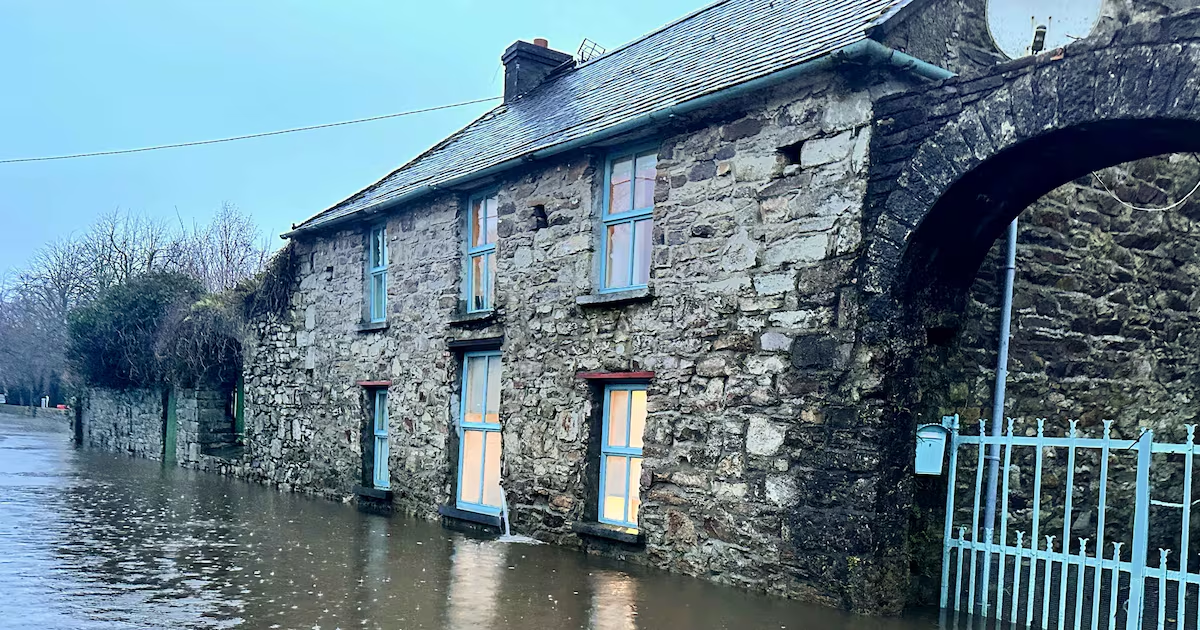
Up to 36,700 mortgaged homes in Ireland are located on land deemed to be at risk of flooding, making them financially vulnerable, according to a Central Bank study.The study assessed the exposure of households to flooding events, which are forecast to increase in frequency as a result of climate change.Under a mid-range climate scenario – where rainfall increases by 20 per cent and the sea level rises by 0.5 metres by 2100 – the research estimated that the number of households in “high‑likelihood flood zones” will rise by more than 50 per cent, from 50,000 to 78,000 by 2100.Between 6,450 and 36,700 mortgaged households (1.2 per cent to 6.9 per cent of all mortgaged households) are located in these high-risk flood zones, it said.The highest incidence is in the midwest region, where up to 11 per cent of mortgages are located.“With mortgages typically secured against a residential property, understanding the overall exposure of residential and mortgaged properties to flooding is crucial to assessing the long-term impacts of climate change induced extreme weather events,” the report said.“Flood events can lower property values in the short term (damage to the physical structure and its contents) and in the long term (reduced market value due to increased flood risk in that area).“Given the collateralised nature of the residential mortgage market, any reduction in collateral values results in increased credit risk for lenders through higher loan-to-value ratios.”The study also highlighted that if the flooding event occurs early on in the lifetime of the mortgage, the lender’s exposure is considerably larger.According to experts, extreme flooding events could happen every year by 2100 due to what the Intergovernmental Panel on Climate Change describes as “continuing deep-ocean warming”.They also warn that Ireland has been relatively lucky that recent storm surges have arrived in the absence of a meteorological depression which would maximise the potential damage to households.The Central Bank’s research also highlighted an additional vulnerability “where a high likelihood of flooding meets insurance gaps”. The study estimated that one in 20 properties has limited access to flood insurance. “Where properties are used as mortgage collateral, this insurance coverage gap increases vulnerability for both borrowers and lenders,” it said.“Uninsured households may use savings or further borrowing to repair flood damage, potentially impacting their ability to service mortgage debt.“For lenders, uninsured properties represent elevated credit risk where the collateral cannot be fully protected against flood damage.”The latest annual report by the Government-appointed Climate Change Advisory Council indicated storms and flooding hit many parts of the State last year, damaging homes, businesses, farms and forests while exposing vulnerabilities in critical infrastructure. Storm Éowyn brought Ireland’s highest winds and caused a record €300 million in insurance payouts.But damage from shifting weather patterns was exclusively down to flood with wildfire destruction was 40 per cent higher than in recent years, the report found.
Up to 37,000 mortgaged households are in high-risk flood zones
Central Bank study highlights financial exposure of households to flooding events
471 words~2 min read