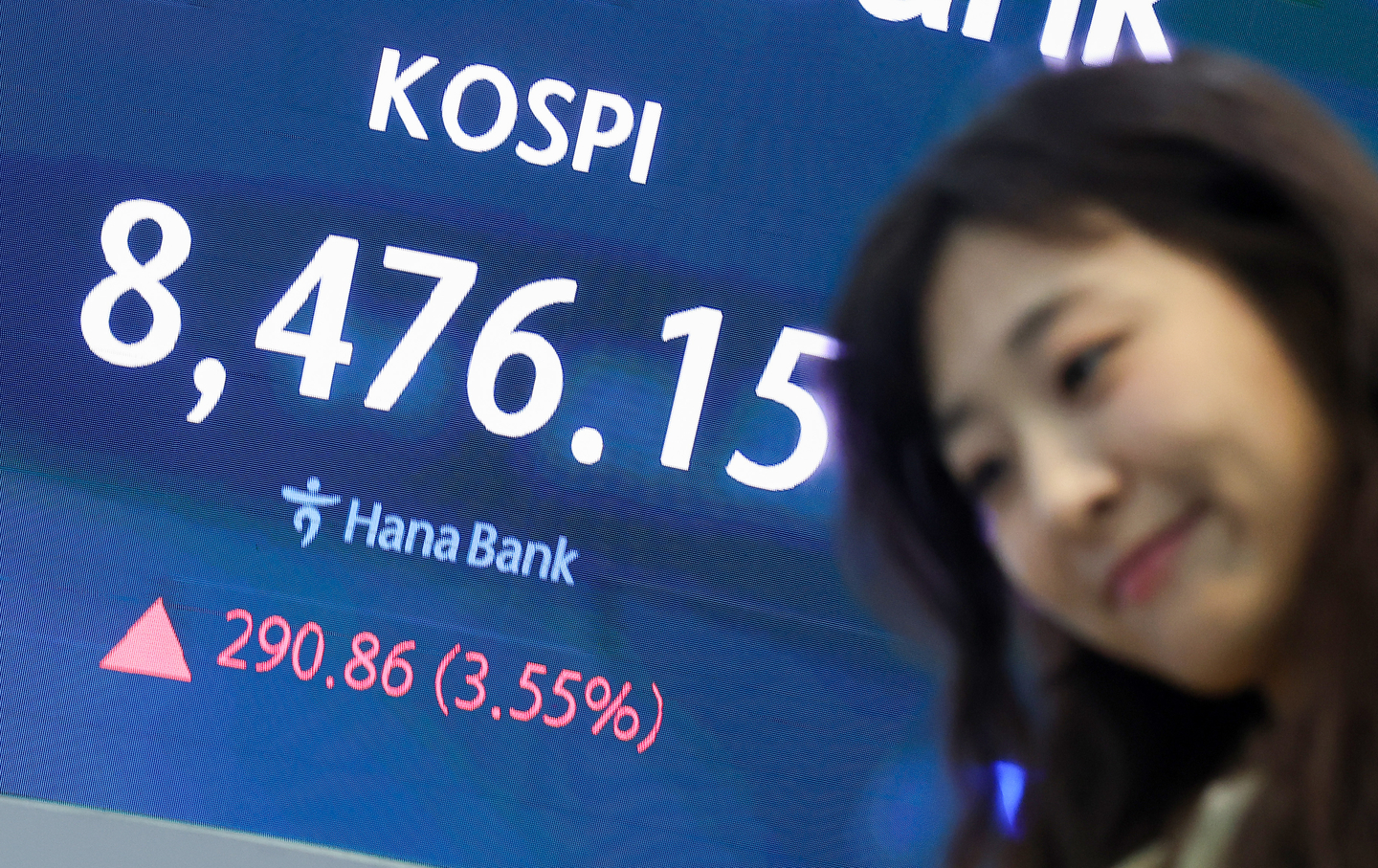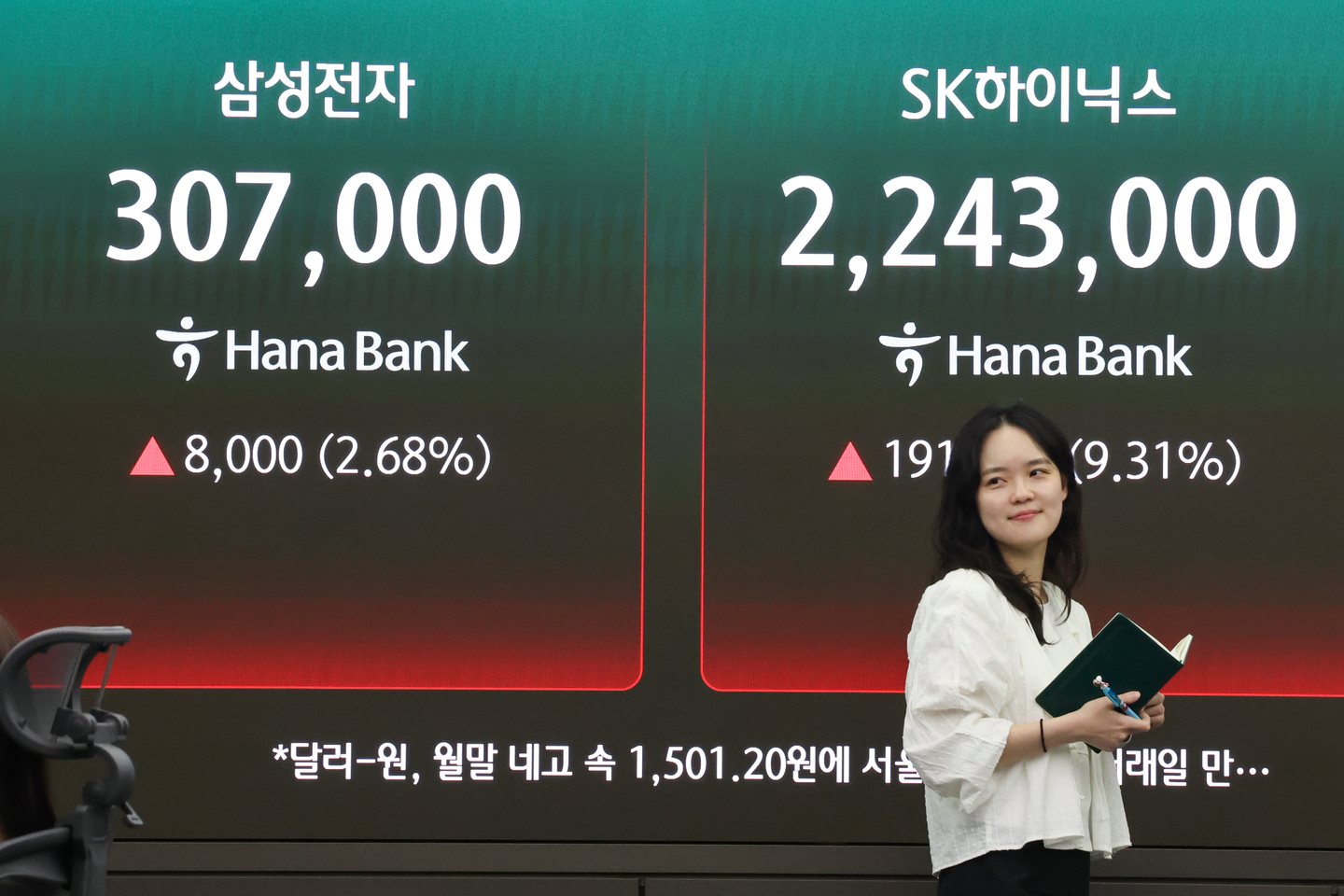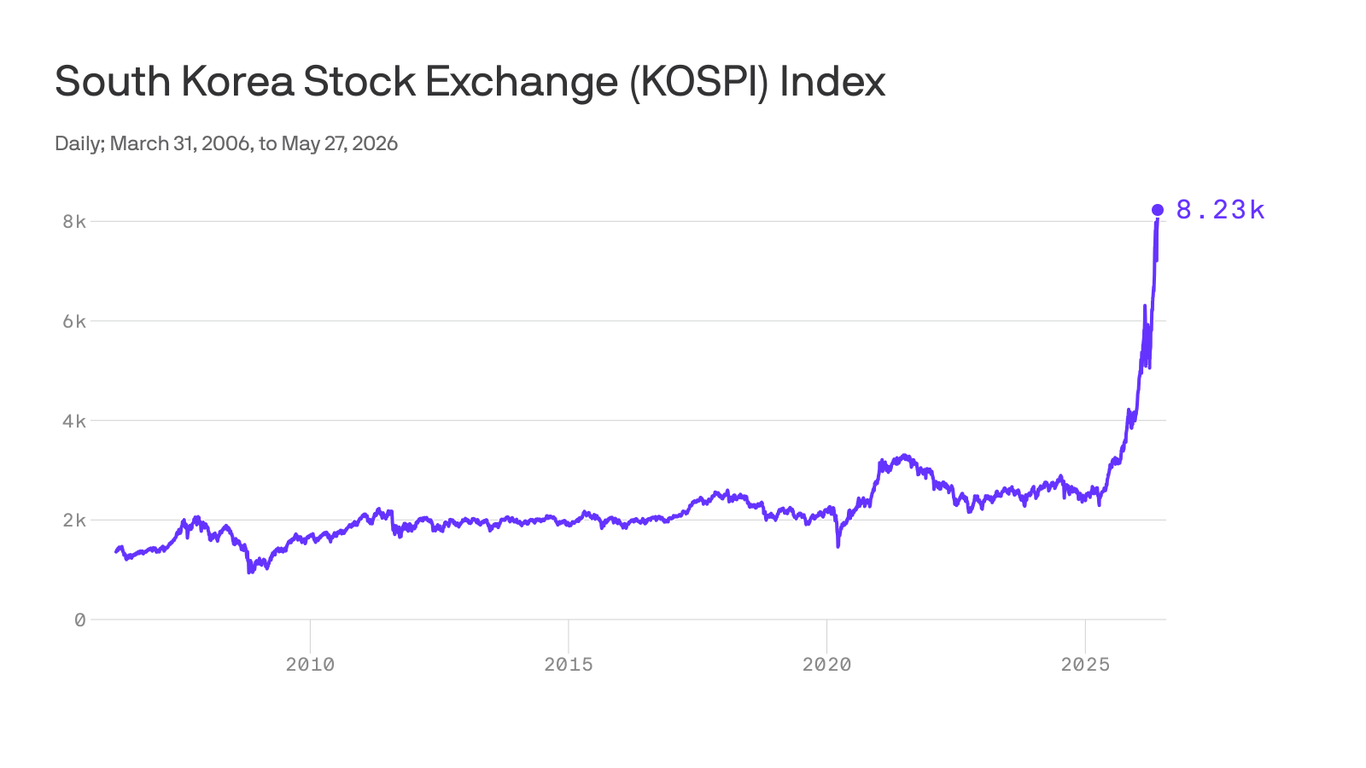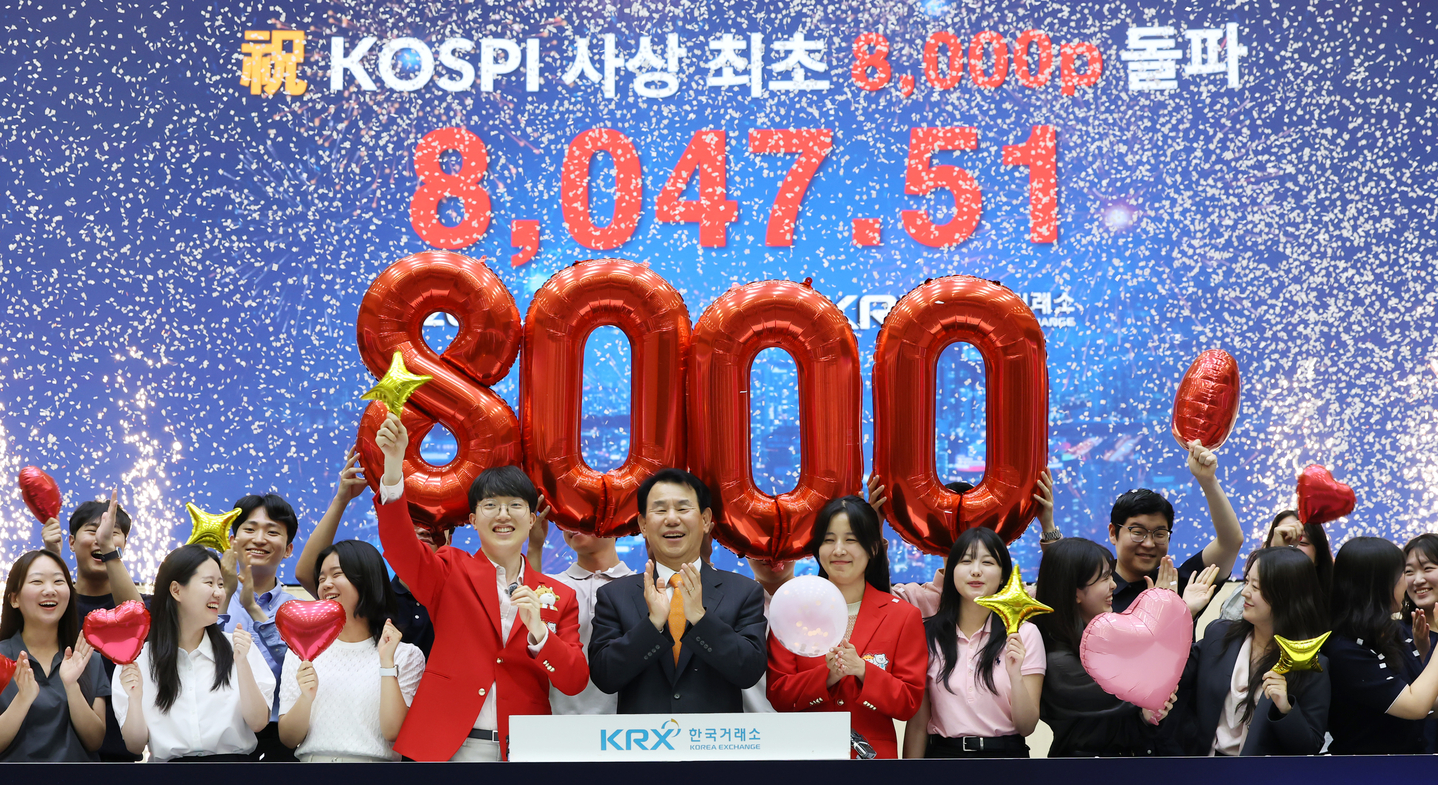
Asia strategist Mixo Das keeps Korea as Asia top pick, backs Kospi 10,000 call on AI, earnings momentum Mixo Das, JPMorgan Chase & Co. Asia equity and quant strategist. (JPMorgan Chase & Co.) JPMorgan Chase & Co. Asia equity and quant strategist Mixo Das says South Korea's stock rally still has room to run, as the artificial intelligence-driven memory cycle, earnings upgrades and governance reform continue to support the bank's most bullish regional market call.In a May 10 report titled "Embracing the AI momentum; Kospi 10K?" Das and his team raised JPMorgan's Kospi base, bull and bear targets to 9,000, 10,000 and 6,000, respectively, only weeks after lifting them to 7,000, 8,500 and 5,000. Korea is now the bank's top preferred market in the region, with the report citing memory-cycle conditions, governance reforms and thematic growth."Recent evidence over the past 2-3 months has significantly improved the outlook for Korea's equity market," Das said in a written interview with The Korea Herald. "This unique combination of factors justified our substantial upward revision to the Kospi targets, as the market's upside potential has increased meaningfully in a short period of time."The upgrade came as the Kospi extended a historic run powered by Samsung Electronics and SK hynix. The benchmark nearly tripled in less than 18 months, breaching 8,000 for the first time on May 15.Das said that while Korea's structural rerating is in play, global demand for AI hardware remains the main driver of the rally."Both elements are present, but the current rally is primarily driven by Korea's unique position as a liquid AI hardware proxy outside the US and Taiwan," he said. "However, the ongoing improvement in corporate governance is also a meaningful anchor for the market's rerating, attracting inflows from both foreign and local investors."Memory remains the core of the call, with the sector now accounting for about 50 percent of the Kospi's weight and roughly 70 percent of this year's gains, JPMorgan said. The concentration strengthens Korea's role as a direct AI proxy, but also increases its sensitivity to sector shocks.Das said JPMorgan remains confident the memory cycle has further to run."We remain constructive on a 'higher for longer' memory upcycle," he said. "AI-led demand continues to outstrip supply, inventory is tight, and HBM supply is locked up under multi-quarter price and volume agreements."Customers are already pulling forward 2027 demand because of shortage concerns, Das said, suggesting the supply-demand gap could widen further. He said 2027 and 2028 could remain part of the upcycle from both average selling price and volume perspectives.Still, the rally is not only a Samsung Electronics and SK hynix story, Das said."Korea's story is not purely a one-factor market," he said, adding that the Kospi excluding the two chipmakers has also delivered strong returns and outperformed the regional benchmark. Outside memory, industrials have shown the strongest earnings upgrades, commodity-exposed sectors are seeing positive revisions and banks are benefiting from net interest margin recovery, fee income and contained credit costs.Though no longer the immediate catalyst, governance reform remains another key pillar, with holding companies and insurers still seen as key beneficiaries."Governance reform is an ongoing rerating support rather than a completed process," he said. "We believe the rerating is roughly halfway through in terms of eliminating the governance discount."The next leg may depend on whether longer-term foreign investors return more decisively. Hedge funds and macro investors have added Korea exposure in the second quarter, while active long-only investors have yet to return strongly to the cash market, JPMorgan said.Das said retail investors provided some support, especially by buying the dip in March, but flows have stalled in the second quarter and shifted more toward defensive stocks. For now, he added, retail participation looks episodic rather than a durable new base for the market.The rally is not without risks. Valuations are back at highs, while investors are watching energy-related macro risks and a potential peak in memory average selling prices. But Das said the biggest near-term concern is the speed of the move."The strongest bear case is near-term vulnerability after a rapid rally," Das said. "The rapid upside move in Korean equities has led to poor market breadth, elevated relative strength index spreads, and rising implied volatility."
Kospi rally goes beyond Samsung, SK hynix: JP Morgan
JPMorgan Chase & Co. Asia equity and quant strategist Mixo Das says South Korea's stock rally still has room to run, as the artificial intelligence-driven memor
701 words~3 min read