Audio By Vocalize
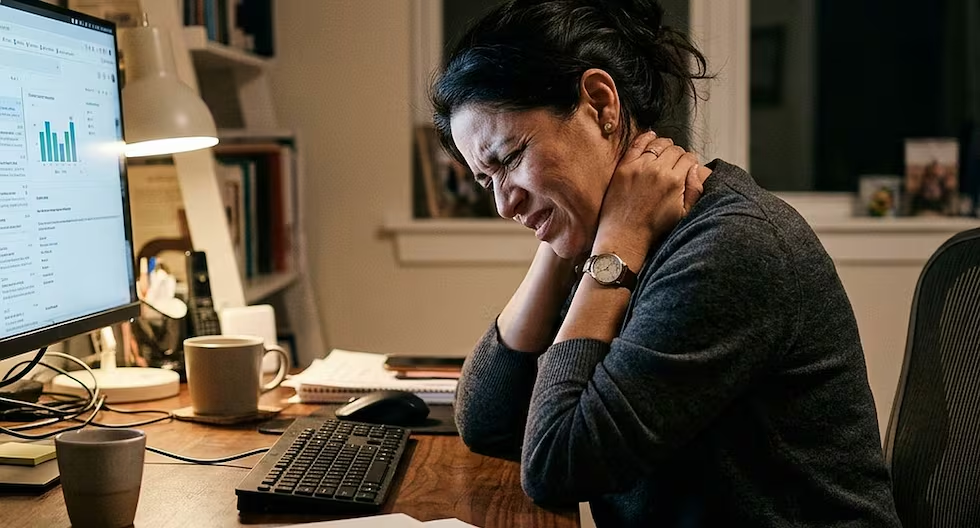
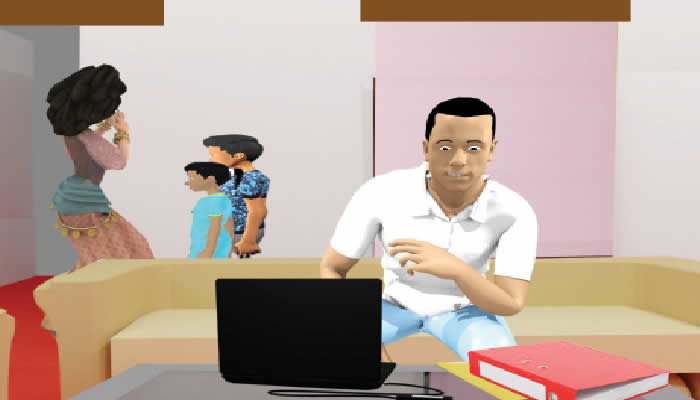
Many office Workers today suffer from chronic lower pain.[Courtesy]
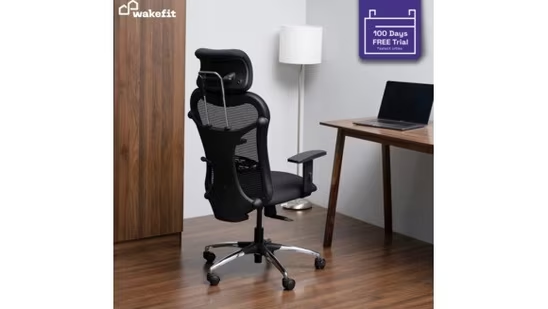
The modern office chair may be the most politely accepted health hazard of our time. We rarely question it. We praise it, even. The person planted at their desk for 10 straight hours is seen as disciplined, ambitious, and committed. In white-collar culture, stillness has become a status symbol. The less you move, the more serious you must be.
But our bodies are not fooled by corporate mythology. We have turned sitting into the default posture of adulthood and called it success. And in the process, we have normalised a slow-moving epidemic of back pain, spinal strain, and preventable physical decline.
I saw the warning signs years ago. In 2015, my Master of Medicine research thesis in radiology focused on Magnetic resonance imaging and radiographic findings in patients who presented with chronic low back pain, work that reinforced a reality clinicians know well: By the time many patients arrive for imaging, the problem has usually been building for years, quietly and cumulatively.