Chinese new energy vehicle startups are rolling out multi-brand strategies to expand market coverage and improve profitability, but industry experts warn the capital-intensive push carries massive financial risks, with failed new-brand ventures potentially burning billions of yuan.
Leapmotor Vice-President Li Tengfei confirmed plans for a second brand during an earnings call in mid-May. He revealed that the brand is expected to be unveiled at the end of this year or next year, with an official launch in the middle to latter half of 2027.
The brand will target products priced above 300,000 yuan ($44,125) and operate a standalone sales network, as part of Leapmotor's broader push to upgrade its brand image and expand profit margins, local media reports.
The brand comes as Leapmotor grapples with mounting profitability pressure. The automaker swung to a net loss of 390 million yuan in the first quarter of 2026, reversing a 360 million yuan net profit recorded in the fourth quarter of 2025, dragged primarily by falling gross profit. Despite this, it delivered 110,000 vehicles in Q1, keeping it among the top NEV startups by deliveries.
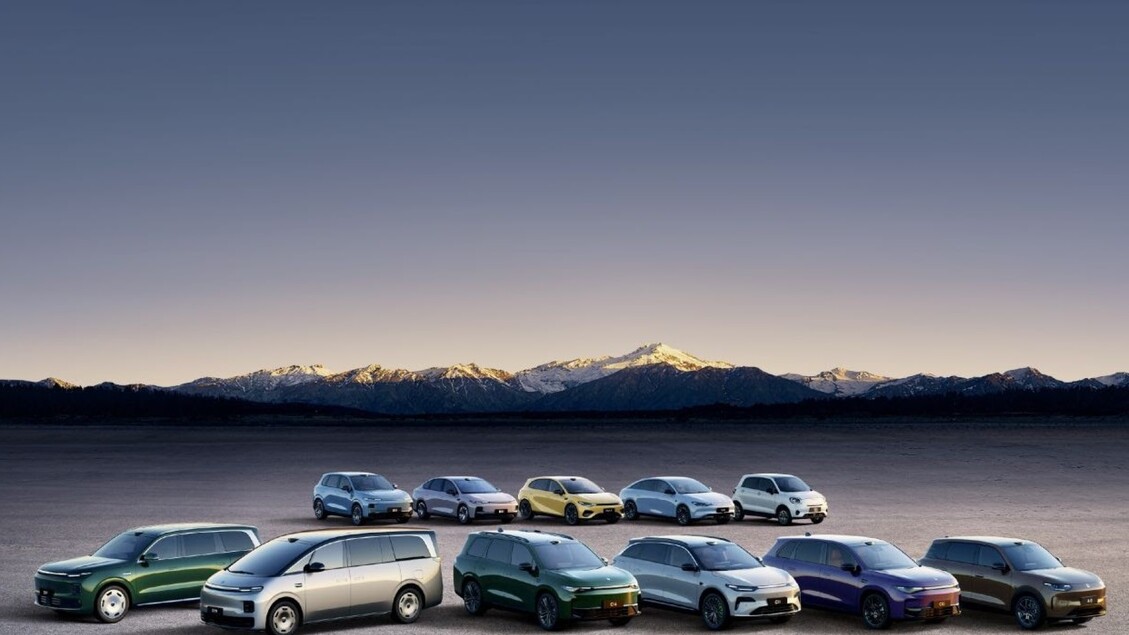
Leapmotor's current product portfolio, covering its A, B, C, D series and the Lafa 5 model, spans sedans, SUVs and MPVs across the 50,000 to 250,000 yuan price bracket. Its long-standing reliance on cost-effective, mass-market models has fueled strong sales volume but kept per-vehicle profit margins thin.