May 25, 2026
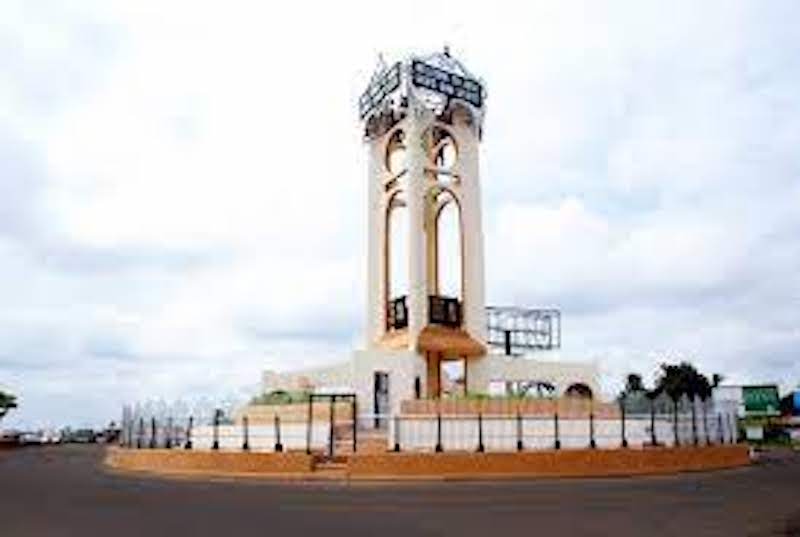
Uzuakoli Leprosy Colony is a symbol of overall national failure. Established in 1931 by Methodist missionaries in the Bende Local Government Area of Abia State, it once grew to house over 800 residents by 1936 and became the foremost leprology centre on the African continent — pioneering the Dapsone treatment that discharged thousands of patients symptom-free.
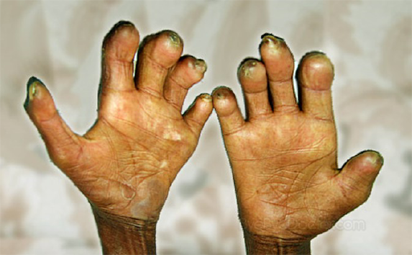
What followed that golden era is a chronicle of institutional abandonment that shames a nation. Nigeria recorded 2,425 new leprosy cases in 2023, with a Grade 2 disability rate of 10 per cent — meaning one in every ten new patients arrived at clinics already carrying visible, permanent deformity that early treatment would have prevented. In the conflict-torn Northeast, the picture is catastrophic: in Adamawa State, 87.7 per cent of newly diagnosed patients presented with Grade 2 disability, and in Borno, 81 per cent. These are measurements of a detection system that has broken down. Nationwide, roughly 9.9 per cent of new cases involve children under 15 — a figure epidemiologists read as proof of active, ongoing transmission in communities where the disease should, by now, be vanishing.
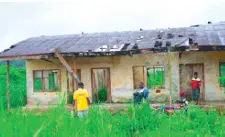
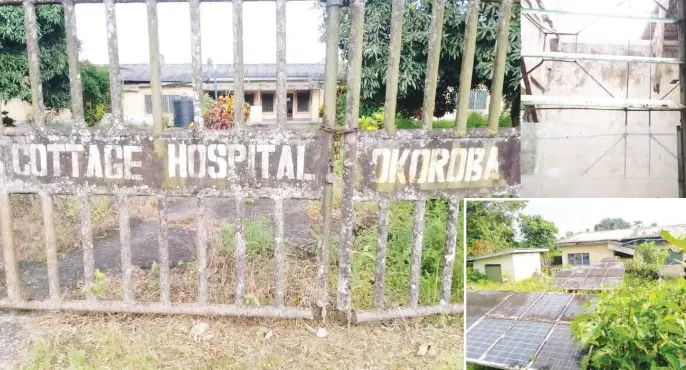
The Uzuakoli centre has not received government funding since 2009. It survives on charity — donations from faith groups, the Leprosy Mission Nigeria, and German and Belgian NGOs — which pay for drugs and limited support but cannot fund rehabilitation, physiotherapy, vocational training, or dignified housing. A 2024 study of leprosy settlements across Nigeria found that 94.3 per cent of residents reported very poor quality of life, and 60.4 per cent experienced stigma severe enough to affect their daily functioning and livelihoods. Nigeria achieved formal leprosy elimination — defined as fewer than one case per 10,000 population — in 1998. That milestone was declared and forgotten, and the programme scaled back. It left behind a system where over 3,500 people are diagnosed annually, approximately 25 per cent present with disability, treatment defaulting subsists, and the centres meant to restore lives are maintained by missionary goodwill.