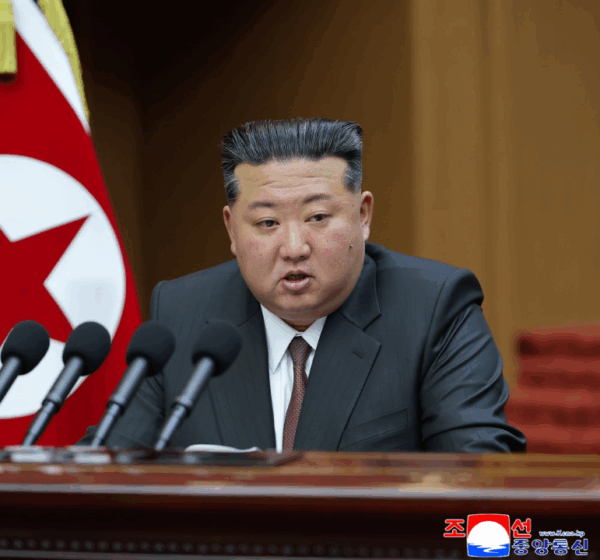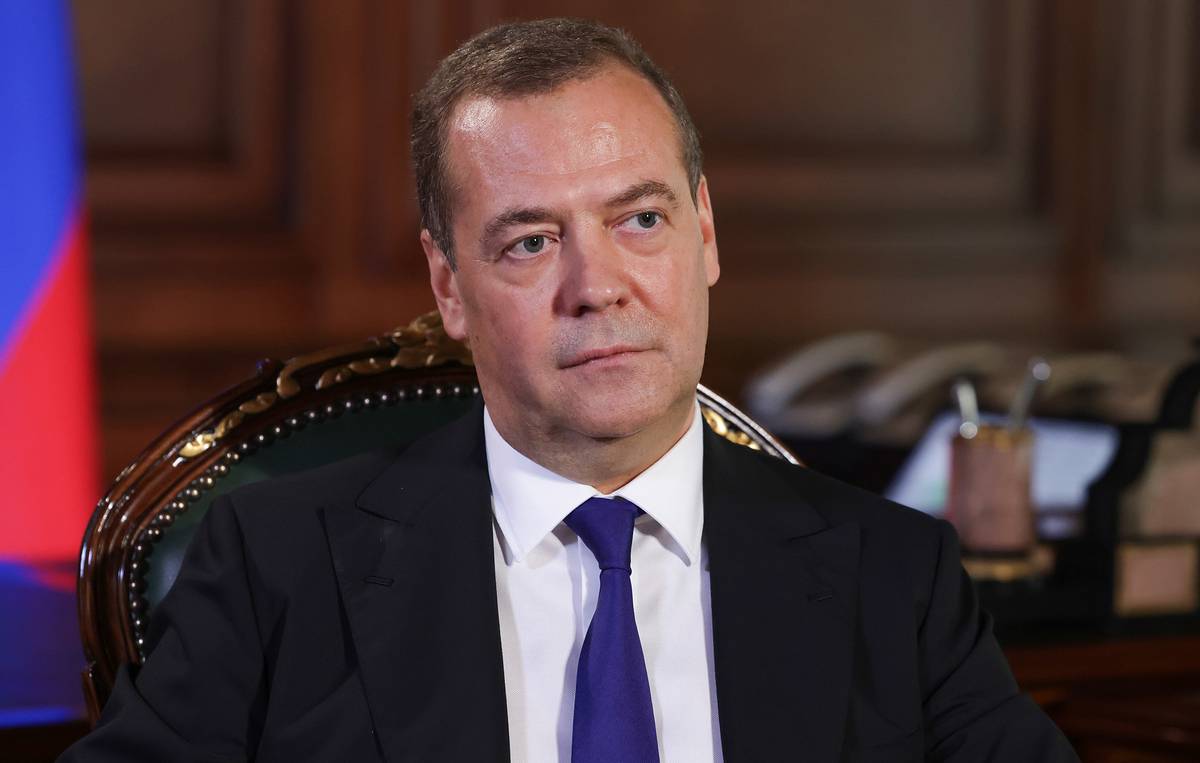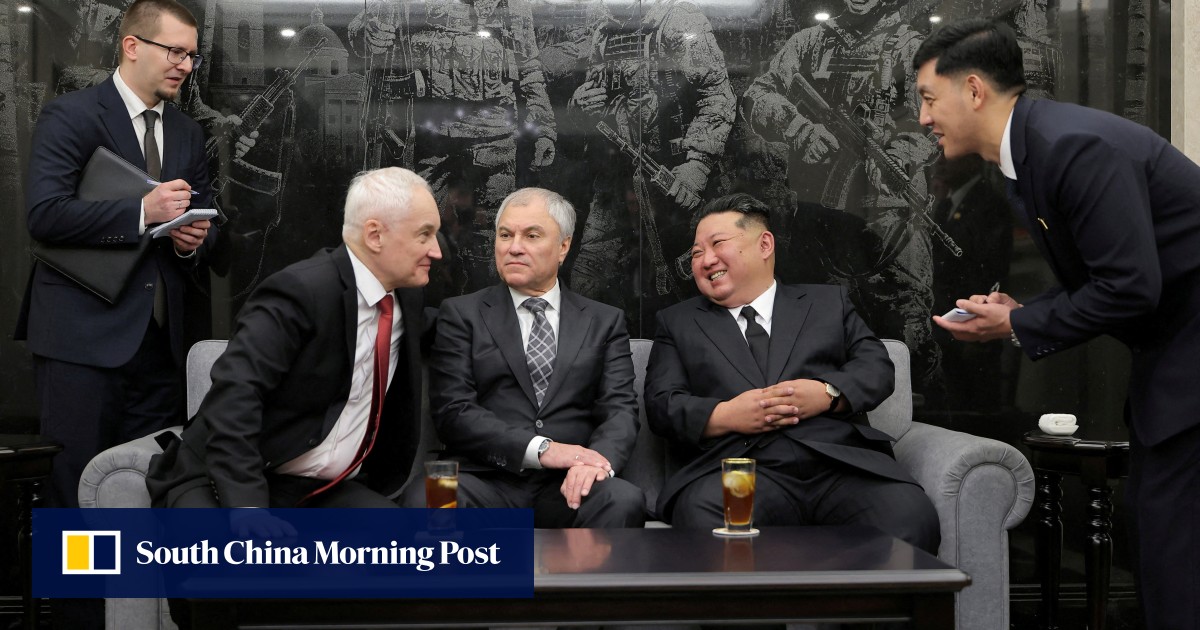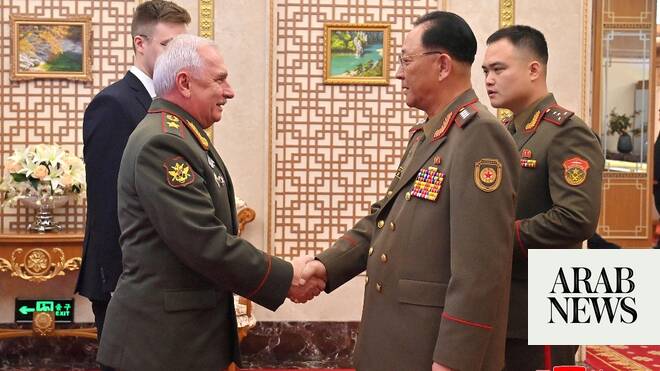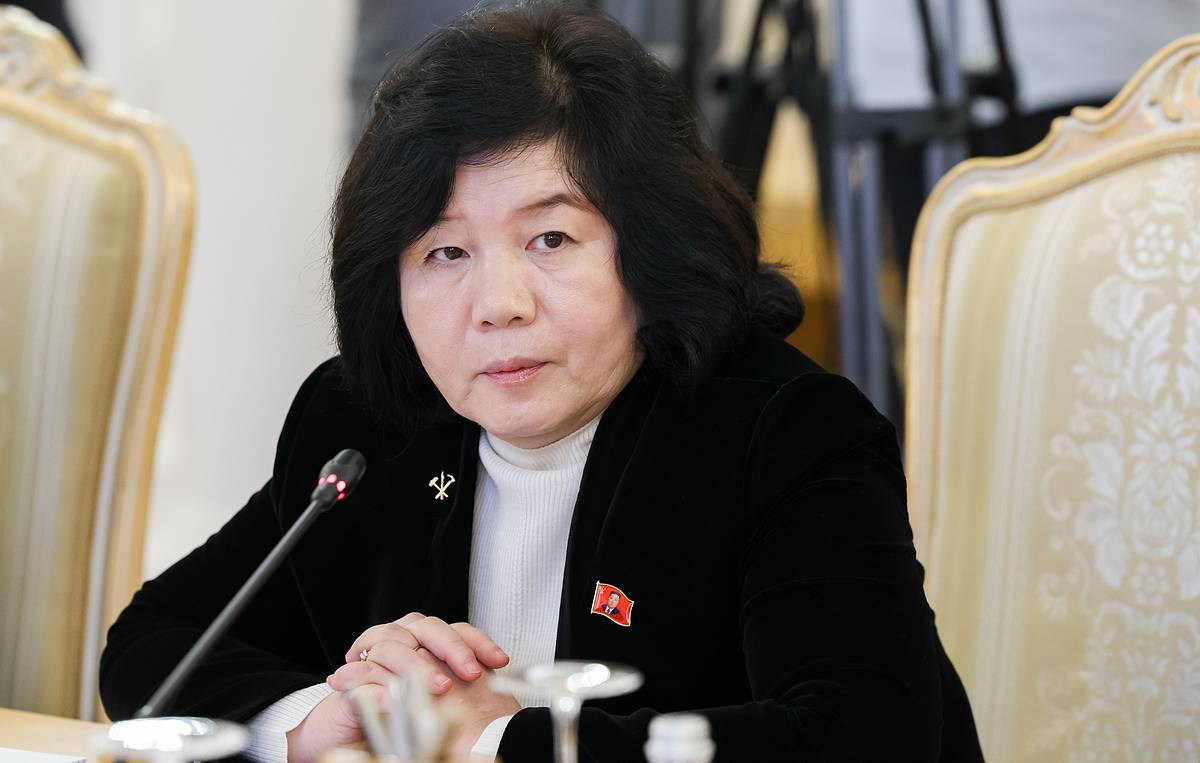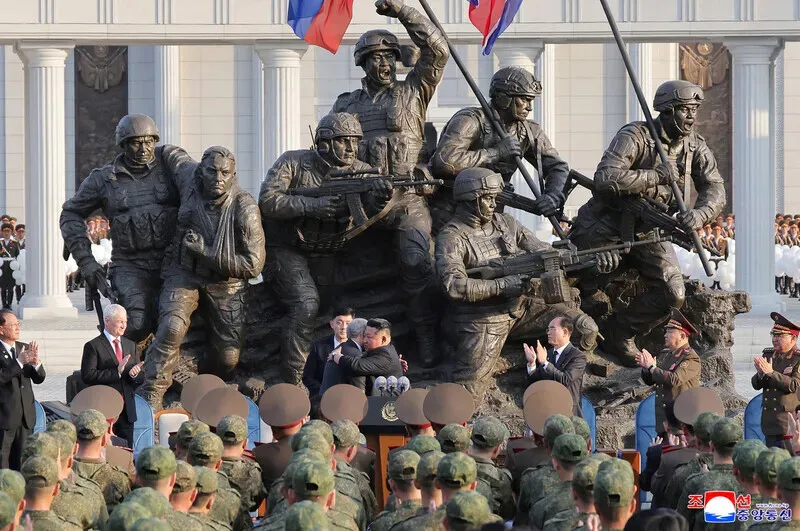
Recently, North Korea-Russian relations have moved beyond simple cooperation into a phase of restructuring. The fact that several high-ranking Russian officials made consecutive visits to North Korea and personally met North Korean leader Kim Jong-un belies the qualitative changes stirring within the relationship between the two countries. Cooperation in the war effort has significantly deepened ties between the two countries at a rapid pace. Moscow has described North Korea’s troop deployments as legitimate cooperation, and Pyongyang lent this political legitimacy, leading to North Korea-Russia relations being redefined as a “comrade-in-arms” relationship. The Russian defense minister’s visit to North Korea, during which he mentioned plans for medium- to long-term bilateral military cooperation, formalized the expansion of military cooperation. Should Russia transfer satellite technology, solid-fuel missile technology, and reconnaissance satellite operational capabilities to North Korea in the future, this could serve as a catalyst for North Korea’s military to become technologically advanced. If we take into consideration that technical contributions by old Soviet nuclear scientists helped lay the foundations of North Korea’s nascent nuclear program, further help from Russia may significantly heighten security risks for South Korea. What is remarkable about exchanges amongst high-ranking Russian and North Korean officials is that it includes a North Korean visit by the Russian natural resources minister. Russia’s Ministry of Natural Resources and Environment is a key institution directly overseeing Russia’s energy and minerals strategy, and the minister’s visit to North Korea seems to demonstrate Russia’s intention to integrate North Korea into its foreign economic and resource strategy. As such, it could be said that an exchange system has been formed: if one side provides soldiers to participate in a war, the other side gives energy in return. Especially as Russia is attempting to establish an alternate economic system in Asia as sanctions imposed by the West show no sign of being lifted any time soon, cooperation on resources, energy, and infrastructure between North Korea and Russia could advance into a structural system, which North Korea could use as an opportunity to restructure its economy while being burdened with sanctions. The implications of communication between high-level North Korean and Russian officials are as follows: first, the scope of cooperation has expanded to encompass all sectors and is shifting into a structured cooperative framework; second, the institutionalization of bilateral military cooperation is pushing the two countries into a quasi-alliance; and third, these changes are closely intertwined with China-Russia solidarity and are highly likely to reshape the security landscape in Northeast Asia. The 2023 North Korea-Russia summit at the Vostochny Cosmodrome, North Korea’s provision of military aid and the deployment of North Korean troops for Russia’s war in Ukraine in the late half of 2023, the signing of the North Korea-Russia comprehensive strategic partnership pact in 2024, and high-level exchanges that took place this past April indicate that bilateral relations are transitioning to a stage of institutionalized cooperation. North Korea-Russia relations have the potential to evolve into a complex, interdependent relationship that combines economic and security interests; Russia, which once had the potential to act as a counterweight to North Korea, is instead transforming into the North’s strategic patron. The Russia-Ukraine war caused South Korea-Russia relations to sour, and has also weakened South Korea’s leverage to contain North Korea through Russia, leading to a greatly narrowed strategic space for South Korea. To this, South Korea should respond as such: first, restore diplomatic channels with Russia and rebuild common ground, focusing on non-political areas such as energy and shipbuilding.Second, in response to the deepening military cooperation between North Korea and Russia, South Korea must strengthen its core military capabilities and counter North Korea’s efforts to modernize its military prowess.Finally, with the South Korea-US alliance at the base, it must develop its relations with China and Russia to restore leverage for containing North Korea through China and Russia. The closeness of North Korea and Russia is a variable that could structurally change the Korean Peninsula’s security environment. South Korea’s response should go beyond existing strategies and adopt a more comprehensive approach to the evolving security landscape. Please direct questions or comments to [english@hani.co.kr]
[Guest essay] Moscow-Pyongyang ties are rewriting security in NE Asia
The closeness of North Korea and Russia is a variable that could structurally change the Korean Peninsula’s security environment
683 words~3 min read