RESTORATION OF CHARACTER IN THE EDUCATION SYSTEM
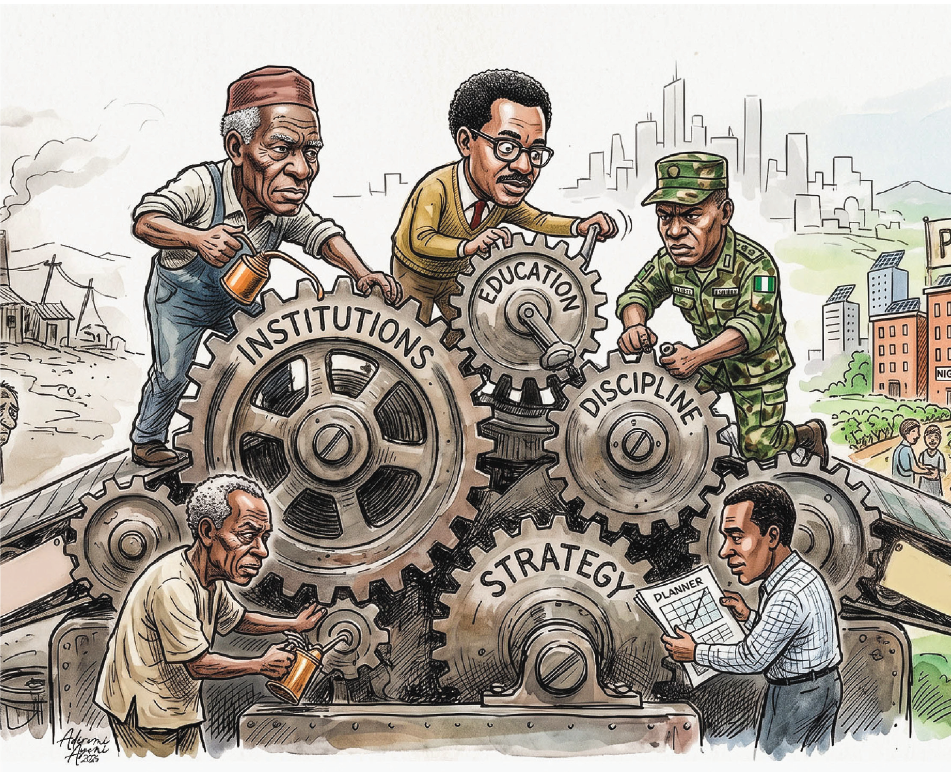
Nigeria’s educational crisis did not begin in one generation, nor can it be healed by slogans, political speeches or the construction of a few magnificent buildings. The decay is moral, intellectual and institutional. Yet the nation once had leaders who understood that education was the foundation of civilization, social mobility and national dignity. Men like Obafemi Awolowo invested heavily in free education because they believed that ignorance was the greatest enemy of progress. His educational revolution in the Western Region produced teachers, lawyers, doctors, journalists and thinkers who transformed society. Later, Tai Solarin continued in the same path by emphasizing discipline, self-reliance and moral training.
In the Eastern Region, Nnamdi Azikiwe championed nationalism, journalism and political consciousness, but the Igbo society historically leaned more toward commerce, apprenticeship and enterprise. Long before colonial rule, trade routes through the River Niger sustained powerful economic centres like Onitsha Main Market, one of Africa’s largest markets. Industry and entrepreneurship became part of the cultural identity of the people. Education therefore developed alongside business ambitions rather than through a fully state-driven welfare system. Today, however, Nigeria faces a painful contradiction. Degrees multiply while wisdom declines. Campuses that once produced intellectuals now struggle with cultism, examination malpractice, internet fraud and the glorification of sudden wealth. Some students pursue certificates merely to satisfy parents or display social status. Expensive vehicles parked in university compounds often symbolize a culture where wealth is admired more than knowledge. Primary and secondary schools increasingly train the mind while neglecting character. A nation that rewards shortcuts inevitably raises a generation impatient with process, discipline and sacrifice.