May 25, 2026
By Victor-Bandele Dada
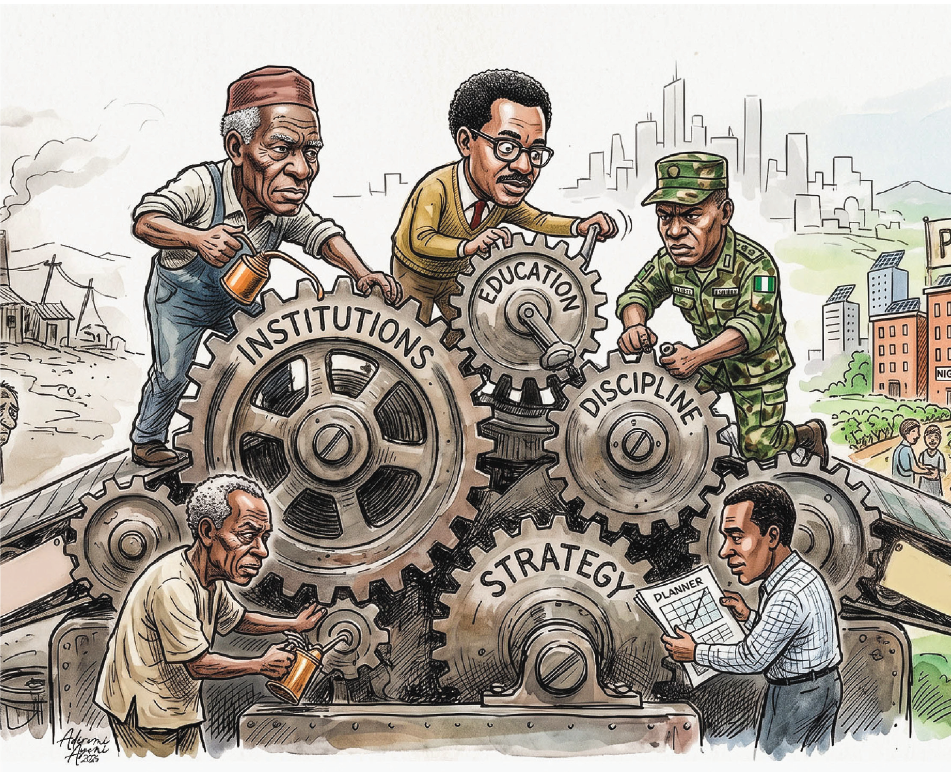
In the twenty-first century, the wealth of nations is increasingly determined not simply by natural resources, geographical advantage, or industrial output, but by the ability to continuously generate, organize, and apply ideas. The global competition for development has gradually become a competition of intelligence, innovation, and creativity. Nations that succeed in transforming ideas into institutions gain enduring advantages because institutions preserve and multiply human potential across generations. Creativity, therefore, can no longer be viewed as an accidental product of individual talent; it must become a deliberate and organized social process.
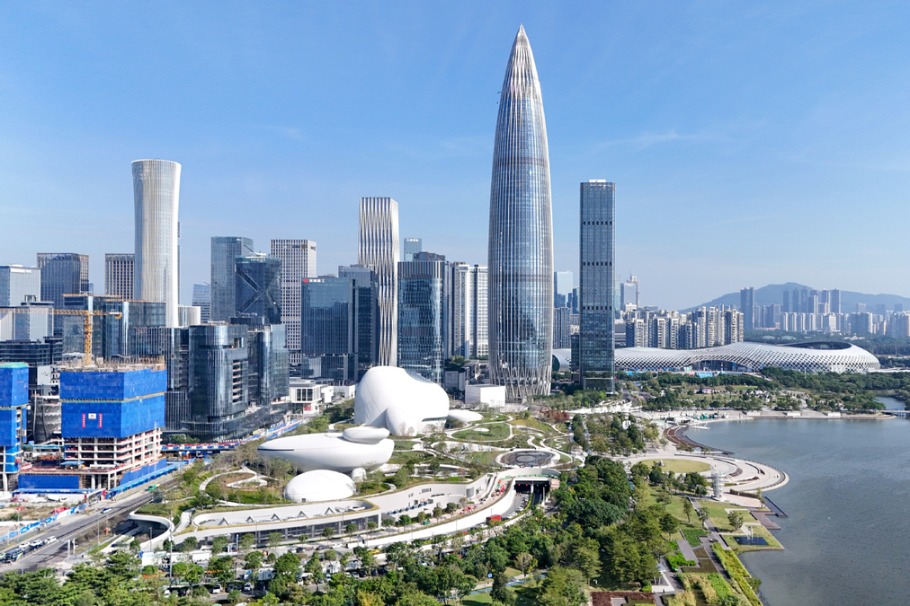
China presents one of the most compelling contemporary examples of the institutionalization of creativity. Within a few decades, China transformed from a relatively low-income economy into one of the world’s leading industrial, technological, and innovation powers. This transformation did not occur solely because of market reforms, population size, or manufacturing capacity. A major underlying factor was the country’s systematic effort to build institutions capable of producing, nurturing, financing, and implementing ideas at scale.