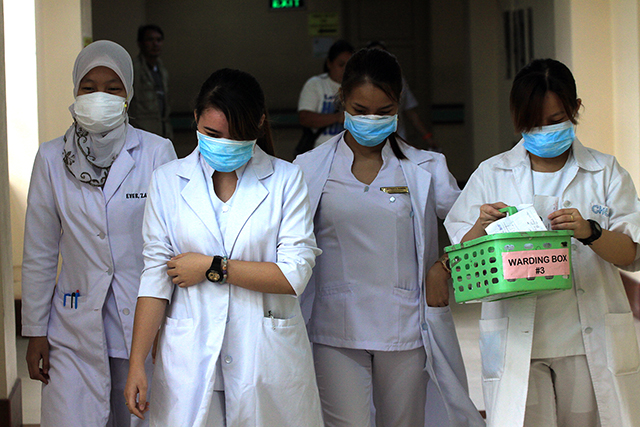
For decades, Philippine health secretaries have fought familiar domestic battles: overcrowded hospitals, vaccine controversies, procurement disputes, workforce shortages, uneven rural access, and the endless struggle to stretch limited resources across a fragmented healthcare system.
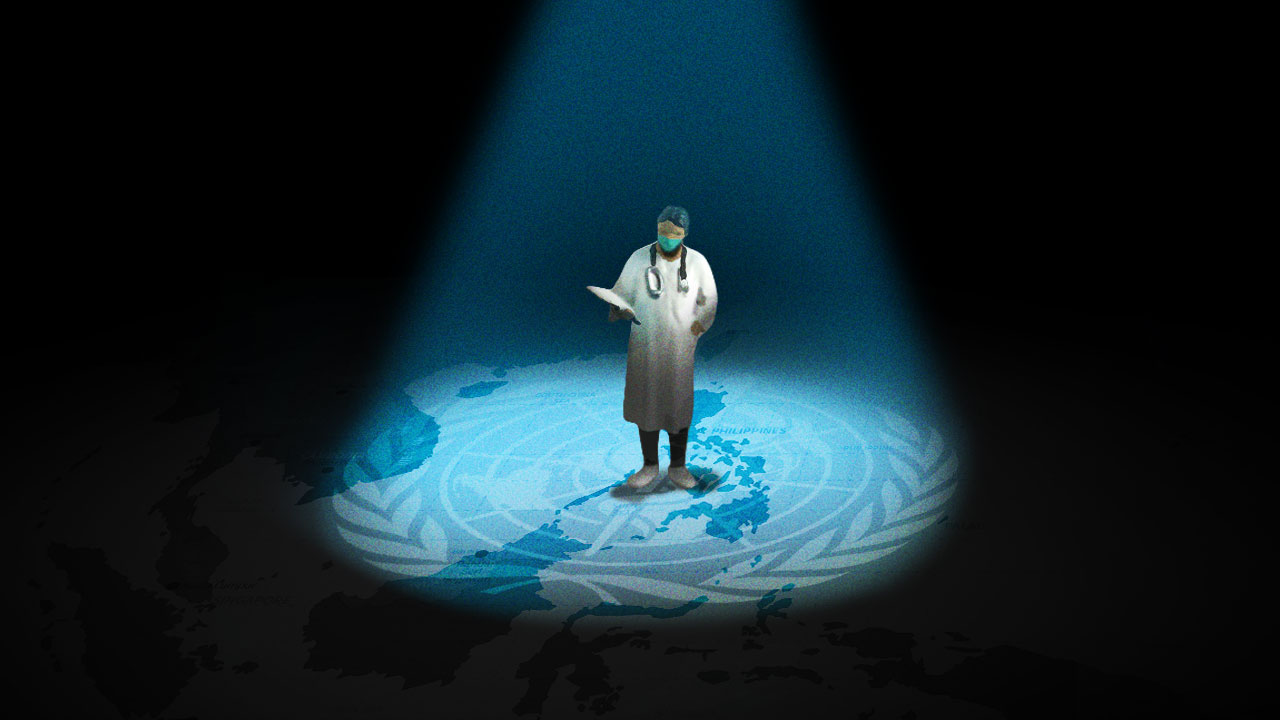
Rarely, however, has a sitting Philippine health secretary simultaneously occupied visible leadership in global health diplomacy.
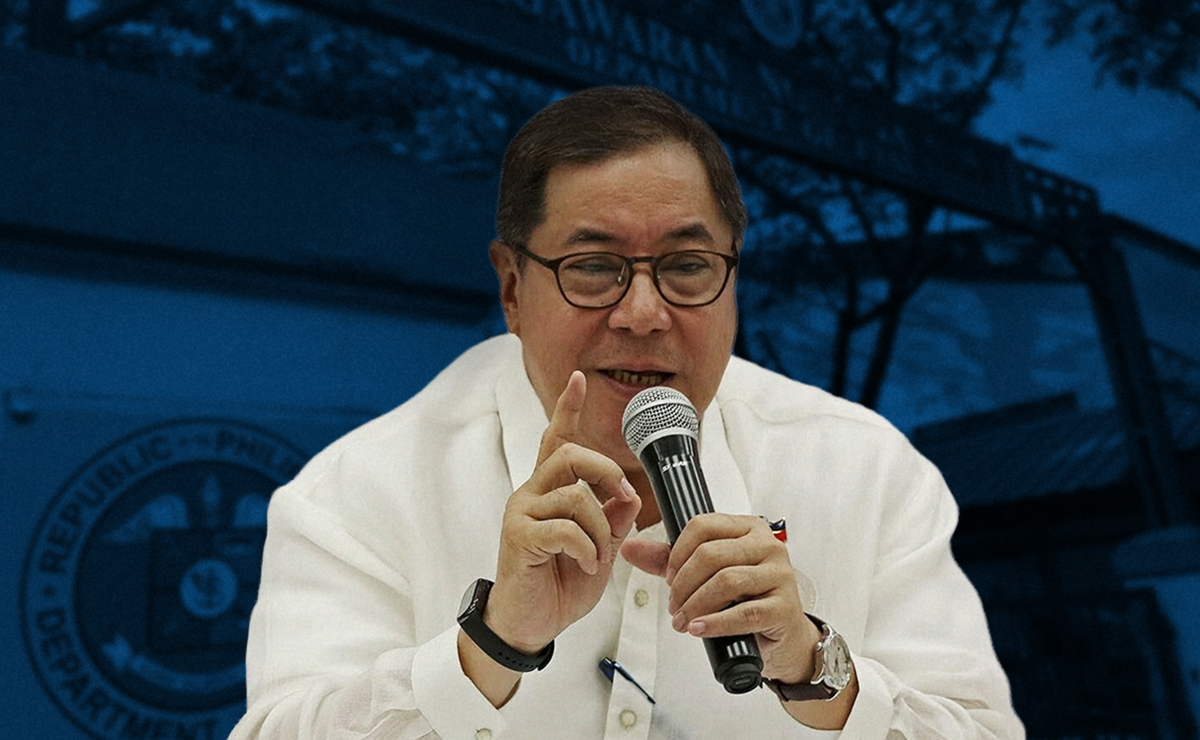
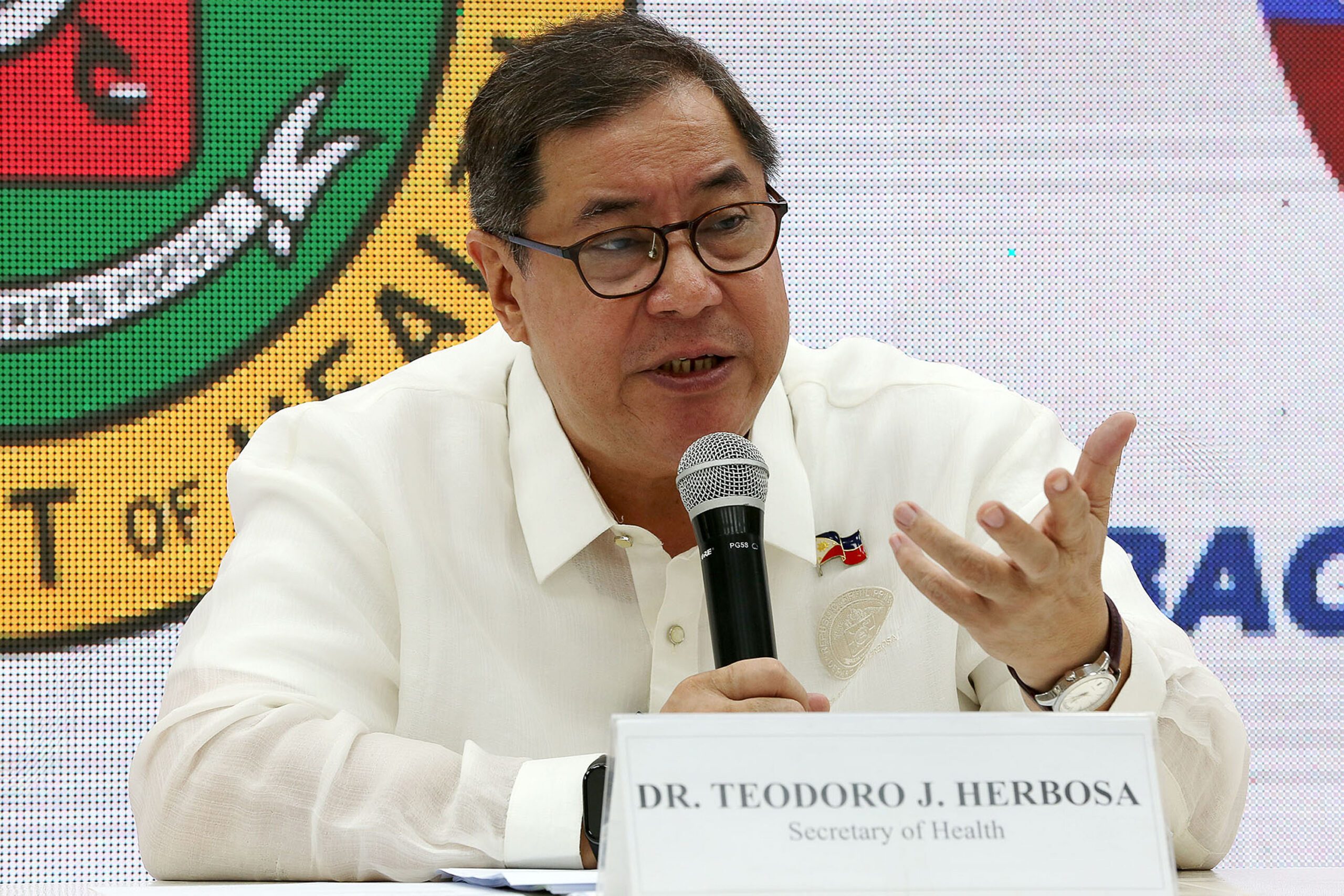
That is what makes the recent elevation of Teodoro Herbosa unusual.
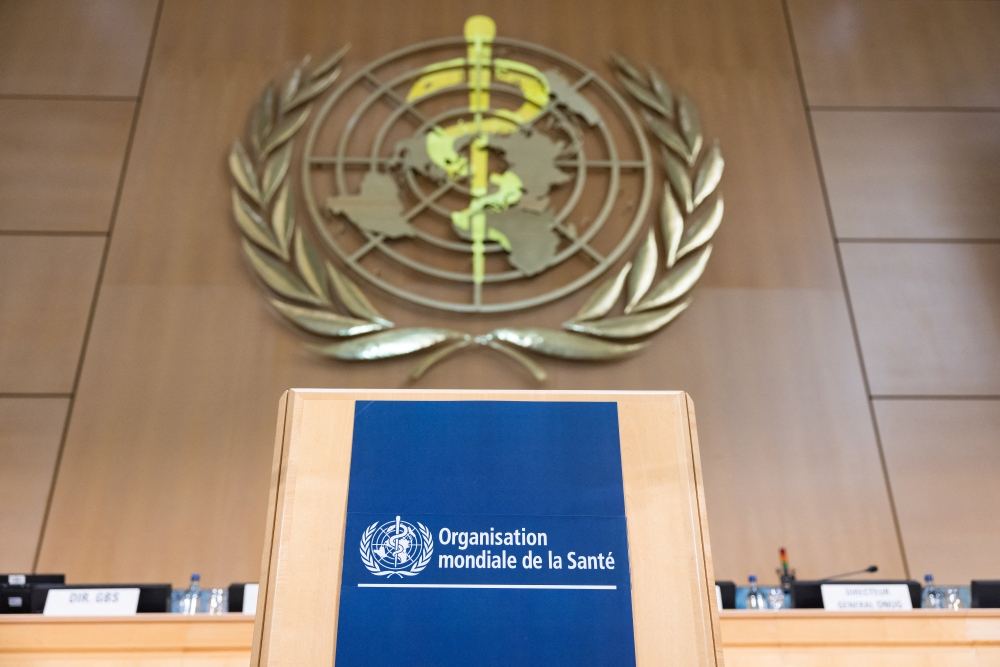
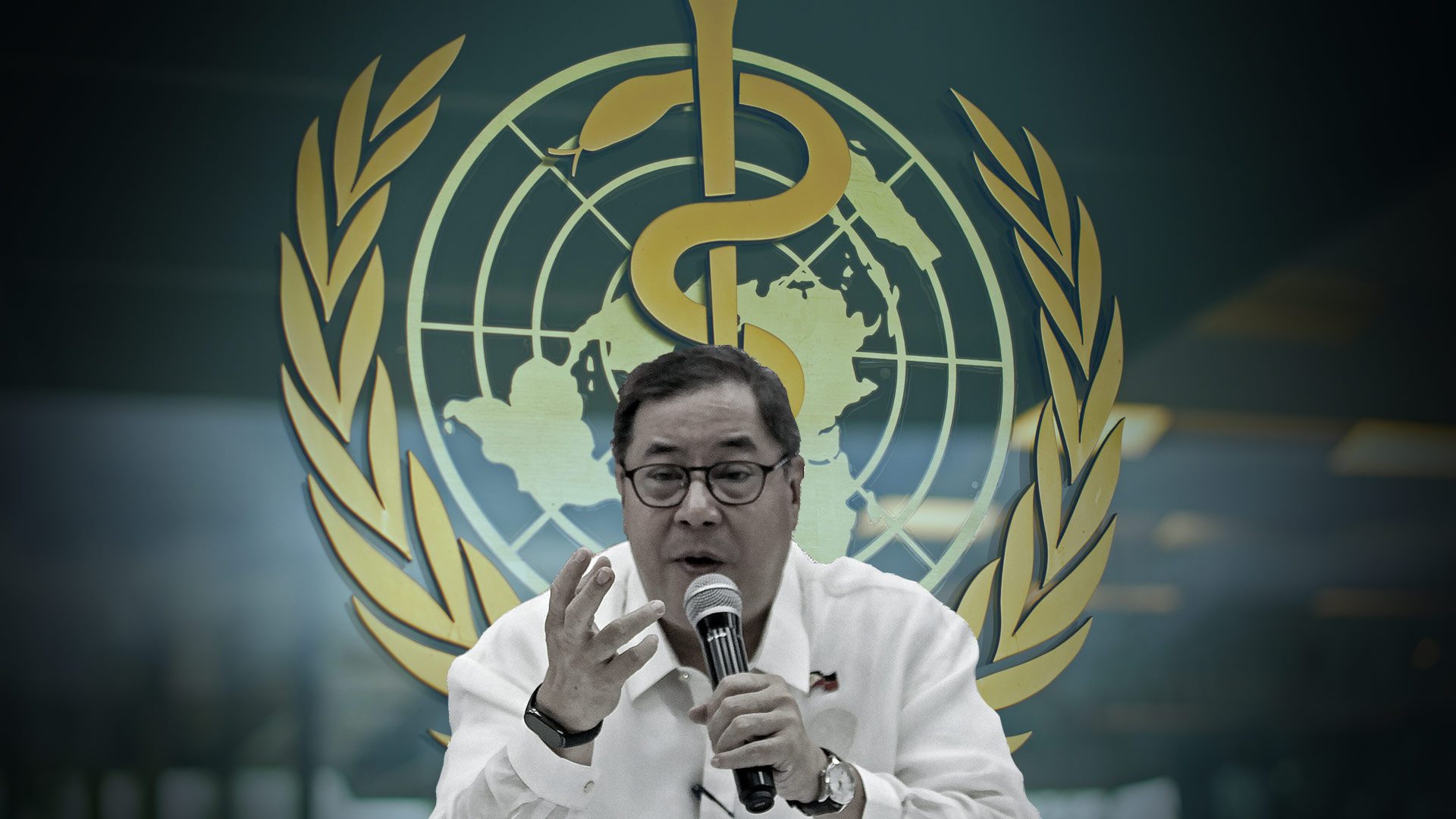
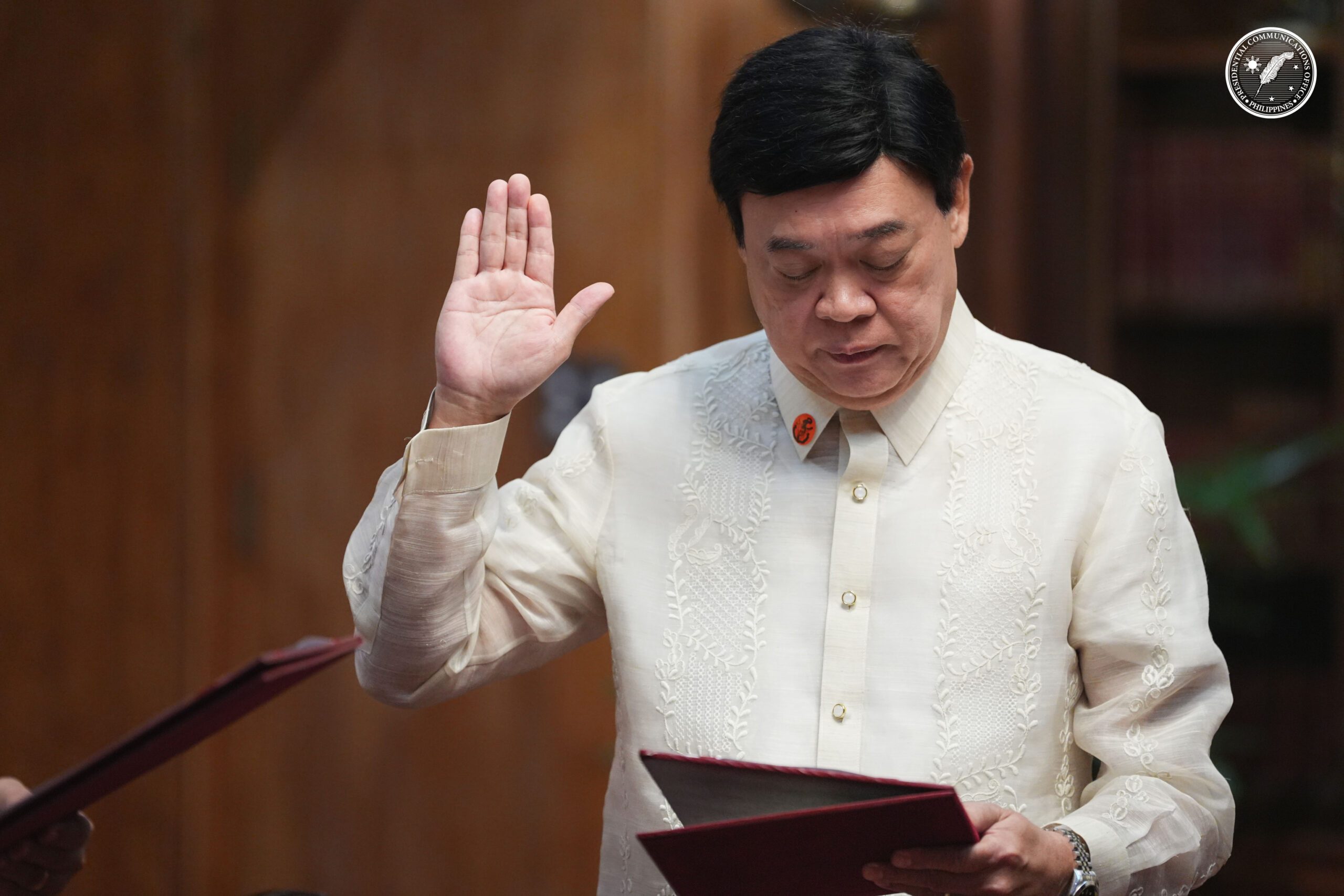
In 2025, Herbosa was elected president of the 78th session of the World Health Assembly, the decision-making body of the World Health Organization. Regardless of one’s views on his domestic record, the symbolism is difficult to ignore: for a moment, the Philippines occupies a more visible place in formal global health governance. Congratulations are appropriate.
The real question is not whether Herbosa has become internationally visible. It is whether the Philippines will convert moments of global legitimacy into stronger institutions at home.