Support CleanTechnica's work through a Substack subscription or on Stripe.
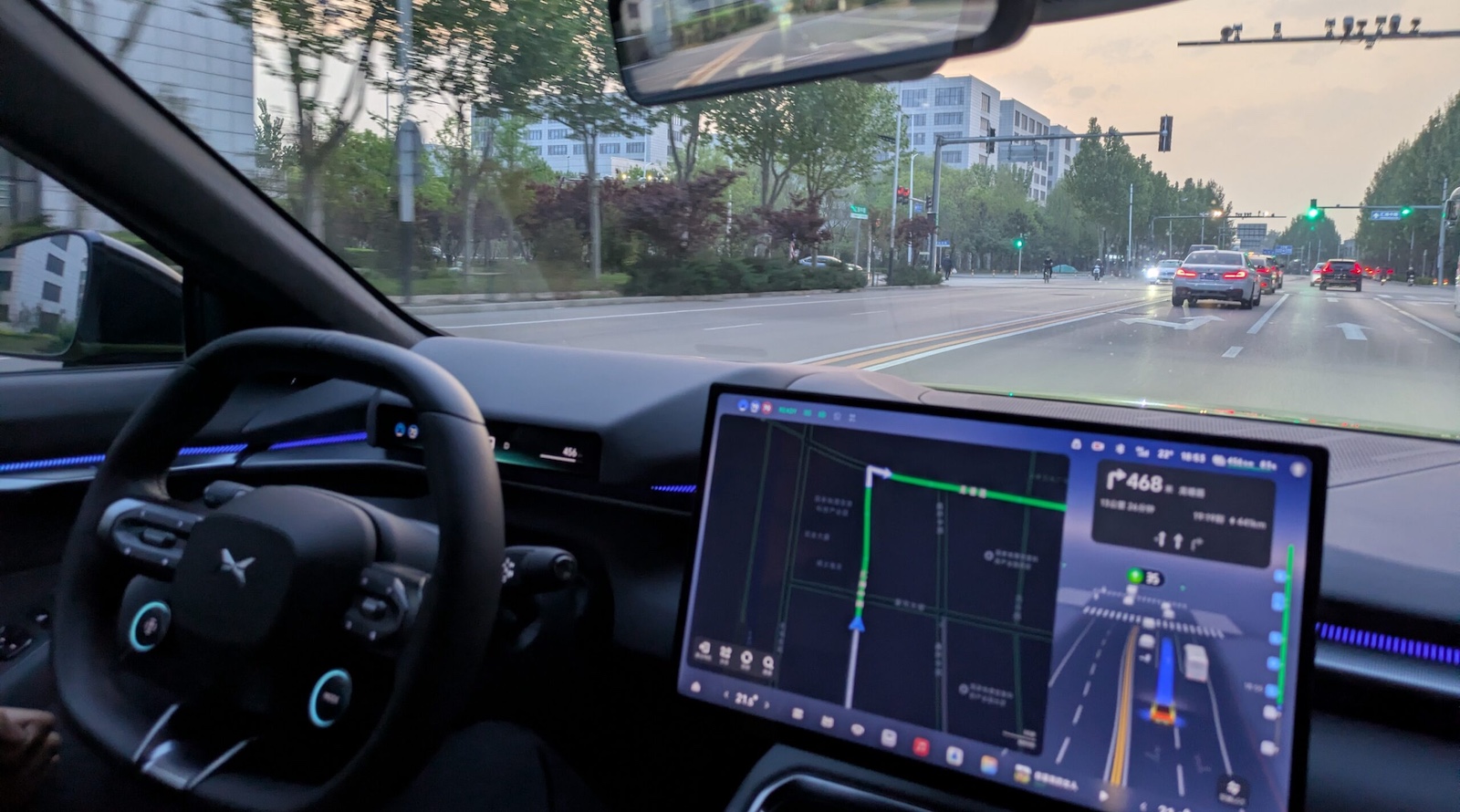
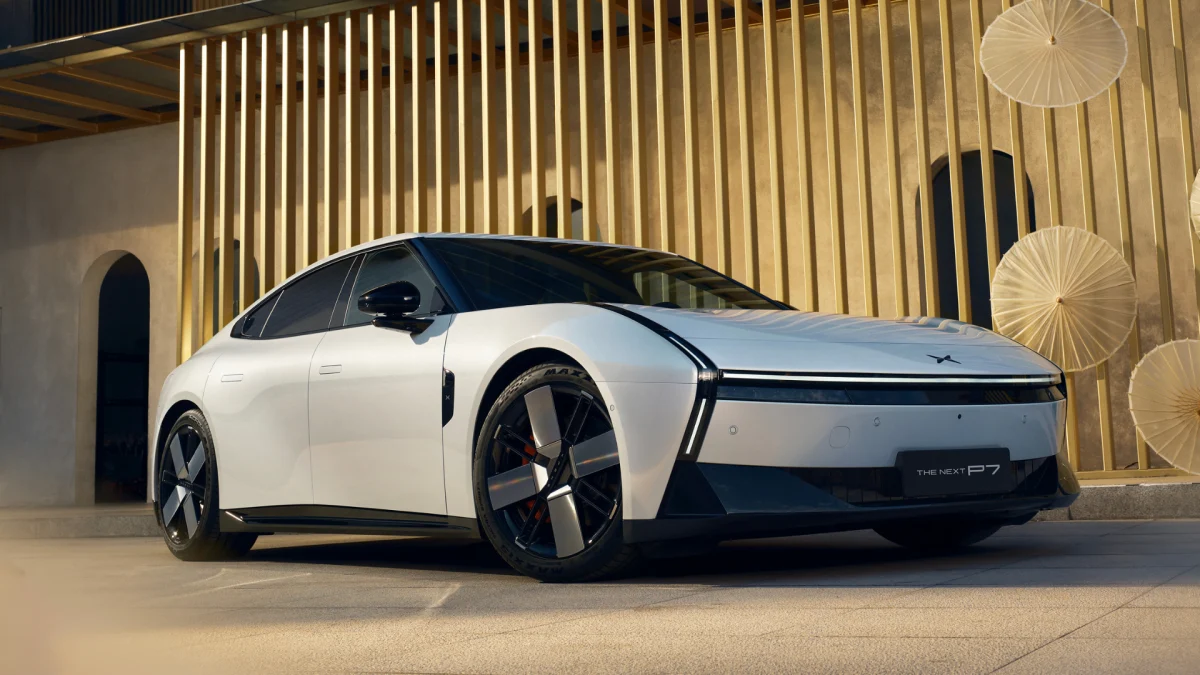
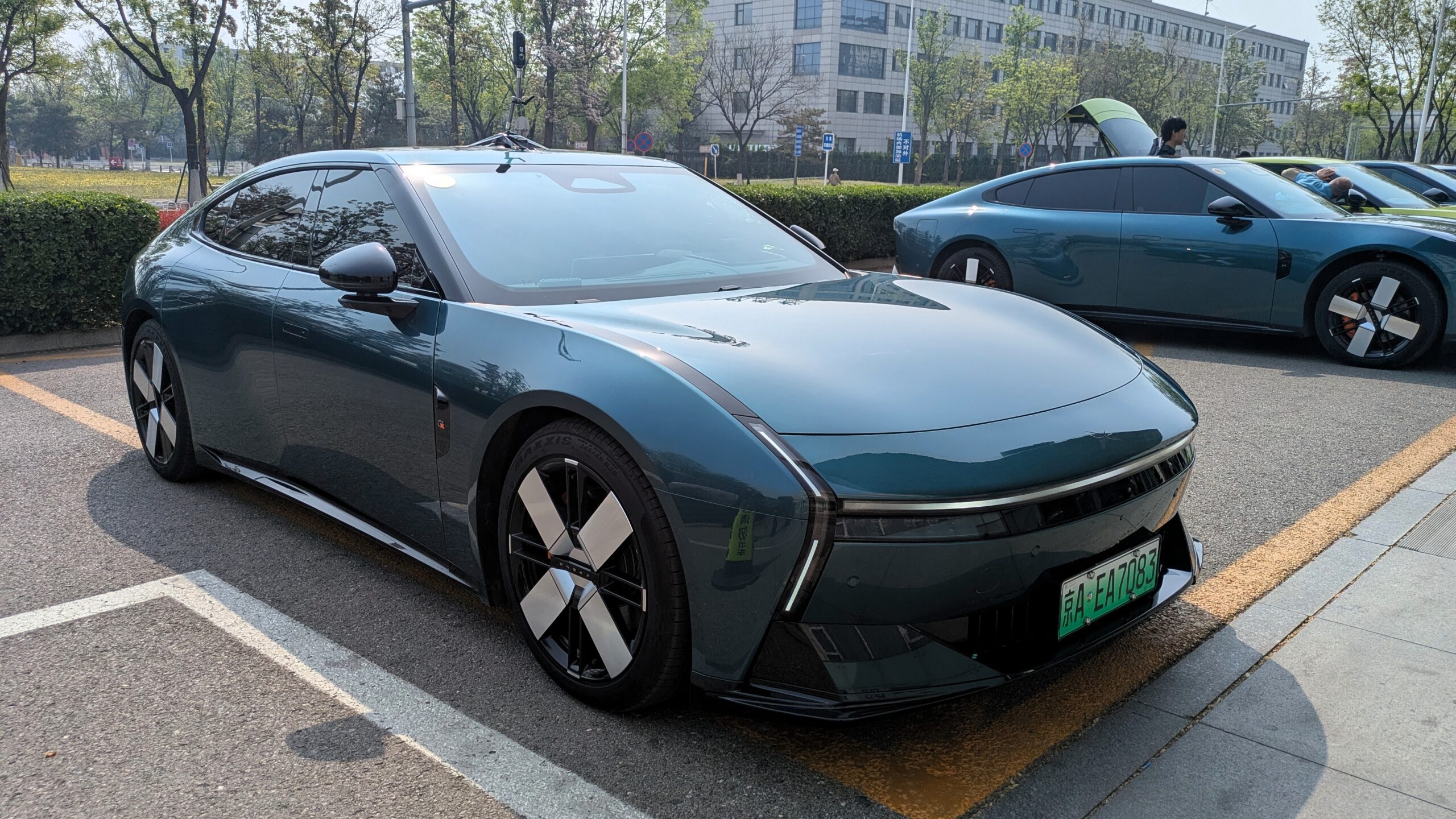
In recent articles on XPENG, I have focused on the development of human employees who make technology possible and the technology tools that they use. However, the output of the people using automation and AI tools is what matters the most to customers. It is especially noticeable in autonomous driving systems. When test driving the P7 with VLA 2.0 last month, what impressed me the most was how human-like it was. Honestly, it drove a bit smoother and could see better than I could, but the way it dealt with the road felt more like an experienced driver than a machine. The judgment calls and how it anticipated the road ahead seemed thoughtful and intuitive. In digging into the details, this is not just mimicking human driver behavior, but rather more closely reflecting human intelligence within their Artificial Intelligence.
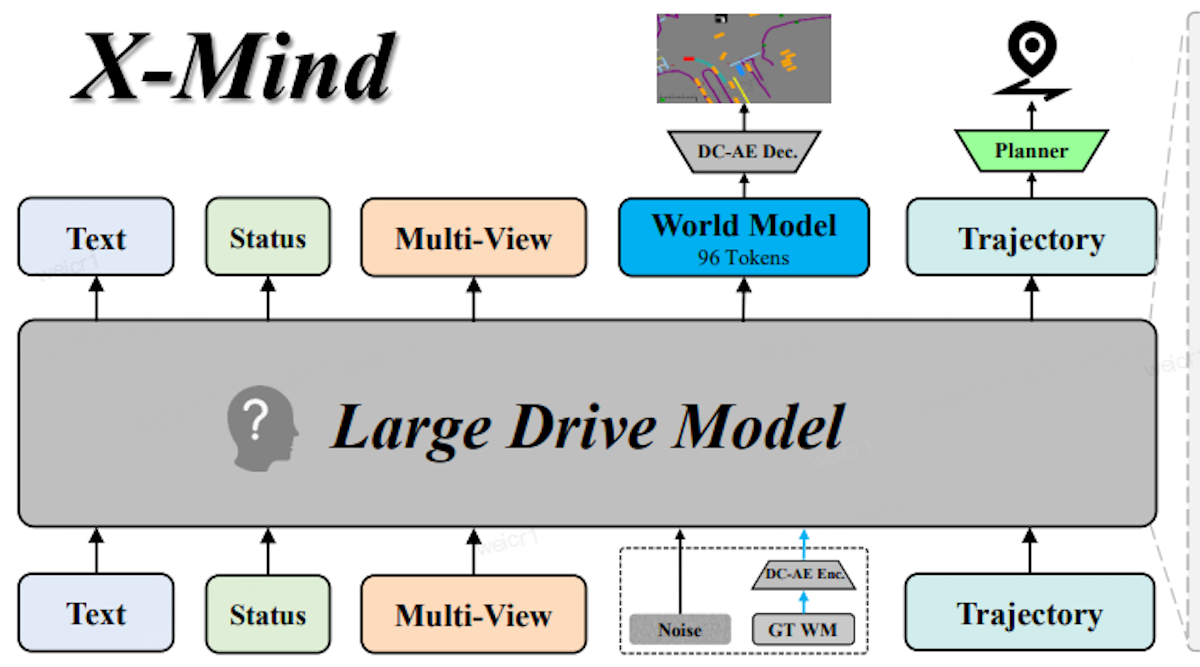
Built on human-like first principles, the system operates on a “what you see is what you get” basis. This results in stronger generalization capabilities, allowing the software to be utilized across all scenarios on a global scale.
Beyond the technology details, according to XPENG, the core advantages of VLA 2.0 are: Reduced Loss, Faster Response, Human-like Performance, and Intelligence Emergence.