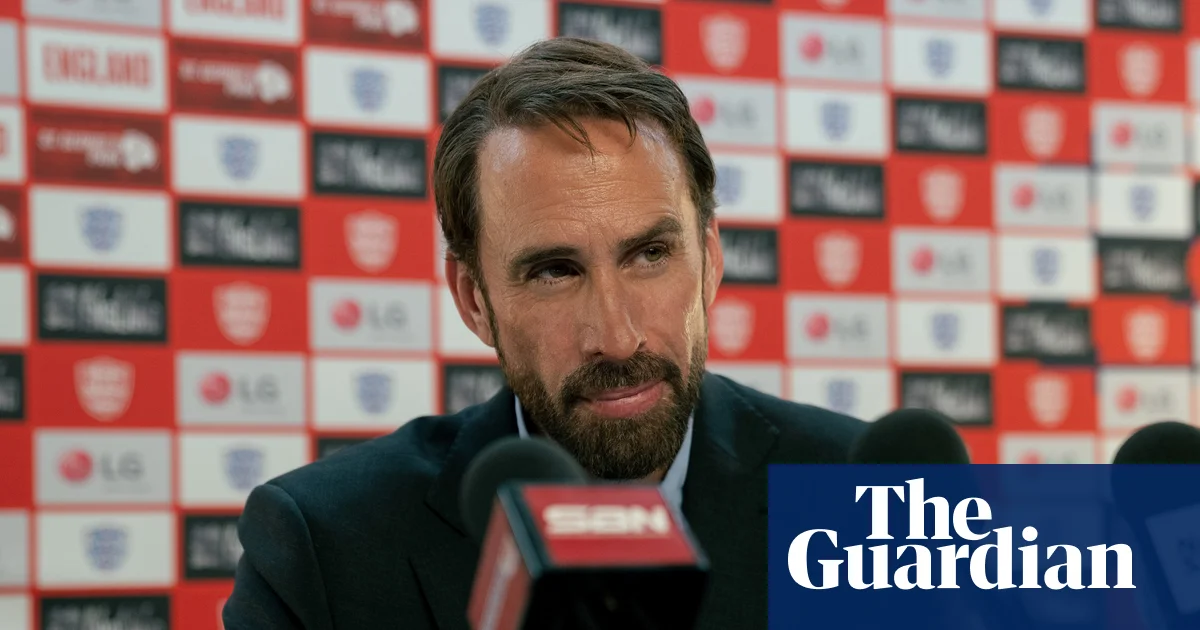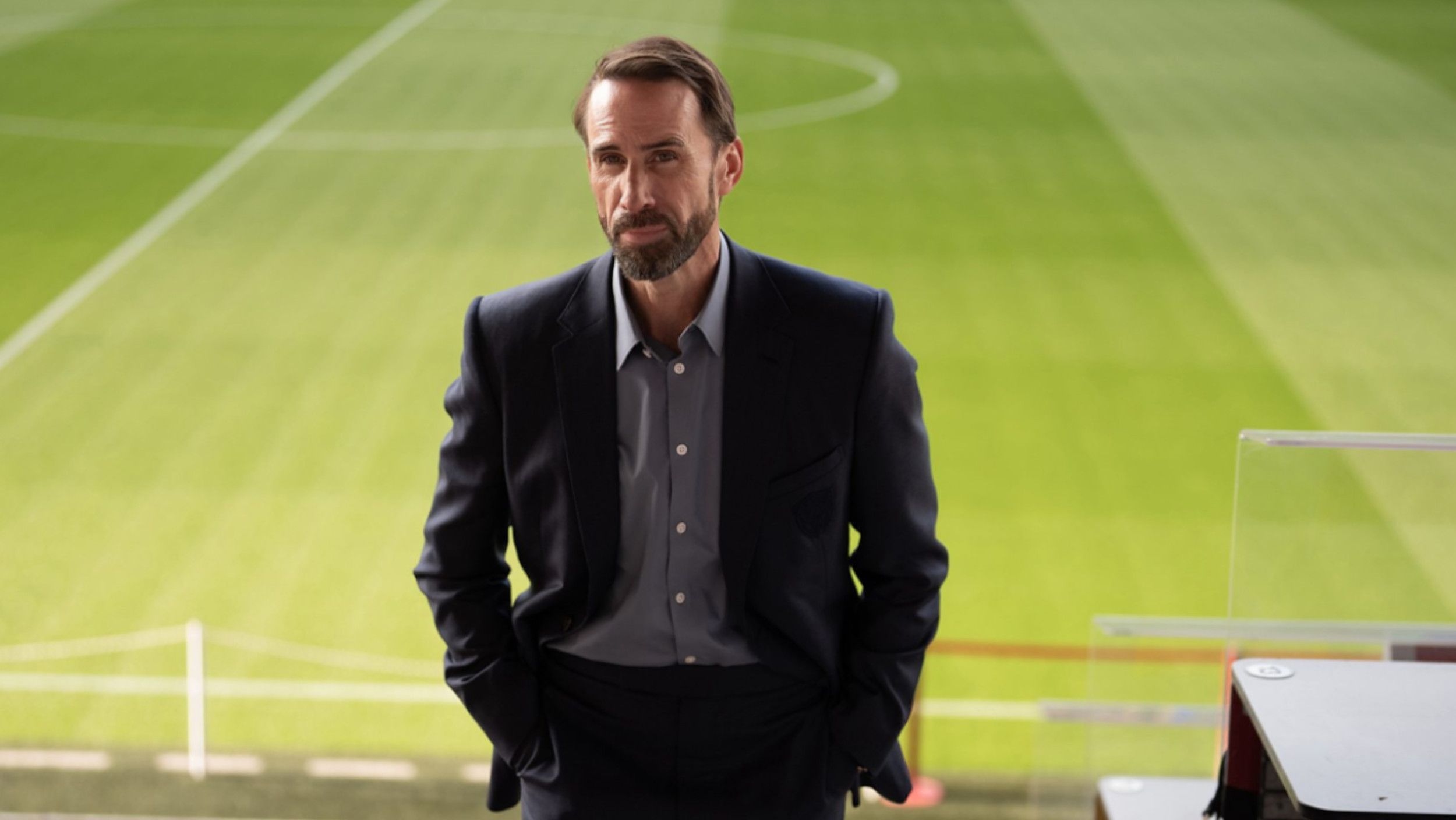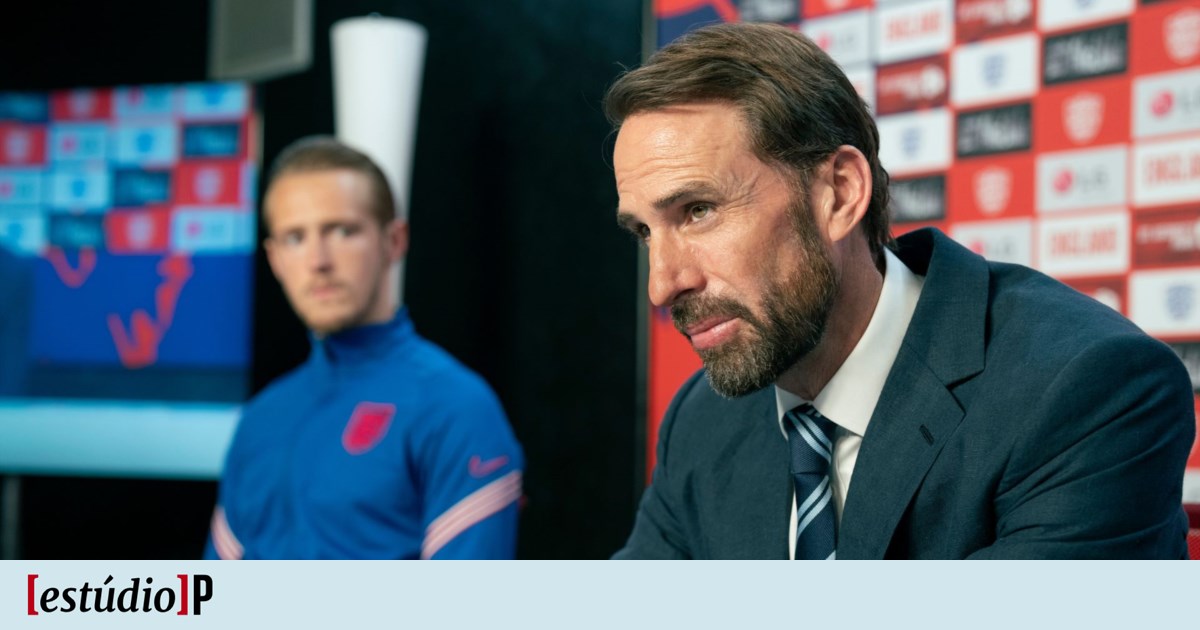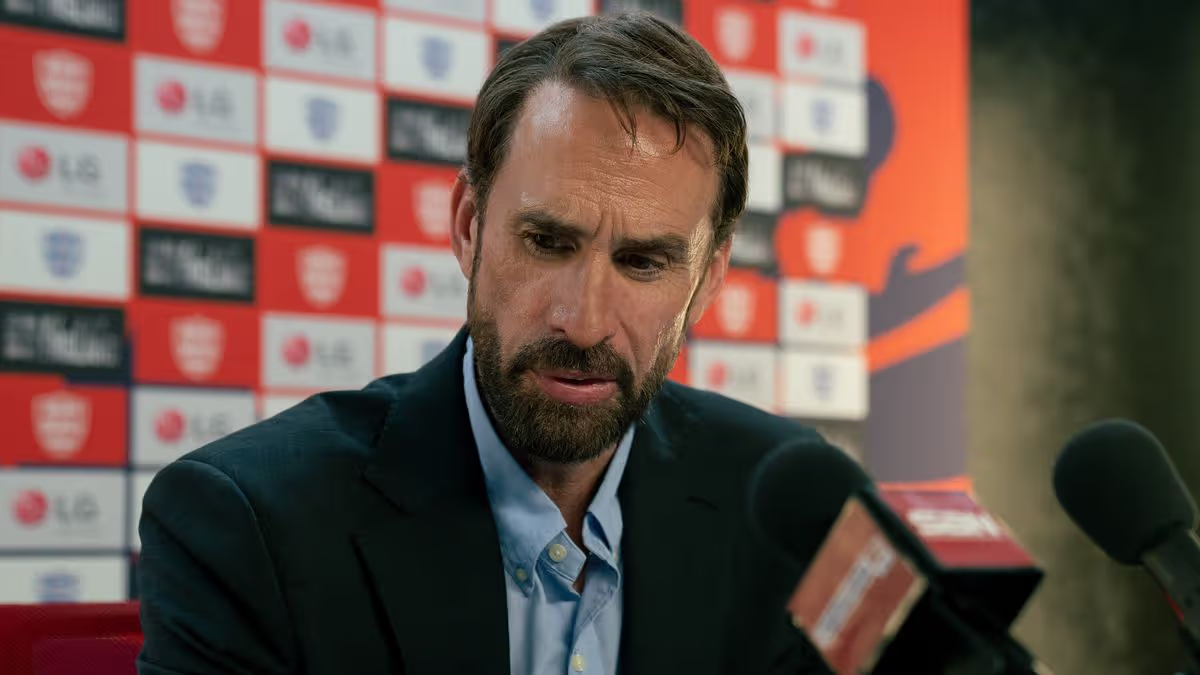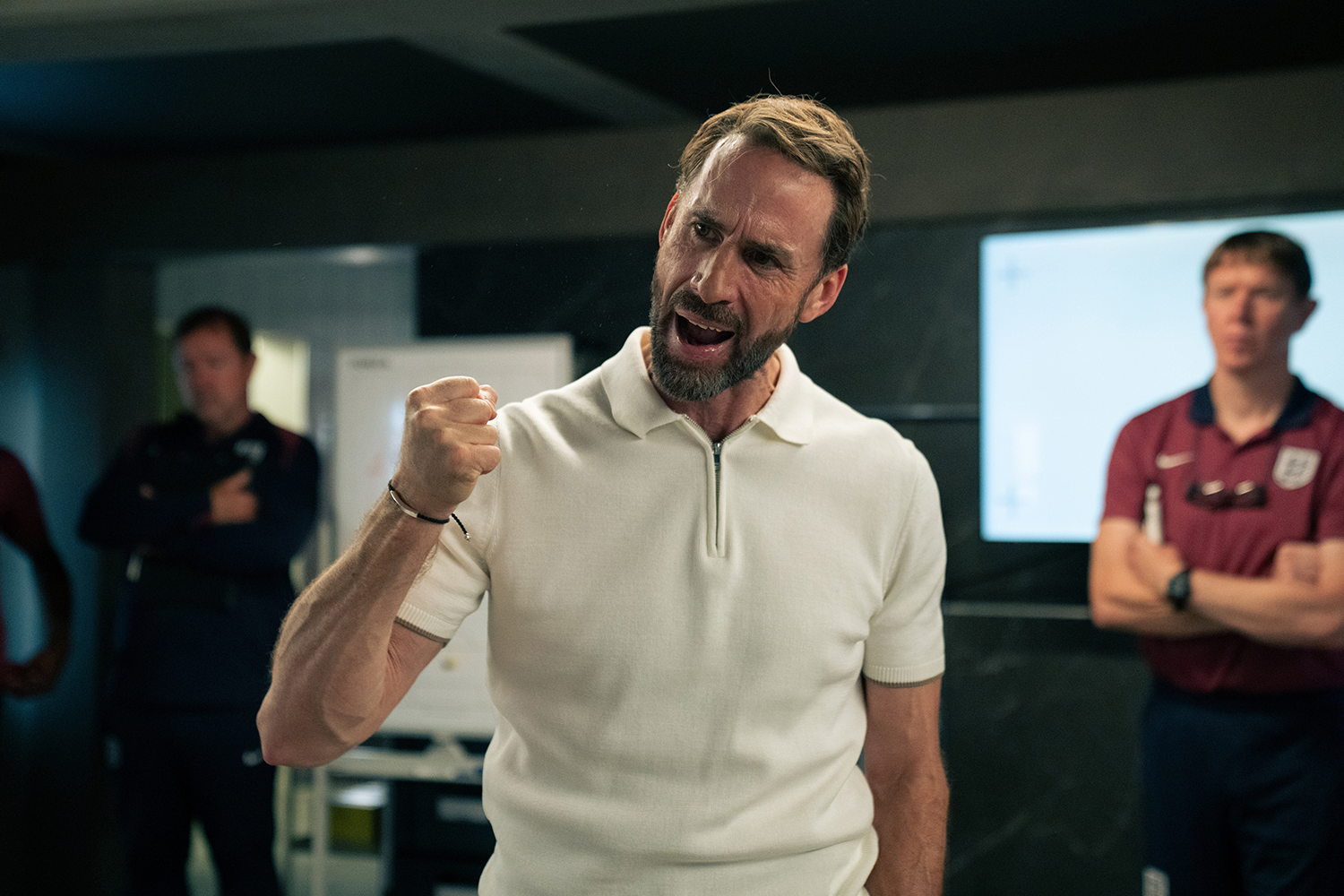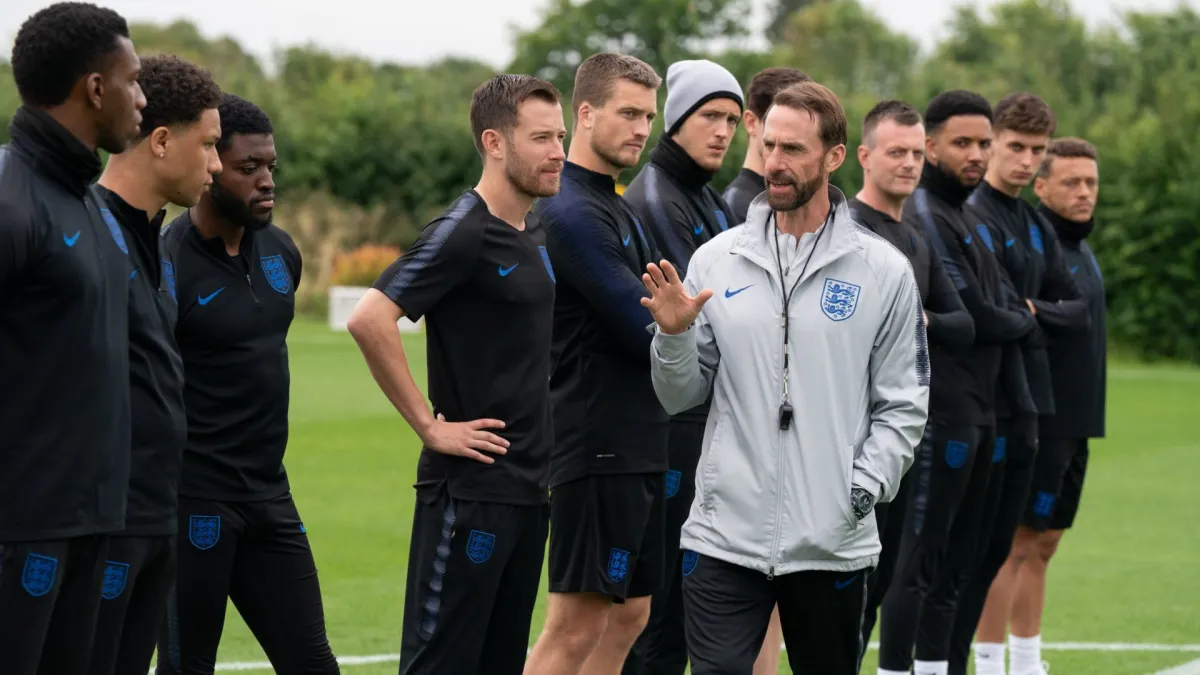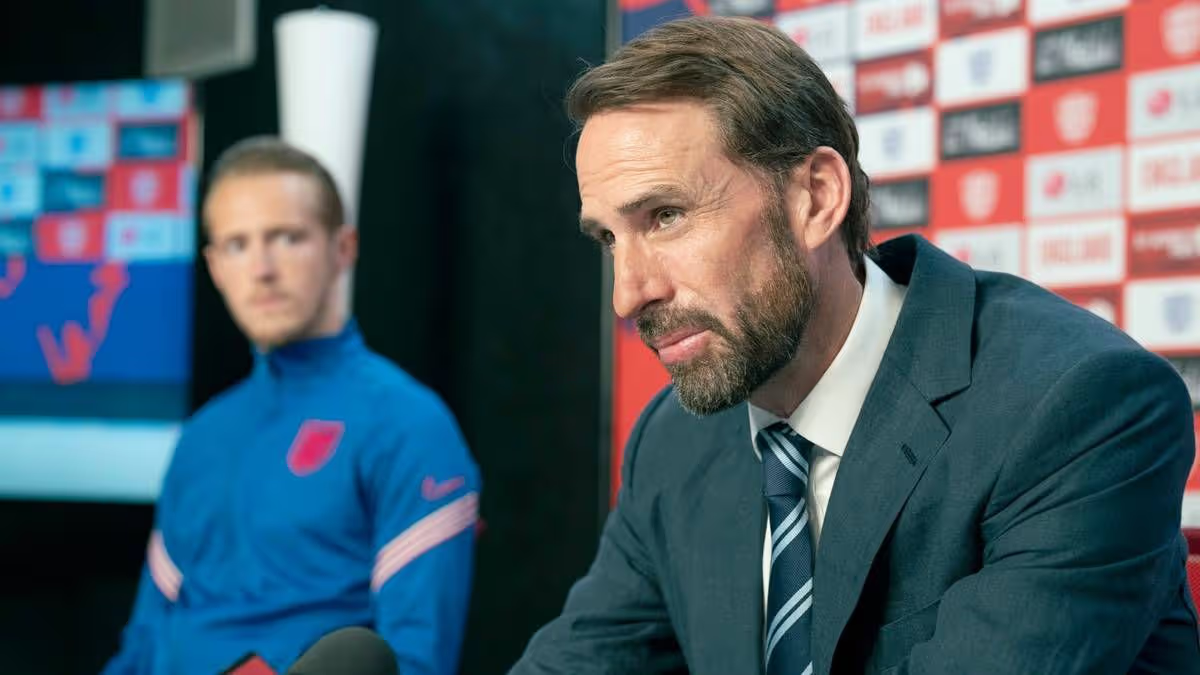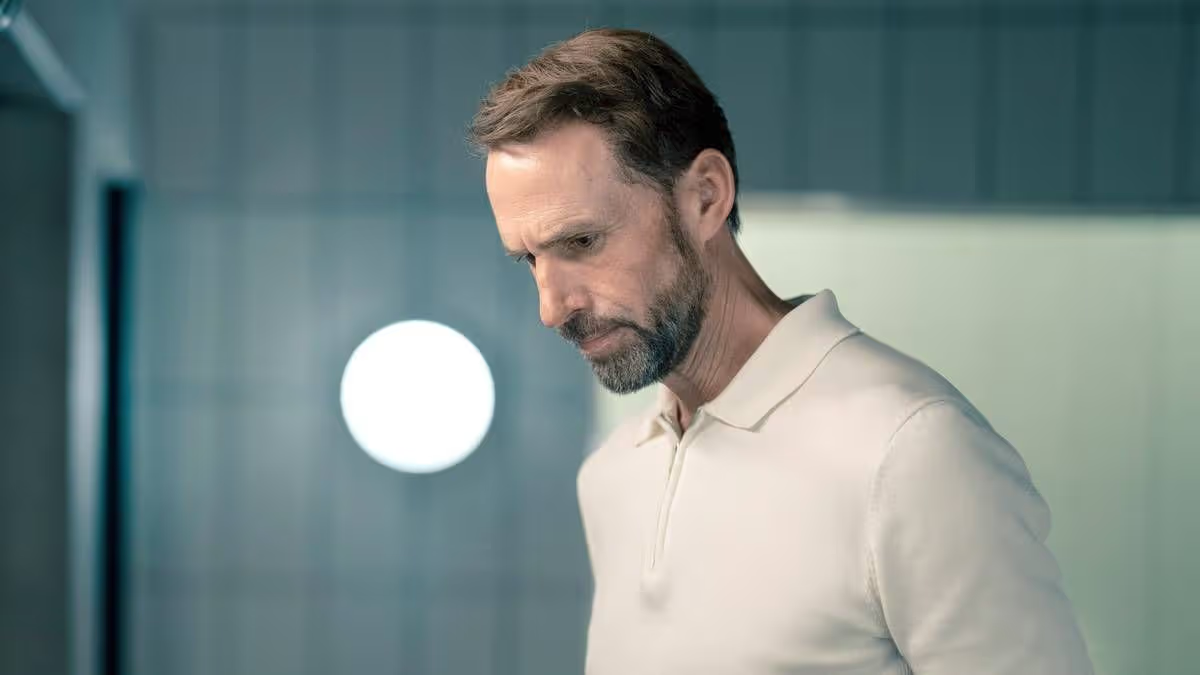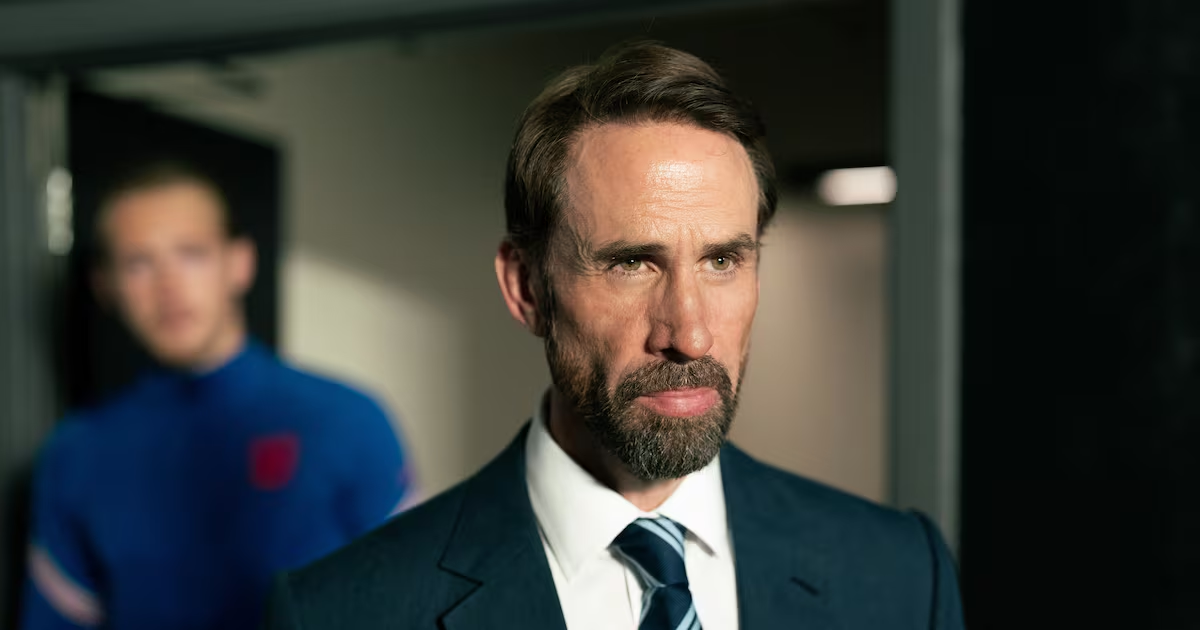
The obvious point to make about Gareth Southgate soccer drama, Dear England (BBC One, 9pm), is that a lot of us are going to watch it for the sheer pleasure of witnessing England lose – not once or twice, but thrice.The first cataclysmic failure is at Euro ’96, the Britpop jamboree that goes off the rails when journeyman defender Southgate misses a penalty and the Three Lions are tamed by Germany. Then comes the 2018 World Cup semi-final, when Croatia, annoyed at the banter about soccer “coming home”, dump England out on their ears.Finally, there is Euro 2020 – which of course actually took place in 2021 and where another penalty loss by England in a Wembley decider is clouded by shambolic organisation. We’re going to need a bigger popcorn bucket.Sport is never just sport, of course, and the immensely thoughtful and hugely watchable Dear England isn’t just about men in white jerseys trying and largely failing to kick a ball into the net. Adapting his award-winning play of the same name, James Graham uses soccer as a prism through which to explore the English psyche in a post-Brexit world.Southgate is played by his uncanny lookalike Joseph Fiennes, reprising his performance from the stage version to depict the manager as embodying all that is best about England (in the view of English people at least). He is reserved, quietly spoken, intense in his feelings, yet slow to anger.You can see why Southgate mania spread so quickly after he was hastily bunged into the role following Sam Allardyce’s departure after a single game. At a time when British politicians were either boring quasi-competents, charming mountebanks or boggle-eyed fantasists, he represented a sort of Englishness in which people could take pride. He was humble, soft-spoken – no born winner but a glorious underdog. Behold the anti-Boris Johnson, the place in the universe the furthest distance from Andrew Mountbatten-Windsor. [ TV guide: the best new shows to watch, starting tonightOpens in new window ]Dear England: Joseph Fiennes as Gareth Southgate. Photograph: Justin Downing/Left Bank/BBC The joke, of course, was that the other England – still high on imperial vapours – hadn’t gone away. England have always assumed the World Cup theirs by divine right and that they were destined to win it again. Southgate’s psychological sleight of hand was to convince both team and nation that if they pretended they weren’t going to win, they were definitely 100 per cent going to this time. When they didn’t, they were just as stunned as at previous tournaments.Graham has a gift for making sport accessible and fleshing out the human story beneath all the huffing and puffing up and down the pitch (though the soccer scenes are well done). As Southgate, Fiennes locates a quiet fire beneath the bland exterior (how perfect that his waistcoat should be from Marks & Spencer). He has his match in the excellent Jodie Whittaker as team psychologist Pippa Grange.However, things fall apart when it comes to portrayal of the soccer players – the actors playing Harry Kane and Jack Grealish are cartoonish lookalikes (Grealish appears to have been cast strictly because of his ridiculous haircut). The exception is the sensitive depiction of Dele Alli (Lewis Shepherd), a young man from an unstable background who played for England but never achieved his true potential (there were unfounded rumours last season that he was about to sign for Bohemian FC). Full accidental hilarity is meanwhile achieved in the prominence of defender Harry Maguire, cast as one of the building blocks of Southgate’s England but who has just been very publicly excluded from the England World Cup squad by new manager Thomas Tuchel.There are echoes in Dear England of the recent Roy Keane v Mick McCarthy World Cup drama, Saipan. Both used soccer to make wider points about nationhood. In Saipan, the rupture point lay between Cork-born Keane and Barnsley-native McCarthy’s conflicting ideas of Irishness. Keane quite rightly had enough of our cheerily fatalistic “it’ll be grand” culture. McCarthy thought it was fine for the players to relax before the World Cup.Dear England has a more muddled message. Southgate is presented as a super-sized soothsayer, mopping the brow of a troubled nation. But those woes remain and Southgate is now gone – with a German, no less, guiding England into the World Cup. What, then, did Southgate ultimately achieve? Dear England is not altogether clear on this point – or maybe you have to be English to understand what Graham is trying to say. In the end it comes close to hitting the target only to ultimately scuff its shot. When it comes to the World Cup, you don’t get more England than that.[ Emer McLysaght: Can Conversations with Friends live up to Ireland’s horniest ever TV show?Opens in new window ]
Dear England review: Hugely watchable account of one man’s effort to reverse World Cup woes
Let’s face it, many will watch this for the sheer pleasure of witnessing England lose – not once or twice, but thrice
TL;DRAI
Dear England (BBC One) stars Joseph Fiennes as Gareth Southgate, dramatising three England tournament exits — Euro '96, WC 2018 and Euro 2020 — through James Graham's stage adaptation. The series uses football as a post-Brexit identity lens and is largely watchable, but stops short of a clear verdict on what Southgate's tenure actually changed.
800 words~4 min read