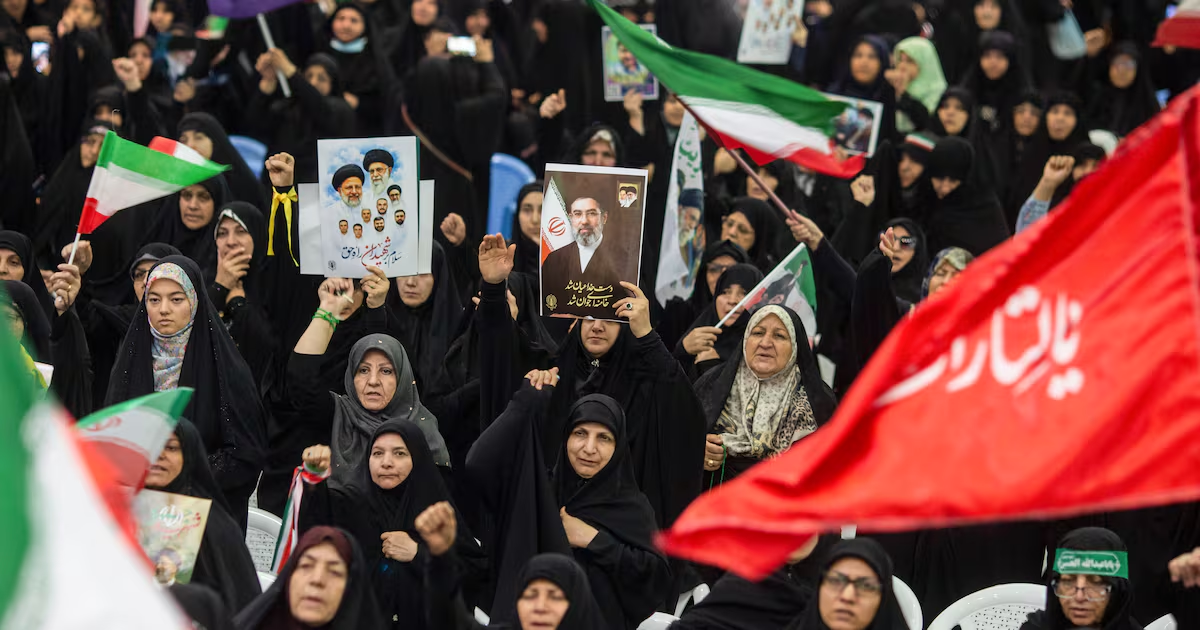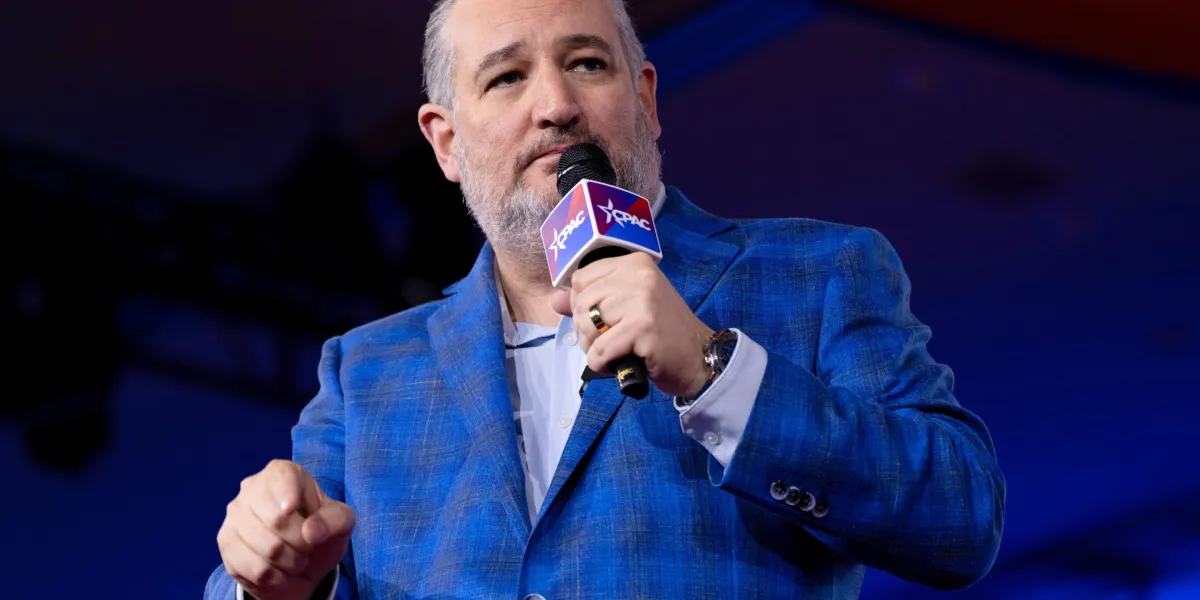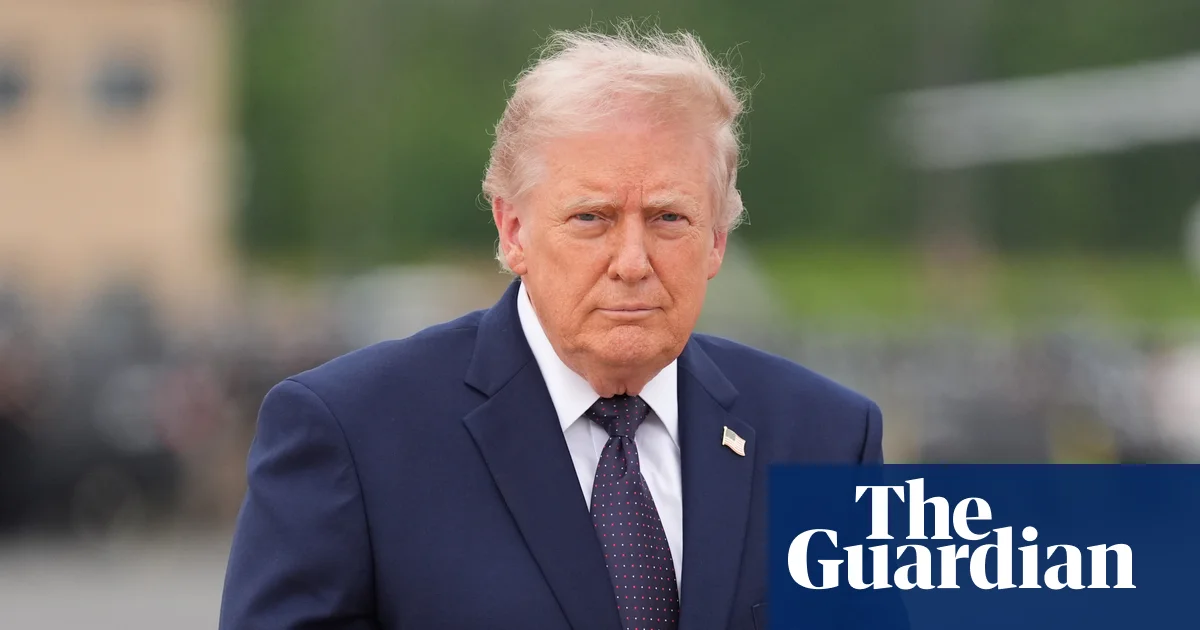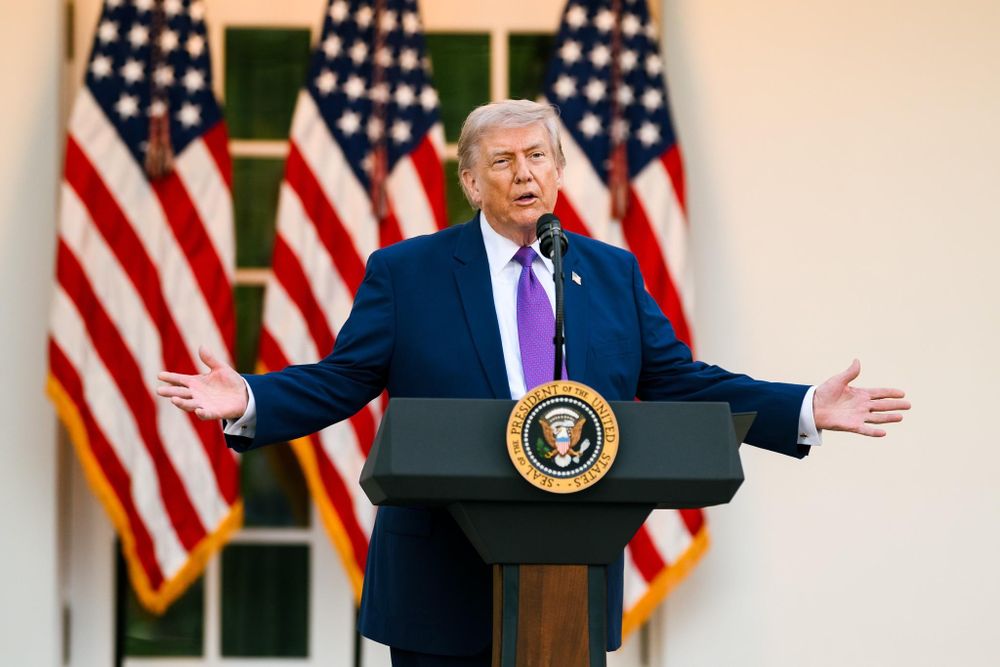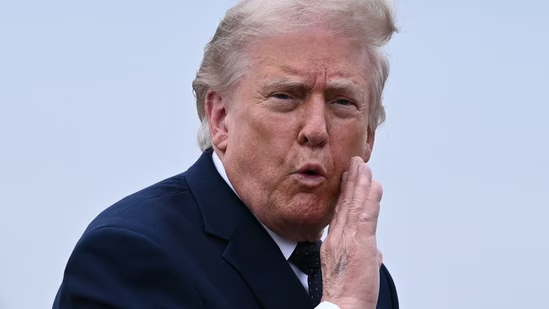
President Donald Trump is standing behind the peace agreement his administration is working out with Iran, even as some of his own party members say the deal looks too weak. Trump posted on Saturday night that a deal had been “largely negotiated” following talks with Gulf leaders and other US allies in the region. On Sunday, he said negotiations were “proceeding in an orderly and constructive manner” and that “time is on our side.” He also said the relationship with Iran was becoming “a much more professional and productive one.”Trump pushes back against Republican criticism as Iran peace talks move forward. (AFP)The backlash came quickly from hardline Republicans who felt the deal did not go far enough, particularly because it does not immediately settle the question of Iran's nuclear program, which was one of the reasons the White House cited for launching the war in February.Why some republicans are alarmed?Critics within Trump's own party have compared the emerging deal to the Obama-era nuclear agreement, a comparison that clearly irritated the president. Former Secretary of State Mike Pompeo said the deal was “not remotely America First” and looked like it was lifted from his predecessor's “playbook,” according to Newsweek.Senator Roger Wicker, chair of the Senate Armed Services Committee, called the rumored 60-day ceasefire “a disaster" on X post and warned that “everything accomplished by Operation Epic Fury would be for naught.”South Carolina Senator Lindsey Graham who is one of the war's strongest supporters has wrote on X that such a deal could lead to “a major shift of the balance of power in the region and over time will be a nightmare for Israel.”Trump pushed back sharply. He wrote on Truth Social that the 2015 Obama administration deal which is known as the Joint Comprehensive Plan of Action (JCPOA), had been “a direct path to Iran developing a Nuclear Weapon. Not so with the transaction currently being negotiated with Iran by the Trump Administration, THE EXACT OPPOSITE, in fact!”Also Read: Marco Rubio vs JD Vance in 2028? Trump’s next MAGA heir battle may already be underwayWhat's actually in the deal and what Iran is saying?According to the New York Times, one key part of the proposed agreement is an apparent commitment from Iran to surrender its stockpile of highly enriched uranium, a longtime US goal. Two US officials confirmed this element, though the exact method of how Iran would give up the stockpile has been left for a future round of talks.US negotiators made clear to Iran through intermediaries that without some agreement on the stockpile upfront, they would walk away and resume military operations, the Times reported. Iran currently holds around 970 pounds of uranium enriched to 60 percent, according to the International Atomic Energy Agency.According to Reuters, the framework would move in three stages, a formal end to the war, a de-escalation in the Strait of Hormuz and a 30-day negotiating window. A 60-day ceasefire extension would also allow Iran to sell oil without restrictions, per Axios. However, Iranian media pushed back on Trump's optimism, with the Fars news agency calling his claim that a deal was close "incomplete and inconsistent with reality," according to Newsweek.Also Read: Trump approval rating: Rising costs, Iran war costing POTUS months before midterms - New pollAs an anonymous senior Iranian source also told Reuters that Tehran had made no commitment on its nuclear stockpile, saying the “nuclear issue will be addressed in negotiations for a final agreement and are therefore not part of the current deal."Secretary of State Marco Rubio said in a press conference that a "significant progress" had been made but told reporters there was still "work to do," adding there was "the possibility that over the next few hours the world will get some good news" regarding the Strait of Hormuz reopening.A swift resolution would also benefit Trump politically as Brent crude oil prices have surged from $60 per barrel at the start of the year to over $120 during the war's escalations, and GasBuddy analyst Patrick De Haan warned that oil prices “could spike next week” if a deal fails to come through, according to Newsweek.
Why Trump is defending the Iran deal that Republicans are calling a 'disaster'
Trump is defending his proposed Iran peace deal after several Republicans criticized it.
687 words~3 min read