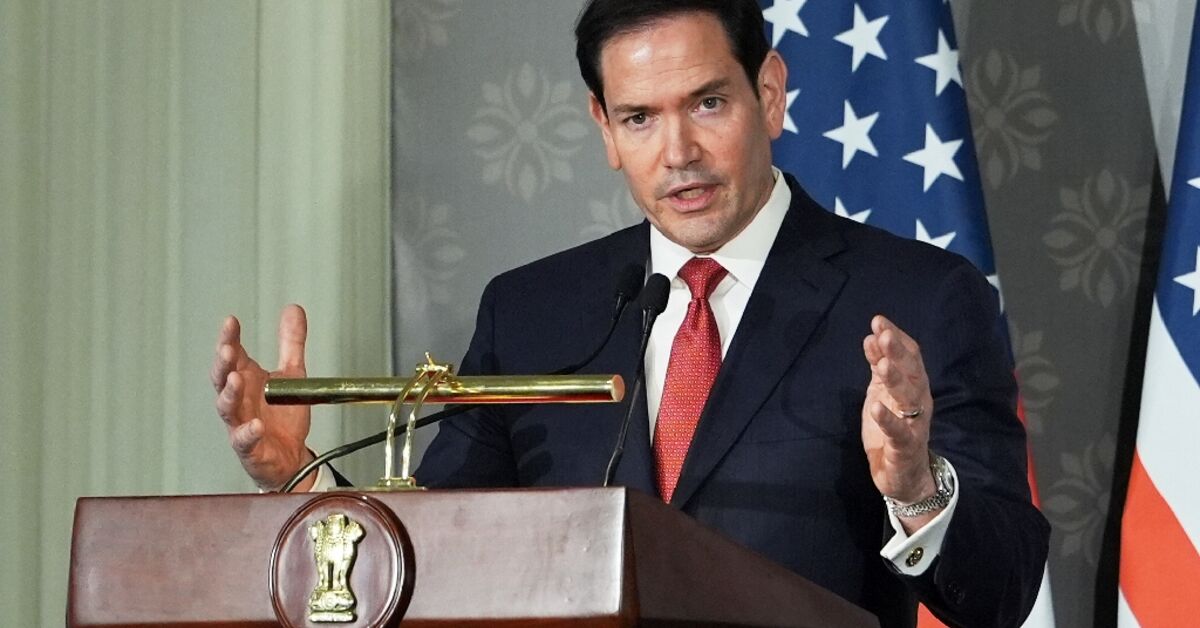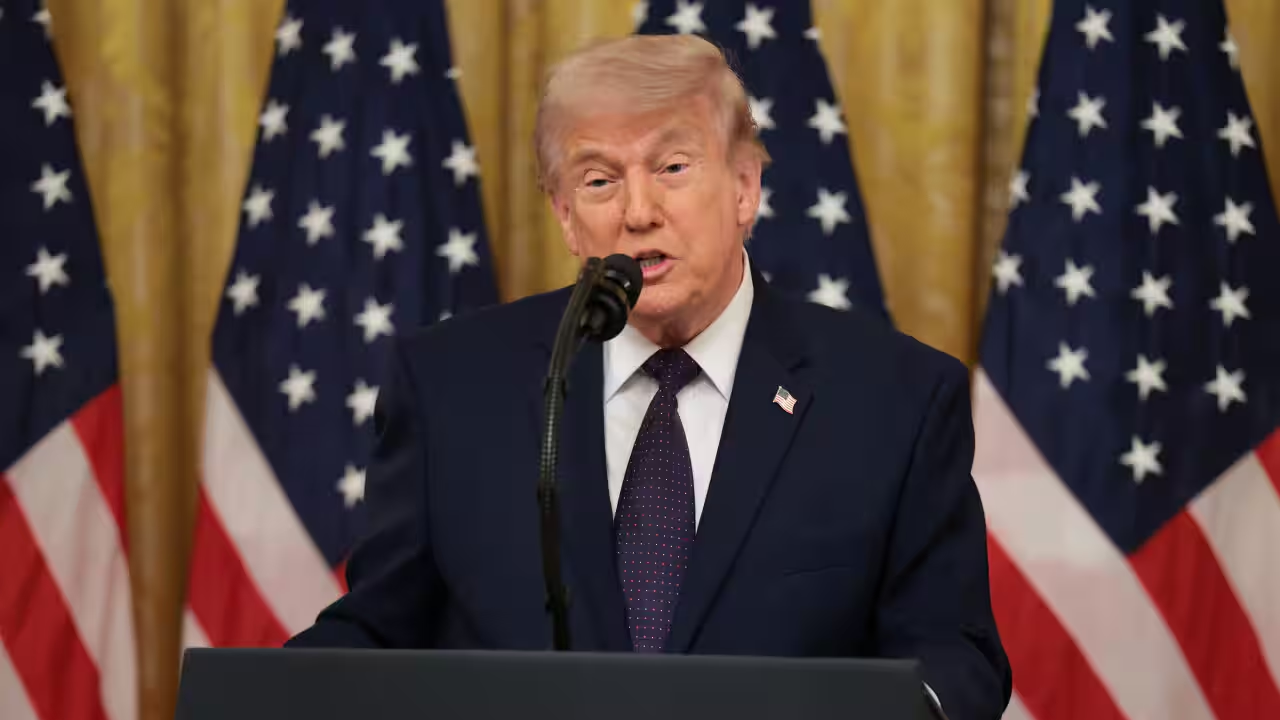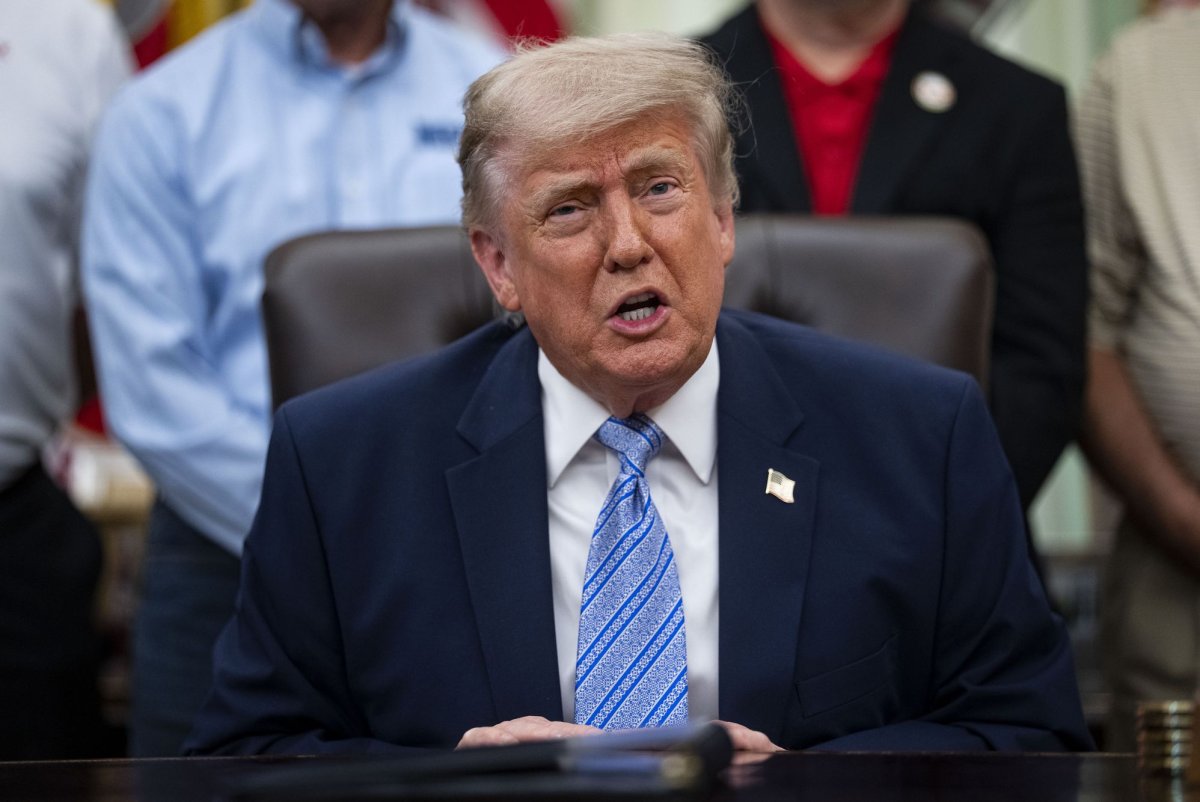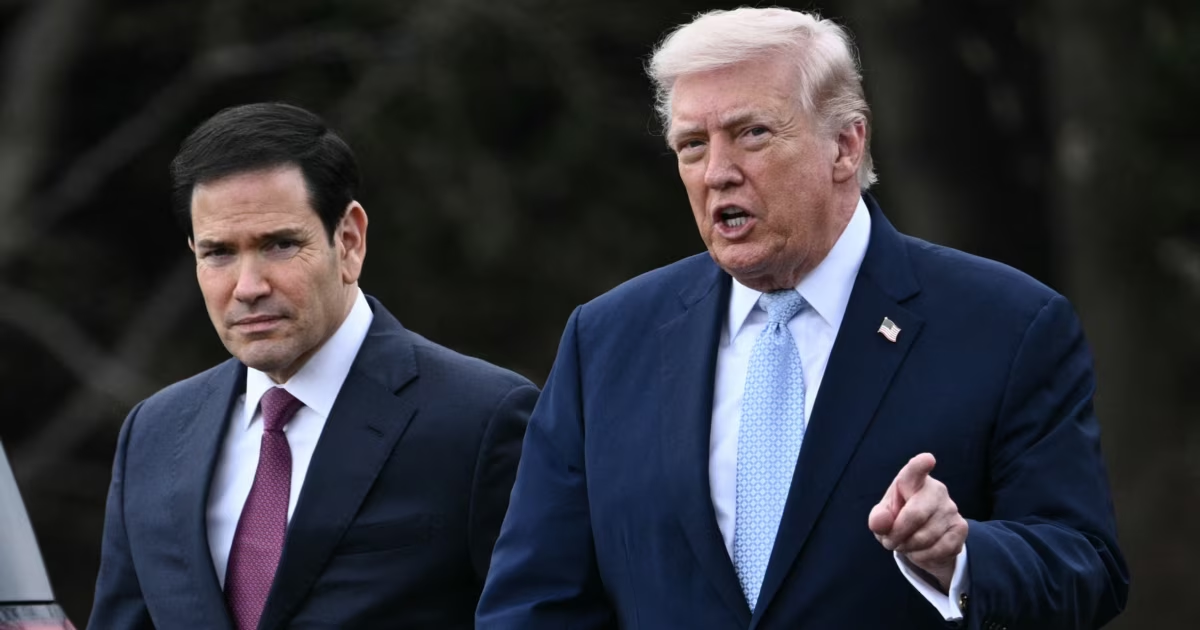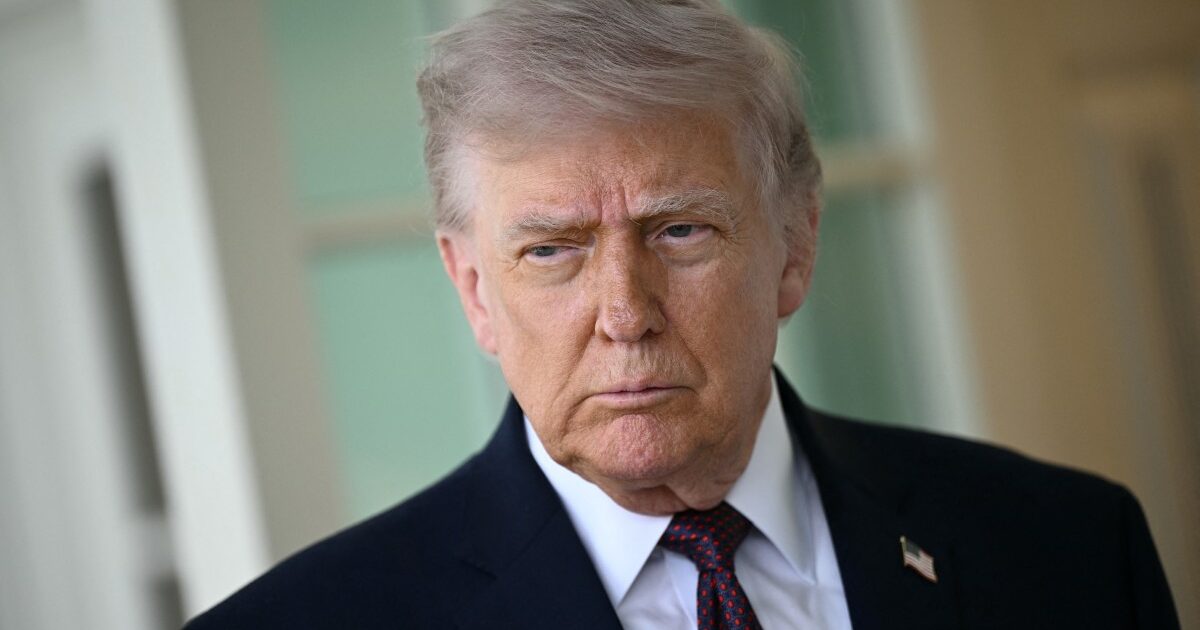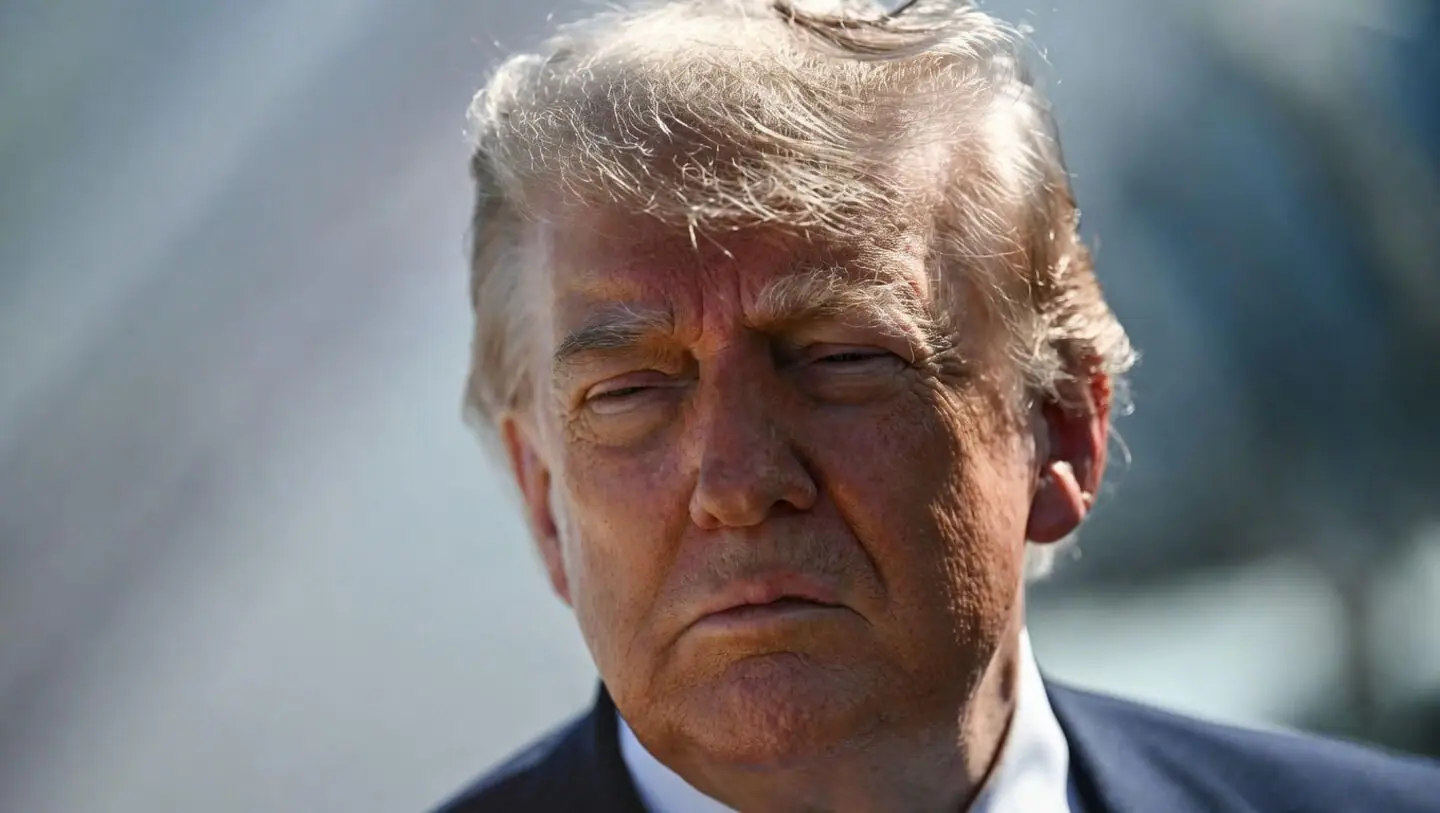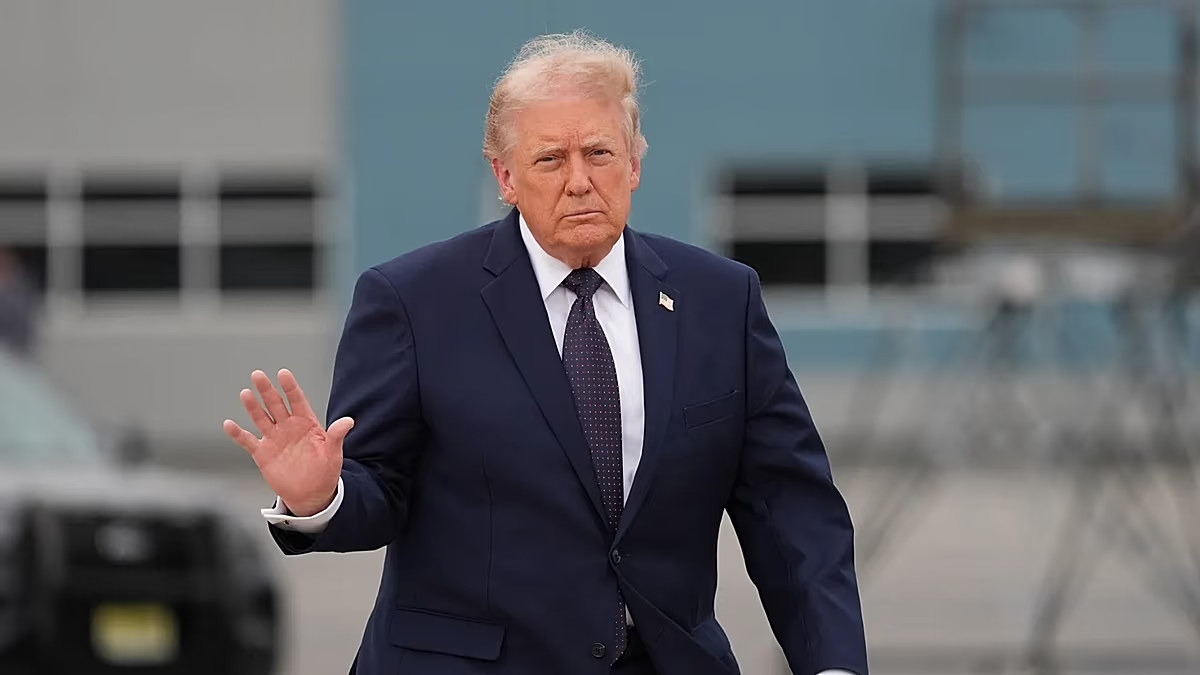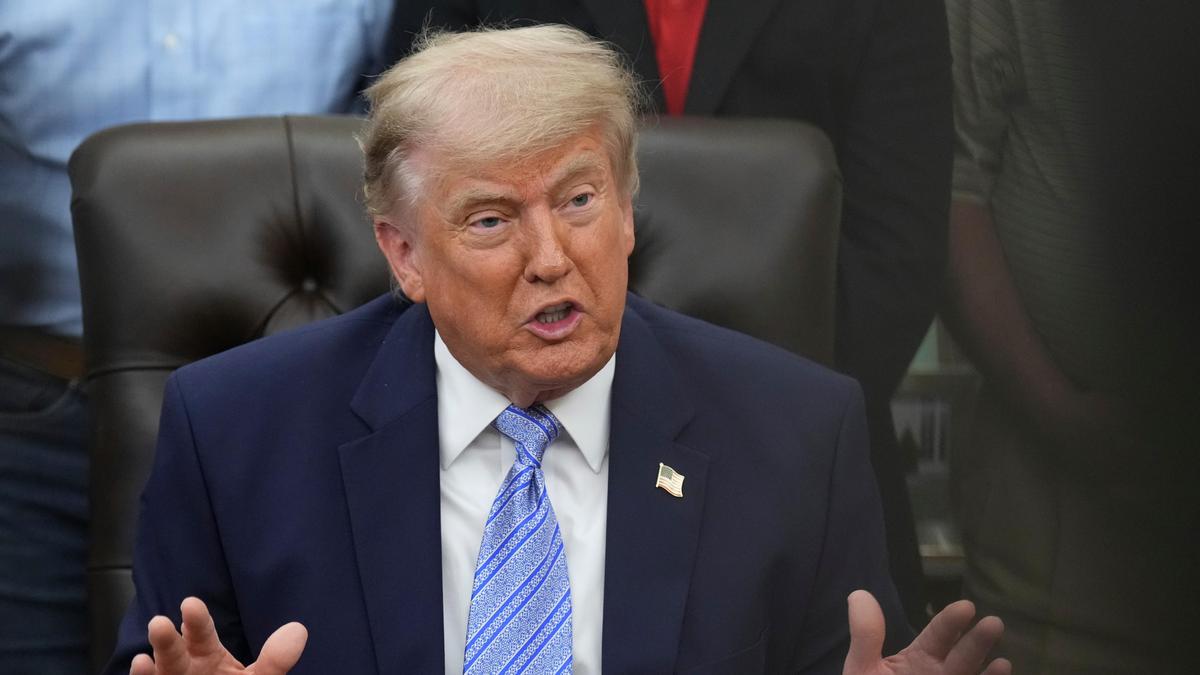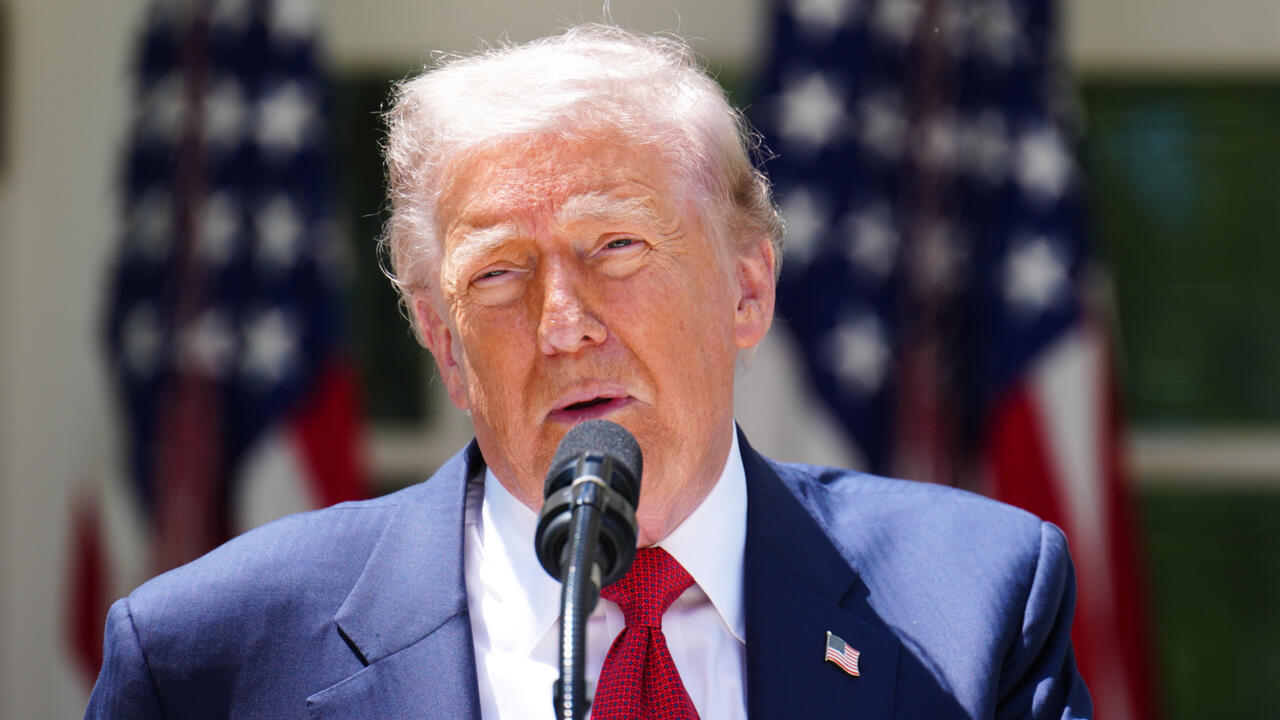
US President Donald Trump tempered expectations of a Middle East peace deal by saying on Sunday he had told his negotiators not to "rush", even after both Tehran and Washington signalled signs of progress towards an agreement to end the war. The United States and Iran have observed a ceasefire since April 8 while mediators push for a negotiated settlement, although Iran has imposed controls on Gulf shipping and the US has blockaded Iran's ports. The war erupted after the United States and Israel attacked the Islamic Republic on February 28, and Iran responded with missile and drone attacks at countries across the region hosting US military assets. Iran's Lebanese ally Hezbollah attacked Israel on March 2 after US-Israeli strikes killed Iran's supreme leader. "I have informed my representatives not to rush into a deal in that time is on our side," Trump said in a social media post Sunday. "The Blockade will remain in full force and effect until an agreement is reached, certified and signed," he added. Read moreMiddle East war live: Trump says US will not ‘rush into a deal’ to end Iran war There was no immediate response from Iran's government. But Tasnim news agency, which is linked to Iran's Revolutionary Guards, said the US was still obstructing parts of a potential deal, including Tehran's demand for the release of frozen funds. Earlier Trump had posted that the deal "has been largely negotiated, subject to finalisation between the United States of America, the Islamic Republic of Iran and the various other Countries". A senior Trump administration official speaking on condition of anonymity told reporters that an agreement would not be signed on Sunday. Describing the rough outlines of the draft agreement, he said that Washington envisioned first re-opening the Strait of Hormuz and lifting the US naval blockade. That would "take that economic pressure out of the world economy, and then you negotiate the mechanism by which they will give up various parts of the nuclear programme, and yes, of course, we would contemplate some time limit," the official said. Negotiating the details of the nuclear measures would take more time, he said. Nuclear issue US Secretary of State Marco Rubio, meanwhile, told The New York Times that an agreement with Iran had garnered regional support but a nuclear deal couldn't be achieved "in 72 hours on the back of a napkin".
'Time is on our side': Trump tempers expectations of a peace deal with Iran
US President Donald Trump on Sunday said that he had told diplomatic representatives not to "rush into a deal" with Tehran to end the US-Israeli war on Iran, walking back earlier signals of progress…
908 words~4 min read