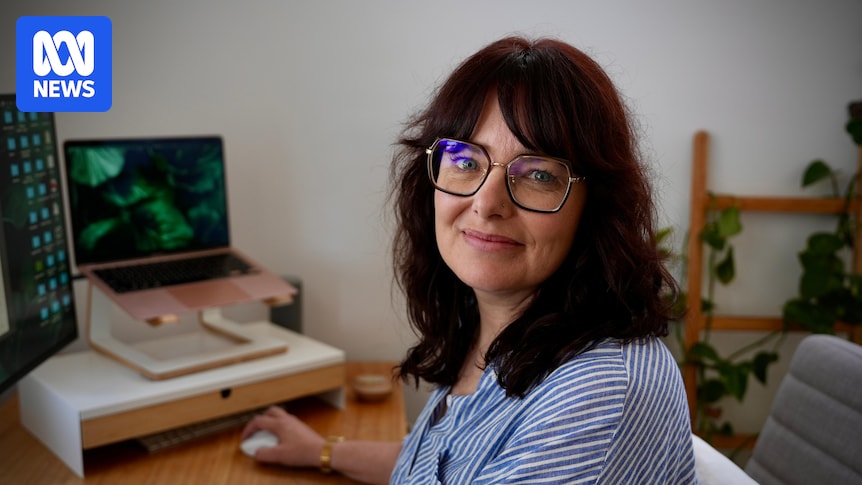
Not switching jobs. Not starting businesses. Not moving states.People are less mobile, less dynamic and more risk-averse than we used to be, a series of economic indicators shows."I do think there's a lot of fear in the workplace at the moment," said business strategist Kate McCready.Contributing to those fears are advances in artificial intelligence (AI), the uncertain global environment and a tightening jobs market."People are worried about keeping those jobs, and then what happens if they can't keep those jobs … ending up in this climate where it does make it harder," Ms McCready said.Ms McCready has previously moved between self-employment and receiving a salary, and has just re-started her leadership coaching business after a restructure at a large health insurer made her redundant.She was happy about the shift, but aware that not everyone is able to shift jobs so seamlessly."One of the biggest things is the freedom of time and the choice to choose how and when and why I work, who I work with."All the stats say 'stuck'In 1989, almost one in five people in the workforce changed jobs in a single year.By 2005, the 'job mobility' rate had fallen to 11 per cent, essentially one in 10 people.The most recent data, for the year to February 2025, the data shows just over 1.1 million people changed jobs, which means job-switching fell to just 7.7 per cent, or one in 13 people."All of these factors point towards Australians being stuck or being held in the jobs that they currently have," said Rachel Lee, research economist at the e61 Institute.The cost of housing and the risk involved in taking an average mortgage, around $700,000 with a 30-year term, are just some of the factors holding us back."It can be something that is stopping people from considering or even changing jobs or changing locations," Ms Lee said.But it is more than that.Traditional employment has become more attractive and secure over time, says Rachel Lee.
Not moving jobs, states or starting businesses: Data says Australians are stuck
People are less mobile, less dynamic and more risk-averse than we used to be, a series of economic indicators shows.
1,340 words~6 min read