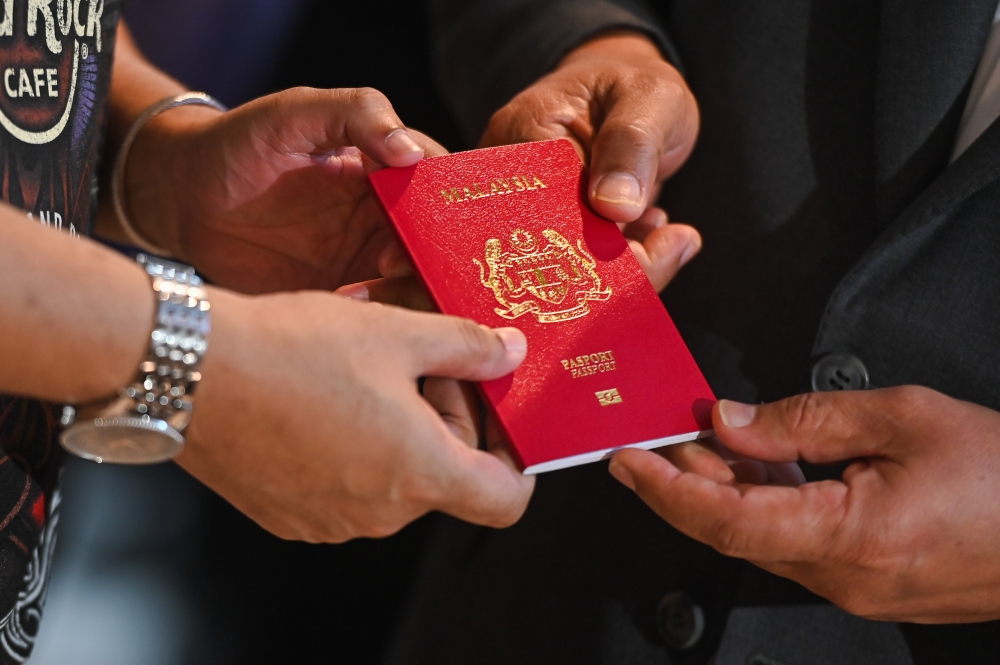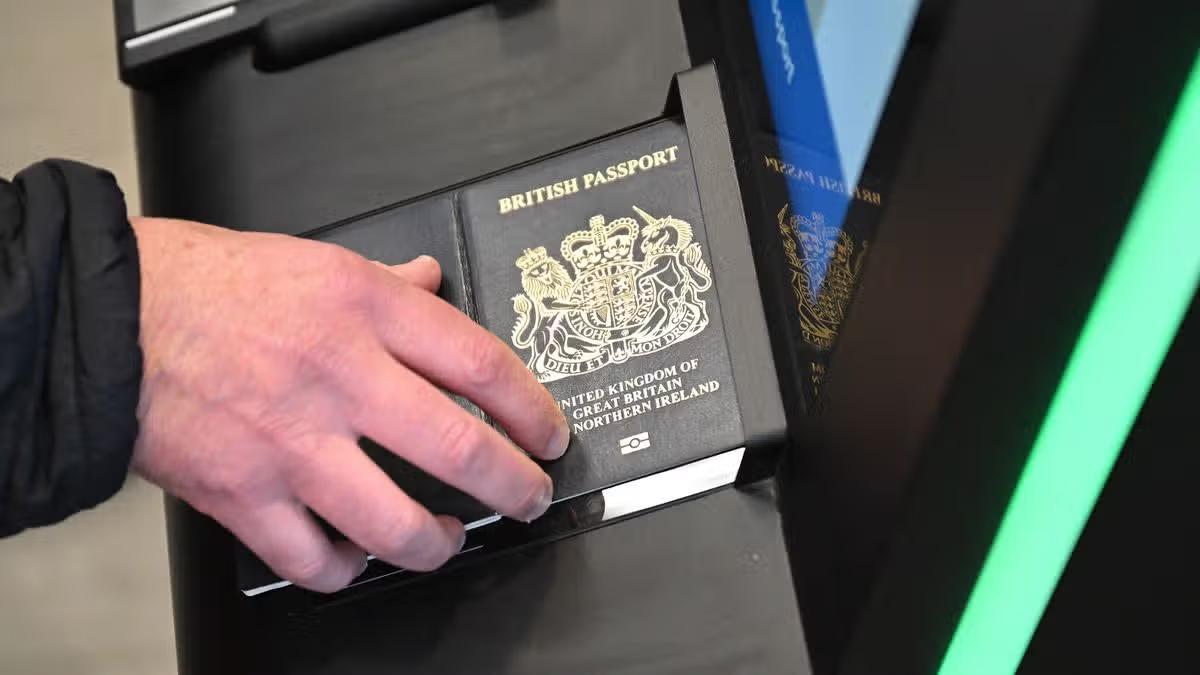
On average, it now takes approximately six months for citizens to secure an appointment at the Ministry of National Security’s Immigration Division to either renew a passport or obtain a new one.As a result, many citizens continue to ask why such lengthy waiting periods still exist.The prolonged delays have fuelled public frustration, particularly amid reports that some individuals are able to bypass the system and secure expedited appointments through unofficial channels and monetary payments.The situation has also raised broader concerns about whether inefficiency, staff shortages, poor management, or alleged corruption within sections of the Immigration Division are contributing to the persistent backlog faced by ordinary citizens.Speaking with the Sunday Express last Thursday, a senior Immigration official attempted to explain the delays in passport appointments and what may have contributed to the widespread corruption allegedly linked to the process.The official said the Immigration Division has blamed staff shortages and the redeployment of officers to manage the migrant registration process and the online embarkation/disembarkation card system, but added that “the justification is non-existent”.According to the official, Immigration officers receive an on-call allowance, so they can be summoned to various offices to address staffing shortages.“The only explanation that may carry some credibility is that the San Fernando office has been closed since around 2023 or 2024 because of a sewer problem. But even then, if the office was closed and appointments had to be shifted elsewhere, there are offices in Point Fortin, Chaguanas, Port of Spain and Sangre Grande where officers from San Fernando could have been redeployed to help address the shortfall and accommodate applicants,” the official said.“The other issue is that offices are supposed to operate from 7 a.m. to 3 p.m. to accommodate appointments and walk-in applicants, but some Immigration officers arrive at work at 8 a.m. or 9 a.m. and, at times, leave early.“The conduct of some officers is also contributing to the problem, although the public is largely unaware of it,” the official added.Eliminate online appointmentsAccording to the official, passport appointments have now been backed up by six months or more.“We now have a system where expedited passports take 14 days to process, while regular passports can take as long as ten to 12 weeks. Pending appointments are even spilling over into periods as long as nine months. A system like this is a recipe for corruption,” the official said.Using a hypothetical example, the official described a situation in which someone may urgently need to renew a passport to travel with their children during the August vacation period, attend a business trip, or deal with a medical emergency.“So you urgently need your passport, especially since some countries require at least six months’ validity. You go online and make your appointment, but you know you need to travel in June or July. You may then approach someone who claims to know a friend in Immigration and says that for a fee, they can ‘sort it out’.“These things have been happening for a long time. Sometimes it involves an officer, and sometimes clerical staff collecting the money. The woman who was reportedly confronted last Friday (May 15) is just one of many people allegedly involved. Some individuals get direct assistance, while others go through agents or so-called immigration consultants,” the official claimed.The official further alleged that corruption can continue even after an appointment is secured.“Sometimes you pay to get the appointment, and when you finally apply for your passport, someone may tell you that if you want it processed faster than the expedited period you already paid for, you have to pay something extra,” the official said.The senior Immigration official suggested that one way to reduce corruption in the system would be to eliminate the current online appointment process altogether.“The solution is to scrap the appointment system entirely and return to the old method where people would go in and numbers would be called. Another option is to move fully online, like Guyana and Pakistan, where applications and payments are submitted electronically and applicants simply wait to collect their passports,” the official said.To further minimise opportunities for corruption, the official suggested that citizens should either pay online by credit card for passport renewals—which account for the majority of applications—or make payments at a warden’s office or Immigration Office when collecting their new passport and surrendering the old one for cancellation.“This way, no one can bribe anyone for an early appointment date,” he said.
Six-month wait fuelling passport corruption claims
On average, it now takes approximately six months for citizens to secure an appointment at the Ministry of National Security’s Immigration Division to either renew a passport or obtain a
733 words~3 min read