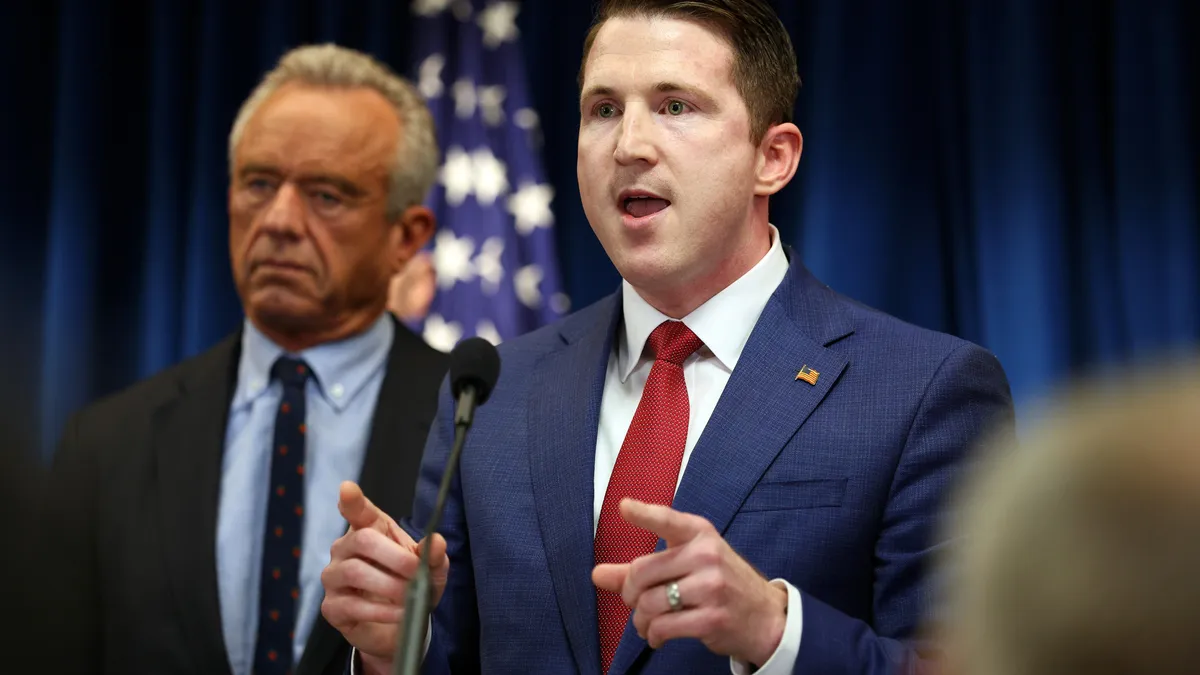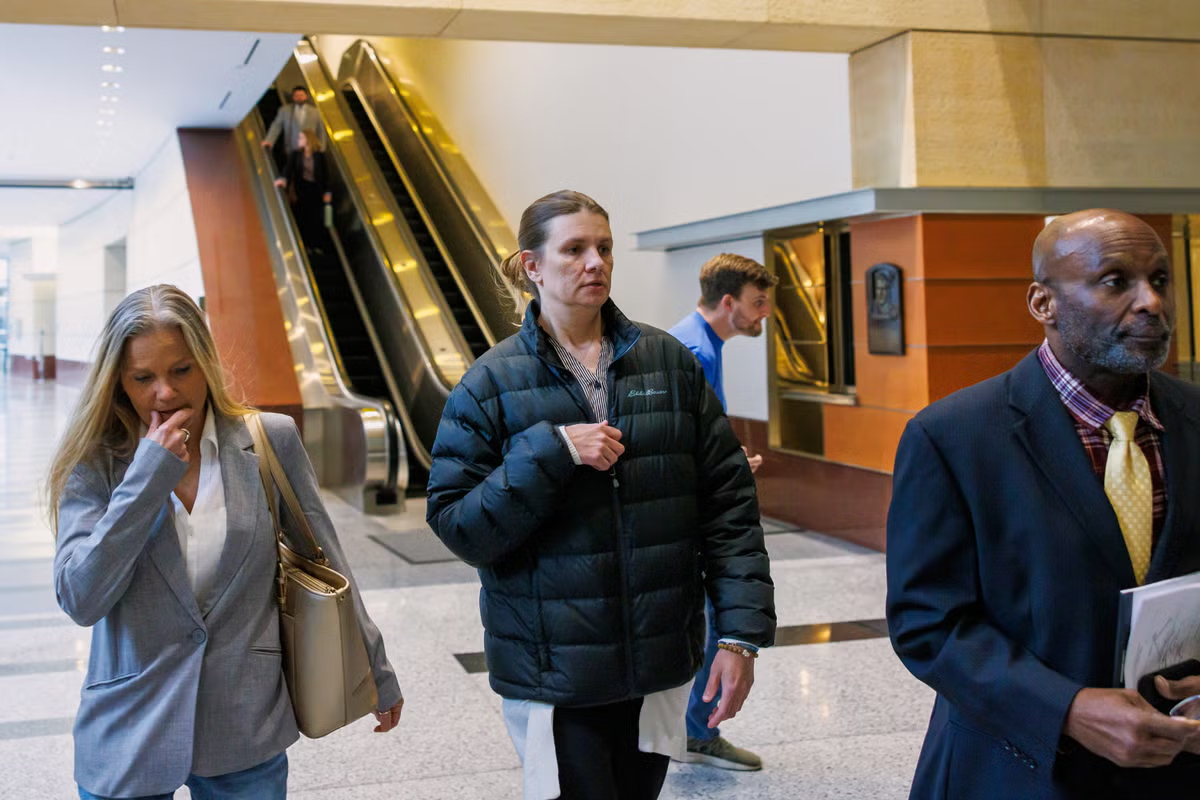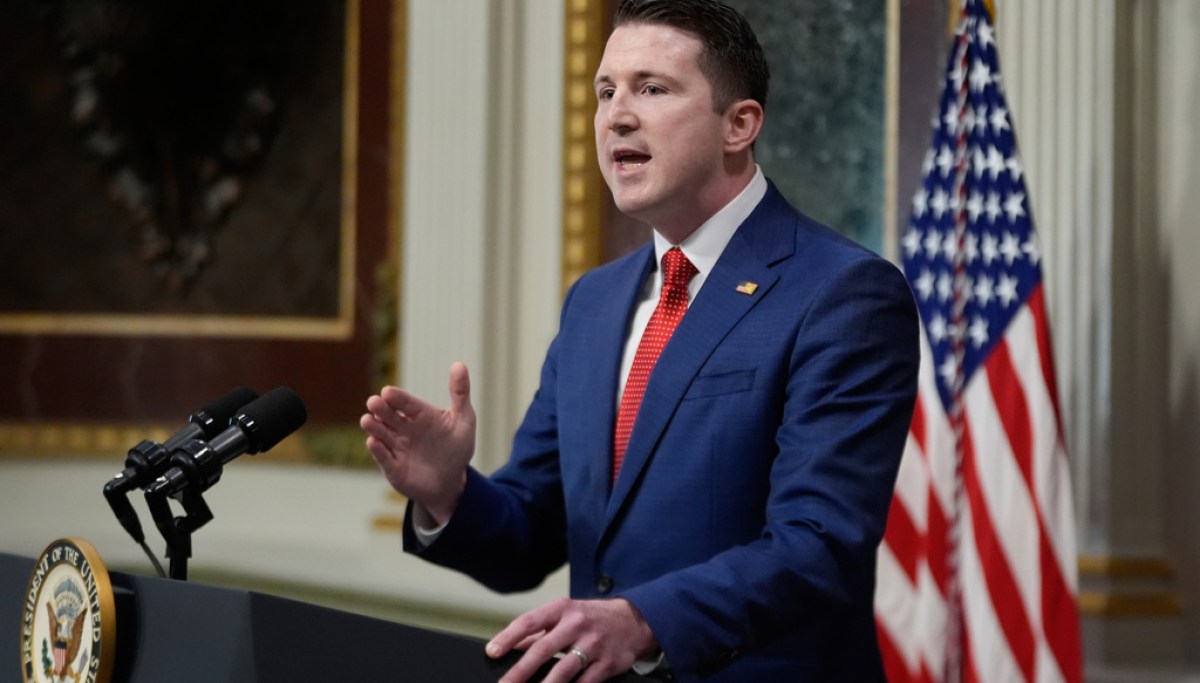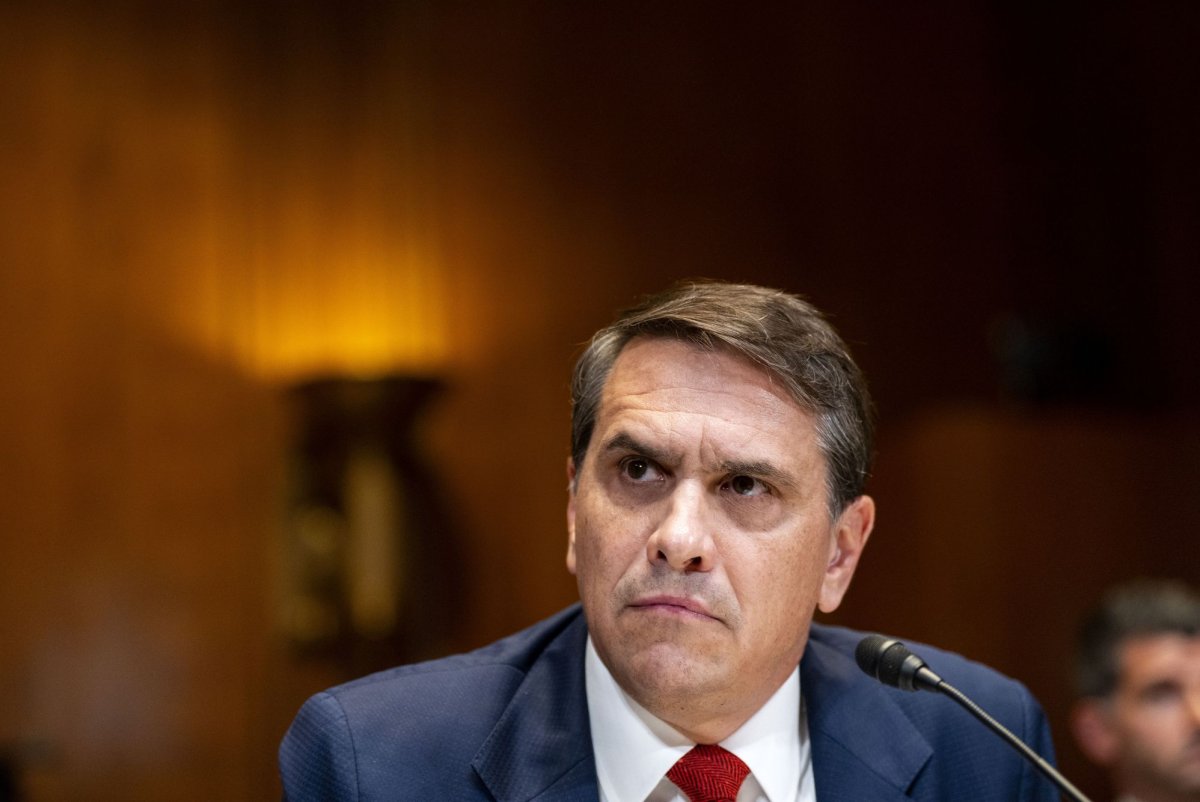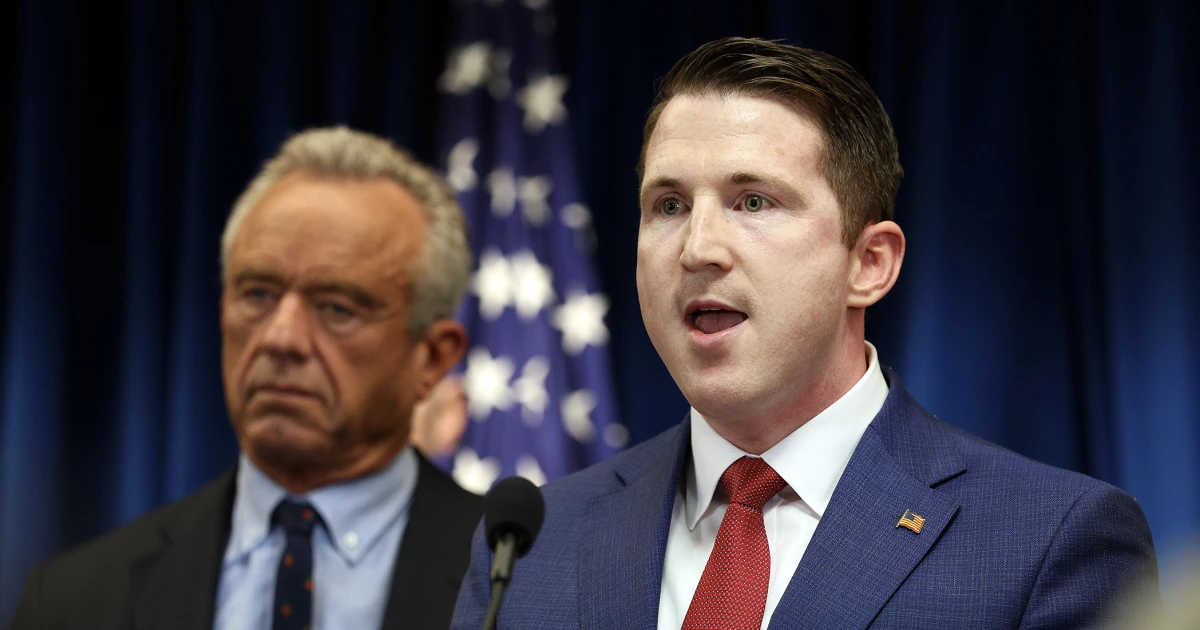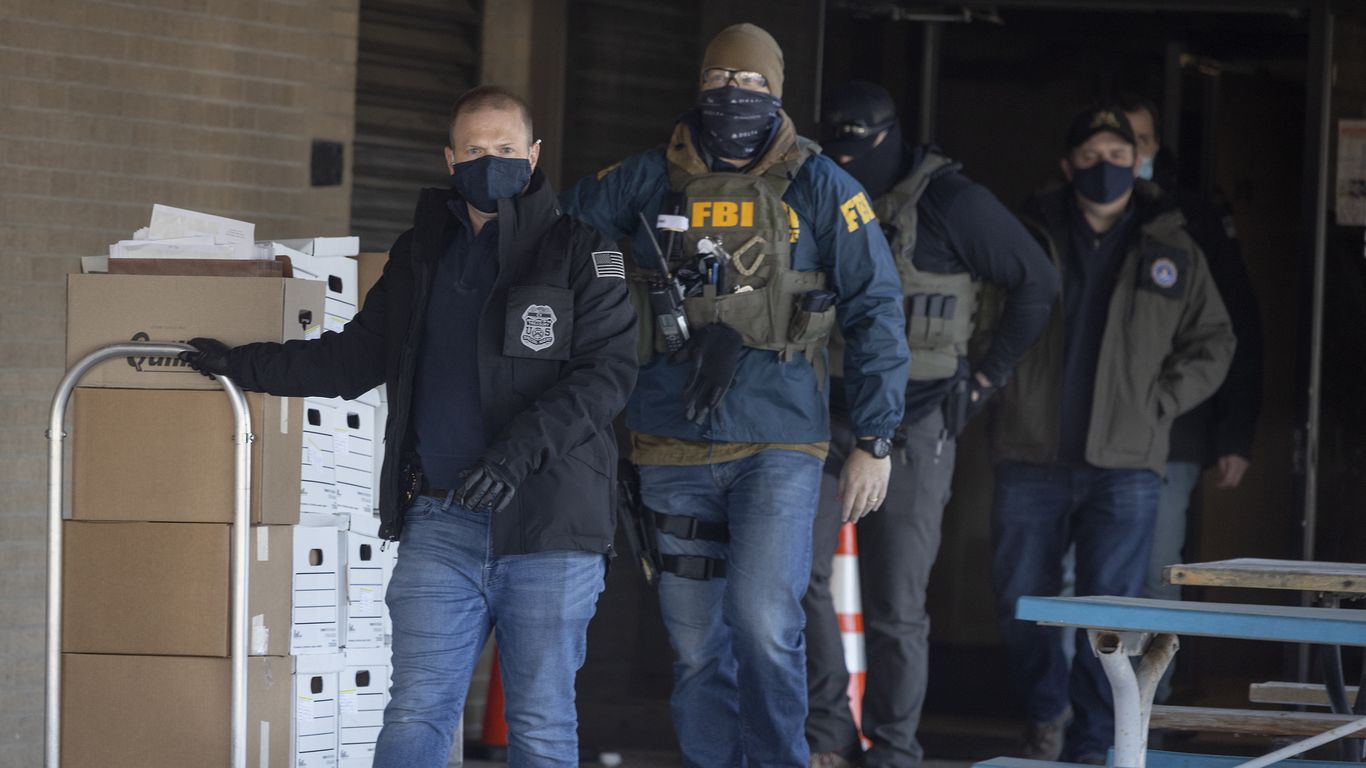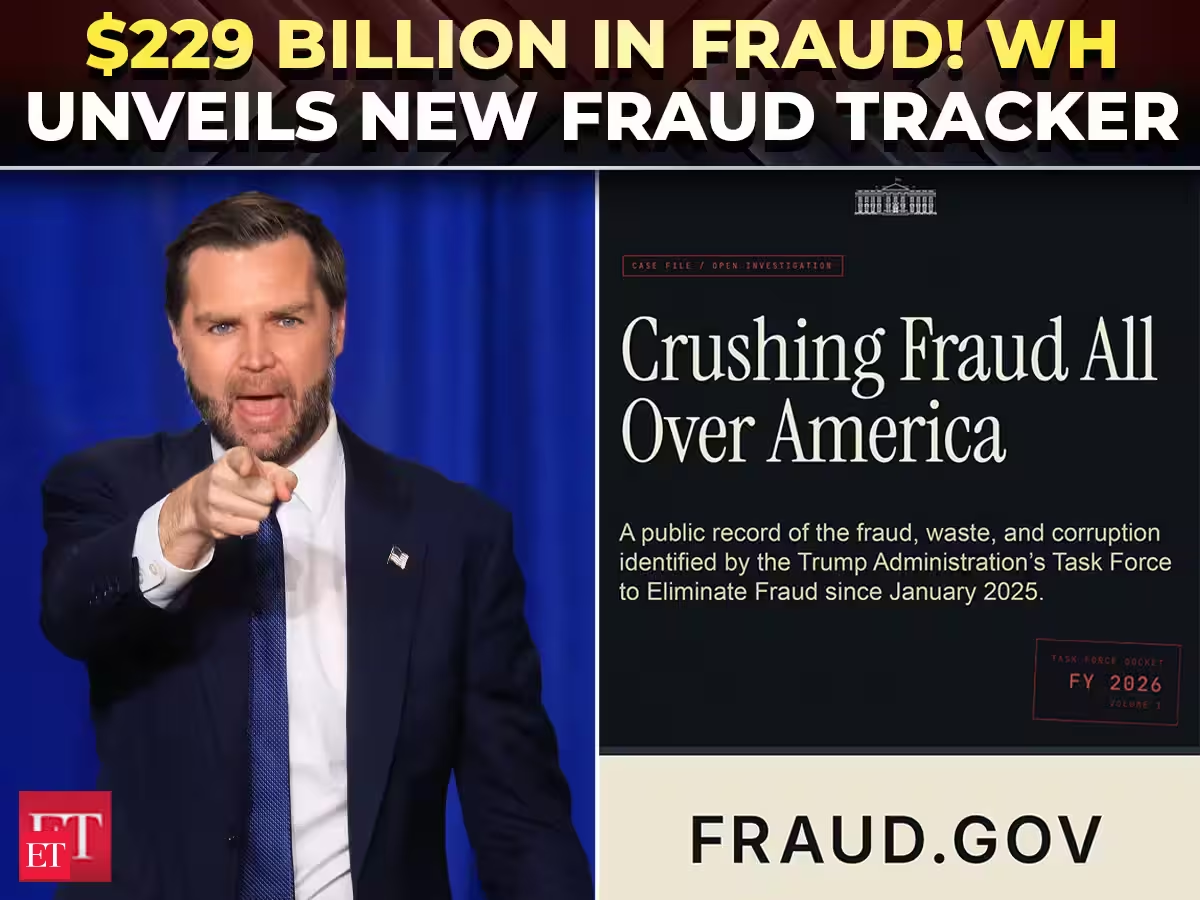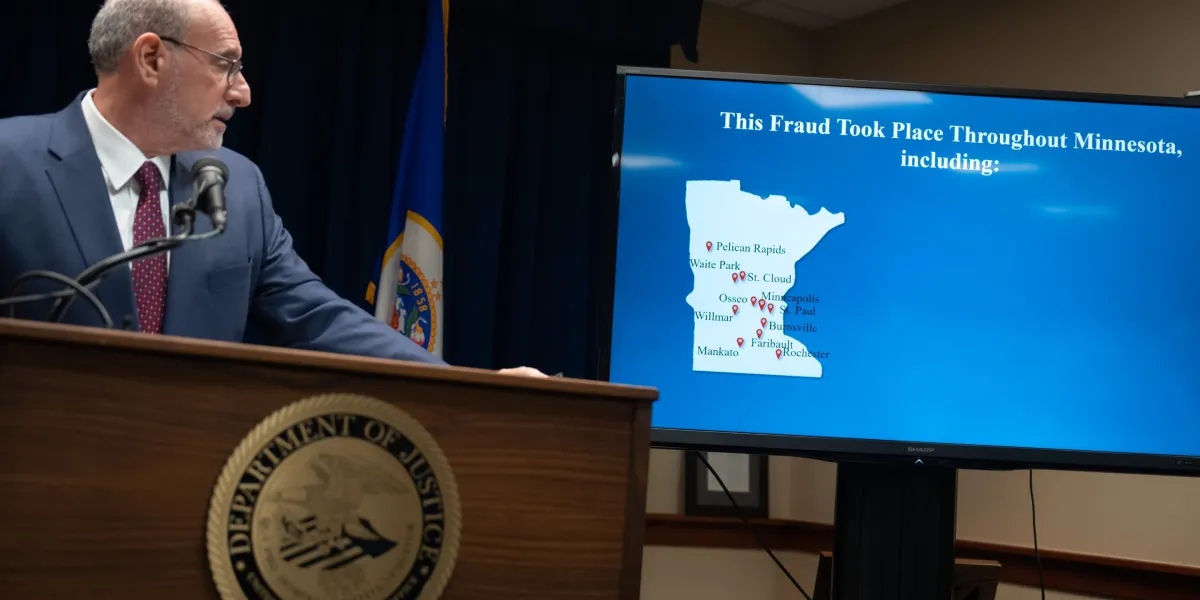
The defendants were found guilty in 2025, three years after the investigation began, of diverting funds by faking meal counts and submitting false reimbursement claims, then spending the money they got on luxury homes and cars. Other federal investigations of alleged fraud at nonprofits serving children in Minnesota are underway.In April 2026, the Department of Justice under the Trump administration indicted the Southern Poverty Law Center, a civil rights nonprofit, on fraud charges that the center denies. That indictment has raised concerns about increased federal involvement in policing nonprofits – especially those that take actions the government may find objectionable.The Department of Justice says it reached more than $6.8 billion in settlements and judgments in 2025 tied to the False Claims Act, the highest on record.The False Claims Act, enacted in 1863, allows the government to pursue individuals or organizations who intentionally submit a “false claim” – baseless requests for taxpayer funds through a government grant or as reimbursement for services provided through a contract.“Public money and tax-exempt status demand public accountability,” Treasury Secretary Scott Bessent has said in defense of the Trump administration’s nonprofit crackdown. The goal, he added, was to end “the days of hiding fraud, abuse and extremist activity behind complicated nonprofit arrangements.”As an accounting professor who studies nonprofit fraud, I see the SPLC indictment and similar actions as a broader shift toward more aggressive government oversight of nonprofits and the policing of charitable activities.U.S. Attorney Andrew Luger announces, in 2022, a fraud case based in Minnesota involving the Feeding Our Future nonprofit. Glen Stubbe/Star Tribune via Getty Images
Nonprofit fraud isn't surging. Enforcement is | Fortune
The $6.8 billion enforcement push from the Department of Justice is exposing things like the charges about $250 million gone missing in Minnesota.
1,421 words~6 min read