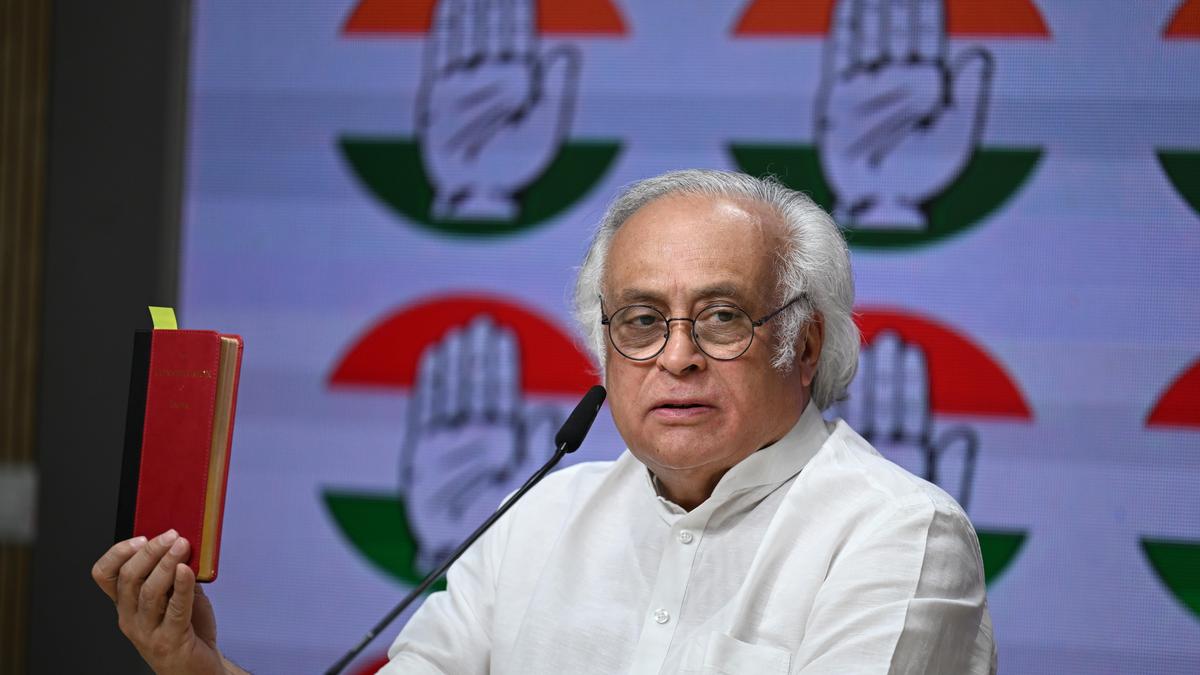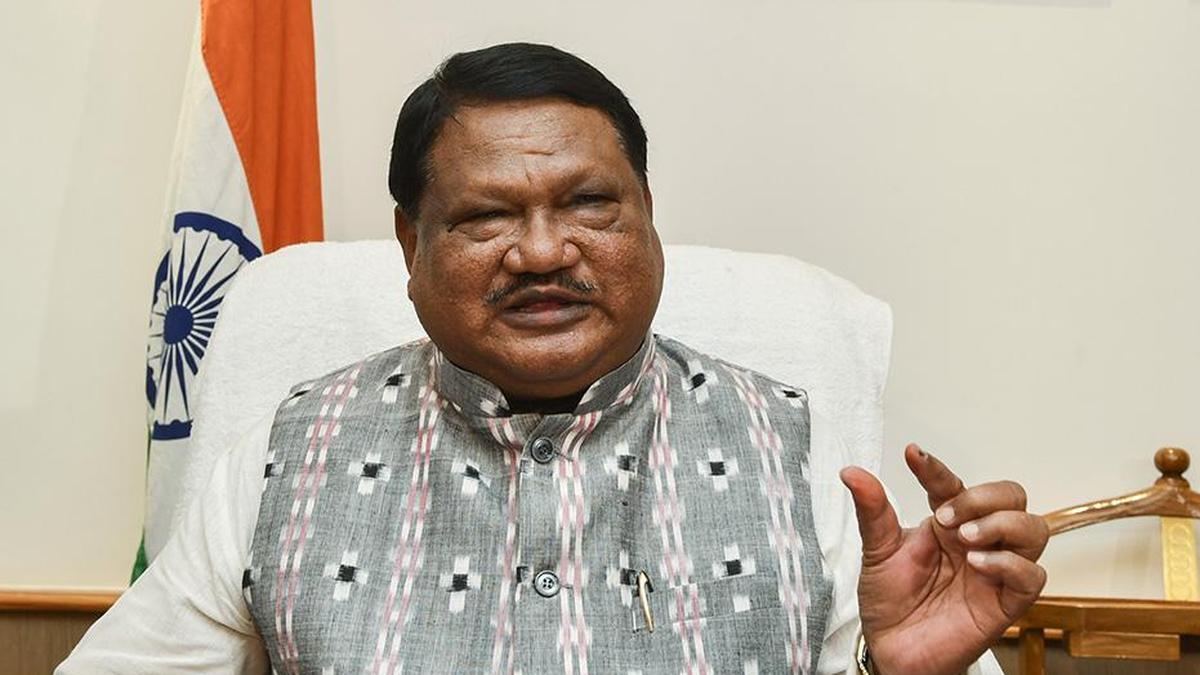
Union Tribal Affairs Minister Jual Oram.
| Photo Credit: ANI
Responding to former Environment Minister and Congress leader Jairam Ramesh over allegations that the Centre’s Great Nicobar Island project violates tribal communities’ forest rights, Union Tribal Affairs Minister Jual Oram said, “Development and tribal protection are not mutually exclusive and can coexist through robust measures.”In his response on Thursday (May 21, 2026), Mr. Oram stressed that as a regional power, “India cannot afford to leave strategically decisive geographies underdeveloped”. Mr. Oram said the Forest Rights Act operates in addition to existing laws such as the Protection of Aboriginal Tribes Regulations of 1956 (PAT56), which sufficiently “protects habitats, restricts external extrusion, and preserves aboriginal ways of life”.He also defended the move to obtain the consent of the Shompen community through the administration-run Andaman Adim Janjati Vikas Samiti (AAJVS), saying the body is specifically mandated to advise the administration on the protection and welfare of “aboriginal tribes” and that such a mechanism is “relevant for welfare, protection and informed administrative decision-making concerning vulnerable tribal groups”.Mr. Oram also added that, as per the information provided by the Andaman and Nicobar Islands administration, “no tribal habitation is proposed to be displaced as part of the project”. In March, the administration, however, had published a draft plan for the “relocation” of tribal families affected by the Centre’s ₹92,000-crore Great Nicobar Island development project, creating confusion among the island communities.Mr. Oram was responding to a detailed letter from Mr. Ramesh, in which the Opposition leader had called for the withdrawal of all clearances granted under the 2006 Forest Rights Act, arguing that consent procedures under the law had been violated.Mr. Ramesh’s May 13 letter noted that the Gram Sabhas that were supposed to have consented to the diversion of forest land under the FRA consisted of settler families and not members of the Nicobarese and Shompen people, who are the ones with an actual claim over the forest land in GNI under the FRA. He further asserted that the AAJVS, being an entity controlled by the administration, could not have consented on behalf of the Shompen community as per the law.Pending litigationOn the specific alleged violations of the FRA that Mr. Ramesh raised in his letter and the implementation of the law in GNI, the Union Minister noted that this issue is being litigated in the Calcutta High Court, adding, “I would not like to prejudice the Hon’ble Court with details at this stage.”Mr. Oram maintained that India cannot afford to leave strategically decisive geographies underdeveloped and argued that the protection of tribal rights and development can coexist through “continuous oversight mechanisms such as satellite monitoring, land mapping, and strict regulatory enforcement”.“Measures including controlled scientific contact, buffer zones, restricted mobility corridors, and prohibition of tourism access to regular tribal habitats can also help preserve tribal autonomy until any voluntary and natural integration with the mainstream becomes feasible. Such mechanisms will strengthen accountability while enabling timely monitoring and course correction,” he said.He emphasised the importance of the project’s location in providing India with a “critical vantage point over maritime security”, strengthening the country’s Indo-Pacific presence and strategic role, and enhancing regional trade and diplomatic integration. Mr. Oram said that the Centre’s project “represents an important shift in India’s approach towards frontier infrastructure development by strengthening connectivity, logistics, and national presence in remote but strategically vital regions”, and thus it is important to “position Great Nicobar Island as a model of strategic frontier governance, where national security priorities are pursued alongside ecological sustainability, legal compliance, and robust protection of the Shompen and other tribal communities”. Published - May 24, 2026 08:41 pm IST