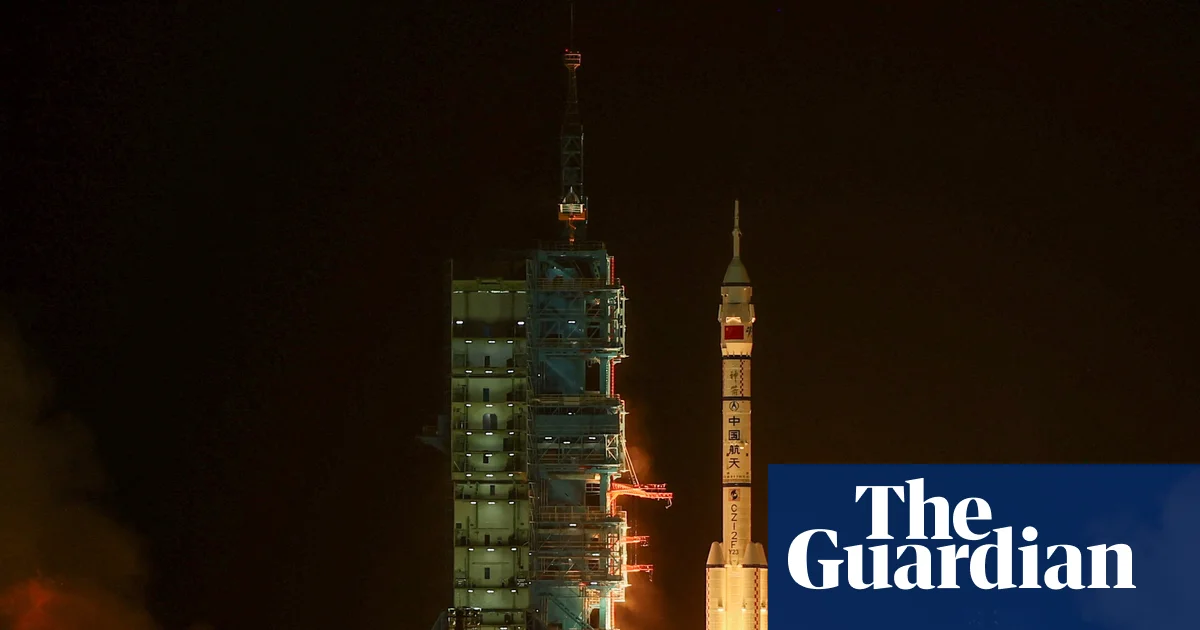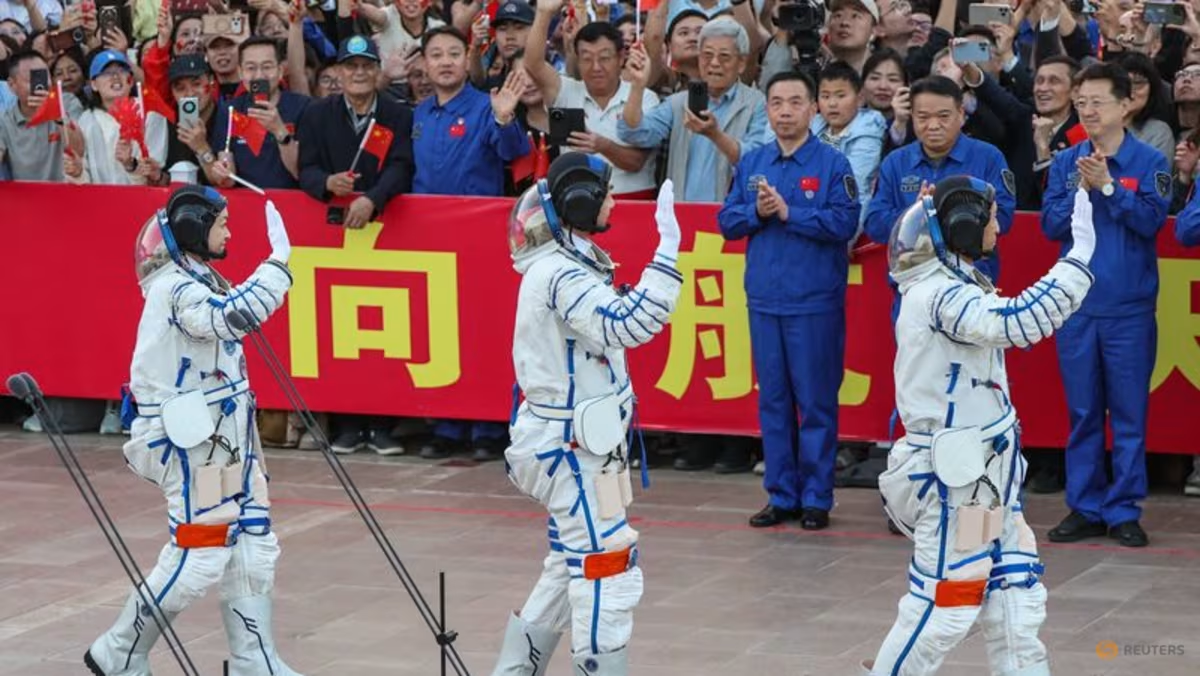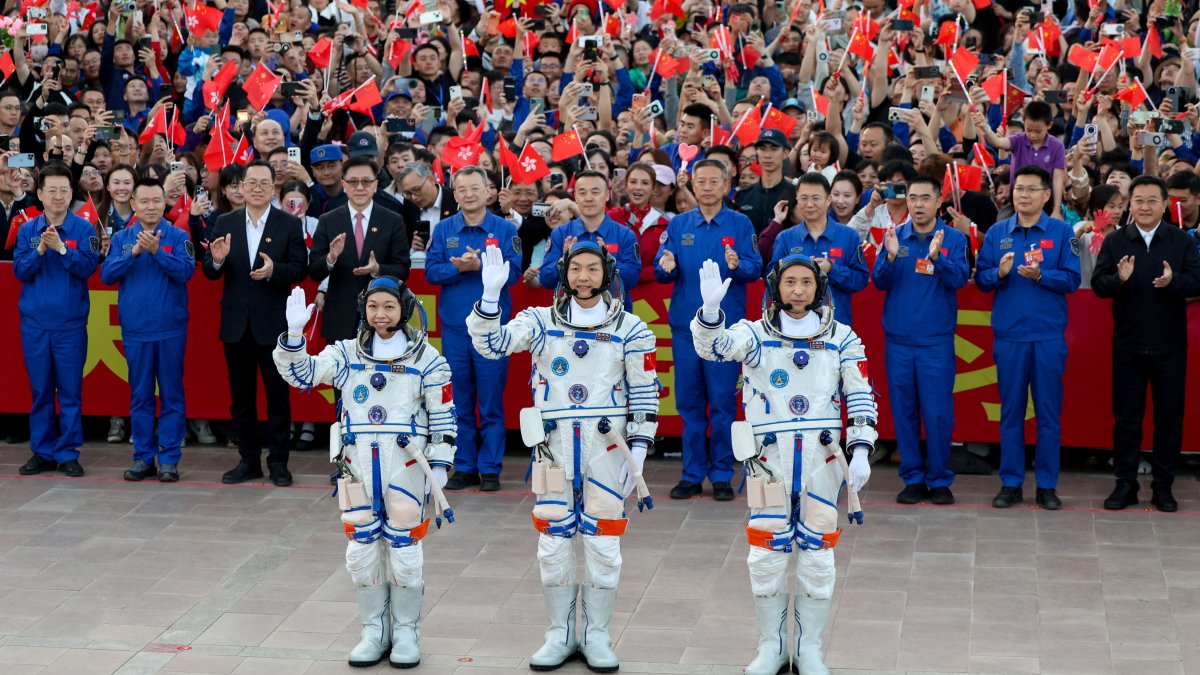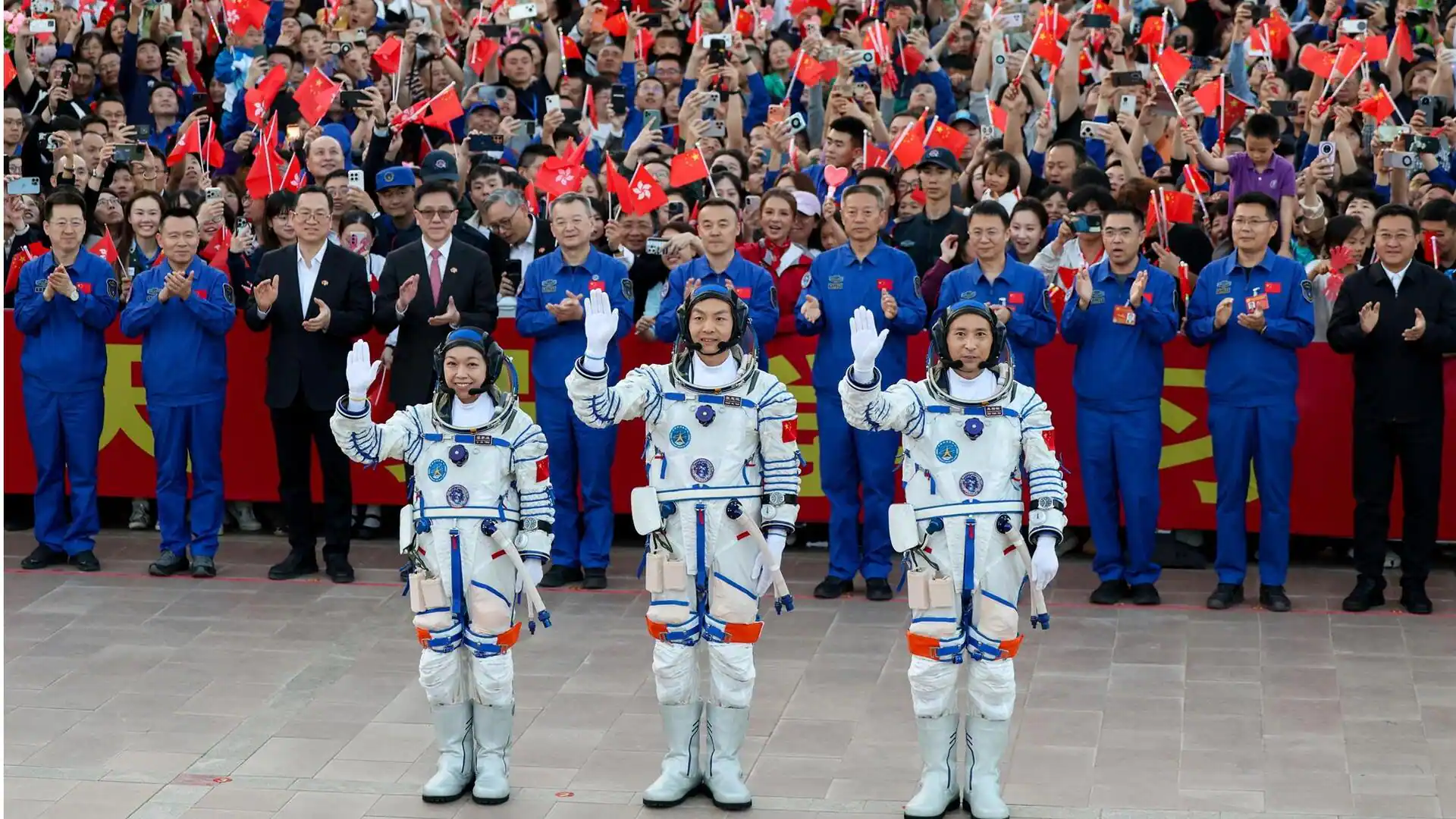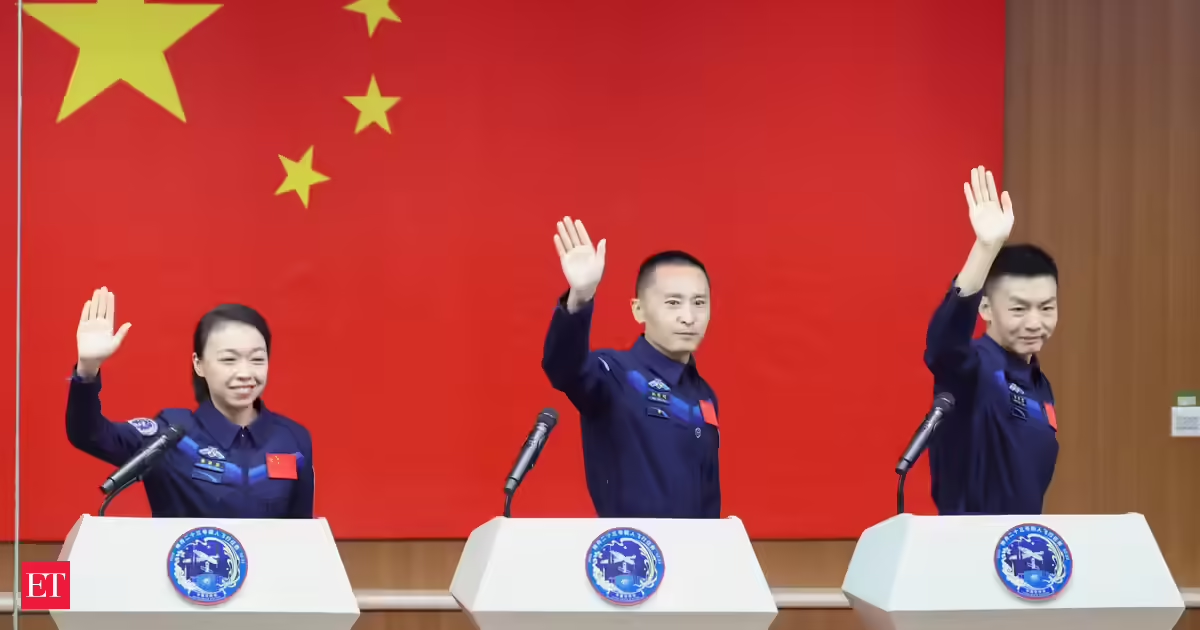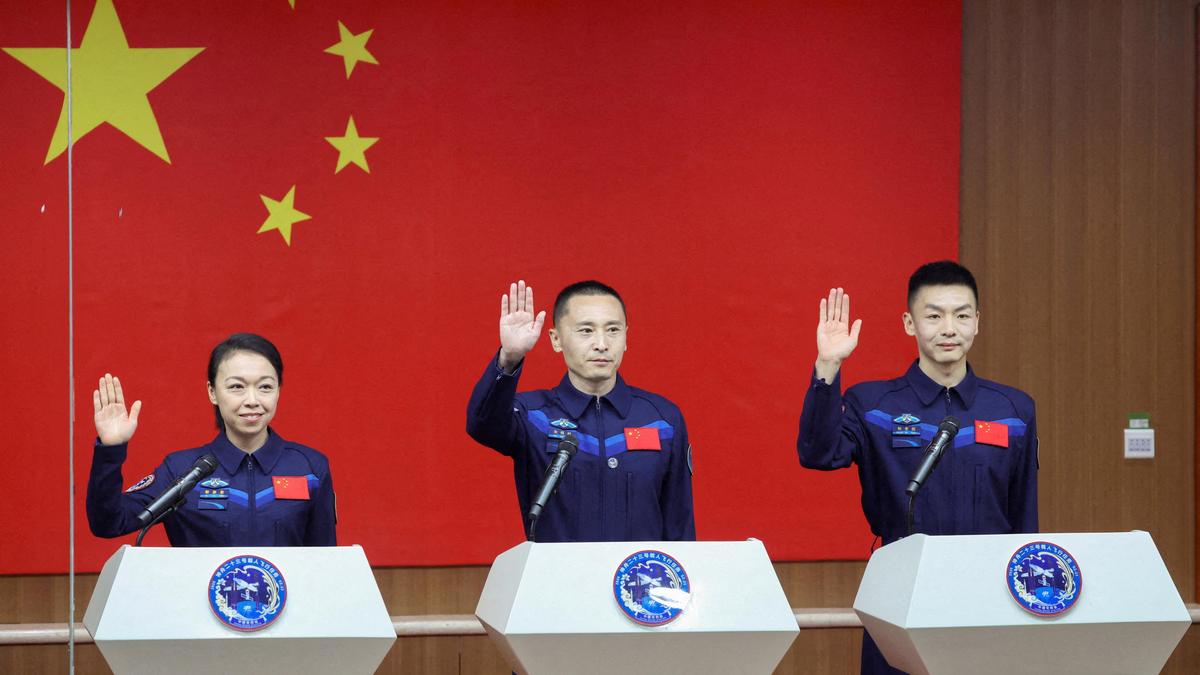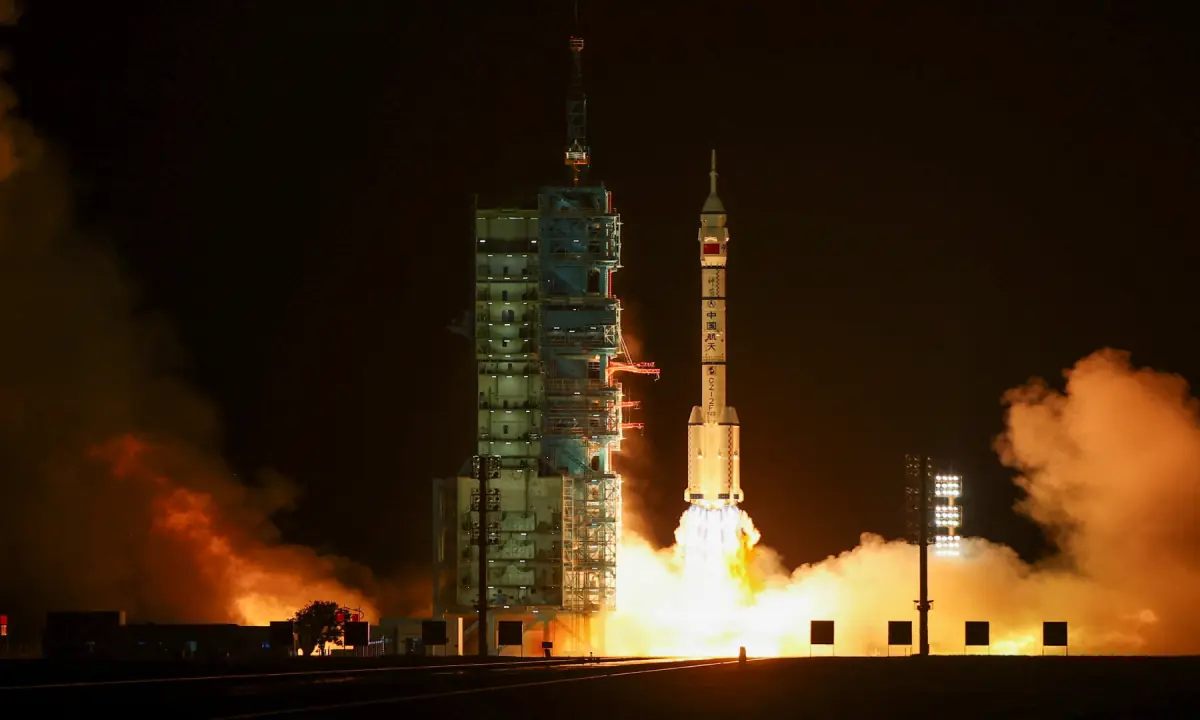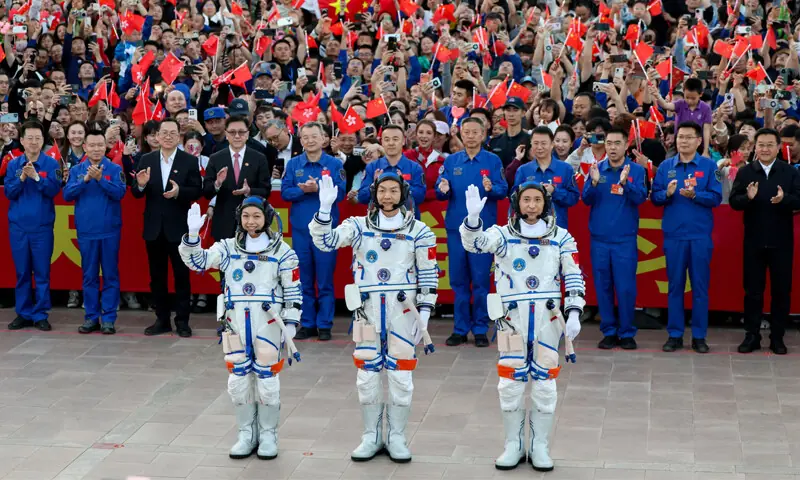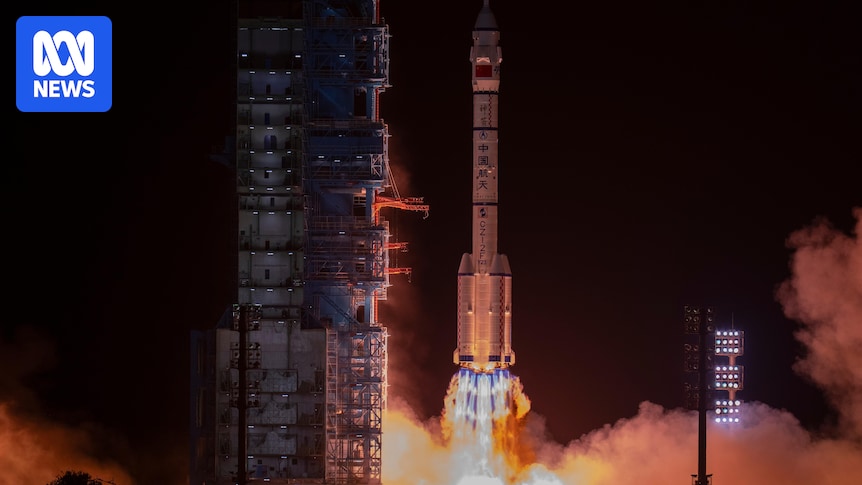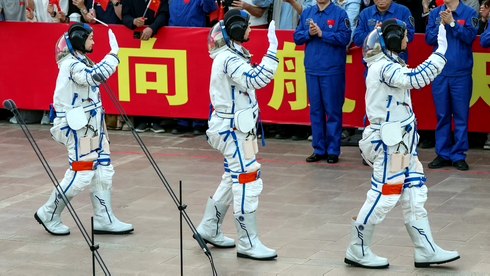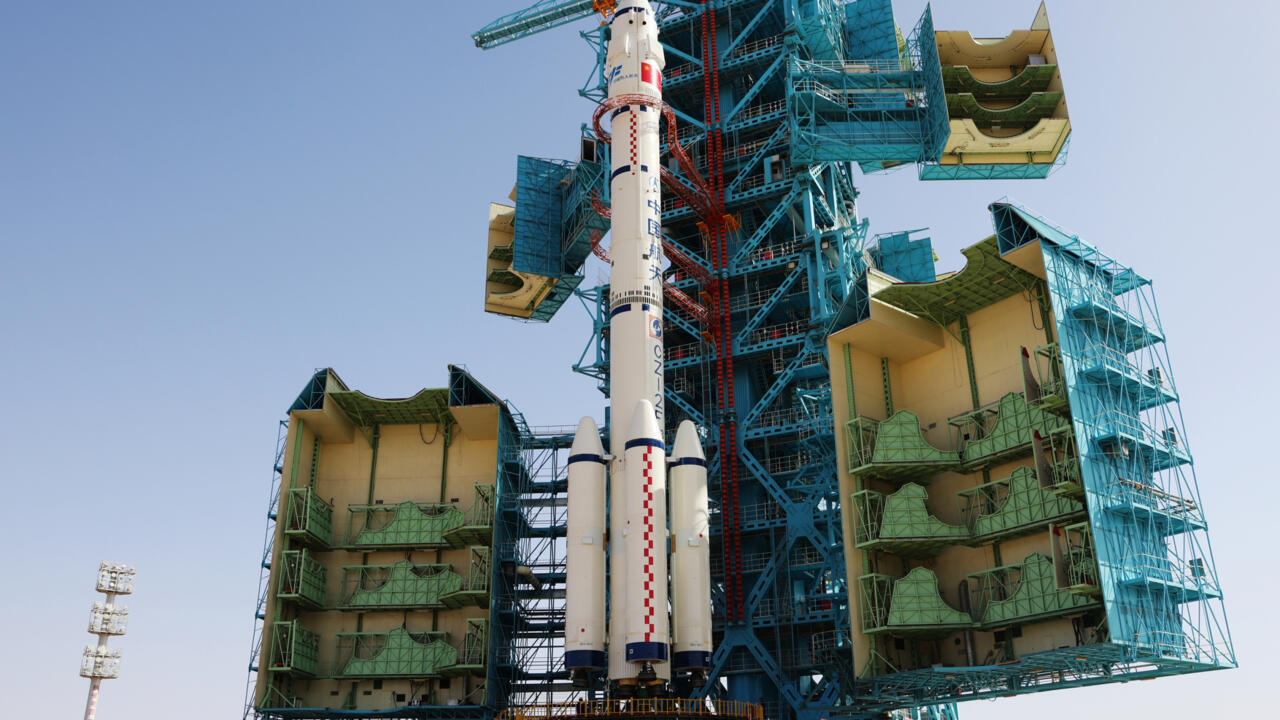
China is launching its Shenzhou-23 mission on Sunday, which will see a Chinese astronaut spend a full year in orbit for the first time, a crucial step in Beijing's ambition to send humans to the Moon by 2030. A Long March 2-F rocket is scheduled to lift off at 11:08pm (1508 GMT) from the Jiuquan launch centre in China's northwestern Gobi Desert, carrying three astronauts to the Tiangong space station. China's Shenzhou missions have been sending trios of astronauts to the station for six-month stays since 2021. Watch moreConquering the far side of the Moon: Breaking down China's historic lunar mission The mission will mark the first spaceflight ever undertaken by an astronaut from Hong Kong: 43-year-old Li Jiaying (Lai Ka-ying in Cantonese), who previously worked for the Hong Kong police. Other crew members include 39-year-old space engineer Zhu Yangzhu and 39-year-old Zhang Zhiyuan, a former air force pilot, who will be travelling into space for the first time. The crew is set to carry out numerous scientific projects in life sciences, materials science, fluid physics and medicine. A key experiment of Shenzhou-23 will be the full-year stay in orbit by one of the crew in order to study the effects of a long stay in microgravity. Year-long experiment The experiment is part of China's preparations for future lunar missions, as well as missions to Mars. The astronaut selected for this one-year mission will be named at a later date, depending on the progress of the Shenzhou-23 mission, a spokesperson for the Chinese space agency (CMSA) said on Saturday. The main challenges will be long-term effects on humans, including bone density loss, muscle wasting, radiation exposure, sleep disturbances, behavioural and psychological fatigue, said Richard de Grijs, an astrophysicist and professor at Macquarie University in Australia. He also underlined the importance of reliable water and air recycling systems, as well as the ability to manage potential medical emergencies far from Earth.
Chinese astronaut to spend a full year in orbit as Beijing ramps up Moon race
China is launching a three-man space flight to its Tiangong space station Sunday, where one astronaut will remain in orbit for a full year to prepare for future flights to the Moon. Beijing has said…
706 words~3 min read