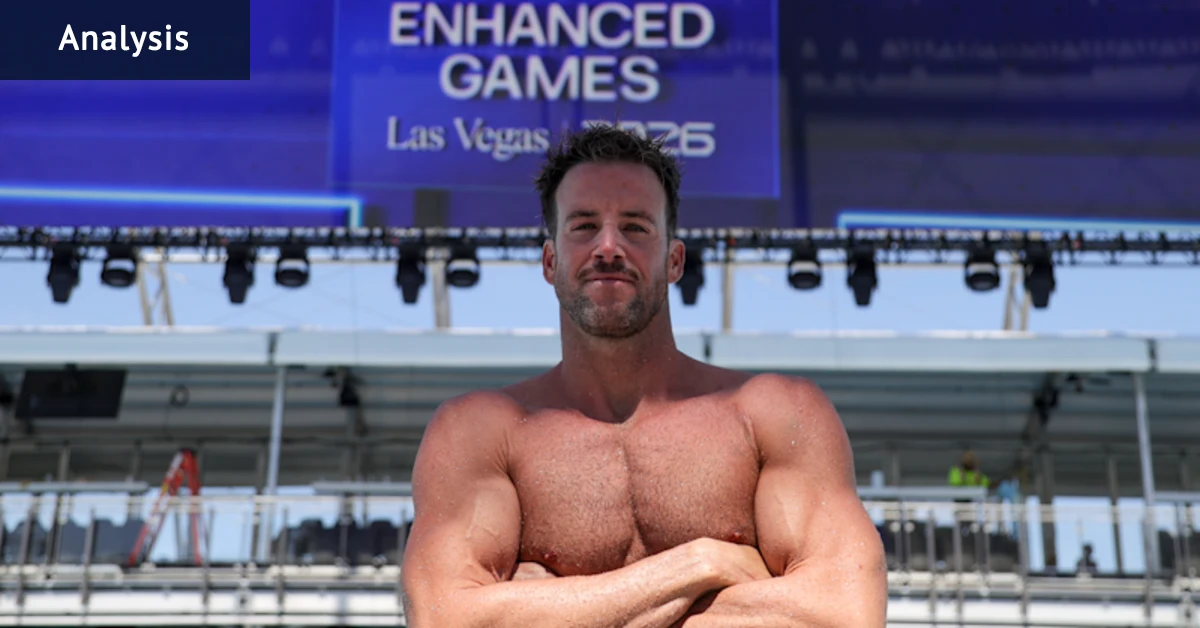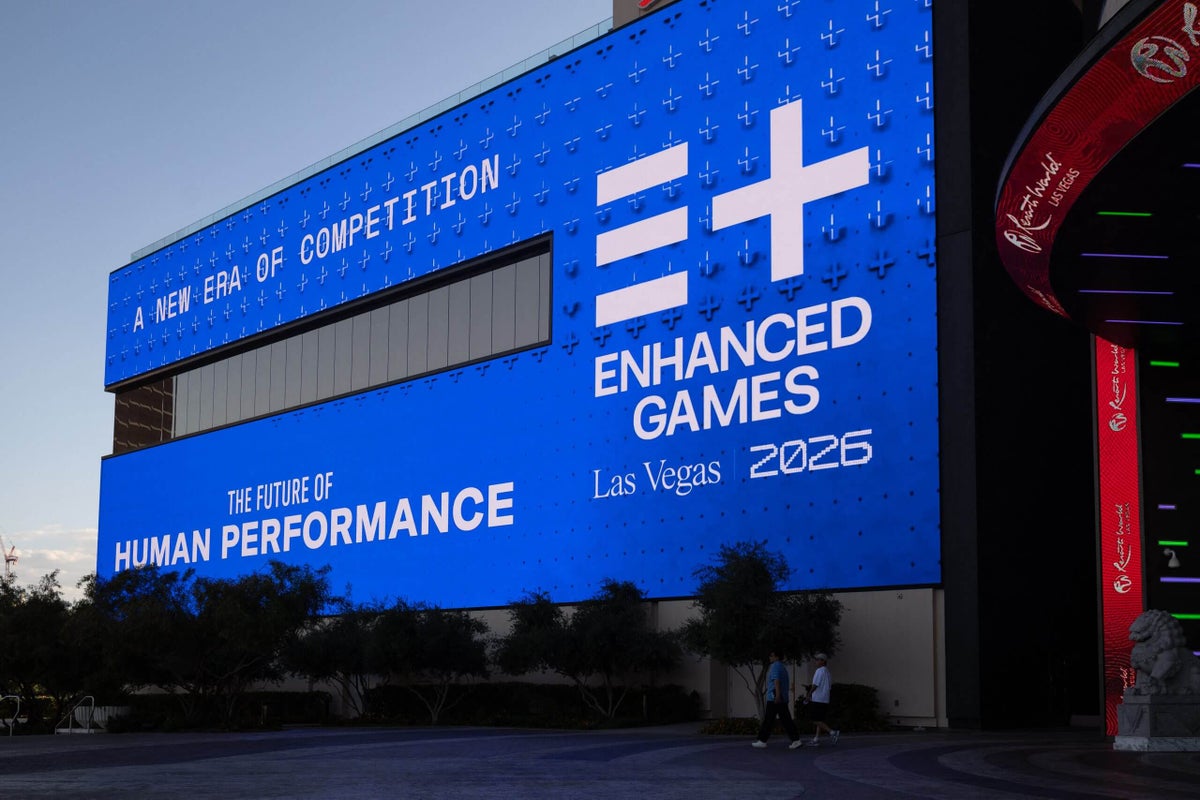
When it was first announced three years ago, the Enhanced Games was described by Aron d’Souza, its Australian founder, as a direct rival to the Olympics. ‘The International Olympic Committee has effectively been a one-party state running the world of sport for 100 years’, he declared, ‘and now the opposition party is here. We are ready for a fight.’
For the IOC and the rest of global sport, the promised fight of the Enhanced Games has fizzled out
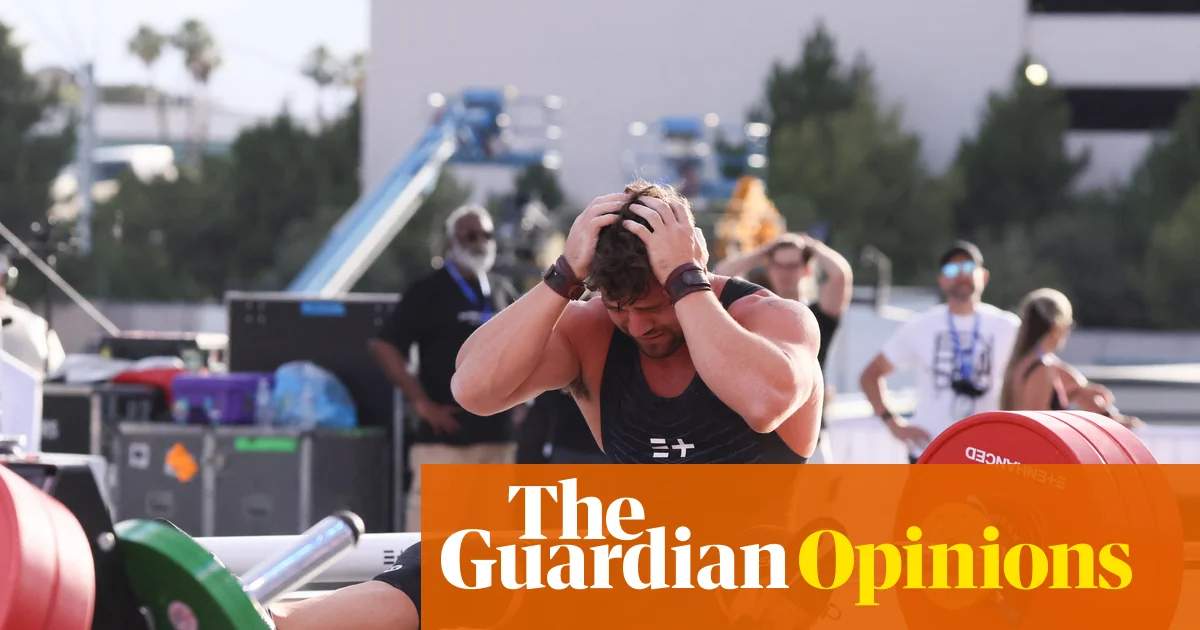
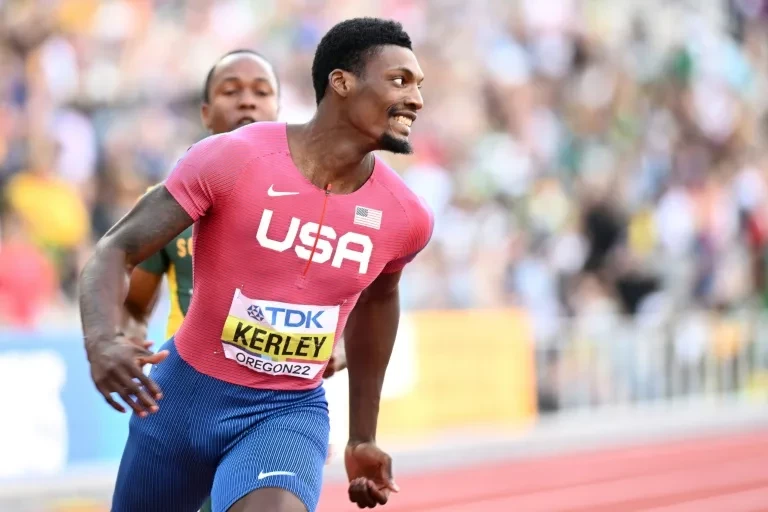
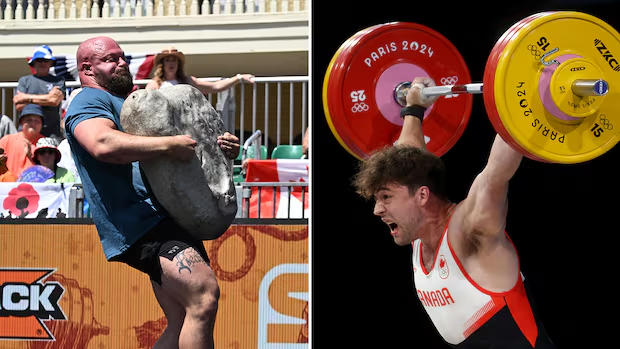
D’Souza envisaged an annual competition with events in five sports – athletics, swimming, weightlifting, gymnastics and martial arts, with ‘a couple of thousand’ participants. Enhanced athletes would be free from the hassle and bureaucracy of drug testing and compliance to allow them to push the absolute limits of human performance. Sport’s governing bodies took the Enhanced Games sufficiently seriously to issue bans for athletes who signed up. After a long gestation, the Enhanced Games is about to become a reality. But the event that will take place today is a far cry from d’Souza’s vision.
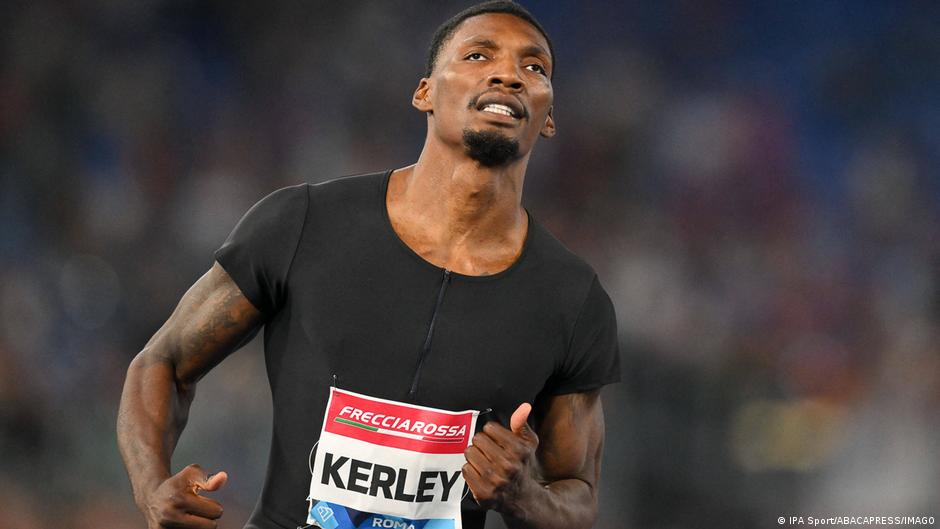
It turns out that creating an event to compete with the Olympics is quite a difficult task, even with financing and support from several of Silicon Valley’s deep-pocketed tech bros. D’Souza and his colleagues approached hundreds of athletes to build a roster that would draw the interest of fans around the world. A total of 42 are due to compete.