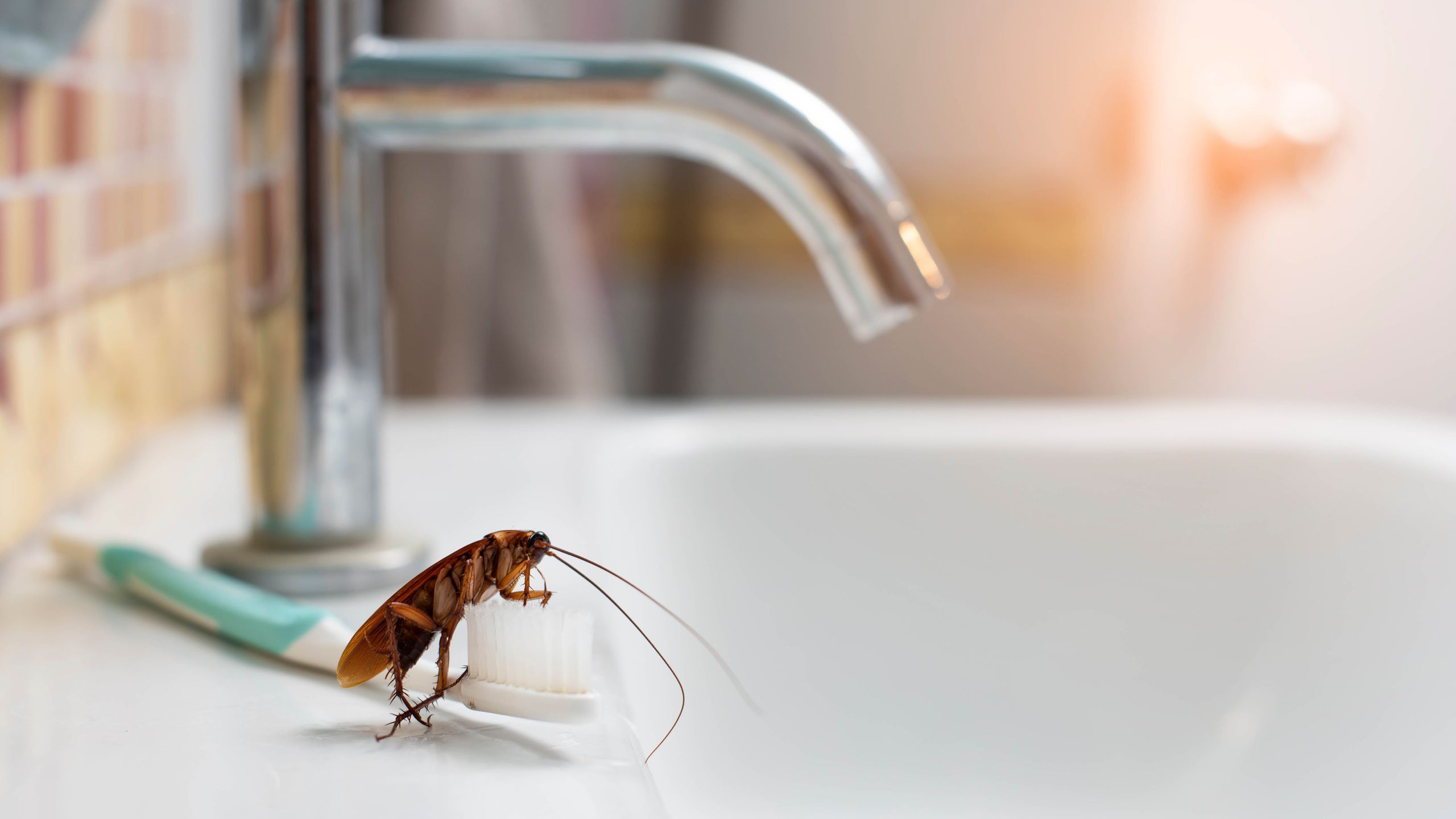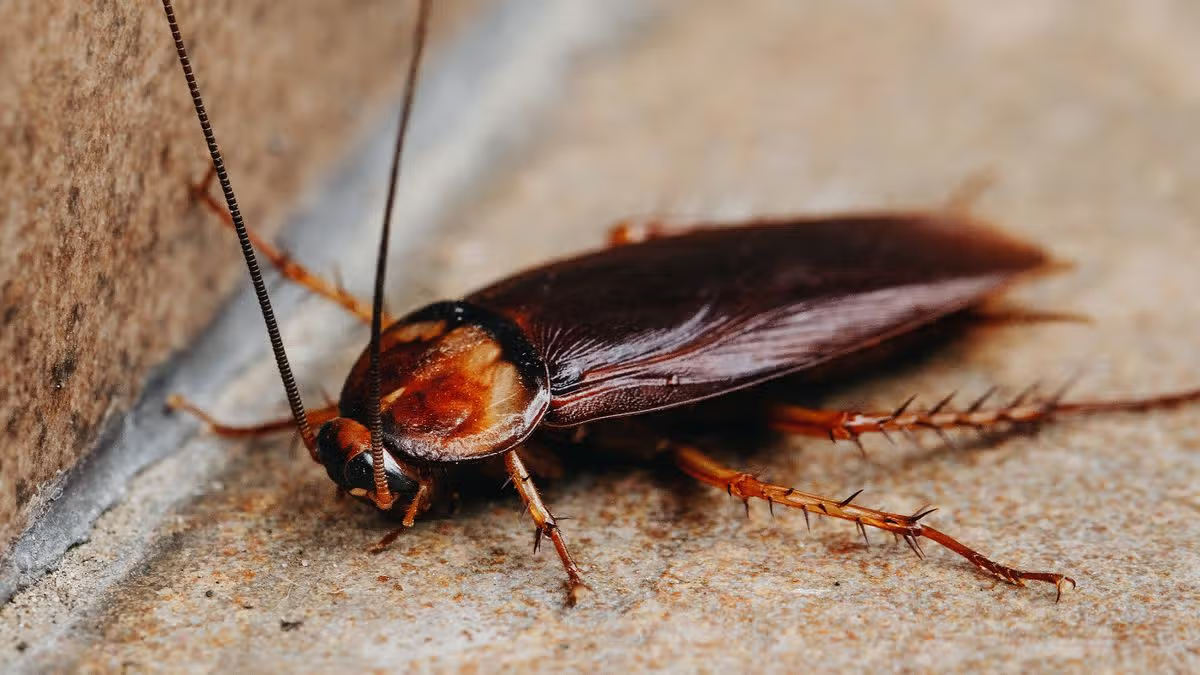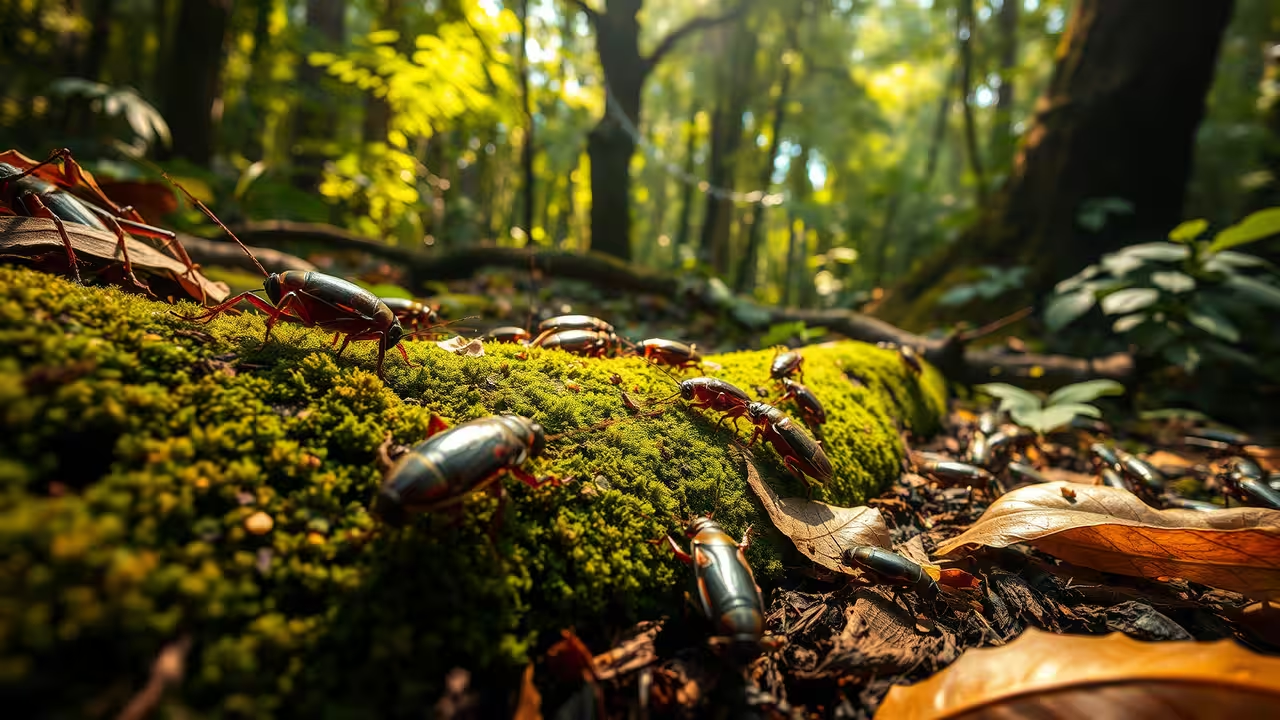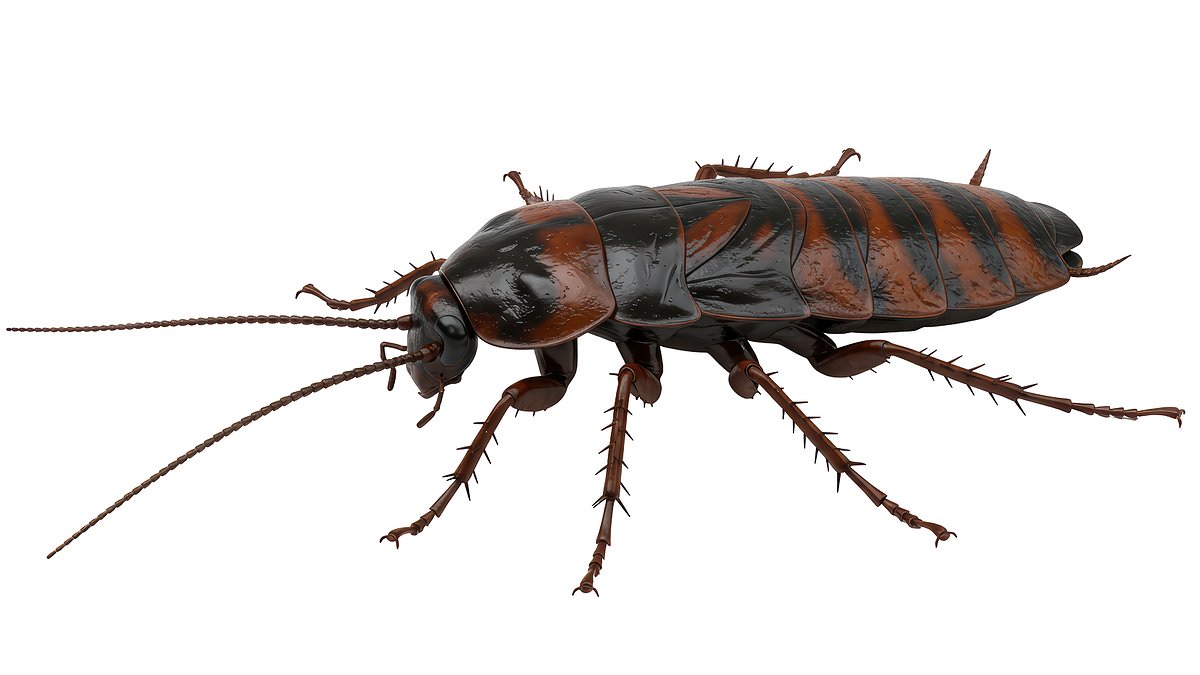
The mere thought of them terrifies most of us, especially at this time of year, when they are starting to emerge from their winter hideouts and are looking for food right next to us – in homes and business premises. Cockroaches are a large category of insects that numbers more than 3,500 different species worldwide. Scientists associate them with an evolutionary success story, as they are among the oldest insects on the planet and have shown impressive resilience and adaptability over the last 300 million years. They are nocturnal, they choose smart hiding places, which makes them difficult to detect; they are characterized by high reproductive potential (as females produce many eggs and their development can be rapid under favorable conditions); they can move very quickly; some of them can fly.
What attracts them? Are they dangerous to public health? How will we manage to keep them away from us, especially this year, when they are expected to show up in increased numbers due to frequent rainfall? Two Greek scientists who have been delving into the secrets of cockroaches for decades, Dr Apostolos Kapranas, associate professor of entomology at Aristotle University of Thessaloniki, and Dr Antonios Michaelakis, head of laboratory of insects & parasites of medical importance, at the Benaki Phytopathological Institute, answer all our questions.