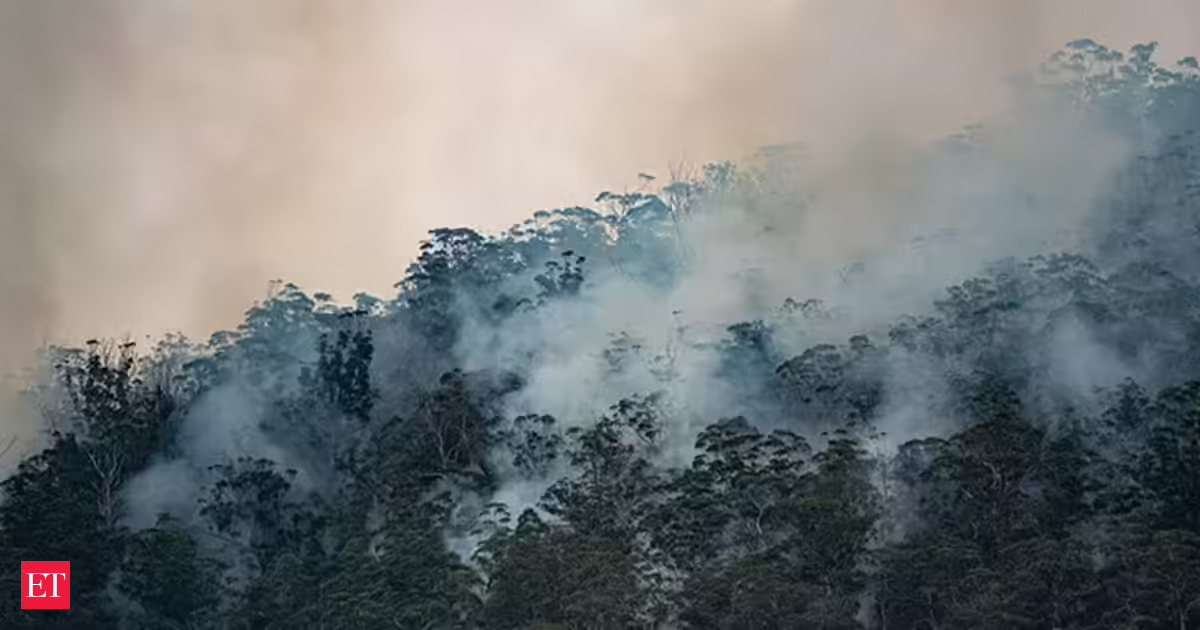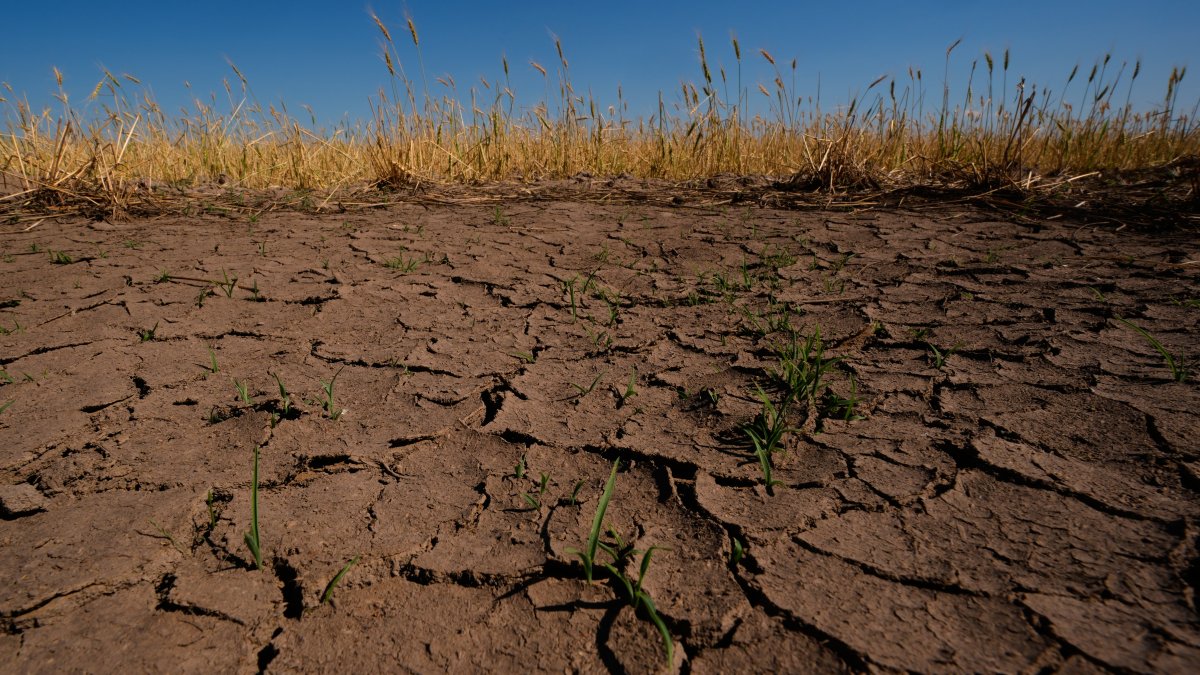
Some of the plants that make familiar landscapes recognizable may not survive by the century's end as climate change becomes an increasingly important driver of species loss, according to scientists, reshaping and often shrinking suitable habitats that the plants need to survive.
Researchers modelled future ranges for numerous species of vascular plants, a category that accounts for almost all the world's plants – those with water – and nutrient-carrying tissues. They looked at more than 67,000 species, meaning about 18% of the world's known vascular plants.
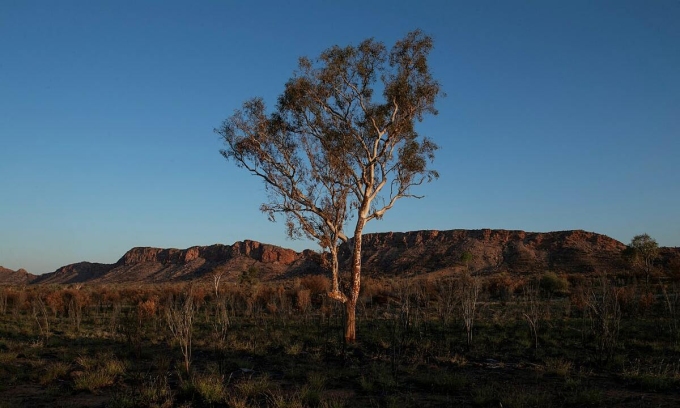
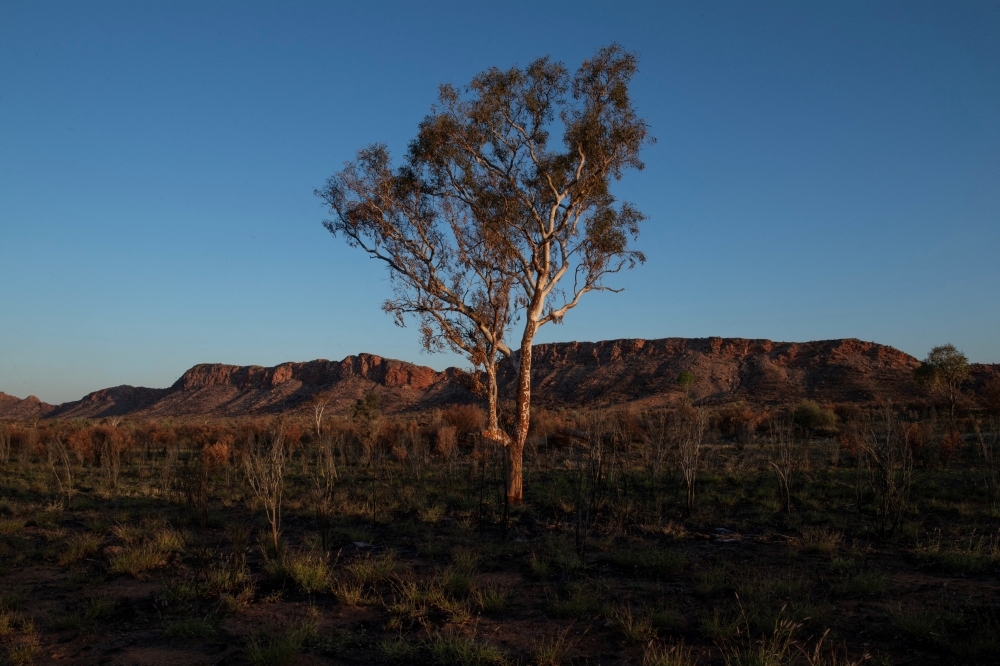
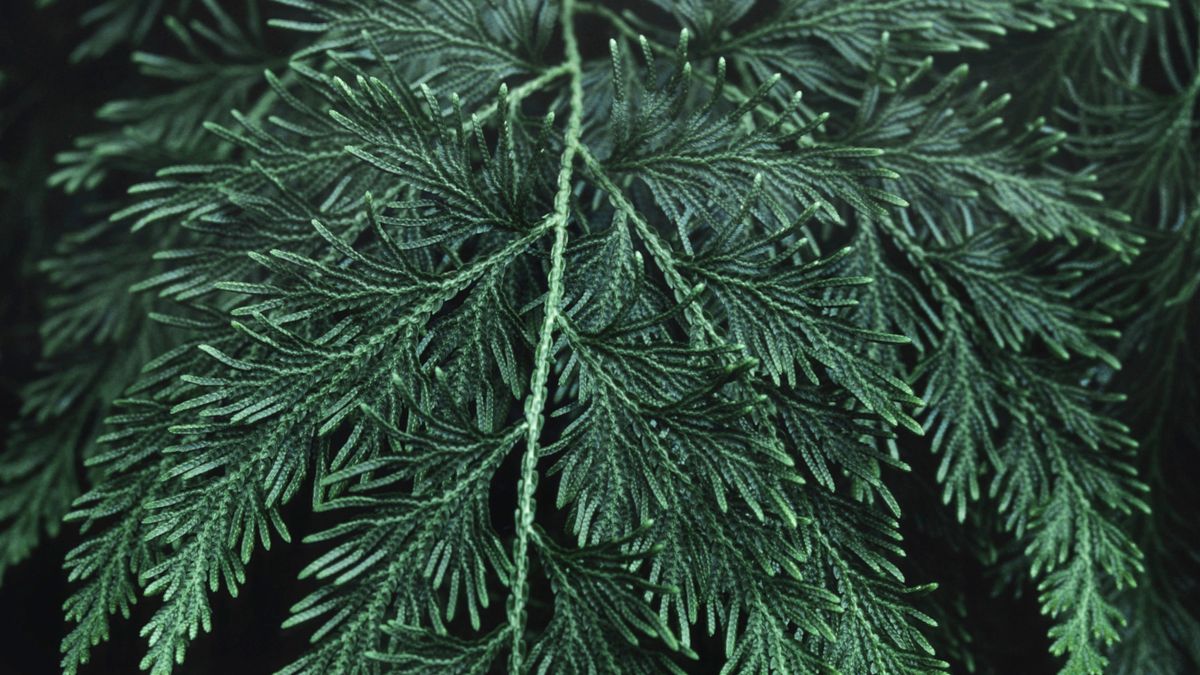
They found that 7% to 16% could lose more than 90% of their range, placing them at high risk of extinction. Examples include Catalina ironwood, or island ironwood, a rare endemic California tree, bluish spike-moss from a plant lineage dating back more than 400 million years and roughly one third of Eucalyptus species, one of Australia's most recognizable plant groups.
The researchers came to their estimates after examining millions of records on plant locations as well as greenhouse-gas emissions scenarios for 2081-2100.
A plant's habitat is not simply a place on a map, but the full array of conditions it needs: temperature, rainfall, soils, land use and landscape features such as shade.