Security Implications of Rapid Tokenization: Lessons from Hyperliquid’s HYPE ETF Surge
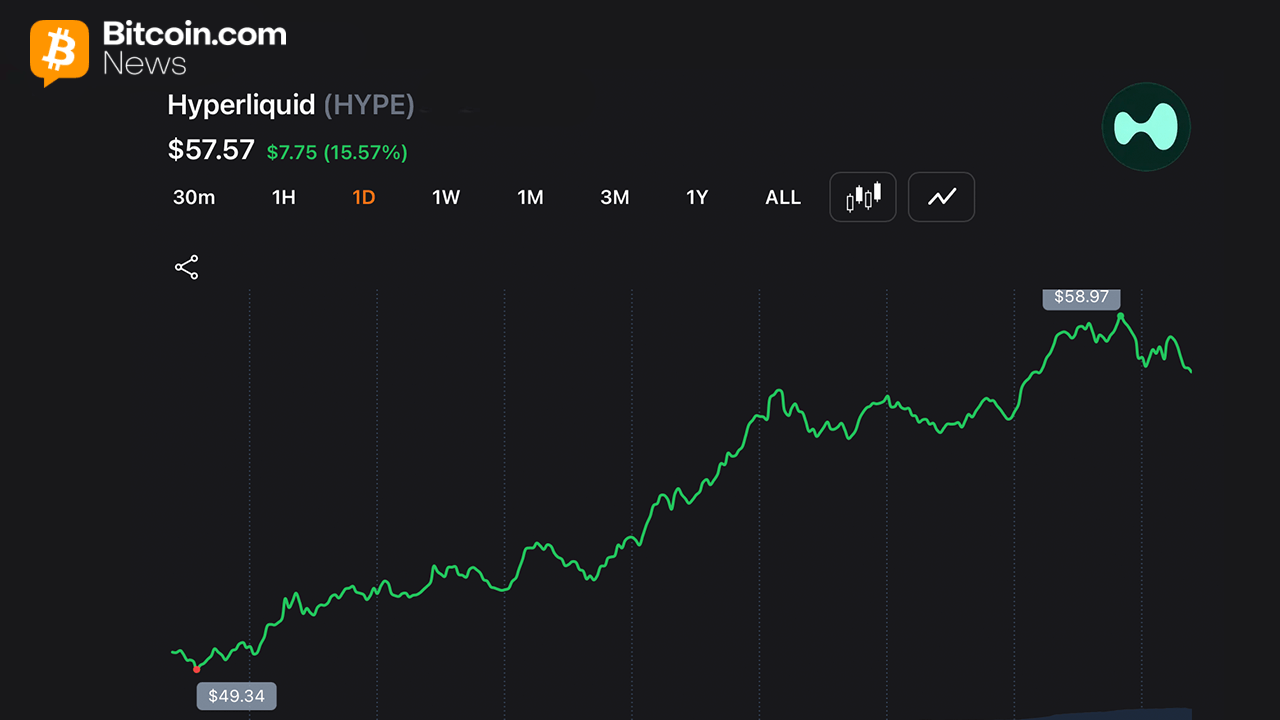
The recent surge of Hyperliquid’s HYPE token, which hit a new all-time high following the launch of two HYPE ETFs in the U.S., highlights critical considerations for developers building tokenized asset platforms. This event underscores how fast growth, driven by tokenization of stocks, commodities, and pre-IPO assets, can concentrate liquidity and magnify smart contract risks. Understanding these security implications is essential to navigate the complexities of scaling tokenized asset protocols securely.
Liquidity Concentration and Its Attack Surface
Liquidity in crypto markets tends to concentrate around a few high-growth protocols generating significant revenues, a pattern exemplified by Hyperliquid right now. While this concentration drives network effects and user engagement, it simultaneously presents an amplified attack surface. For tokenized asset projects, the smart contracts managing liquidity pools, staking, and reward distribution become high-value targets.
In practice, rapid liquidity influx can expose or exacerbate: