Support CleanTechnica's work through a Substack subscription or on Stripe.
Earlier this month US Secretary of the Interior Doug Burgum testified with very little background knowledge about solar systems — yet that didn’t stop him from denigrating them. “All of these projects you’re describing in Nevada have one thing in common,” Burgum sneered. “When the sun goes down, they produce zero electricity.”
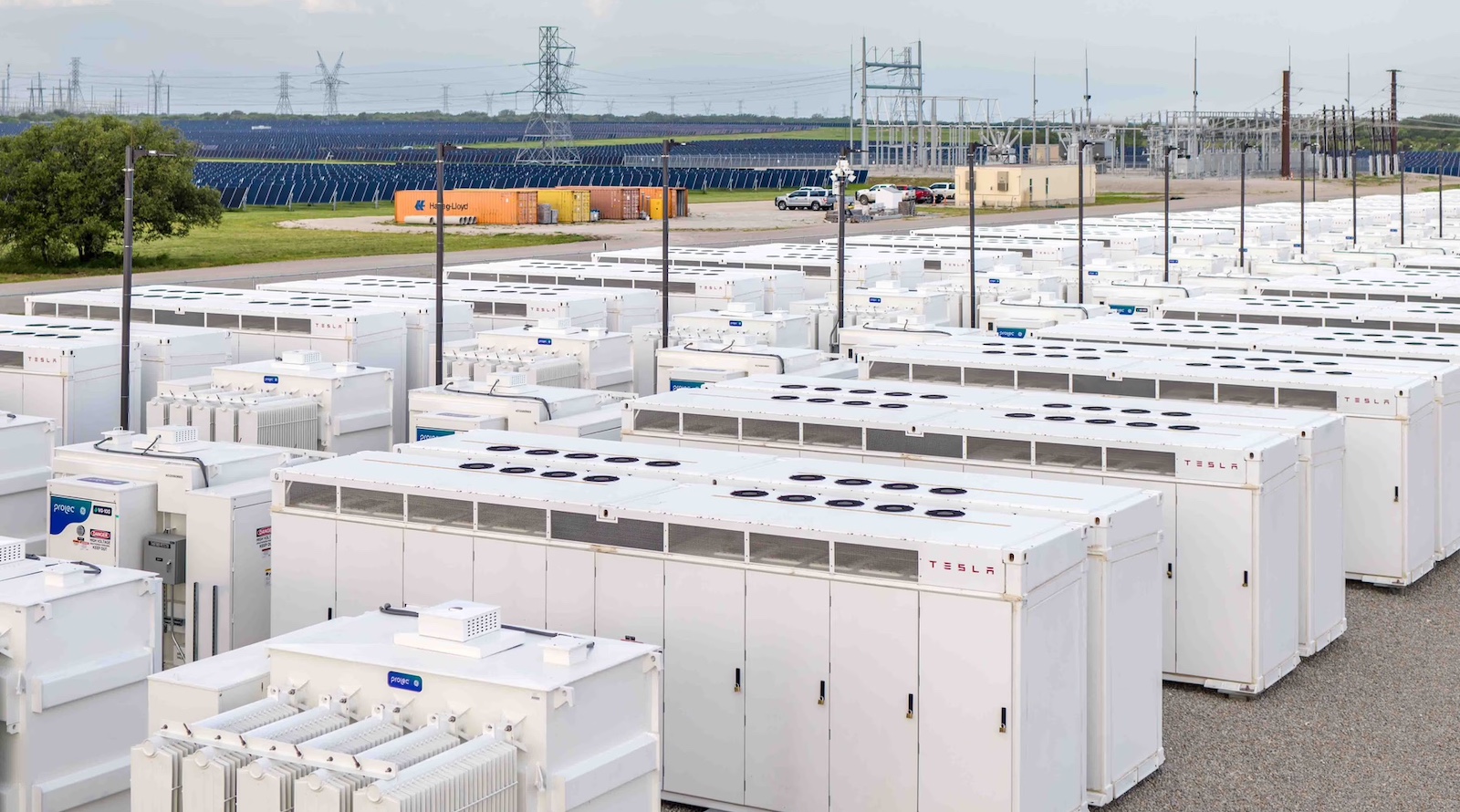
With that remark, Burgum failed to acknowledge solar’s important companion: battery storage. Giggles and guffaws rumbled through the Natural Resources Committee hearing.
Representative Jared Huffman (D- CA) replied to Burgum with a primer on battery storage solutions. To illustrate his case, Huffman submitted a physical battery into the record. “Mr. Chairman, I request unanimous consent to enter in the record this amazing new technology that apparently the secretary is unaware of: It’s a battery,” Huffman explained, tongue-in-cheek. “China’s figured it out. That’s why they’re cleaning our clock on clean energy. But I want to enter that into the record.”
The show-and-tell did much more than make a clown out of Burgum: it emphasized how far apart public perception is from solar’s actual everyday practicality. The exchange would have been fun if the need for solar were not so imperative for US energy independence. It was one in a series of policy divides that have emerged as the US attempts to reconcile its vast energy needs with the Trump administration’s insistence that Fossil Fuels Are All.