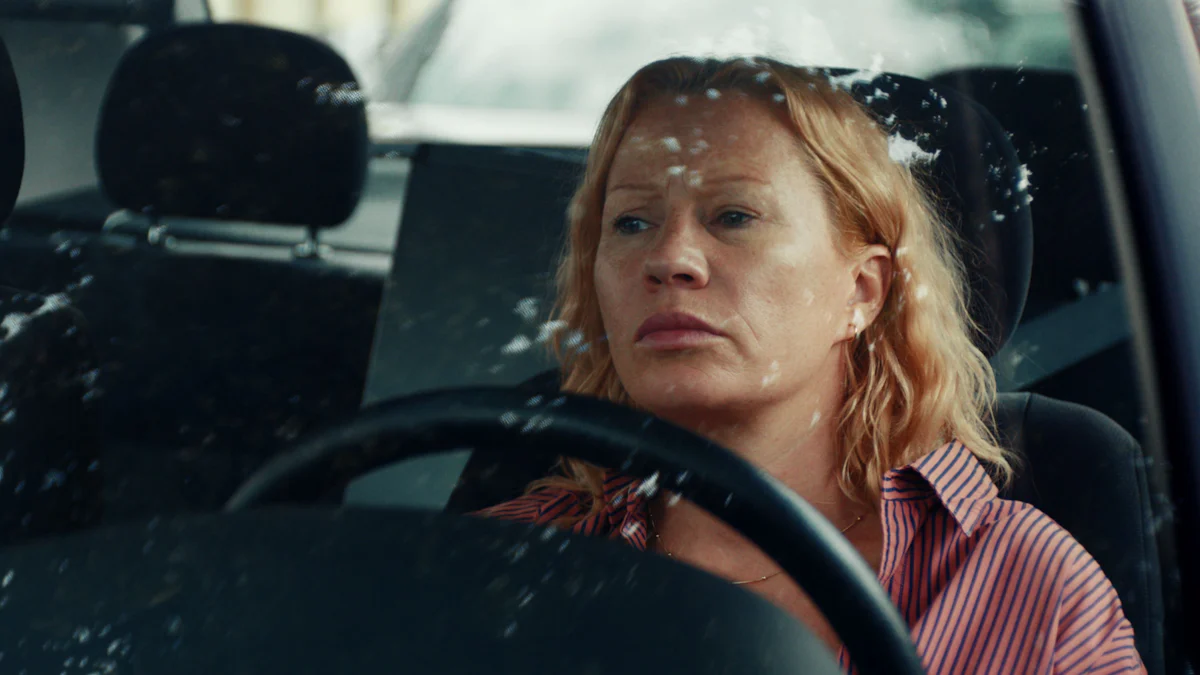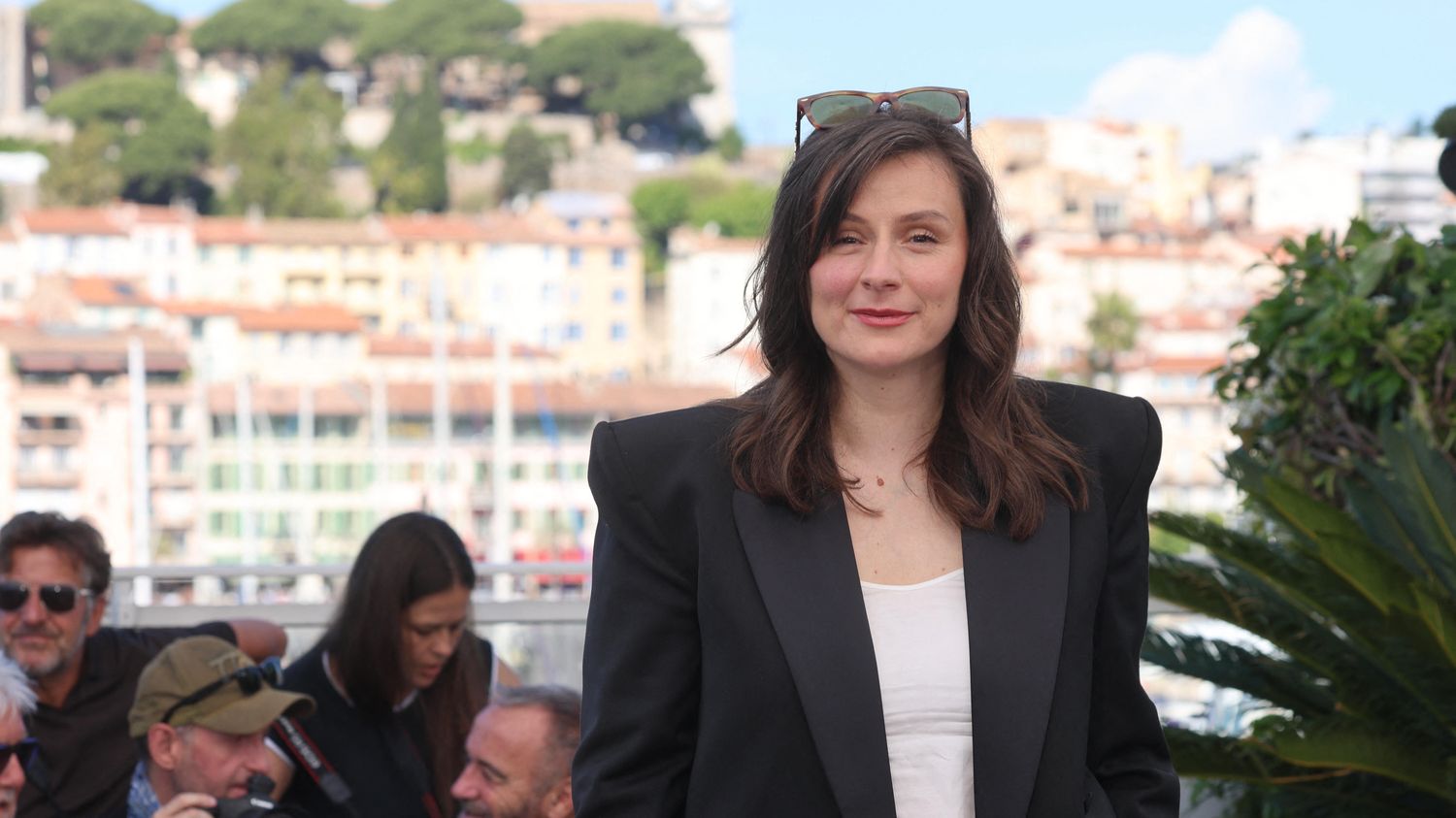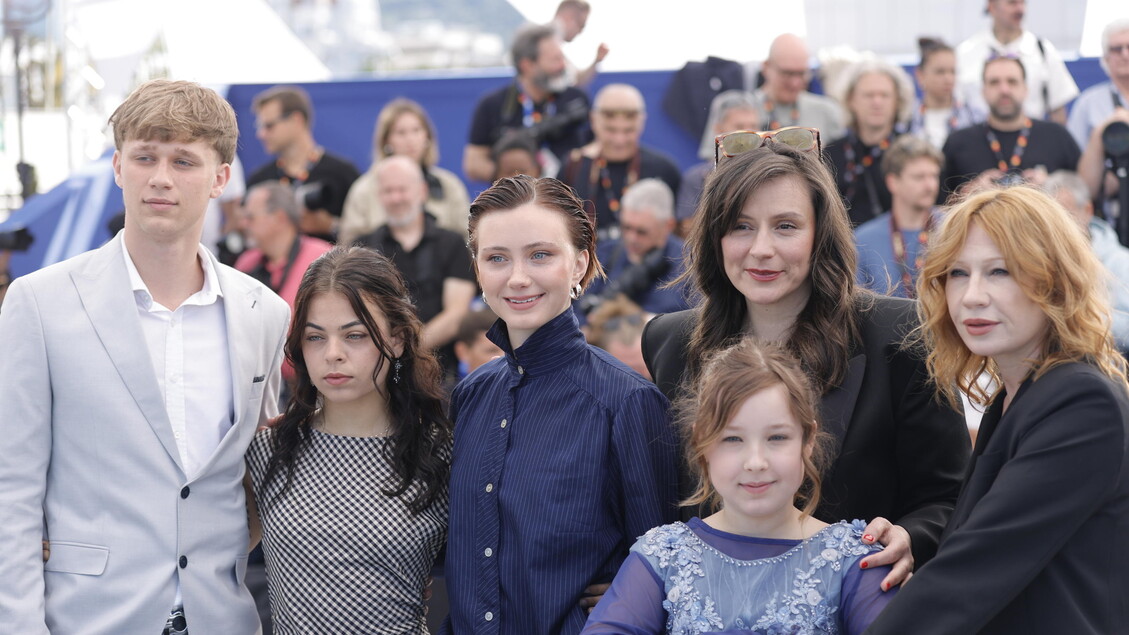
Everyone who has ever experienced serious grief knows the strange, unsettling things it can do to time: stretching it or compressing it by turns, consigning some passages of it to a black hole of memory, or sometimes just suspending it entirely. Pretty much all these possible stages and cruel temporal tricks of the mind are felt in Sandra Wollner‘s shattered, piercing family study “Everytime,” until the present loops back on the past entirely, and which (or whose) reality we’re in becomes a matter very much up for debate. Elevating low-key domestic portraiture with extraordinary technical finesse, toward a big-swing finale of radical conceptual daring, the Austrian filmmaker’s third feature felt like the most refined and inventive formal statement in this year’s Un Certain Regard program at Cannes, and duly won the top prize there.
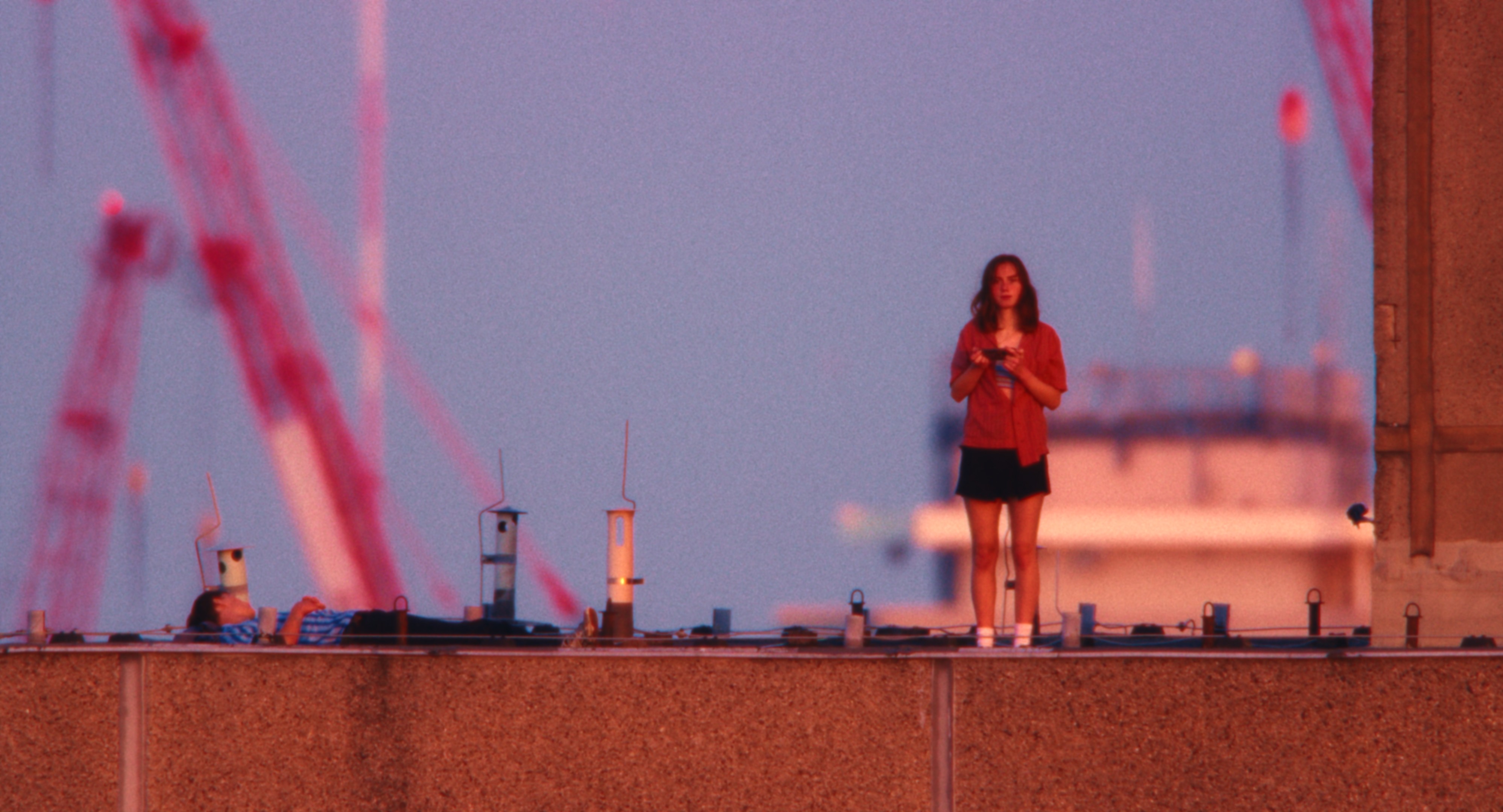
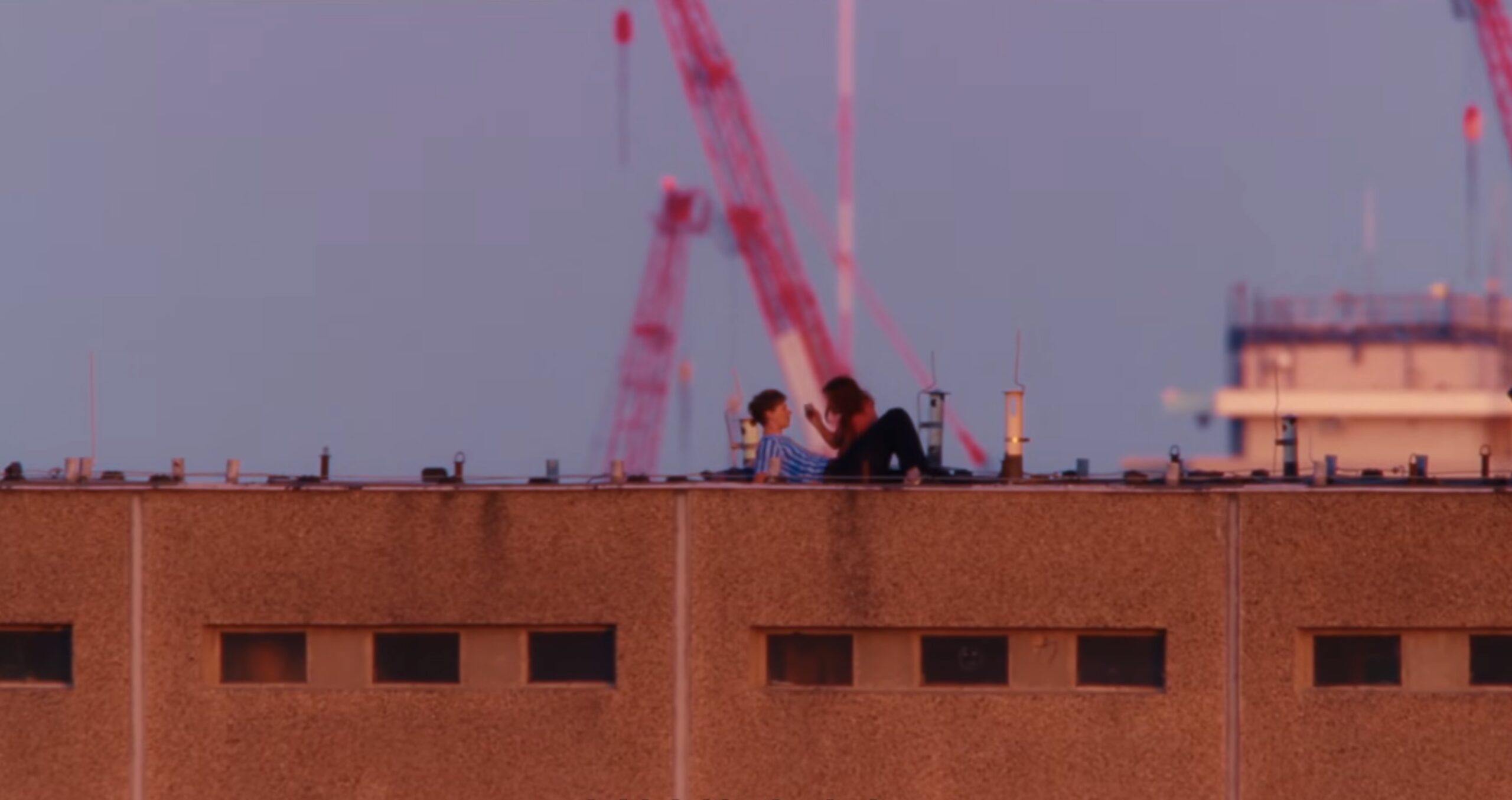
That win will ensure healthy arthouse distribution for this outwardly challenging but emotionally involving work which will certainly see more theatrical play than Wollner’s name-making previous film, the startling 2020 sci-fi drama “The Trouble With Being Born.” That film’s prospects were curtailed by the pandemic, certainly, but also by its confronting, controversial premise, involving a childlike AI android sexually abused by its creator. “Everytime” isn’t nearly as blatant a provocation, though it confirms Wollner’s aptitude for needling, subtly uncanny narratives that linger to increasingly disconcerting effect in the mind, and her visually and sonically commanding way of realizing them — this time in collaboration with ace “Aftersun” cinematographer Gregory Oke, clearly the man to call if you need an all-inclusive coastal resort suffused with soul-bleaching light and creeping dread.