Urgent interim measures need to be adopted to curb fuel consumption
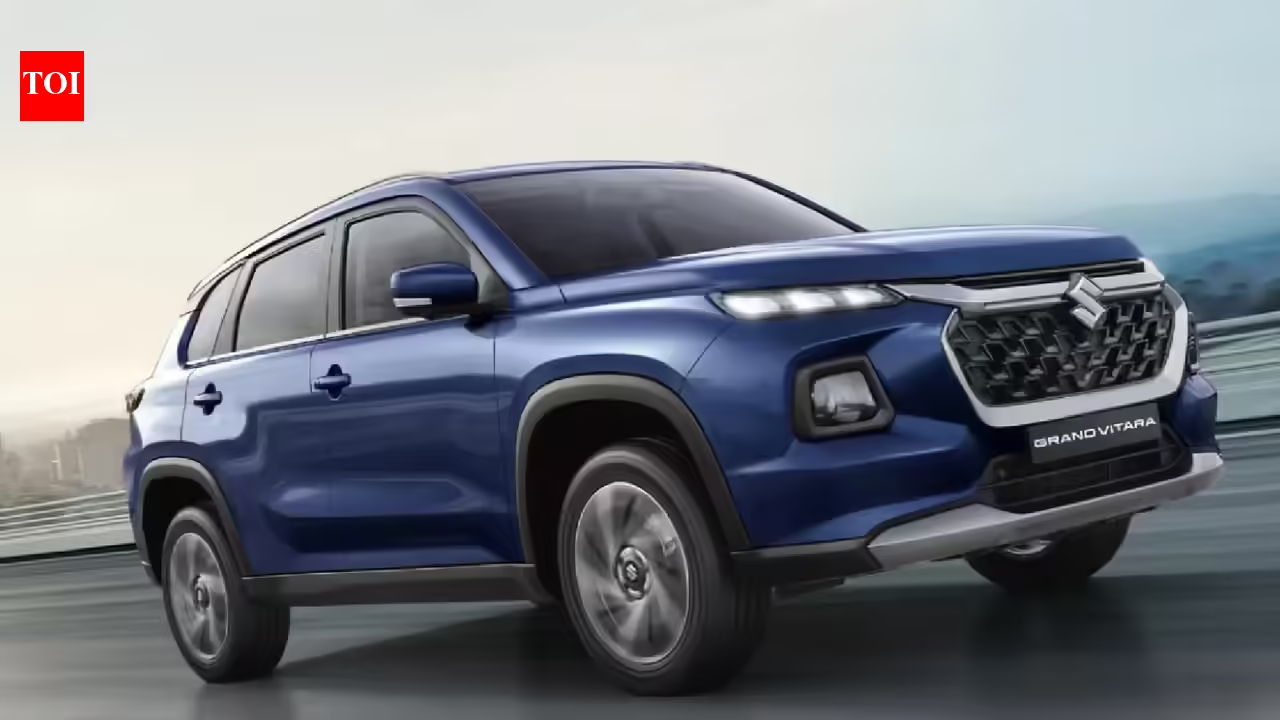
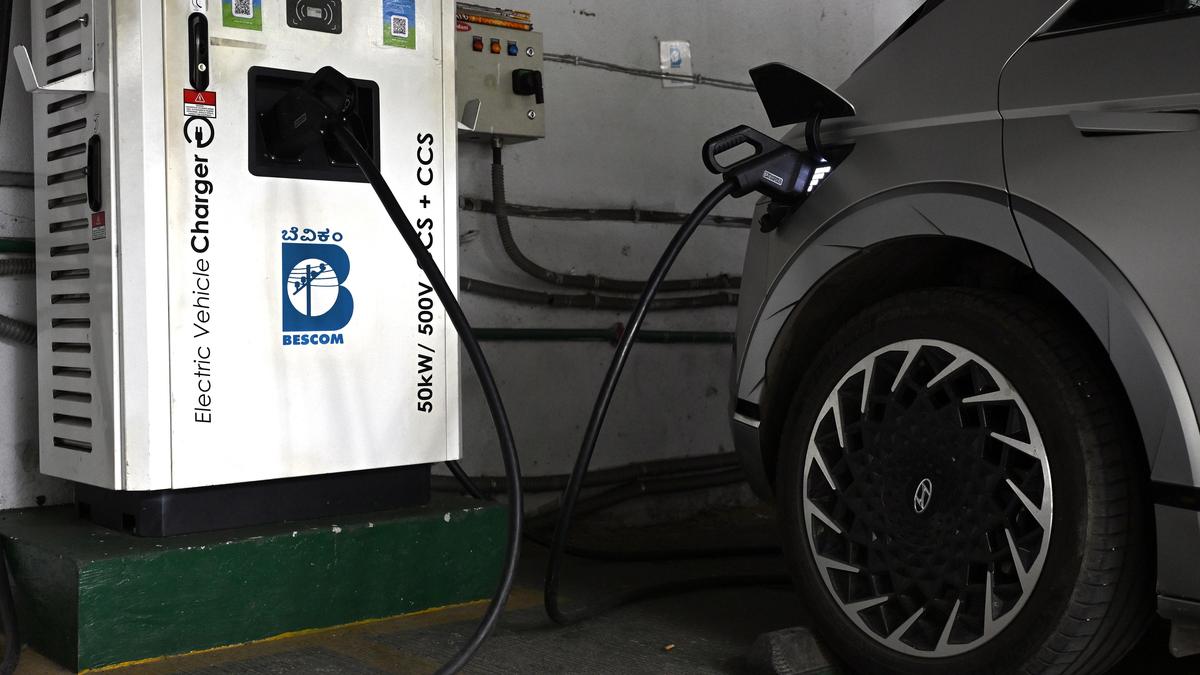
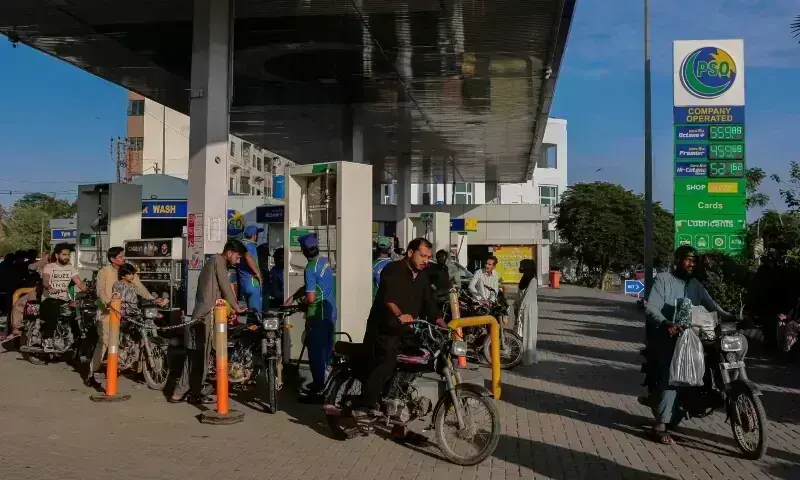
Amid concerns within the government over a widening current account deficit (CAD) and rising pressure on India’s oil import bill due to the West Asia crisis, the Prime Minister’s Office (PMO) has asked four key Ministries to urgently draw up measures to cut dependence on imported fuel and conserve foreign exchange, sources told businessline.Among the proposals under discussion is a reduction in GST on flex-fuel vehicles, currently taxed at 18-40 per cent depending on the segment, closer to the 5 per cent rate applicable to electric vehicles, a long-pending demand of the auto industry.The PMO has asked the Ministries of Road Transport and Highways, Petroleum and Natural Gas, Power and Heavy Industries to submit recommendations that can help reduce crude oil consumption in the near term, a senior official said.“The PMO has asked these Ministries to send suggestions with ‘anything and everything’ that can reduce India’s dependence on crude oil imports. The maximum we could reduce at the earliest, it will be good for the country,” an official privy to the discussions told businessline.Urgent measuresOfficials said the understanding is that urgent interim measures need to be adopted to curb fuel consumption because stricter fuel-efficiency norms under CAFE-3 come into force only next year, from April 2027.“There could be many suggestions now regarding this subject. One could be to promote usage of electric vehicles (EVs) more, and also make flex fuel vehicles more affordable. That can happen if GST is reduced for such vehicles, just like for EVs,” another senior official said.The auto industry has been seeking lower GST on flex-fuel vehicles to improve affordability and accelerate adoption. They attract a 28 per cent GST alongside a compensation cess (up to 15 per cent for larger vehicles), resulting in an effective tax burden ranging from 18 per cent to over 40 per cent.Sources said suggestions are also being driven around entry-level cars in the ICE segment because they consume less fuel and give better mileage too.Officials indicated that the issue could come up for discussion ahead of the next GST Council meeting.Smaller vehiclesSources said the government is also examining whether greater adoption of smaller and entry-level vehicles, which offer higher mileage, could help moderate fuel consumption.“We are exploring all possibilities, including whether small cars, hybrid cars, electric cars or flex-fuel vehicles, anything that reduces cost of acquisition for a customer and also for the nation on reducing oil imports,” one of the officials cited above said.Road Transport and Highways Minister Nitin Gadkari on Saturday said flex-fuel vehicles would soon be introduced on a large scale and announced that Maruti Suzuki would launch a 100 per cent ethanol-powered vehicle on World Environment Day on June 5. He added that 12 companies, including Toyota, Tata Motors, Mahindra & Mahindra and Suzuki, have already introduced flex-fuel vehicles in India.Published on May 24, 2026