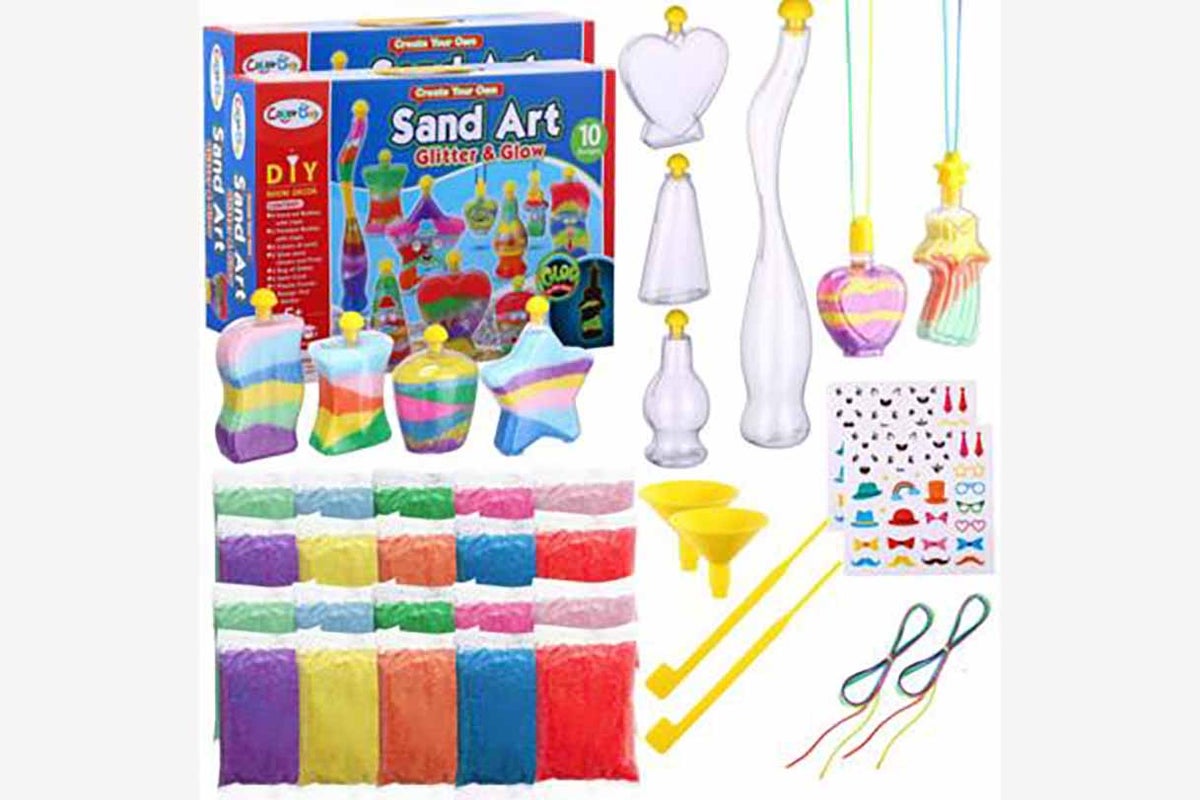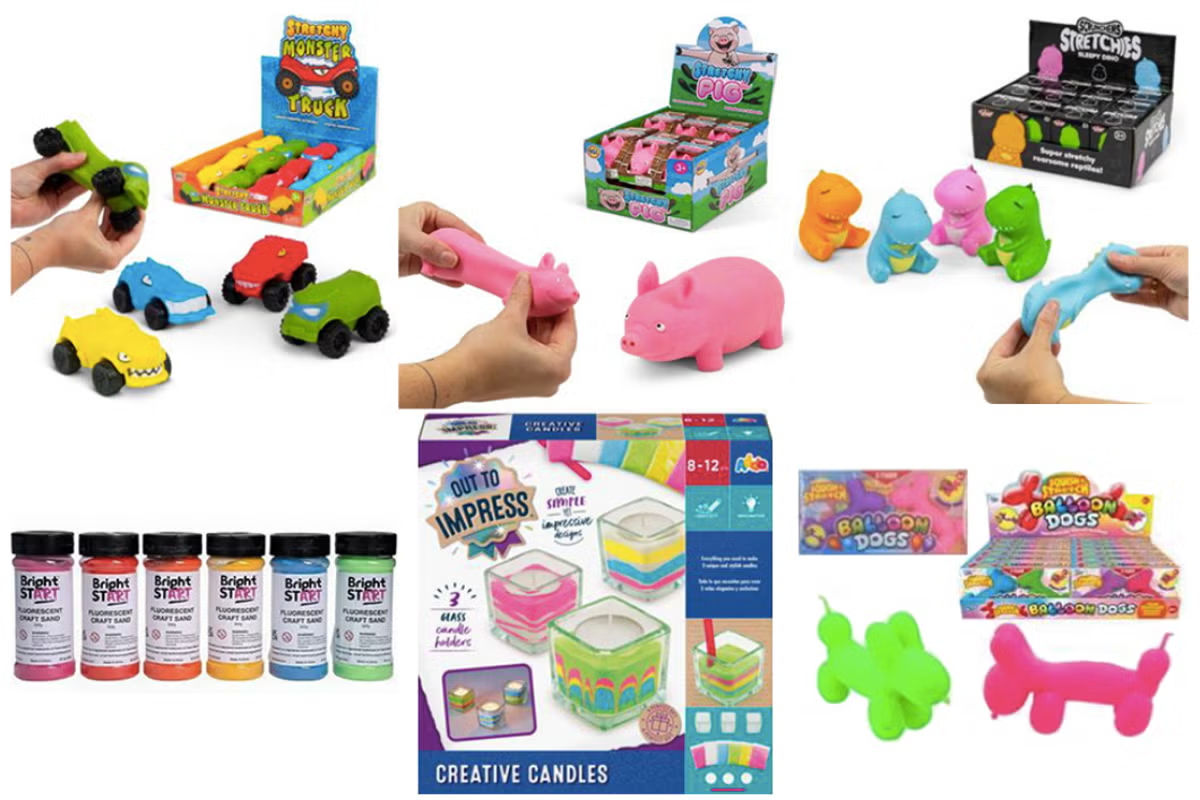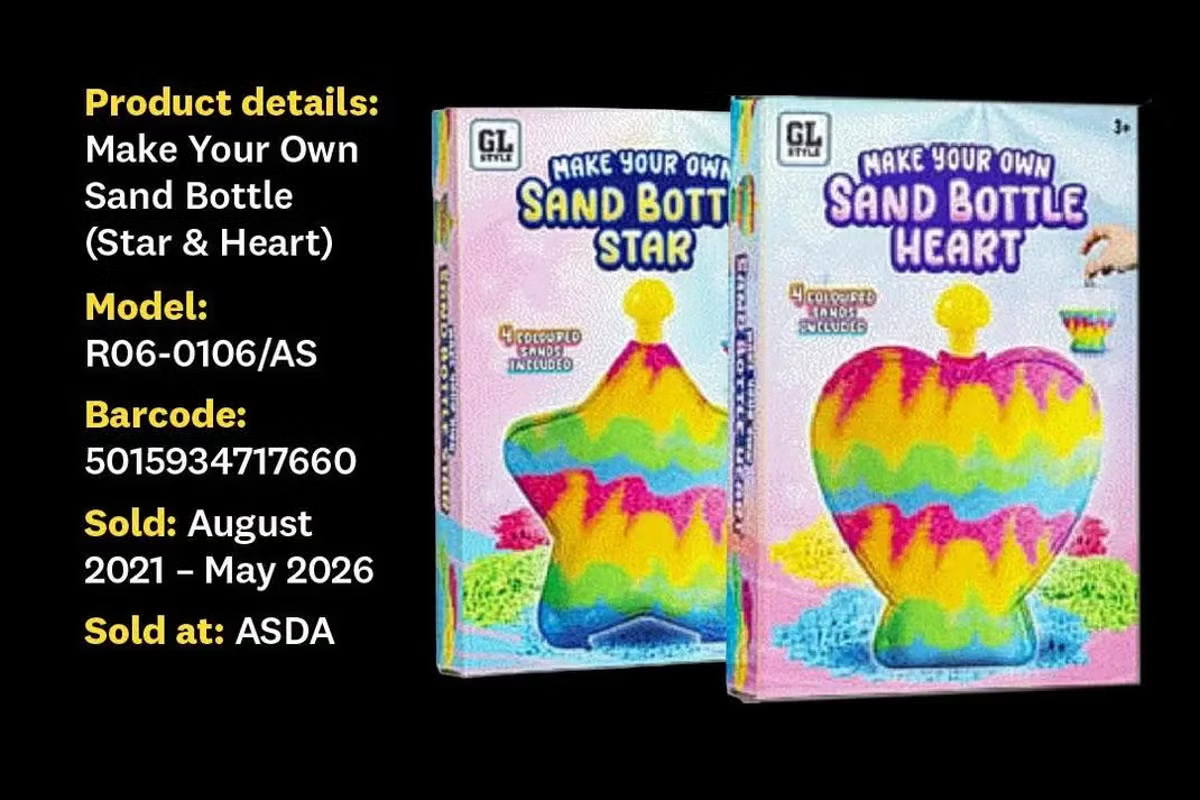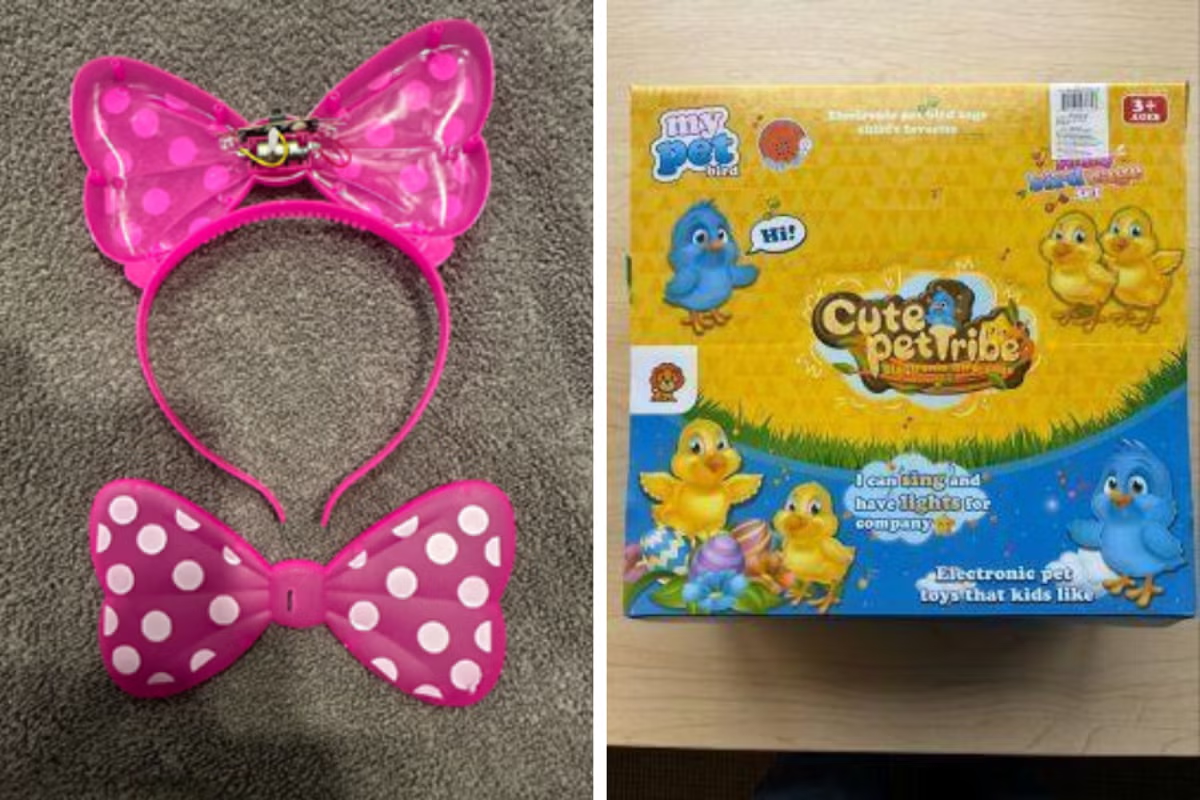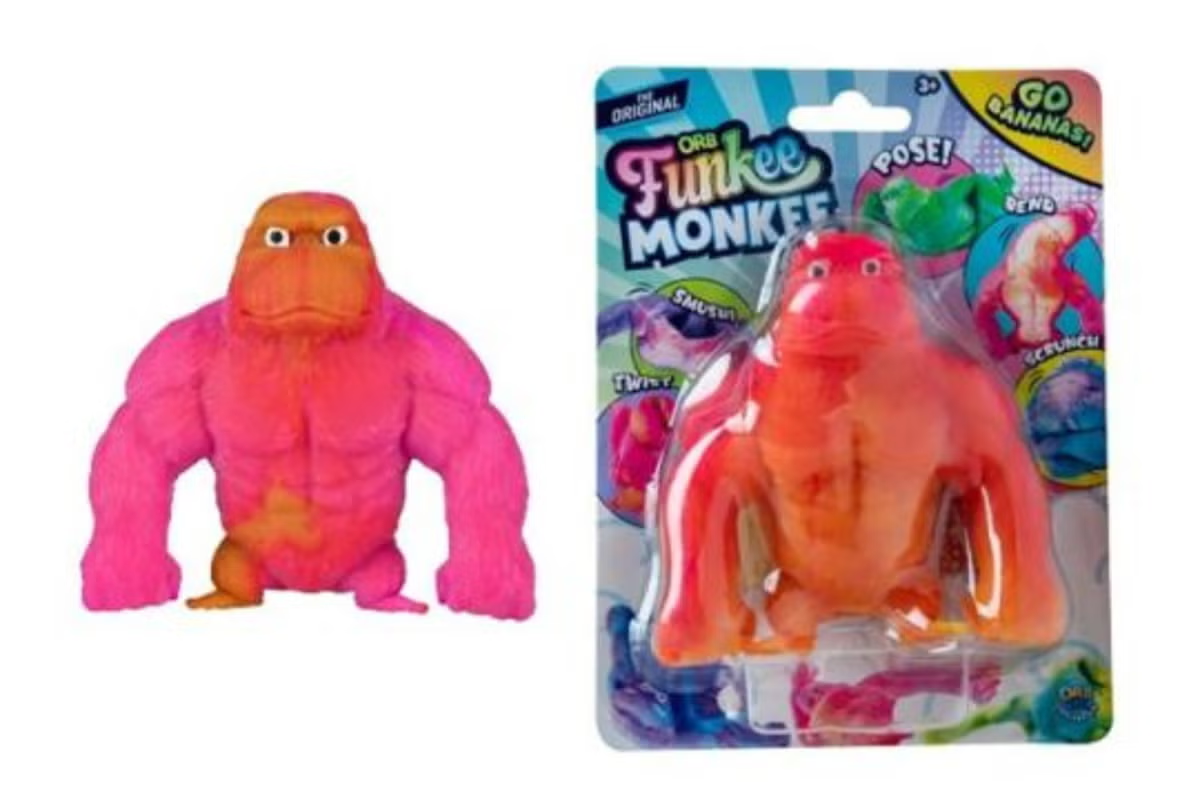
Every year, thousands of products are recalled as a consequence of manufacturing errors and defects10:32, 24 May 2026Product recalls are much more common than you might think.Every year, thousands of products are recalled as a consequence of manufacturing errors and defects. Often, these measures are precautionary. But sometimes the recalls relate to extremely serious, possibly life-threatening matters.In just the last week, more products have been added to a list of recalled items because they allegedly contain asbestos. In all, 127 toys and play items for kids have been recalled since January for containing the highly toxic mineral, and some big brands are affected.This is worrying news for parents and indeed everyone as asbestos has been banned for use since 1999 in the UK and even its removal from buildings can be a long and costly process due to the risk arising from the dust and fibres.So how does this happen in 2026? Well in this case it would seem that goods produced abroad (largely in China) have breached safety rules for items sold in the UK.Trading Standards takes a dim view of such matters and regularly issues warnings about non-compliant or dangerous products. But most of the people I speak to simply want to know what to do when a product recall occurs.For this week’s column, I’ve drafted in my fellow television expert and legal wonder, Gary Rycroft, as we explore the world of product recalls and your rights.Why do products get recalled?In the UK we have a wide range of rules, regulations and laws that protect us and ensure that items we buy are manufactured to safe standards. However, we do import many items from other countries where rules may not be so stringent. It is the responsibility of the brand and the retailer to make sure that items we buy in the UK meet these standards.Product recalls are expensive and can seriously damage the reputation of a business, so when they happen they are a big deal. Failure to recall products that could be dangerous can result in huge fines or even prosecution.Having said that, most product recalls relate to goods that might be a risk, rather than ones where something dangerous has definitively been discovered.Recalls are either voluntary, where a business has spotted that something might have gone wrong, or compulsory, where they have been told to recall the items in question.What happens when a product is recalled?If a brand announces a product recall it’s often only specific batches that are affected. The recall notice will provide the identification codes or product number, or even timeframes when the goods might have been on sale.Once you’ve established if the item you purchased is part of a recall, check out the guidance on the recall notice about what happens next. These appear on the recall notice, Trading Standards and regulators website and loads of other places. For items like groceries the advice is usually to return the goods to where you purchased them for a refund.Specific schemes are put in place for larger items, for practical reasons. The manufacturer usually announces a process to repair or replace these items. This can sometimes take quite a bit of time, depending on how many people are affected.What about dangerous products?Some recalls relate to issues that pose a very real risk to the purchaser. I’ve seen washing machines that could burst in to flames, cars that have faulty braking systems and food and drink that contains glass fragments.Electrical items with serious faults must not be turned on, plugged in or used under any circumstances. However, you could find yourself stuck with a faulty dishwasher that you can’t use for months or even years.If you made the purchase within the first six months, your shopping rights come in to play. That means you could demand a refund if the repair or replacement isn’t carried out urgently. If lots of people are affected though, this may prove challenging.But what if you’ve consumed a potentially dangerous food or drink item that’s been recalled or been exposed to something toxic? Contact your doctor or a walk-in/call-in health service as soon as possible if you are worried. Keep copies of doctor’s notes and referrals, in case you decide to pursue a complaint for compensation too.How do I find out about product recalls?Because of data protection and the fact that we may pay for many things using cash, it’s hard for businesses to establish who might have bought products that have been recalled. There may be a record of who has bought "big ticket" items, like washing machines or sofas, because of manufacturer’s guarantees that you register when you receive the goods. But most recalls involve smaller value items, which means businesses have to rely on advertisements, notices on their websites and news stories for more serious recalls.If you want to find out what products have been recalled, start with the Chartered Trading Standards Institute (CTSI) who have product recalls on their website.The Office for Product Safety and Standards (OPSS) is the UK’s national product regulator and is part of the Department for Business and Trade (DBT). The OPSS has guidance for consumers on its website and a list of the latest product recalls.The Gov.uk product recalls website gives advice on the three different types of product recall:For specific products that have been sold in the UK and may require you to act to receive a free replacement, repair or refund from the manufacturer or a retailer.Product safety reports – These are for specific products found in the UK where corrective measures other than a recall have either been ordered by an authority or are being undertaken by a business.Product safety alerts – These highlight product categories or sectors in the UK with risks of serious injury or fatality and where immediate steps are requested by OPSS from businesses, authorities and possibly consumers.Because of the sheer range of products that are sold, from cars to cheese, there are a range of other agencies, regulators and official organisations that set rules around product safety and recalls.As a consequence, you may find more information about specific recalls on the website of one of these organisations, like the Driver and Vehicle Standards Agency (DVSA) for problems with motor vehicles.Can I claim compensation?You can indeed claim compensation, though payouts are usually quite small. Whilst a refund for a product you must hand back is automatic, compensation for a product recall is not a definitive legal right and arises only if the situation is serious and genuine harm has occurred or a measurable financial loss happened.If you’re returning a contaminated food item, for example, you might get a credit voucher as a goodwill gesture if you complain to reflect the inconvenience, but these are usually for very small amounts.However you can only seek compensation if you have been harmed or suffered financial loss arising from the product being recalled. Again, this must represent realistic costs. So if your car is recalled but you need to drive for work, it’s reasonable to ask the manufacturer if they can provide a courtesy car until your vehicle can be repaired or replaced. This is unlikely to be offered to everyone – or indeed anyone unprompted. Expect to be asked to prove how essential the vehicle is too.Of course, you may not be looking for financial compensation. For example, if you are looking to have a faulty washing machine repaired and you’ve got a few quotes from local tradespeople, ask the firm if they will pay the cost if their recall is likely to take a long time.Article continues belowYou can read Gary’s top tips on food product recalls on the Morning Live website.Martyn James is a leading consumer rights campaigner, TV and radio broadcaster and journalistGary Rycroft is the UK’s top TV lawyer and columnist.
Your product recall rights as 127 toys and play items pulled over asbestos
Every year, thousands of products are recalled as a consequence of manufacturing errors and defects
1,299 words~6 min read